What is the brightest day on Earth?
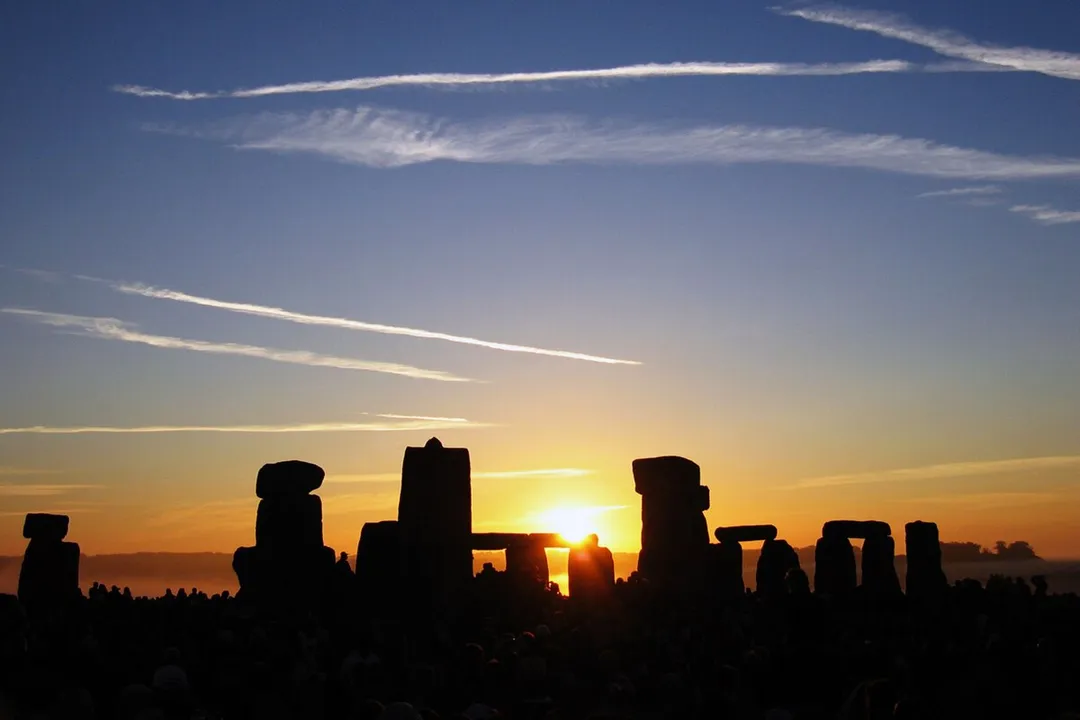
The day crowned as the brightest on Earth is a phenomenon tied directly to our planet's orbital mechanics and axial tilt, culminating in the Summer Solstice for whichever hemisphere is currently tilted most favorably toward the sun. [4][8] For many readers, particularly those in the Northern Hemisphere, this usually lands around June 20th or 21st. [4][7] It is the moment that delivers the maximum quantity of daylight hours available in that location for the entire year. [2][7][9]
# Longest Daylight
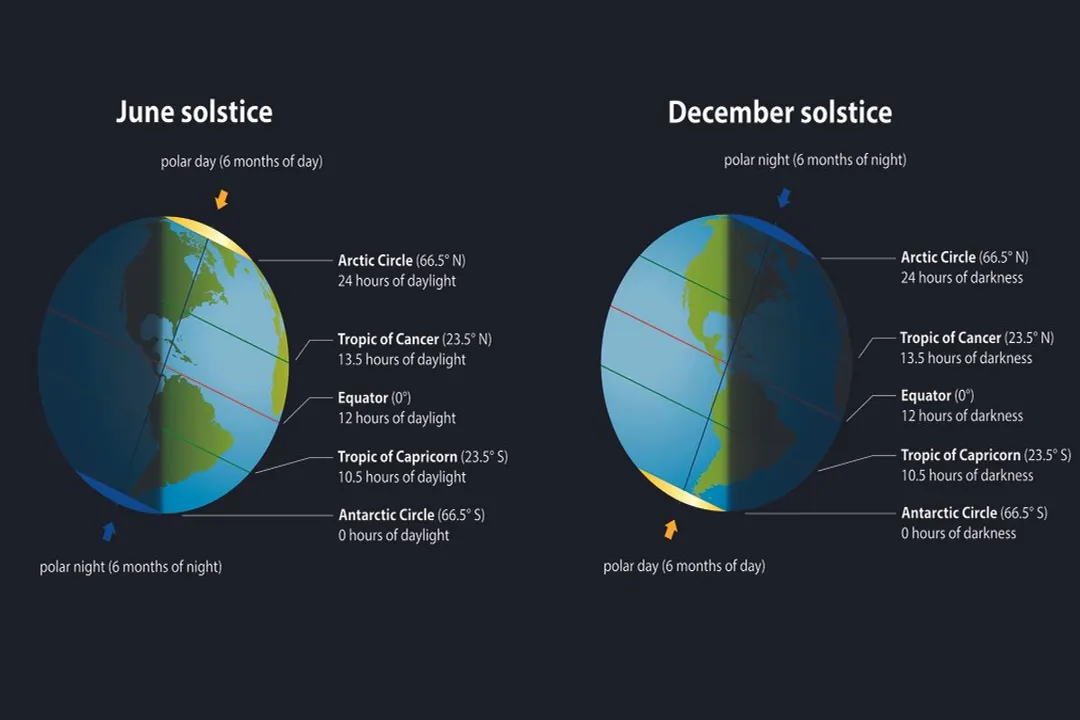
When we discuss the "brightest" day, we are primarily quantifying the duration of daylight—the period between sunrise and sunset. [9] This specific date marks the astronomical beginning of summer in the Northern Hemisphere. [7] Astronomically, the solstice is defined as the point when the sun reaches its highest or lowest point in the sky as observed at noon, leading directly to the longest day in one hemisphere and the shortest day in the other. [4]
It is fascinating to consider the scope of this event. On the day of the Northern Hemisphere's summer solstice, the Earth's North Pole is angled most directly toward the sun. [3][10] This alignment means that approximately 99 percent of the world's population receives sunlight on that particular day. [3] While the duration of daylight is the primary metric, the intensity of the sun's energy, or solar insolation, is also significantly high, providing near peak daytime power. [5]
The term "solstice" itself offers a clue to this phenomenon, originating from Latin words meaning "sun stands still". [8] This name refers to the observation that, from our perspective on Earth, the sun's apparent north-south movement along the celestial sphere pauses at its extreme northern or southern limit before reversing direction. [4][8]
# Planetary Geometry
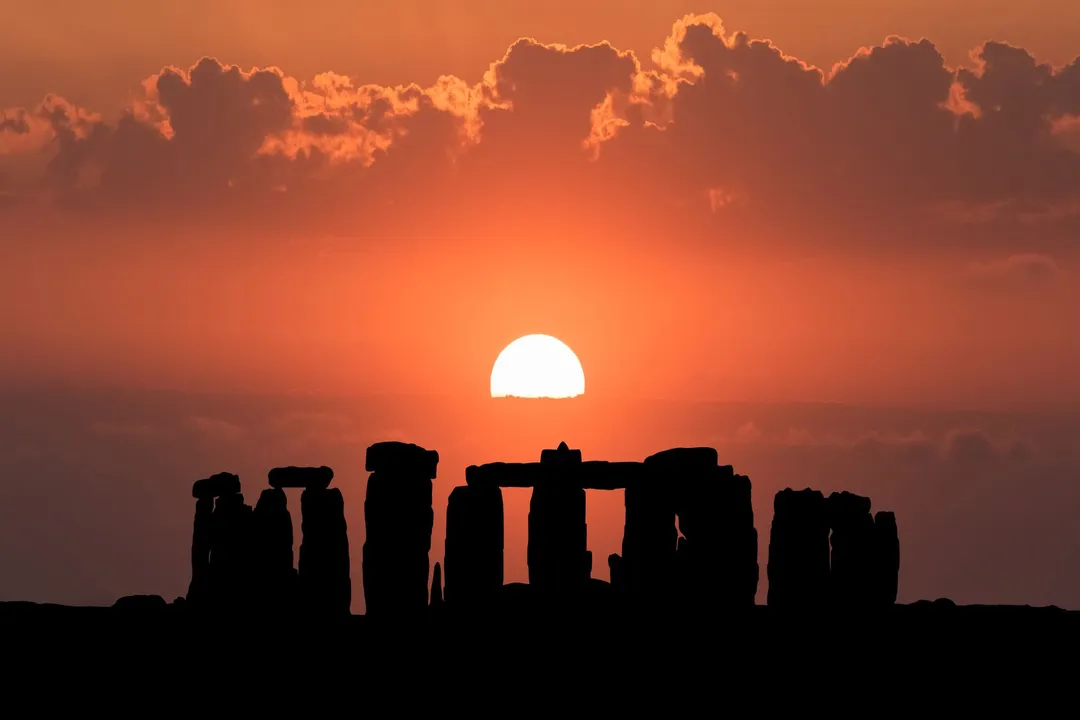
Understanding why one day outpaces all others requires looking beyond Earth's elliptical orbit and focusing instead on its axial tilt—a constant lean of about 23.5 degrees relative to the plane of its orbit around the sun. [10] During the June Solstice, this tilt positions the Northern Hemisphere to receive the sun's most direct rays. [10]
Specifically, the sun shines directly overhead at the Tropic of Cancer, which sits at roughly 23.5 degrees North latitude. [8] When the sun is directly over this line, the Northern Hemisphere experiences its longest period of daylight. [8] Conversely, at this exact moment, the Southern Hemisphere is tilted maximally away from the sun, resulting in its shortest day and the start of its astronomical winter. [4] This is the fundamental cause of the seasons: the varying angle at which sunlight strikes the Earth's surface throughout the year. [6]
While the solstice dictates the longest period of daylight, it is not necessarily the day the Northern Hemisphere experiences the absolute hottest temperatures. This discrepancy is a common point of confusion. The day with the maximum duration of sunlight is the solstice, but the day with the highest average temperature usually occurs several weeks later. This is due to thermal inertia. [5] Oceans and large landmasses take time to absorb and reradiate the massive amounts of solar energy they collect throughout late spring and early summer. Think of it like filling a bathtub: the water level keeps rising even after you have turned the faucet down slightly because the water already in the tub continues to accumulate volume for a short period. Similarly, the Earth system continues to warm significantly after the peak incoming solar radiation day. [5]
# Sunlight Coverage
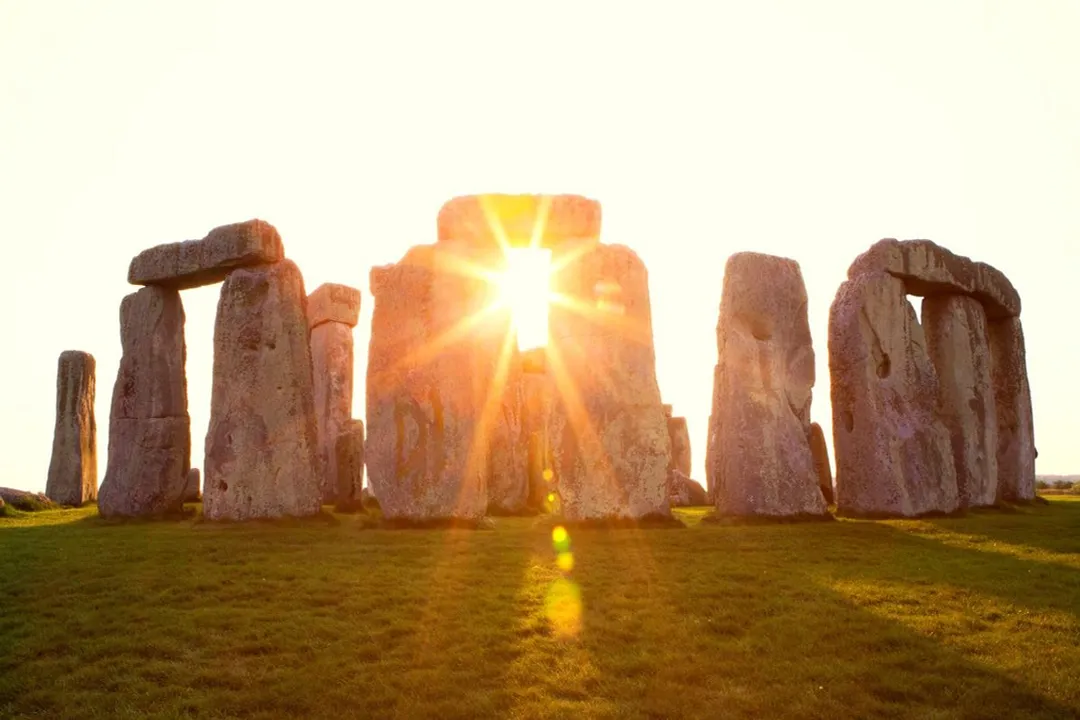
The difference in daylight hours between the longest day and the shortest day can be quite dramatic, especially as one moves further away from the equator toward the poles. [4] While exact measurements vary by latitude, locations in the Northern Hemisphere might see around 14 hours of daylight or more near the solstice, as noted anecdotally for the day itself. [9]
For populations living closer to the Arctic Circle, the effect is even more pronounced, sometimes resulting in nearly 24 hours of sunlight, a phenomenon known as the "midnight sun". [4] Conversely, the Southern Hemisphere at this time experiences its shortest daylight hours, often with sunrises occurring much later and sunsets much earlier. [6] This global distribution of light is not entirely uniform; the EarthSky report notes that on this peak day, almost everyone on the planet experiences some form of daylight, with 99% of the global population receiving sunlight. [3]
# Latitude Effects
To better illustrate how the geographic position dictates the "brightest" experience, consider this simplified comparison:
| Location (NH Summer Solstice) | Approx. Daylight Duration | Primary Factor |
|---|---|---|
| Equator (0° N) | ~12 hours, 7 minutes | Sun is nearly perpendicular to the terminator line. |
| Mid-Latitude (e.g., 40° N) | ~14.5 to 15 hours | Significant tilt toward the sun. |
| Arctic Circle (66.5° N) | ~24 hours | Continuous exposure above the horizon. |
Even the character of the darkness changes. In places experiencing extremely long days near the solstice, the traditional concept of night vanishes. Instead of a dark period, there are extended periods of twilight where the sun dips just below the horizon before rising again shortly thereafter, leading to skies that remain bright well past what most people consider evening. [4] The duration of nautical or astronomical twilight can stretch for hours, meaning that for the upper latitudes, the "brightest" period is actually a stretched-out window of weak light lasting nearly all 24 hours.
# Celestial Pause
The consistent date range associated with the solstice—June 20, 21, or 22 for the Northern Hemisphere—is an expected part of the annual cycle. [7] However, the exact time shifts slightly year to year. This variability is not due to the Earth's tilt changing, but rather due to the mechanics of our calendar system. The Gregorian calendar year of 365 days is slightly shorter than the time it actually takes Earth to complete one orbit, which is about 365.24 days. [10] The extra quarter-day accumulates, requiring leap years to correct the timing, which causes the solstice date and time to drift slightly before being corrected every four years. [10]
Furthermore, the Earth's orbit is an ellipse, not a perfect circle. Because of this, the Earth moves faster along its path when it is closer to the sun (perihelion, which occurs in early January) and slower when it is farther away (aphelion, in early July). [5] This variation in orbital speed subtly influences the exact moment the sun appears to "stand still" relative to our position on the ground, even if the degree of the tilt remains constant for that day. [5]

# Seasonal Lag
While the solstice marks the longest day, the amount of incoming solar radiation actually peaks slightly after the June Solstice in the Northern Hemisphere. This is the aforementioned thermal lag, which applies not just to peak temperature but also to the peak average daily energy gain. The incoming energy is a function of both the angle of incidence (determined by the solstice) and the duration of the day. Because the days immediately following the solstice are still extremely long, the incremental energy added over 24 hours continues to accumulate faster than the energy lost to space, keeping the warming trend going for weeks.
This distinction between the longest day and the day of maximum energy input has real-world implications for planning and resource management, particularly in fields reliant on solar power or agricultural projections. If one were looking for the single day that delivered the most total kilowatt-hours of potential solar energy from a fixed panel, the absolute peak might actually occur a week or two after the astronomical solstice, depending heavily on cloud cover and local climate factors. [5] For the casual observer, however, the solstice remains the undeniable marker of the year's maximum daylight potential.
The celebration of this day throughout history reflects its fundamental importance to agrarian societies. Having the most daylight meant the longest possible working hours for planting, tending, and harvesting crops. [4] It was, and remains, a powerful astronomical benchmark signaling a transition in nature, even if modern life obscures the immediate necessity of that extra hour of daylight for daily survival.
Related Questions
#Citations
July 8 Is The Brightest Day On Planet Earth; See Why - 96.3 KKLZ
July 8th is the brightest day on earth - Facebook
99% of the world's population in sunlight July 8 … and other dates
Summer solstice - Wikipedia
The Brightest Sun and the Darkest Morning of the Year
The Seasons, the Equinox, and the Solstices
What to know about the summer solstice, the longest, brightest day ...
The summer solstice: What is it and when does it occur? - Space
Sun Sends an Early Earth Day Greeting - NASA Science