What is the brightest day ever recorded?
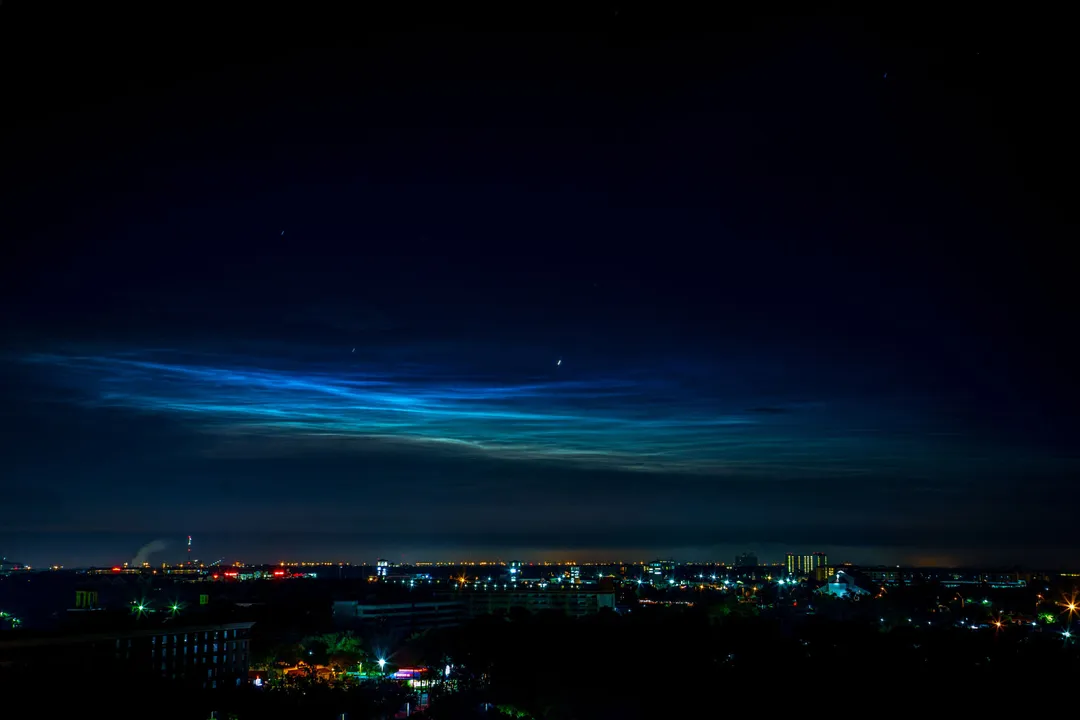
The concept of the "brightest day ever recorded" immediately sends us searching through astronomical archives, as the very notion suggests an event so luminous it outshone the Sun—which is impossible for any known stellar event observed on Earth. However, if we interpret the question as the brightest celestial phenomenon witnessed by humanity, the answer points emphatically toward a supernova explosion that lit up the skies nearly a thousand years ago. [2][9] If the question implies the brightest terrestrial light show, then a massive geomagnetic storm from 1859 enters the discussion. [3][5] Pinpointing a single "brightest day" requires differentiating between a distant, immensely energetic explosion and an event that flooded our own atmosphere with light.
# Supernova Record
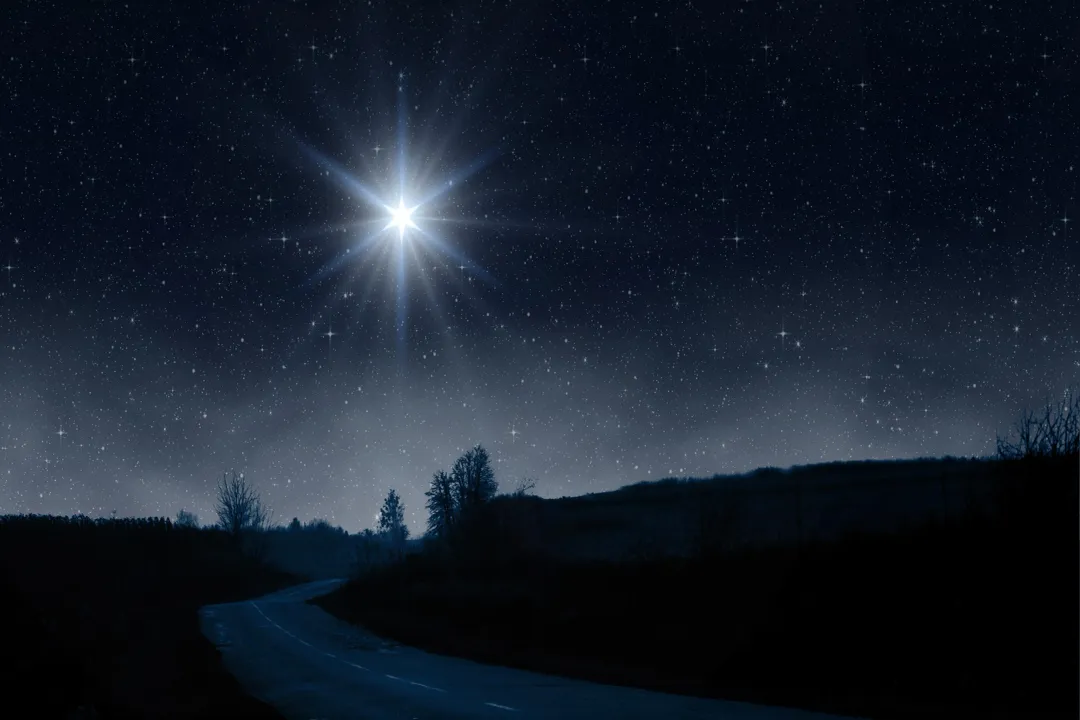
The event most frequently cited as the brightest celestial occurrence known to history is a supernova observed in the year 1006 AD. [2][9] This supernova, designated SN 1006, remains the brightest recorded stellar event in nearly a millennium. [2][9] It was a colossal explosion, marking the death of a massive star, located approximately 7,150 light-years away in the constellation of Centaurus. [2]
While the light from this explosion traveled for millennia, its arrival created a spectacular and unprecedented sight for observers on Earth. [2] The energy released was staggering. For comparison, its peak apparent magnitude was estimated to be between -7.5 and -6.0. [2] To put this astonishing figure into perspective, the full moon shines at about -12.7, while Venus, often the brightest object after the moon, hovers around -4.6. [2] A magnitude of -7.5 meant that SN 1006 was significantly brighter than Venus, appearing as a dazzling, unmistakable beacon in the sky. [2] This immense difference in brightness highlights the extreme power of the ancient explosion compared to the familiar celestial lights we observe today.
# Historical Sightings
What makes SN 1006 so remarkable is that it was not just visible, but dazzlingly visible during daylight hours. [7] Observers across vast swathes of the globe recorded the sighting, providing a rich, cross-cultural record that lends credence to its exceptional brightness. [2]
Chinese astronomers logged the event in their records, noting a "guest star" that appeared in the southern sky during the spring of 1006. [2] Simultaneously, chroniclers in the Middle East, particularly in Egypt and Iraq, documented the sighting. [2] The historian Ibn Sina, known in the West as Avicenna, and other Arab writers noted its brilliance. [2] Even in Europe, records confirm its visibility, with some manuscripts describing it as a blinding light. [7][1] This widespread documentation, spanning continents and cultures, confirms that the event was not a localized atmospheric quirk but a major, undeniable astronomical phenomenon visible across the daytime sky for months. [2] Had Earth a modern degree of light pollution, capturing the nuances of such a faint (by supernova standards) but bright (by Venus standards) object would be far more complex; the pristine, dark skies of the 11th century allowed for a pure, unadulterated record of its luminosity. [7]
# Measuring Light
When astronomers discuss these records today, they rely on interpreting those historical descriptions—the apparent magnitude—to classify the event. [2] This measurement indicates how bright an object appears from Earth, which is a combination of the object's true intrinsic luminosity and its distance from us. [6] SN 1006 is classified as a Type Ia supernova, meaning it resulted from a white dwarf star in a binary system that accumulated too much mass from its companion, triggering a runaway thermonuclear explosion. [2]
The study of its remnants, often seen in X-ray and radio wavelengths today, allows scientists to refine estimates of its initial outburst energy. [2] While we have since seen other bright supernovae, such as those in the Large Magellanic Cloud, none have matched the sheer apparent brightness of SN 1006 as seen from our vantage point. [9] It remains the gold standard against which other recorded stellar explosions are measured. [9]
# Solar Flare
Shifting focus from deep space to our own solar system, the brightest atmospheric display that has been meticulously recorded comes from the Carrington Event of 1859. [3][5] This was not a steady light source like a star, but a sudden, immense geomagnetic storm caused by a massive coronal mass ejection (CME) hitting Earth's magnetosphere. [3][5]
While the supernova provided constant, intense light for weeks or months, the Carrington Event caused spectacular, widespread auroras that were visible far outside their usual polar zones. [5] Reports from places like Cuba, Hawaii, and even the American Southwest described the night sky as being bathed in a fiery red and green glow, bright enough to read newspapers by, even near the equator. [5] This phenomenon is a testament to the sheer power of the Sun's interaction with our atmosphere, proving that Earth itself can produce light visible across entire continents, even if the source is external energy rather than internal stellar collapse. [3]

# Two Kinds
It is crucial to separate these two record-holders. SN 1006 was the light of an exploding star, an object billions of times more luminous than the Sun, whose light traveled across the galaxy to reach us. [6][2] Its brightness was absolute in terms of stellar events witnessed. The Carrington Event, conversely, was an atmospheric phenomenon—the aurora borealis and australis reaching unprecedented latitudes and intensities. [3]
Imagine the historical context: If you were alive during SN 1006, you were looking up at a new, persistent star that outshone every other star in the sky combined, visible in daylight. [7] If you were alive during the Carrington Event, the very sky appeared to catch fire at night. [5] The two events represent different extremes of celestial influence on Earth: one is the blinding light of cosmic destruction seen across space, and the other is the dramatic, colorful interaction of solar plasma with our planet's protective magnetic shield. [3] For understanding the absolute brightest point of light recorded by human eyes, SN 1006 stands supreme, a ghostly echo of stellar demise illuminating the medieval world. [9] The Carrington Event, while less intrinsically powerful, demonstrates the maximum light pollution a geomagnetic event can inflict upon our night skies today, offering a relevant danger scenario for our modern, electrified world. [5]
Related Questions
#Citations
This is how the brightest Supernova ever [SN 1006] appeared in the ...
The Brightest Supernova Ever Recorded Lit Up The Sky On ... - Forbes
Carrington Event - Wikipedia
Supernova SN 1006: Cause of brightest stellar event in recorded ...
If the Biggest Solar Storm in History Happened Today
This Is the Brightest Supernova Ever Observed, and It's Magnificent
What was the brightest stellar event ever recorded?
A SUPERNOVA IN 1006 IS CALLED BRIGHTEST - The New York ...
Brightest supernova | Guinness World Records