Why is today the darkest day of the year?
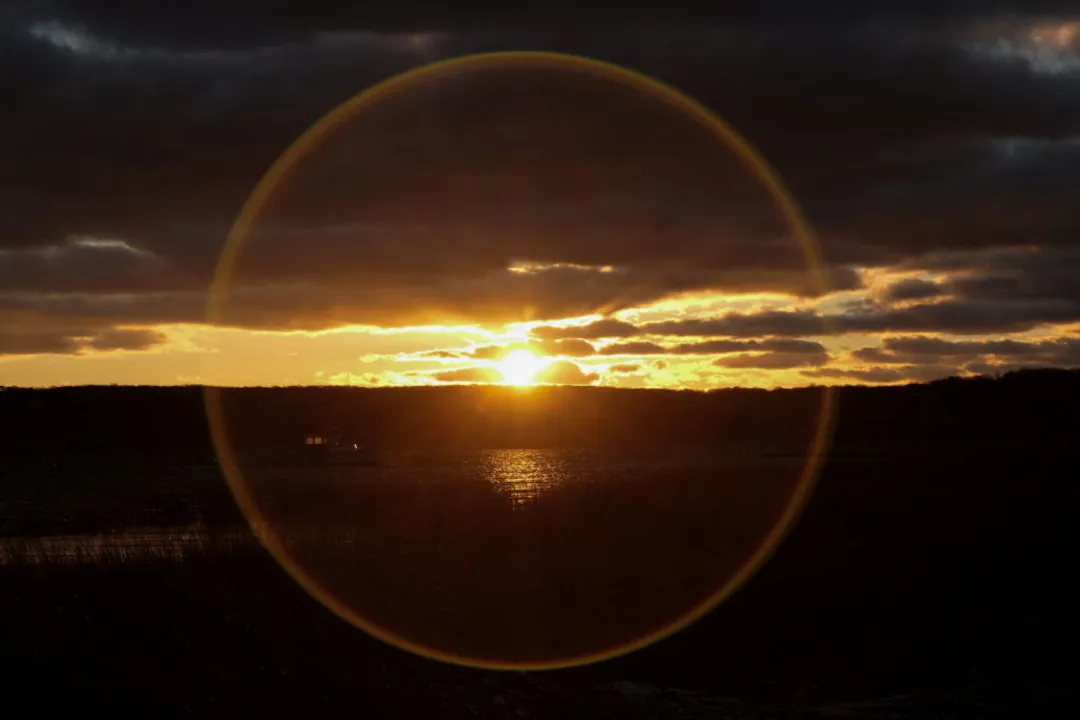
The designation of today as the darkest day of the year points directly to a precise astronomical event that dictates the rhythm of our seasons in the Northern Hemisphere: the Winter Solstice. [1][6] This day is defined not by an arbitrary clock setting, but by geometry—it is the moment when the Earth’s North Pole reaches its maximum tilt away from the Sun. [1] Consequently, this point in the annual cycle yields the shortest period of daylight we will experience until the cycle completes itself again. [1][3][4]
# Axial Tilt Science
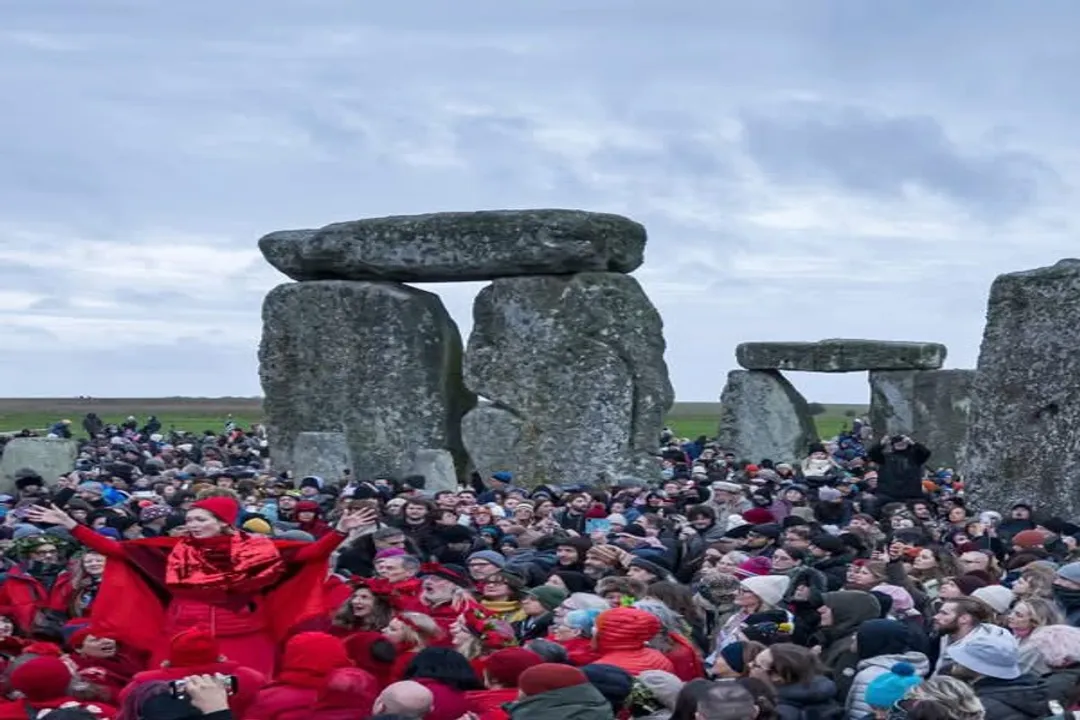
Understanding why this specific day feels the darkest requires looking at our planet’s orientation. Earth does not orbit the Sun perfectly upright; its rotational axis is tilted by about $23.5$ degrees relative to its orbital plane. [1] As the Earth travels around the Sun, this fixed tilt means that during the Northern Hemisphere’s winter months, the North Pole leans away from the Sun’s direct rays. [1]
During the Winter Solstice, the Sun’s most southerly declination is reached, appearing lowest in the sky at noon for observers in the Northern Hemisphere. [1] This low arc across the sky translates directly into fewer hours of sunlight, resulting in the longest night and the shortest day. [1][6] For those living in temperate latitudes, this can mean daylight hours dropping below ten hours, depending on how far north one is located. [2] The further north one travels, the more pronounced this effect becomes, leading to extreme differences in daylight duration near the Arctic Circle. [2]
# Hemisphere Split

While we in the northern zones are experiencing our maximum shadow, it is important to remember that our planetary experience is not uniform. [1] The Winter Solstice in the Northern Hemisphere is occurring at the exact same instant as the Summer Solstice in the Southern Hemisphere. [1] This means that while regions like Canada, Europe, and the United States are settling in for the longest night, countries in the Southern Hemisphere, such as Australia and Argentina, are experiencing their longest day and shortest night of the year. [1] This simultaneous duality highlights the simple mechanics of Earth’s tilt relative to its star, providing a global measure of light and dark across the hemispheres. [1]
# Timing Details

It is a common misconception that the day with the earliest sunset is always the same day as the Winter Solstice. While the solstice marks the point of the least direct sunlight, the timing of sunrise and sunset shifts slightly around this date. [2] The actual earliest sunset often occurs a few days before the solstice, and the latest sunrise typically happens a few days after it. [2]
This small discrepancy arises from the difference between two measures of time: solar time and mean time. [2] Solar time is based on the actual position of the Sun in the sky, which varies slightly because the Earth’s orbit is not a perfect circle—it is slightly elliptical—and because of the tilt of the Earth’s axis, an effect known as the Equation of Time. [2] When averaged over the year, we create mean solar time, which is what our clocks follow. [2] Because of this subtle, recurring mismatch, the period around the solstice involves an acceleration and deceleration in the apparent speed of the Sun, meaning the shortest day (least total daylight) doesn't perfectly align with the day that feels darkest due to early evening dimming. [2] For instance, if you live in a northern city like Boston, the sunset time might shift noticeably later only after the solstice has passed, even though the maximum amount of daylight was lost on the solstice itself. [2]
This lingering perception of deep darkness, even as the astronomical turn has been made, can be a psychological hurdle for many. We notice the late sunsets far more than the slightly earlier sunrises during the depths of winter. [2]
# Ancient Celebrations
Long before precise astronomical measurement, cultures across the globe recognized the dramatic shift in daylight that the solstice represented. [8][9] For ancient peoples whose lives were tethered to agriculture and the available hours of light, this day was profoundly significant. [8] Many civilizations developed traditions centered around the solstice, often involving light, fire, and feasting to celebrate the turning point and welcome the slow return of the Sun’s strength. [5][8]
These observations were not just passive acknowledgment; they were active rituals to ensure the Sun would return. For instance, historical records suggest that various cultures marked the occasion with specific observances, often involving candles or bonfires, symbolically encouraging the light to overcome the darkness. [8][9] While modern scheduling makes the exact day easy to pinpoint, the underlying human recognition of this annual rebirth remains a powerful cultural marker. [8]

# Brighter Days
Perhaps the most hopeful aspect of the Winter Solstice is what it signifies for the immediate future. Once the Earth reaches that point of maximum tilt away from the Sun, the slow, steady process of returning light begins. [3][4][8] Starting the day after the solstice, the Northern Hemisphere receives infinitesimally more daylight each successive 24-hour period. [3][4]
This increase is microscopic at first—often just a matter of seconds added back to the daylight hours—but it is mathematically guaranteed. [3] Over the next few weeks and months, that minuscule gain accumulates, leading to noticeably longer days as we approach the Vernal (Spring) Equinox. [3] It is a reminder that even at the deepest point of winter’s shadow, the celestial clock is already ticking toward spring. [4] For those looking for a tangible way to track this change, instead of solely relying on the calendar date, try noting the time of sunset each day for a week following the solstice. You will observe the evening darkness retreating slightly, confirming the Sun's northward shift in its path. [2]
If we consider the annual cycle not just in terms of total hours but in terms of quality of light, one can begin to appreciate the change even before the calendar confirms it. On the darkest day, the quality of the midday sun is often low and weak, casting long, stark shadows. As we move into January, even though the total daylight hours are still short, the angle of the midday sun begins to climb just enough to pierce the gloom with a slightly warmer quality of illumination, signaling an atmospheric shift alongside the astronomical one. Paying attention to this subtle change in the feel of the light, rather than just the duration on a clock, offers a more engaging way to experience the lengthening days.
The scientific basis for the shortest day is sound, resting entirely on the tilt of our planet. [1] But the significance of the solstice lies in its promise: that the darkest day is also the inevitable turning point toward the abundance of light to come. [3][4]
Related Questions
#Citations
Winter solstice is nearly upon the Northern Hemisphere. Here's what ...
The Darkest Time of the Year (and the Earliest Sunsets)
Yes the darkest day of the year is here, but that means brighter days ...
Here's a closer look at the 2025 winter solstice - YouTube
The shortest day of the year has arrived. Here's what to know - The Hill
Why today is always special The darkest day of the year ... - Instagram