What is special about the Hunter's moon?
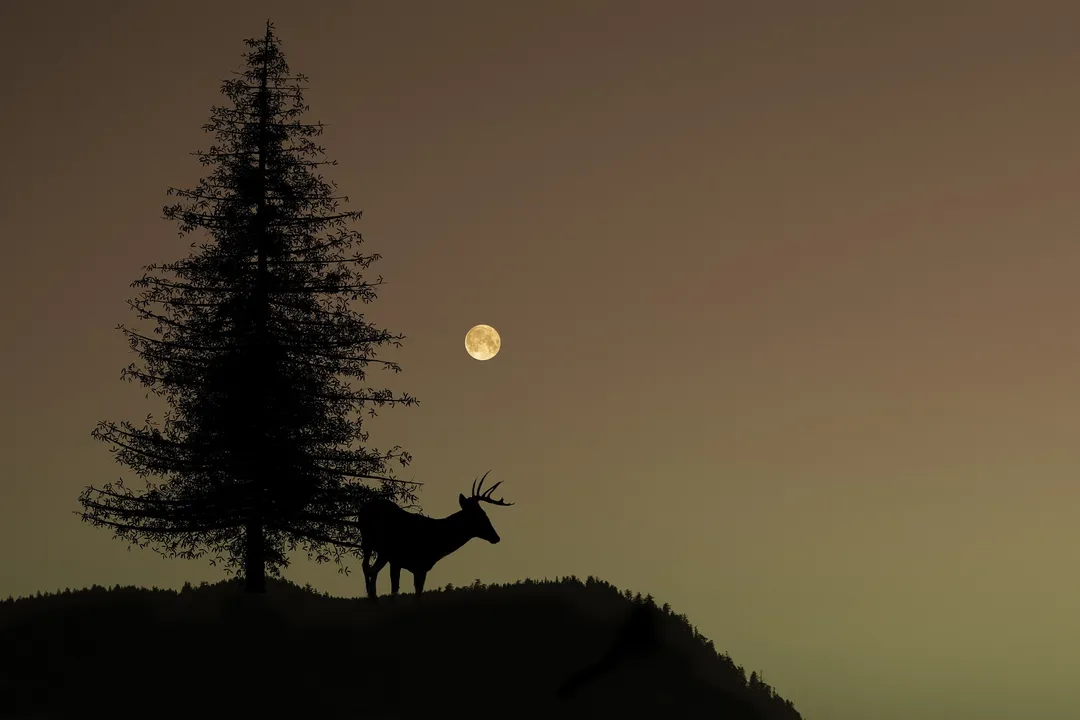
The Hunter's Moon holds a distinct place in the calendar of full moons, not because of a singular dramatic celestial event, but because of its predictable, practical gift of light delivered just as the year begins to grow darker. [1][2][5] It is defined contextually: it is the full moon that immediately follows the Harvest Moon, which is the full moon nearest the autumnal equinox. [1][2] This means the Hunter's Moon most often shines down in October, though depending on when the equinox falls, it can sometimes be observed in early November. [1][2] Its special nature lies in the precise relationship between that particular moon phase and the angle of the moon's path across the sky during the fall months. [1][5]
# Naming Origin
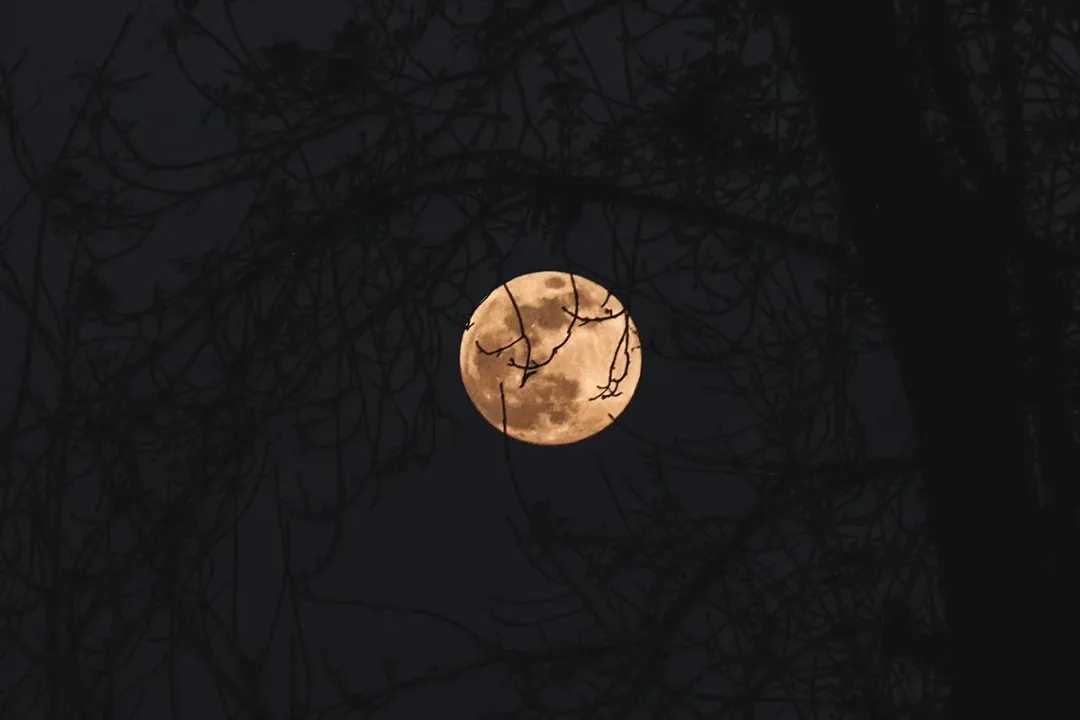
The name itself speaks directly to utility and survival. Various indigenous cultures, including the Algonquin tribes, assigned names to the full moons to track the seasons and guide necessary activities throughout the year. [7][9] The Hunter's Moon was specifically named for the season when game animals were fattened up by the final harvests and were ready to be hunted to stock provisions for the lean winter months ahead. [2][5][9] The bright light afforded by this specific full moon was invaluable; it provided hunters with extended visibility during the short days of late autumn, allowing them to see their prey more easily during nighttime excursions or while tracking game in the twilight hours. [1][5] It marks the final push for gathering resources before the deep freeze sets in. [2]
# Orbital Mechanics
What sets the Hunter's Moon apart astronomically, much like its predecessor the Harvest Moon, is the way the Moon intersects the ecliptic plane during this time of year. [1] Normally, the rising of the Moon is staggered each night, often rising an hour or more after sunset. [2] However, in the autumn, the Moon’s orbital path makes a relatively shallow angle with the horizon. [1][2] Because of this shallower tilt, for several nights surrounding the full phase, the Moon rises very close to the time the sun sets. [1][5] This proximity means that observers are treated to several consecutive evenings where twilight gives way to bright moonlight in rapid succession, granting what feels like an extended period of usable evening light. [2][5] This repeated, near-daily appearance of the moon shortly after dusk is the physical phenomenon that cemented the moon's functional name in many traditions. [1]
# Seasonal Timing
The relationship between the Harvest Moon and the Hunter's Moon illustrates a subtle but important seasonal shift captured by ancient sky-watchers. [1] If the Harvest Moon (the closest full moon to the equinox) occurs in late September, the Hunter’s Moon falls firmly in October. [1] If the equinox happens later, pushing the Harvest Moon into October, then the Hunter's Moon occurs in November. [2] This distinction shows that the naming system prioritizes the sequence of events tied to environmental readiness over a fixed calendar month. [1] If we map this back to historical settlement patterns, the Hunter's Moon offered a crucial five-to-seven-day extension of usable light immediately following the last major agricultural push (represented by the Harvest Moon), directly influencing the timeline for setting traps or beginning final migration or winter preparation activities for pre-modern societies that relied heavily on natural light cycles for evening work or travel.
# Moon Appearance
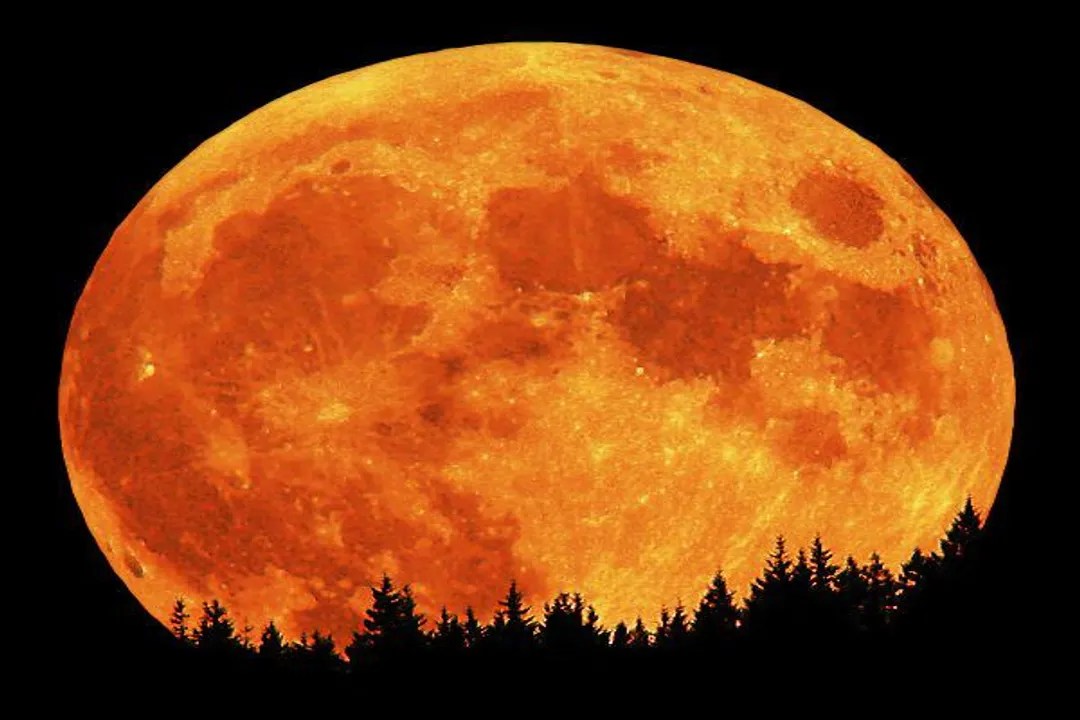
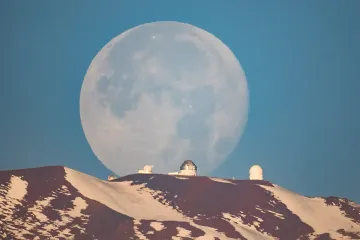
When the Hunter's Moon is near the horizon, which it is for those crucial first few nights after it turns full, it often displays a striking coloration. [6] Like any moon viewed low in the sky, the light must travel through a greater thickness of Earth’s atmosphere. [6] This atmospheric path scatters the shorter, blue wavelengths of light, allowing the longer, warmer wavelengths—the oranges and reds—to dominate what reaches our eyes. [6] Consequently, the Hunter's Moon can often appear larger and more deeply tinted, sometimes leading to its general association with the term "Blood Moon," although that specific designation is more accurately reserved for a total lunar eclipse. [7] This dramatic coloration, coupled with its early rise time, makes for particularly compelling viewing opportunities. [6]
# Cultural Echoes
The practice of naming the full moons reflects an expert level of observation and a deep dependence on the natural world. [7] It speaks to an authority in environmental interpretation passed down through generations. [7] While modern life is shielded from the immediate consequences of a dark winter night, the tradition of recognizing the Hunter's Moon serves as a powerful reminder of the ancestral need to read the skies for survival cues. [6] The consistency of this celestial marker across various Native American traditions underscores a shared human experience of tracking seasonal change through astronomical events. [7][9]
While few of us are actively hunting by moonlight today, the phenomenon still offers modern observers a unique, predictable period of extended twilight that lasts several nights, providing an excellent, easily observable celestial event that doesn't require specialized equipment, unlike meteor showers or faint nebulae. It’s a reliable annual gift of light that connects the present day to ancient rhythms. [5] The Hunter's Moon remains special because it is an intersection of celestial mechanics and historical human necessity, a moment when the sky literally bent its schedule to offer a helping hand to those preparing for the coming scarcity. [1][2]
Related Questions
#Citations
What Makes the Hunter's Moon Special? | Almanac.com
Super Hunter's Moon – 2025's brightest full moon – on November 5-6
The Hunter's Moon: Magical Significance and Effects - Facebook
What is a Hunter's Moon? - Mossy Oak
The Hunter's Moon – Moon: NASA Science
Illuminating the Hunter's Moon: Magic, Lore, and Cultural Significance
TIL: The Blood Moon, or Hunter's Moon, was given its name ... - Reddit
What is a Hunter's Moon? - Universe Today
Why is it called the Hunter's Moon? The story behind full moon names