What is a really bright light in the sky?
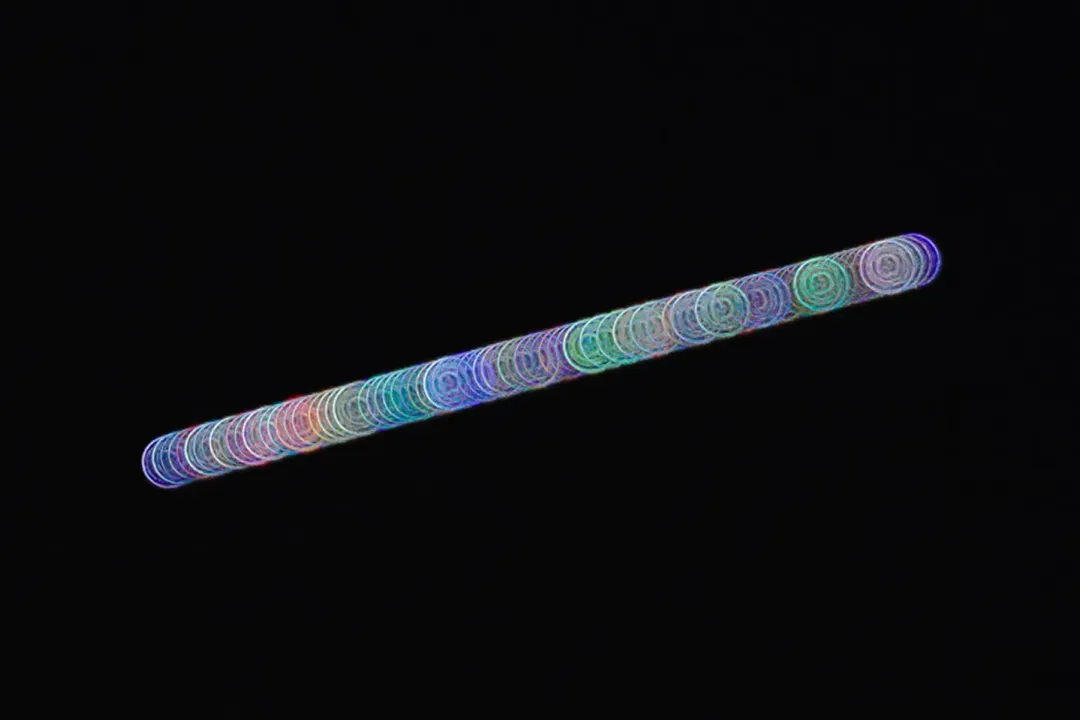
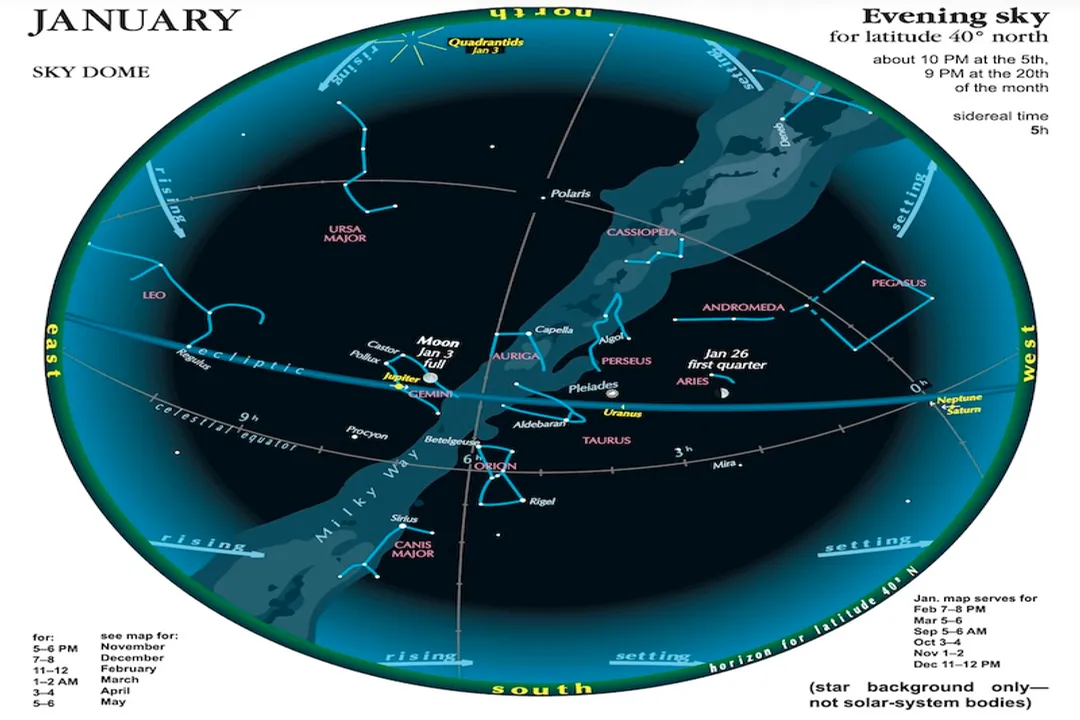
Seeing a dazzling, unmoving light in the night sky, perhaps brighter than any star and second only to the Moon, is a common experience that prompts immediate curiosity. People often look up and wonder if they are witnessing an astronomical event, a piece of technology, or something entirely new. This brilliant beacon can sometimes appear stationary, creating a distinct difference from the fleeting streaks of a meteor or the steady movement of an airplane. Pinpointing exactly what that light is requires a bit of detective work, considering factors like its color, movement, and when you saw it in relation to sunset or sunrise.
# Brightest Visitors
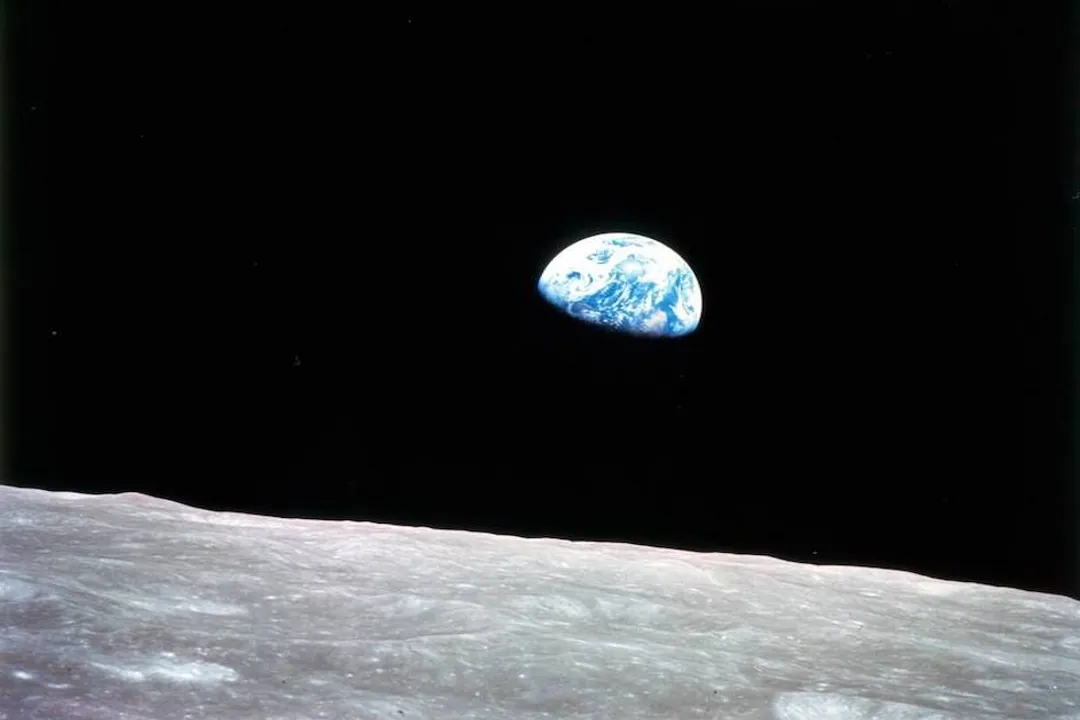
The most frequent culprit for an exceptionally bright, stationary light source is often one of our planetary neighbors. Planets shine because they reflect sunlight, and because they are relatively close to Earth and appear as disks rather than points of light (like distant stars), they can achieve remarkable brilliance in our night sky.
# Planetary Candidates
Several planets regularly compete for the title of "brightest light after the Moon". Venus is frequently cited as the most spectacular, often appearing dazzlingly bright and unmistakable in the twilight hours, either shortly after sunset or before sunrise. Its brightness comes from its thick, reflective cloud cover. Another major contender is Jupiter, which is consistently visible and offers a very bright, steady glow. Mars and Saturn can also put on a good show, though generally not reaching the extreme brilliance of Venus or Jupiter. Mercury is also visible but tends to stay close to the horizon and is visible for shorter periods.
It is helpful to recognize the general behavior of these celestial bodies. Unlike most stars that twinkle due to atmospheric disturbances, planets often present a steadier light because they appear larger in the sky. When observing these lights, note the time of day. If the light is visible in the early evening or predawn sky, it strongly suggests a bright planet like Venus. One observer noted seeing a light that was the absolute brightest after the moon, suggesting it was indeed a planet.
# Tracking the Wanderers
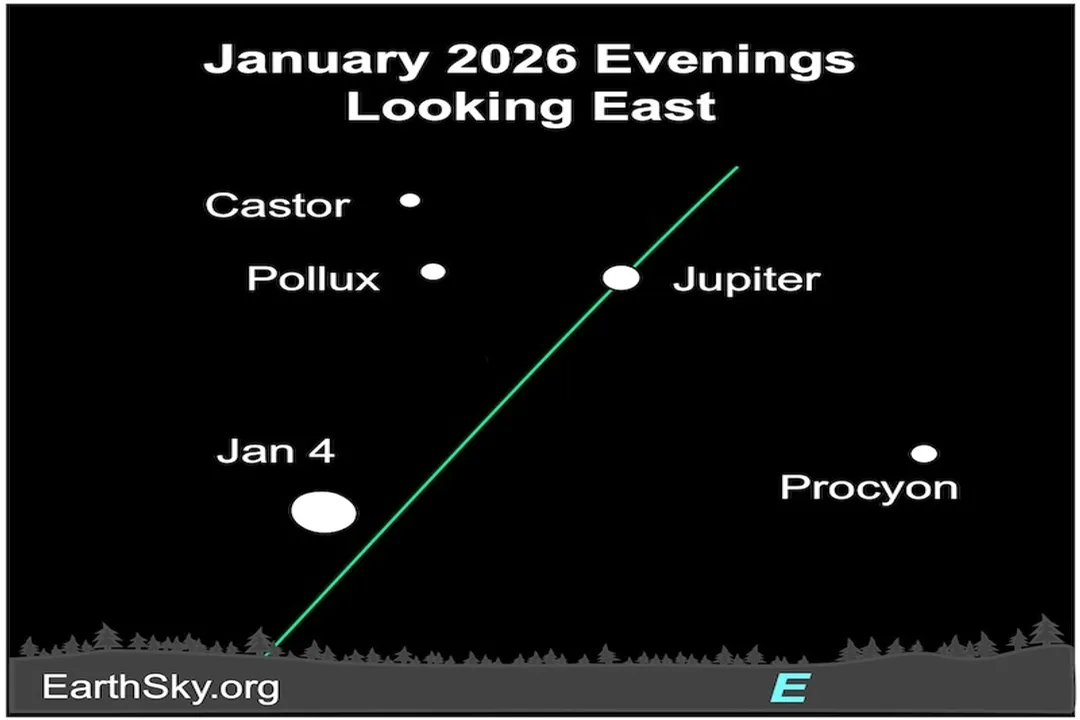
Understanding when a planet is visible requires checking current astronomical reports, as their positions in the sky change throughout the year depending on their orbits relative to Earth. For instance, during certain periods, Jupiter might be easily spotted low in the east or west. Being able to name the brightest object you see allows for a quick identification. If the object is a known planet and it is exhibiting its typical steady light, the mystery is largely solved. Conversely, if you see a moving light that seems to change position relative to the background stars over the course of an hour, it confirms it is not a distant star but rather something within our solar system or closer, like a satellite.
# Moving Lights
If the bright light is moving across the sky, the possibilities shift away from the classical, stationary planets toward objects orbiting much closer to Earth. This movement is the key differentiator between a planet and a satellite or aircraft.
# Satellite Passages
Many brilliant lights seen moving overhead are, in fact, satellites reflecting sunlight. These are distinct from the usual, twinkling lights of distant airplanes because satellites typically move much faster and do not flash their navigation lights. They maintain a very consistent speed and direction across the field of view. The visual quality of a satellite pass can be startling; one person described a satellite as a very bright, moving light, almost like a slow-moving star that suddenly started tracing a path across the darkness. Sometimes, these can be incredibly bright, especially if they are large objects or if they pass just as the Sun is illuminating them from below the horizon—a phenomenon that can make them seem far brighter than a typical star. A key difference to watch for is whether the light disappears abruptly; if it does, it might have passed into Earth’s shadow, which is characteristic of an orbiting object rather than a high-flying plane.
# Aircraft and Drones
Familiar but sometimes mistaken for something more exotic are terrestrial flying machines. Aircraft are usually identifiable by their characteristic flashing lights—red, green, and white strobes—that signal their presence. They also tend to follow flight paths and can be heard if they are close enough. Modern drones, depending on their size and lighting configuration, can also present as slow-moving or hovering bright lights, particularly if they are equipped with navigation LEDs. If you see a light that stops, hovers, or seems to navigate in a non-linear path (i.e., not a straight line across the sky), it leans toward being an aircraft or drone rather than an unpowered satellite passing overhead.
# Transient Flares
Not all bright lights are steady or slowly moving; some are extremely fast and brief, often referred to as shooting stars or fireballs.
# Meteors and Fireballs
A meteor is the visible streak of light created when a space rock, or meteoroid, enters the Earth's atmosphere and burns up due to friction. Most are tiny and appear as quick, faint streaks. However, a particularly large or bright meteor is called a fireball or a bolide. These can be startlingly bright, sometimes momentarily outshining Venus. Unlike a satellite, a fireball’s light is entirely transient—lasting only a second or two—and it follows a dramatic, non-uniform trajectory as it burns up. If the light you saw was so fast it was gone almost before you could register it, a fireball is the likely explanation.
It is worth noting the difference in how these events are perceived based on location. In areas with very dark skies, even a moderately bright satellite can seem more prominent than it would against the light pollution of a city.
# Contextual Clues and Observation
Determining the identity of a bright light often comes down to the specific context of the sighting. Experienced observers know that the time of day, the light's color, and its location relative to known celestial landmarks are critical pieces of evidence.
# Observing Conditions
The atmosphere plays a significant role in what we see. Light pollution, for example, can obscure fainter objects but might make a very bright object—like Venus—stand out even more starkly against the orange glow near the horizon. Furthermore, observing near the horizon can cause objects to appear reddish or distorted due to the greater amount of atmosphere the light must travel through to reach your eye.
Consider the area of the sky:
- Near the Sun's Position: Lights visible shortly after sunset or before sunrise are often Venus, as it is an "inner planet" confined to our line of sight with the Sun.
- High in the Sky: Objects high overhead, particularly in the middle of the night, might be high-orbiting satellites or a bright planet like Jupiter.
Here is a simplified guide to help categorize a very bright, single point of light observed recently:
| Characteristic | Likely Cause | Distinguishing Feature |
|---|---|---|
| Stationary or Very Slow Movement | Planet (Venus, Jupiter) | Steady glow; visible near sunrise/sunset |
| Steady Movement Across Sky | Satellite | Moves quickly but without flashing lights; may disappear suddenly into shadow |
| Flashing Lights | Aircraft/Drone | Red/green/white navigation lights visible; often audible |
| Very Fast Streak | Meteor/Fireball | Fleeting, incredibly bright flash that burns out rapidly |
When people report seeing something "exceptionally bright," like a light that rivals the moon, it often points toward Venus, which can indeed be that visually dominant when conditions are right. However, sometimes a newly launched, large satellite or even a particularly close flyby of the International Space Station (ISS) can create a brilliant, moving effect that mimics a slow-moving star just before it crosses into shadow.
# Analyzing Motion
If you are trying to distinguish between a satellite and a planet, you can use the technique of time-lapse observation, which requires a bit of patience. Over the course of 15 to 30 minutes, a planet will move very little relative to the background stars, though it will track a predictable path across the celestial sphere. A satellite, on the other hand, will have traveled a significant distance across your view within that same timeframe, often covering the entire width of a constellation. If you suspect it's a satellite, try to confirm if its light intensity changes; sometimes, a tumbling satellite can reflect sunlight in brief, intense flashes, making it appear to "blink" brightly.
A useful way to interpret observational reports, such as those seen in local community forums, is to cross-reference the reported time and direction with predictive software or online guides. For instance, if multiple people across a region report seeing a bright, moving light at 8:15 PM heading due West, it is highly probable that an object in low Earth orbit, illuminated by the Sun, passed over that area simultaneously. If, however, the sighting was at 10:00 PM and the light was stationary and low in the South, the planetary explanation gains more weight.
# Unusual Sightings
While planets, satellites, and meteors cover the vast majority of bright sky phenomena, there are occasional, more obscure possibilities that observers sometimes mention. Historically, objects like the Iridium satellite flares—caused by large, flat antennas reflecting sunlight—were famous for producing intensely bright, brief flashes, though the constellation of satellites that caused these has since been deorbited or upgraded.
Sometimes, an observation that appears to be a single, bright light is actually multiple objects appearing very close together due to distance or atmospheric distortion, leading to confusion. For example, two bright, slow-moving aircraft or a planet very near a bright star might appear as one intense object until one takes the time to resolve them separately. In cases where observers are unsure if the light was a satellite or a planet, the determining factor often boils down to whether it exhibited any discernible movement against the stellar background over several minutes. If it held perfectly still relative to the stars, it is almost certainly a planet or a very distant, fixed star (though stars are rarely described as "really bright" unless they are planets).
If you are looking at a very bright light and want a quick way to rule out an aircraft, check your phone for apps that display real-time flight tracking or satellite passes based on your GPS location. If a recognized flight path or satellite path intersects your sighting location within a minute or two of when you saw it, you have likely confirmed the identity of your bright light. This cross-referencing between visual observation and public tracking data provides a high degree of confidence in the final assessment of the phenomenon.
#Videos
What's that bright star-like thing in the night sky? - YouTube
Related Questions
#Citations
What Is That Stationary Bright Light in the Sky All Night? It Never ...
What was the bright object I saw in the sky last night?
I keep seeing this light in the sky. I think it's the brightest light after ...
What's that bright star-like thing in the night sky? - YouTube
Visible planets and night sky guide for December and January
What's causing the bright light in the western sky? - Facebook
What Is That Bright Light In The Sky After Sunset? - Forbes
What was that bright light in the sky? - National Space Centre
What could be an explanation for a satellite-like moving light in the ...
People report line of lights in the night sky - WGAL