What do daffodils look like in the fall?
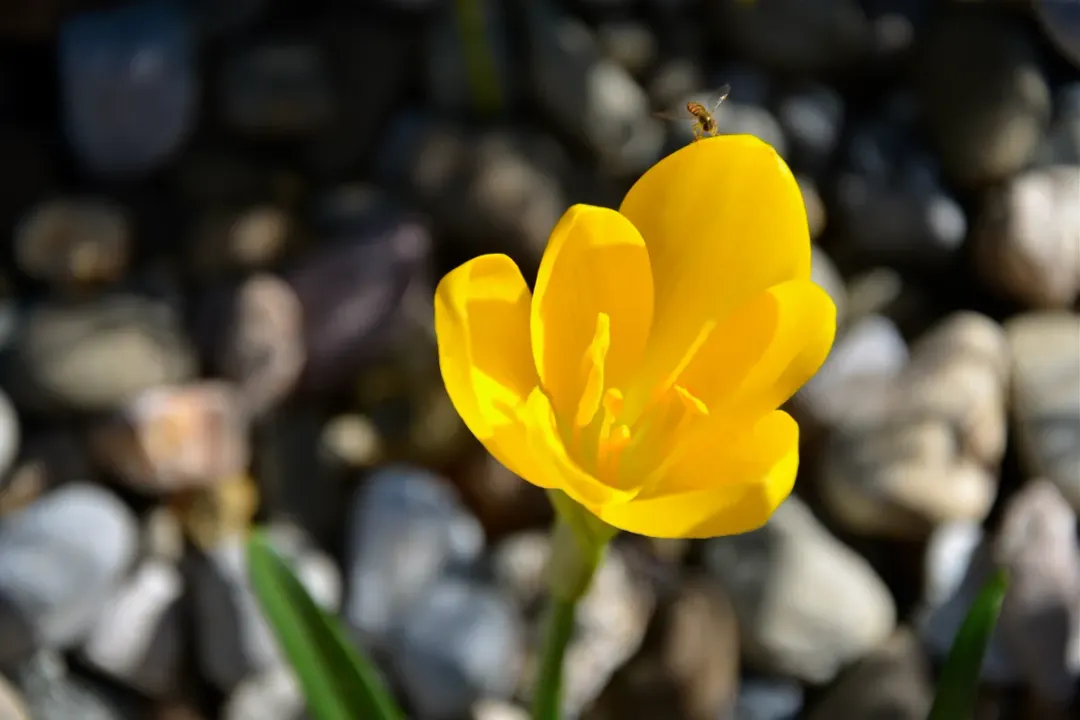
The visual experience of a daffodil in the fall is often surprising to gardeners expecting the sunny yellow displays of springtime. When we talk about daffodils in autumn, we are usually describing one of three scenarios: the emergence of foliage from spring-blooming bulbs that were recently planted, the surprising bloom of true autumn-flowering Narcissus species, or the presence of the very similar-looking Sternbergia lutea, commonly known as the Autumn Daffodil. [1][2][8] The confusion arises because the timing of leaf growth and flowering varies dramatically between these groups. [1][9]
# Crocus Lookalike
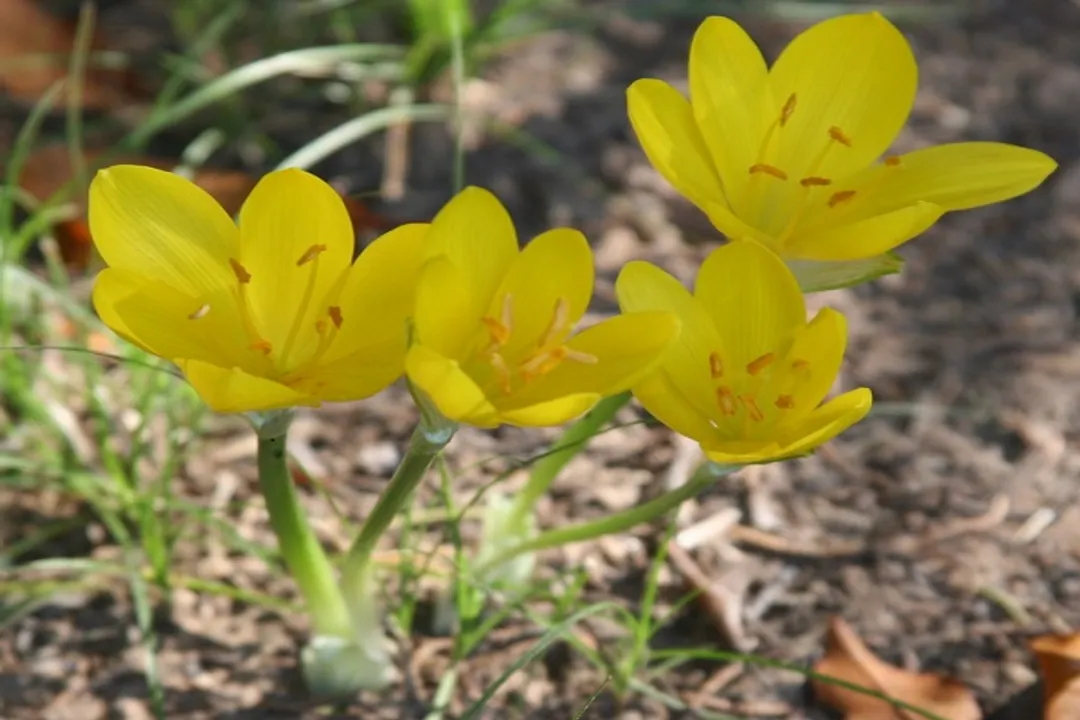
One of the most famous sights masquerading as a late-season daffodil is Sternbergia lutea. [2][7] This plant is often called the Autumn Daffodil, although botanically it belongs to a different genus entirely. [2][7] Its appearance in the fall garden is striking: it produces vivid, bright yellow flowers that strongly resemble crocuses or small daffodils. [2][7]
A key characteristic of Sternbergia lutea is the order in which its parts appear. Unlike the common daffodil that blooms first and then grows its leaves, the Sternbergia typically flowers first, often in September or October, with the foliage emerging after the blooms have appeared. [7] This means that in early to mid-fall, you might see carpets of sunny yellow flowers with very little associated strap-like green foliage nearby, unlike the classic spring scene. [7] The leaves that do emerge are dark green and strap-shaped, much like those of a daffodil, but they remain throughout the fall and winter to build up energy reserves for the following year’s display. [7][9]
# Narcissus Varieties
Beyond Sternbergia, there are actual members of the Narcissus genus that have adapted to flower in the cooler months, long before their main spring cousins. [8] Gardeners looking for true fall-blooming daffodils might seek out specific cultivars that have been bred or selected for this trait. [8] These autumn-blooming Narcissus species often flower in September or October, and in milder climates, some varieties may even bloom into December or January. [9]
For these true fall-blooming Narcissus, the appearance in the fall is distinct from the common spring bulb. Often, these varieties bloom before the leaves are fully developed, or the leaves might be very short and inconspicuous at the time of flowering. [9] You are primarily seeing the flower scape rising directly from the ground in the early season. Once the bloom is finished, the foliage will then develop and persist through the winter months, acting as the energy factory for the bulb just as the Sternbergia foliage does. [9]
Here is a quick comparison of what a gardener might observe in the fall regarding leaf development relative to the flower:
| Plant Type | Typical Fall Appearance | Leaf/Flower Sequence |
|---|---|---|
| Spring Daffodil (Recently Planted) | Early leaf sprouts possible | Leaves appear before spring bloom [1] |
| Sternbergia lutea | Bright yellow, crocus-like flowers | Flowers appear before or alongside leaves [7] |
| Autumn-Blooming Narcissus | True daffodil flowers | Flowers often appear before significant leaf growth [9] |
This timing discrepancy is an important consideration when establishing an autumn bulb garden. If you see a daffodil-like flower in October, it’s either a true autumn Narcissus or a Sternbergia; if you only see grassy leaves poking up without a flower, it is much more likely to be a standard spring variety starting its pre-winter growth phase. [1][9]
# Leaf Sprouting
Perhaps the most common reason someone asks what a daffodil looks like in the fall is because they are noticing unexpected green shoots emerging from the soil long before spring. [1] For the vast majority of the standard daffodils planted for that spectacular March or April show, the fall appearance is strictly foliage, not flower. [1][3]
This early leaf emergence is not uncommon, especially following a warm autumn. Gardeners have reported seeing daffodil leaves popping up as early as October or November. [1] These are the leaves that will sustain the bulb over winter and provide the energy needed for the massive spring bloom. [1] They look exactly like the familiar, strap-like green leaves you see in spring, just happening months ahead of schedule. [1] This phenomenon can sometimes cause concern, making the gardener wonder if they have somehow triggered an early bloom or if the bulb is weakening itself prematurely. [1]
In many cases, this early sprouting is simply the bulb responding to extended periods of warmth and moisture in the late season. The crucial action here is recognizing that these leaves should be left alone. Cutting them off, even if they seem "out of season," deprives the bulb of the necessary carbohydrates it needs to store for a strong showing the following spring. [7] Treating them as a premature sign of spring, rather than a late-season photosynthetic factory, is a common pitfall for new bulb planters.
# Bulb Activity
The fall season is intrinsically linked to the potential of the daffodil, rather than its current display, for most spring-flowering varieties. [3] Fall is the crucial planting window for these bulbs, typically done from September through November, depending on the local hardiness zone. [3] Therefore, what a daffodil "looks like" beneath the surface in the fall is a dormant, hard bulb resting just under the soil, awaiting the cold stratification period before it can initiate spring growth. [3]
This subterranean activity contrasts sharply with the above-ground appearance. If you are planting hundreds of bulbs, as some dedicated gardeners do, the garden surface in the fall might look untouched, perhaps recently tidied from summer growth, while below ground, it is filled with thousands of future flowers. [4] One experienced gardener noted planting two thousand bulbs two autumns prior, illustrating the significant investment of dormant material happening just out of sight during this season. [4]
A helpful analogy for the home gardener involves energy storage. Think of the fall as the grocery shopping and pantry-stocking phase. The spring bloomer needs the fall to establish roots and, if the weather is right, produce some initial leaves to start gathering energy before the deep freeze sets in. [7] The autumn bloomers, conversely, are having their grand party before they go shopping for winter storage. [7][9]

# Post Bloom
For the true autumn bloomers—the Narcissus species or Sternbergia—the fall look shifts after the initial floral flush fades. [7][9] Once the yellow flowers of the Sternbergia are spent, the leaves take over the visible role in the garden landscape throughout the remainder of the fall and into winter. [7] The garden observer will see the deep green, strappy leaves persisting long after the color show has ended. [9]
This lingering foliage is essential. For these fall-flowering types, the leaves must persist until late winter or early spring to ensure the bulb gathers enough resources to rebloom the following autumn. [7] If these leaves yellow and die back too quickly after the bloom—perhaps due to extreme cold or improper care—the bulb will be significantly weakened for the next season. [9]
In the context of established spring bloomers that have just sprouted their leaves early, the foliage continues its job through the fall and into early winter, often remaining semi-evergreen in mild climates. If the fall is unusually warm, the leaves might even look quite lush right up until the first hard frost signals dormancy. [1] The key takeaway for a gardener assessing their fall garden is to be patient; the most significant visual payoff for the vast majority of bulbs planted in the fall will not arrive until the following spring, and anything seen in the autumn is either a specialized species or early foliage preparation. [3] Understanding the difference between the leaf-first growth of spring types and the flower-first display of some autumn types clarifies what you are seeing emerge from the soil. [1][9]
#Videos
Autumn Daffodil Plant Profile - YouTube
Related Questions
#Citations
When Daffodil Leaves Sprout in the Fall - Laidback Gardener
Sternbergia lutea "Autumn Daffodil" - 5 bulbs
Plant Daffodils This Fall - Flower Magazine
I planted 2000 daffodils 2 autumns ago. Here's how they look now!
Daffodils planted by the garden club in fall - Facebook
Autumn Daffodil Plant Profile - YouTube
Sternbergia – The Autumn daffodil - Before You Garden...
Autumn blooming Narcissus - Daffnet.org
[PDF] Fall and Winter Blooming Daffodils | DaffLibrary