What is the most common daffodil?
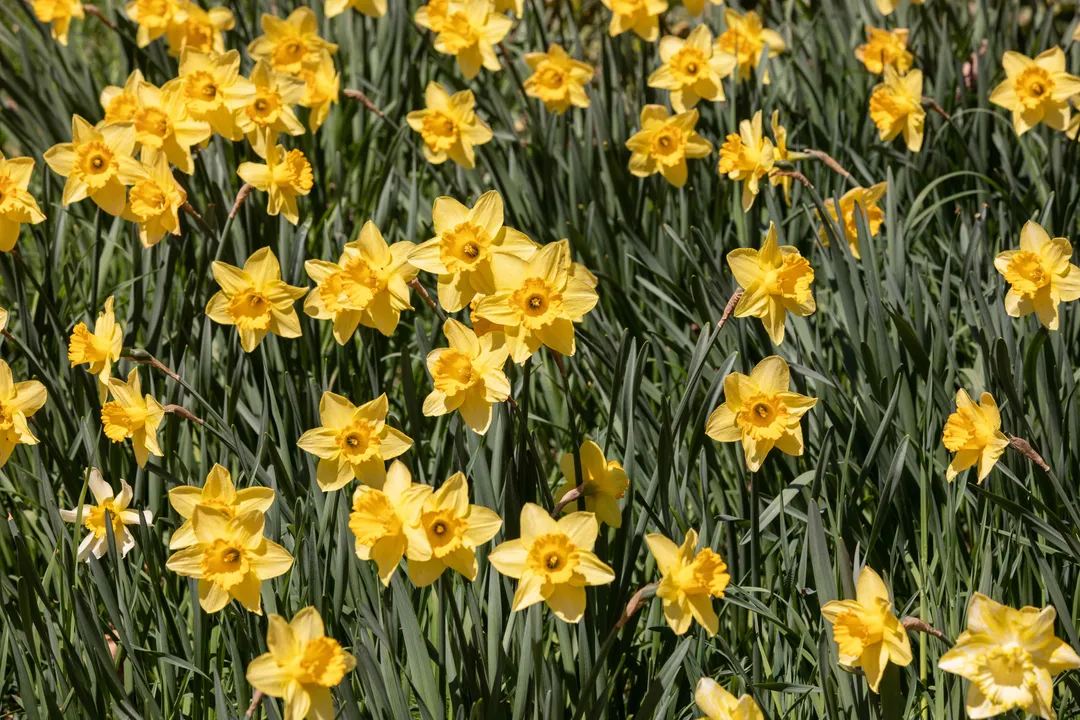
The image of a daffodil—that cheerful, bright yellow bloom erupting from the lawn in early spring—is perhaps the quintessential signal of winter’s end. While gardeners might debate the merits of the latest division ten bloom or the scent of a paperwhite, the real question for many is identifying the flower that forms the backdrop of nearly every spring landscape: what is the most common daffodil? To answer this, we must look past the vast number of named cultivars and consider the species that established the look we recognize globally. The flower we call a daffodil belongs to the genus Narcissus, which encompasses a wide array of trumpet, large-cupped, small-cupped, and double-flowered varieties.
# Genus Identity
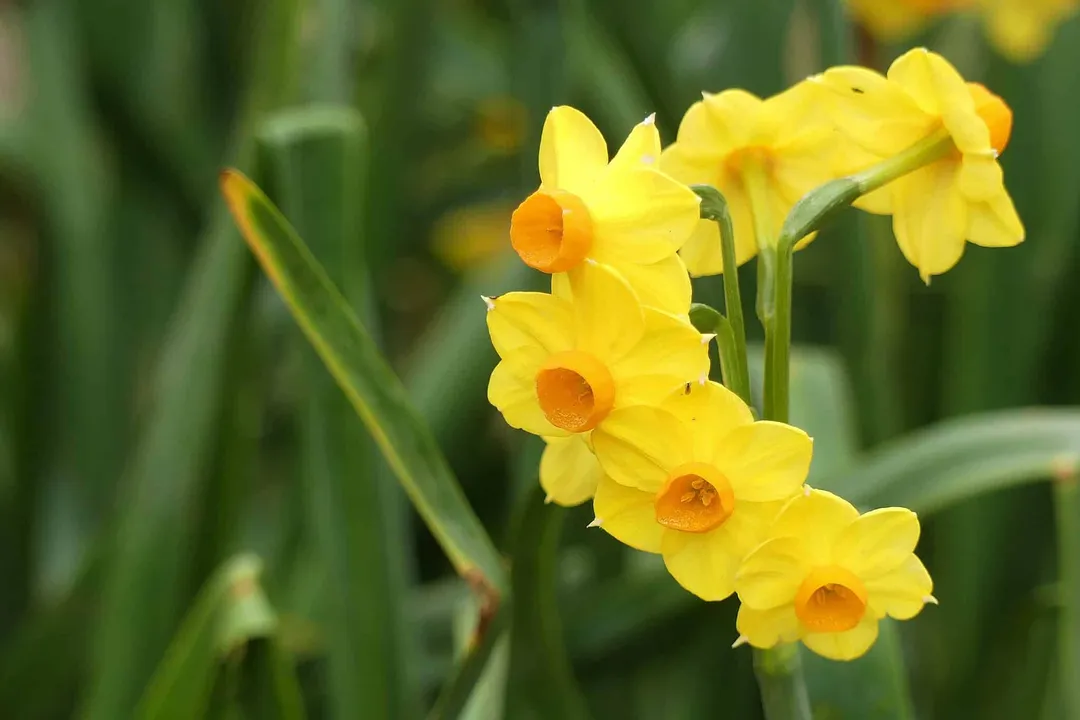
The Narcissus genus is large, containing between 10 and 13 different species, but it hosts tens of thousands of registered cultivars, making precise counting difficult. Generally, when the public uses the common name "daffodil," they are referring to these cultivated hybrids, even though botanically, the term might also apply to other Narcissus flowers like the poet's narcissus or the jonquil. These bulbous perennials are famous for their striking, star-like petals surrounding a central trumpet or cup, a structure known as the corona. Daffodils are classified by their bloom time, flower form, and specific characteristics, which helps organize the massive number of types available to gardeners.
# Classic Icon
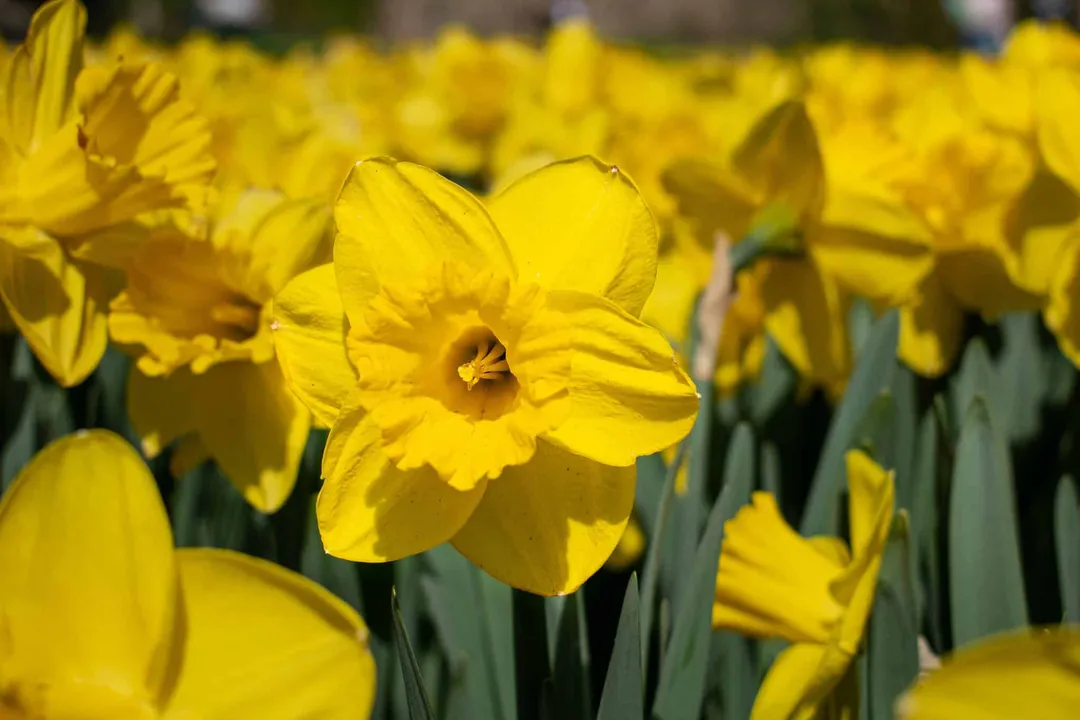
If one had to point to the single most common visual representation of a daffodil, it would likely be the classic, bright, all-yellow trumpet variety. This iconic look is rooted in the species Narcissus pseudonarcissus, often referred to as the wild daffodil or the Lentern lily. This species is native to Western Europe, and its naturalized populations across fields and woodlands often form the basis of garden bulb mixes available everywhere from hardware stores to specialized nurseries.
What makes this archetype so prevalent isn't just its historical significance as an ancestor to many modern hybrids, but its sheer hardiness and ease of naturalization. Unlike some of the more delicate, highly bred show varieties, the simpler trumpet types often contain the vigorous genetics required to survive and multiply in average garden soil year after year without intensive care. A gardener purchasing a bulk bag of "mixed daffodils" for naturalizing in a lawn or beneath deciduous trees is almost certainly receiving bulbs derived from or resembling this hardy, singular yellow form.
# Division Structure
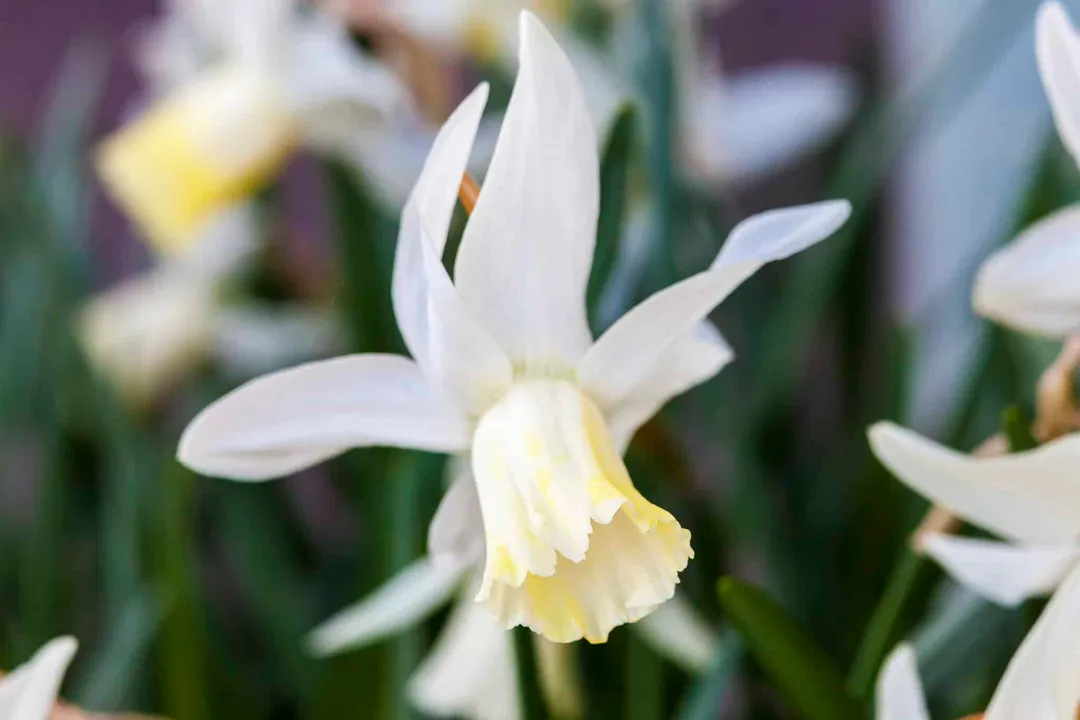
Understanding what makes a daffodil common requires recognizing how the horticultural world groups them. The American Daffodil Society (ADS) organizes Narcissus into thirteen distinct divisions based on the size of the cup relative to the petals (the perianth) and the number of flowers per stem. This structured system allows growers and judges to easily categorize the immense diversity.
For example, Division 1 covers the Trumpet Daffodils, where the cup is as long as or longer than the petals—this is where the classic yellow icon sits. Division 2 contains Large-Cupped Daffodils, where the cup is more than one-third but less than equal to the length of the petals. Smaller cups define Division 3 (Small-Cupped), and Division 11 groups Split-Corona daffodils, where the cup is flattened and split open. Jonquils (Division 7) are often recognized by their clusters of small, often fragrant, yellow or orange flowers on slender stems.
It is interesting to compare how these classifications affect commonality. Division 1, the Trumpet types, and Division 2, the Large-Cups, are often the most frequently sold in general garden centers because they offer the large, impactful blooms consumers expect. However, Division 12, the Daffodils native to the wild species, like N. pseudonarcissus, are critical because they are genetically predisposed to spreading and naturalizing easily, meaning they persist and become "common" in established landscapes over time. Newer, highly specialized divisions, like Division 9 (Poeticus) or Division 13 (Cyclamineus hybrids), though beautiful, are less likely to be found in generic landscaping mixes and thus remain less "common" overall.
To illustrate the grouping differences, here is a look at how some of the most frequently seen types fall into the official system:
| Division Number | Type Name | Key Characteristic | Common Garden Presence |
|---|---|---|---|
| 1 | Trumpet | Cup length equals or exceeds perianth length | Very High (Iconic Yellows) |
| 2 | Large-Cup | Cup length is greater than 1/3 but less than perianth length | High (Versatile, popular in modern mixes) |
| 3 | Small-Cup | Cup length is not more than 1/3 the length of the perianth | Moderate |
| 7 | Jonquilla | Two or more flowers per stem; slender foliage | Moderate (Popular for fragrance) |
| 12 | Daffodils Natural Species & Wild Variants | True species, often small and early blooming | High (Especially N. pseudonarcissus) |
# Registration Numbers
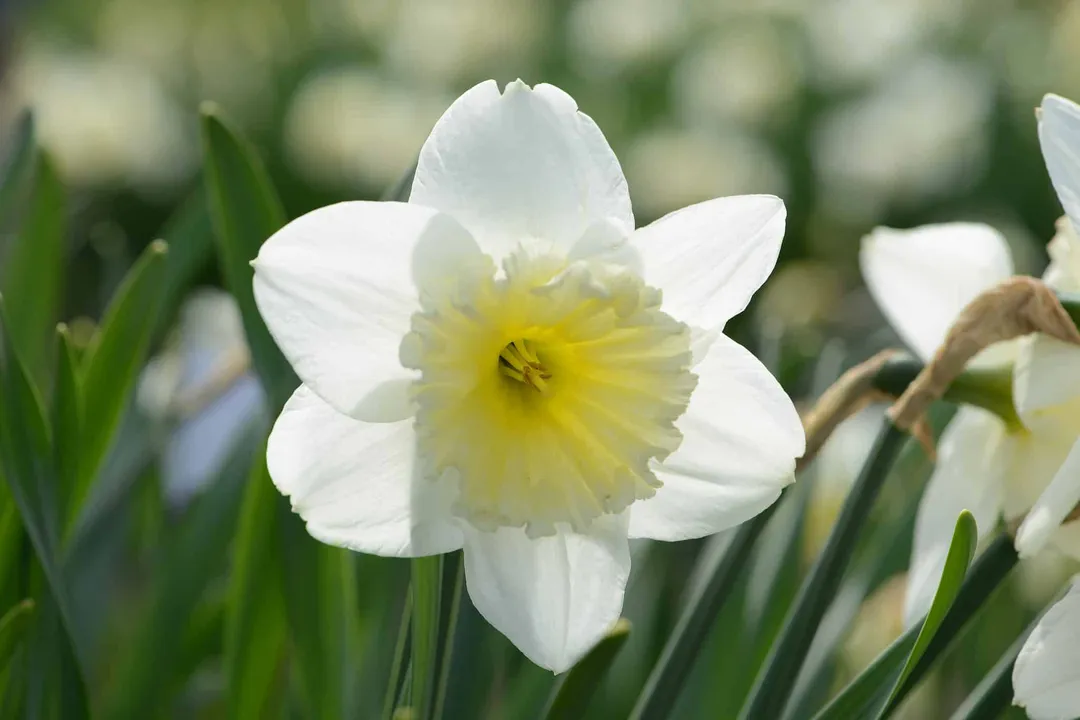
The sheer volume of named hybrids adds to the difficulty in naming one most common. By some counts, there are well over 30,000 officially registered cultivars of Narcissus. This massive selection means that popularity shifts based on region, specific gardening trends, and nursery stock. For instance, a variety like 'Ice Follies' (a Large-Cup, Division 2) is often noted for its pale yellow opening that matures to white, making it a perennial favorite for its changing color. Similarly, very small, multi-headed varieties known as 'Tête-à-Tête' (a Division 6, Small Trumpet hybrid) are incredibly popular for forcing indoors or using in early container plantings due to their early bloom time and compact nature.
However, the most common is often the oldest and easiest to grow. Older cultivars, sometimes called "heirlooms," tend to be genetically programmed to multiply readily under neglect, whereas some newer hybrids might require richer soil or division every few years to maintain their vigor. This persistence is key to widespread commonality across decades and diverse climates.

# Selecting for Persistence
For gardeners looking to achieve that widely dispersed, naturalized look—the very definition of a "common" daffodil in a landscape—selecting for naturalizing ability is more important than selecting for novelty. A crucial consideration when aiming for long-term, common presence in your yard is understanding the difference between bulb division and naturalization. Naturalizing varieties, like the simple species types, are selected because they produce offsets (new bulbs) rapidly under grass or in woodland settings, requiring minimal human intervention after the initial planting.
Here is an actionable tip for maximizing the spread of your daffodil bulbs: When planting, consider your soil's drainage more critically than the exact depth. While standard advice suggests planting bulbs three times their depth, bulbs that are slightly too shallow in well-drained soil will often multiply faster than those planted too deeply in rich, water-retaining soil. Bulbs sitting in soggy conditions over summer are far more likely to rot and fail to divide or multiply, effectively halting their common spread in that spot. The classic, common daffodils are incredibly adaptable, but consistent summer wetness is their Achilles' heel, regardless of their division classification.
# Bloom Sequence Strategy
Another element contributing to the perception of commonality is bloom timing. While the classic yellow trumpet might be the most common single visual, the concept of daffodils being common throughout the spring season is often achieved by mixing varieties from different bloom time groups. Daffodils are generally categorized as early, mid-season, or late bloomers.
If a garden only contains mid-season Trumpet types, the bloom period is intense but short, perhaps only two weeks. To create a landscape where daffodils feel "common" from the first thaw until the tulips take over, a gardener should intentionally select bulbs from across the spectrum. An early-blooming Division 6 miniature paired with a mid-season Large-Cup (Division 2), followed by a late-blooming poet's narcissus (Division 9), ensures that there is always a yellow, white, or bi-colored cup nodding in the breeze throughout the entire spring. This strategic mixing, drawing from both the common species stock and the more specialized hybrids, is how professional landscapes maintain year-after-year visual impact, making daffodils seem perpetually present.

# Beyond the Yellow Cup
While the yellow trumpet likely holds the title for the most recognized or historically widespread type, the appeal of Narcissus lies in its diversity, which is captured by the various divisions. For instance, the Jonquil hybrids (Division 7) are prized not only for their smaller, multiple blooms but often for their intense, sweet fragrance, a characteristic less reliably present in the large trumpet types. Similarly, varieties that bloom later in the season, such as some of the small-cupped or poeticus types, offer delicate, often fragrant blooms when the majority of the early trumpets have faded.
Even within the popular Large-Cup category, modern breeding has introduced incredible color combinations—whites with orange cups, creams with pink trumpets, and bicolors that shift as they age. Therefore, while Narcissus pseudonarcissus gives us the image of the common daffodil, the combined success of hardy, easy-to-grow divisions like Trumpet, Large-Cup, and Jonquil ensures that Narcissus as a genus remains one of the most frequently encountered and beloved spring flowers globally.
Related Questions
#Citations
The 5 Most Popular Types Of Daffodils - A-Z Animals
15 Dazzling Types of Daffodils - The Spruce
Daffodils Information - Gibbs Gardens
Facts and Information about Daffodils - Facebook
Daffodil Types - Gardenia.net
Narcissus (plant) - Wikipedia
What is a daffodils flower and how many types are there? - Quora
Daffodil varieties - Fine Gardening
Daffodils Jonquils Narcissus Paper White Paperwhites Tazettas