Why aren't my cut daffodils opening?
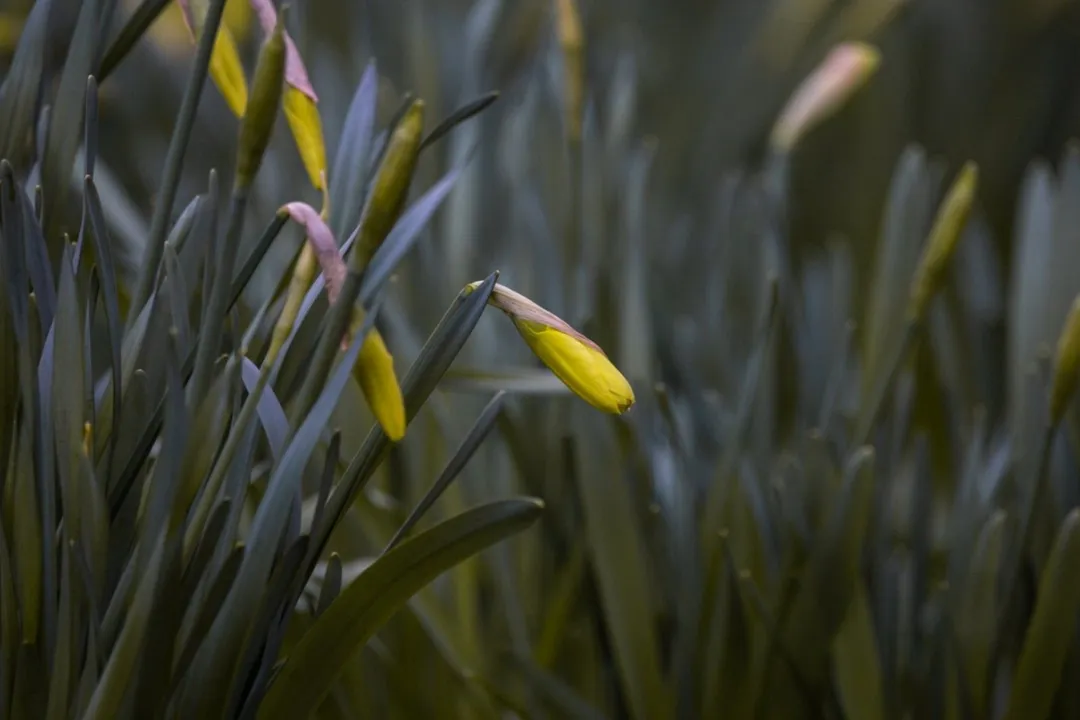
The sight of tightly closed daffodil buds in a vase, refusing to unfurl their cheerful yellow or white faces, is universally frustrating, especially when you know they were perfect just hours ago. [4] This common quandary often leads gardeners and floral enthusiasts to wonder if they’ve missed a crucial step in the conditioning process or if the flowers are simply past saving. While some factors relate to the basic needs of any cut flower—like water and temperature—daffodils possess a unique characteristic that often thwarts their blooming potential in arrangements: their sap. [5][7]
# Toxicity Factor
The most significant hurdle to getting cut daffodils to open and stay open is the milky sap that oozes from the freshly cut stems. [4][5] This sap contains compounds that are toxic to most other flowers. [5] If you place daffodils directly into a vase with other cut blooms, like tulips or roses, the daffodil sap will enter the shared water supply and clog the water uptake systems of the neighboring flowers, causing them to wilt prematurely or fail to open entirely. [4][7]
What is often perceived as the daffodil itself failing to bloom is frequently the result of an interrupted hydration process caused by its own secretions, or the negative interaction with its vase-mates. [5] While the sap is harmful to other species, it is not necessarily an immediate death sentence for the daffodil itself, but it does require specific pre-treatment to stop it from being an issue. [5]
# Harvest Timing
The stage at which you snip the flower from the garden has a surprising impact on its subsequent performance in a vase. [4] If the buds are cut too tightly, meaning they show virtually no color and are still completely green and closed, they may lack the energy or maturity required to push themselves open once cut. [4]
Ideally, daffodils should be cut when the buds are just beginning to show color, often described as being in the "sheath stage" or when the bud has swollen and the protective outer wrapping is beginning to peel back. [7] This stage ensures the flower has enough stored energy to complete its opening sequence after being severed from the parent plant. [6] Cutting too early is a common mistake; waiting until you see the faintest hint of the future bloom color ensures a higher success rate for opening. [7]
# Vase Preparation
Proper initial hydration is paramount for any cut flower, but daffodils benefit from a dedicated, isolation-based preparation routine before they can join a mixed display. [5]
# Initial Conditioning
For the best results in opening, treat the daffodils like recovering patients needing plain water first. Immediately upon bringing them inside, recut the stems at an angle to maximize the surface area for water absorption. [7] Place the daffodils by themselves in a clean vase filled with plain, cool or tepid water—avoiding ice-cold water which can shock them. [6][7]
It is highly recommended that you let the daffodils sit alone for a period, often cited as between 12 and 24 hours. [5][6] This holding phase serves two purposes: it allows the severed stems to fully hydrate without competition, and more importantly, it allows the toxic sap to leach out and dry up on the submerged ends of the stems. [5]
# Water Quality Insight
While most cut flowers thrive on commercial flower food, which provides sugar and a biocide, daffodils often do best initially without it. [5] The bacteria-fighting agents in some flower food mixes can sometimes interact negatively with the daffodil sap or simply aren't necessary when the flower is only being held for a day. [5] Once they have finished their solitary conditioning period and you wish to place them into a mixed bouquet, you might then transfer them to a vase with flower food, though caution is still advised given the sap issue. [5]
# Ambient Conditions
Even after successful conditioning, the environment surrounding your vase can dictate whether those tightly held buds finally relax and bloom. Daffodils prefer cooler conditions to prolong their vase life and encourage a slower, more natural opening process. [4]
Placing the vase in a sunny window or near a heat source, such as a heating vent or on top of a television set, will speed up the flower's metabolism. [4] This rapid aging process causes the bloom to open too quickly, potentially leading to a short life span or causing the flower to snap shut again if the heat is intense. [4] Conversely, a cool spot, like a basement or a cool counter away from direct sun, will gently encourage the buds to unfurl over a day or two, giving you a longer window to enjoy the fully opened flowers.
It is interesting to observe how different varieties react to temperature fluctuation. A deep yellow trumpet daffodil, typically robust, might pop open in a warm room within hours, whereas a smaller, multi-headed poeticus variety may remain stubbornly closed in the same conditions if it was cut slightly immaturely. [6] The initial heat shock can sometimes be so severe that the petals simply refuse to separate from the bud sheath, remaining tightly furled until they eventually dry out.
# Arrangement Rules
If your goal is a beautiful mixed centerpiece, the preliminary steps become non-negotiable due to the sap contamination risk. [7] The simplest and safest advice is often to keep daffodils in a separate vase altogether. [4]
If you absolutely wish to combine them, you must adhere strictly to the isolation period mentioned above. After the 12 to 24 hours of conditioning in plain water, you should check the submerged ends of the daffodil stems. [5] If the water around them has become cloudy or milky, it indicates significant sap release. At this point, some gardeners recommend re-cutting the bottom half-inch of the stem after they have been conditioned alone, rinsing the newly cut ends, and then adding them to the mixed arrangement. [5] Even with this precaution, monitor the other flowers closely, as sap residue on the vase walls or residual moisture can still pose a threat to sensitive companions like hyacinths or tulips.
If, after the conditioning period, the buds still haven't shown significant signs of opening, it’s a sign that the maturity level at cutting was the primary issue, or the flowers were kept too cold initially. [4] Giving them a short spell in slightly warmer (but not hot) water might coax them out, but expecting a completely tight bud to open once it has been in the vase for a day is often unrealistic.
# Checklist for Success
To summarize the process for maximizing the chances of opening for your cut daffodils, consider this sequence of actions, ensuring each step is completed before the next if possible:
- Timing: Harvest only when buds show definite color, not when they are entirely green. [7]
- Stems: Recut stems at an angle immediately upon bringing them inside. [7]
- Isolation: Place stems only with other daffodils in plain, tepid water for at least 12 hours. [5][6]
- Environment: Keep this initial vase in a cool spot, away from direct heat or sunlight. [4]
- Integration: After the holding period, check the sap residue. If combining, consider a fresh angled cut on the daffodil stems before placing them into the final mixed arrangement. [5]
By understanding the unique physiology of the daffodil—particularly its sap—and treating it with the specific conditioning steps it requires, you move from hoping your flowers will open to actively ensuring they do.
#Videos
5 reasons why your daffodils aren't flowering anymore - YouTube
Related Questions
#Citations
Why did my cut daffodils die instead of blooming? (idk product name ...
cut flowers not opening?30 - Gransnet
Why are my daffodil buds not opening? - Facebook
What Is Daffodil Bud Blast: Reasons Why Daffodil Buds Don't Open
Daffodil buds won't open #827238 - Ask Extension
5 reasons why your daffodils aren't flowering anymore - YouTube
How to Cut Daffodils for Vases and Flower Arrangements
Why do daffodils not come up every year despite new bulbs ... - Quora
Non-Blooming Daffodils