How much can you sell a meteor rock for?
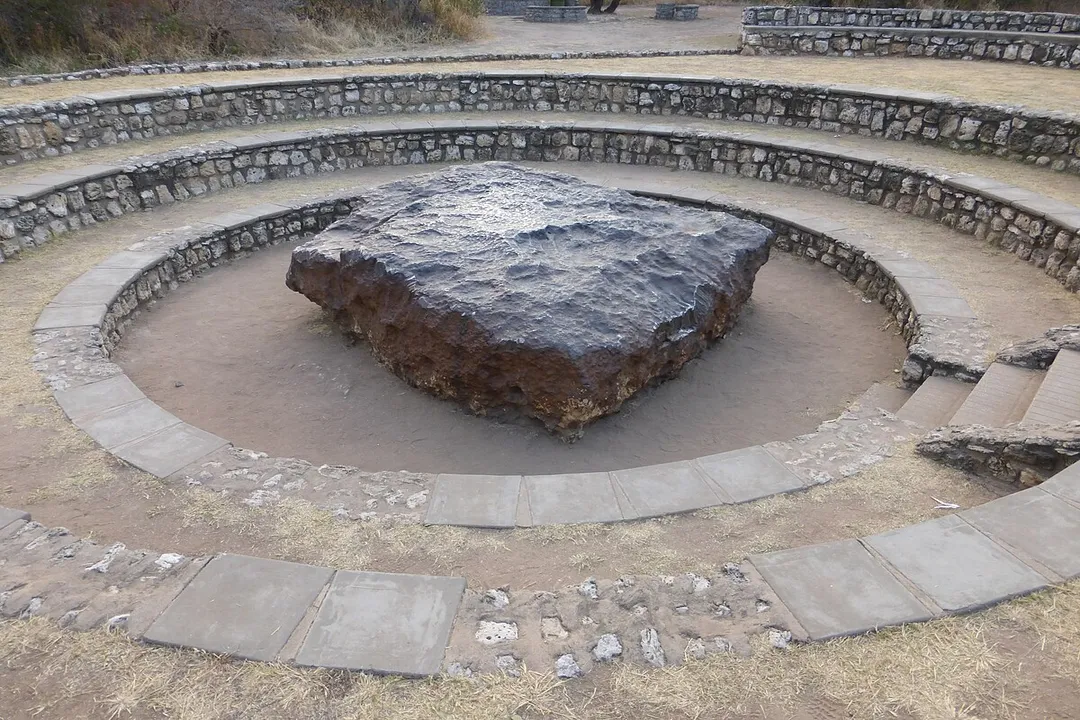
The value of a meteor rock, or meteorite, is perhaps one of the most variable figures in the world of collectibles and natural history. You might find a tiny, unassuming speck of space debris that is worth almost nothing compared to the cost of an envelope to mail it, or you might possess a specimen whose value rivals fine jewelry. There is no single sticker price for "a meteorite"; the worth is determined by a complex interplay of mineralogy, history, size, and pure visual appeal. [1][5][7]
# Price Spectrum
The sheer range in potential sale price is the first thing any potential seller needs to grasp. On one end of the spectrum are common stony meteorites, often classified as H, L, or LL chondrites. These types are relatively abundant in collections and on the market. [1][5] A collector might purchase small, common slices for as little as a dollar or two per gram, or sometimes even less if purchased in bulk or intended for educational uses. [1][5][7] For instance, a dealer might price common, attractive material in the \1 to \3 per gram range for small, authenticated pieces. [1]
However, the prices escalate dramatically once you move into rarer classifications. Achondrites—meteorites that are not chondrites and sometimes originate from the Moon or Mars—fetch significantly higher prices. [1][5] Pallasites, which are famous for their beautiful embedding of olivine crystals within a metal matrix, are highly sought after and command prices that can easily exceed $100 per gram for choice specimens. [1][5] If a piece is documented as coming from a recent, witnessed fall, that provenance adds a substantial premium on top of the material science value. [1]
# Classification Value
The fundamental classification of the rock is the primary determinant of its baseline worth. [5] Meteorites are generally grouped into three main categories: stony, iron, and stony-iron. [7]
- Stony Meteorites (Chondrites): These are the most common type found on Earth. [1][7] While abundant, their value depends on the specific sub-type and internal features. The presence of chondrules—small, roughly spherical inclusions that predate the formation of the solar system—makes them scientifically fascinating. [5]
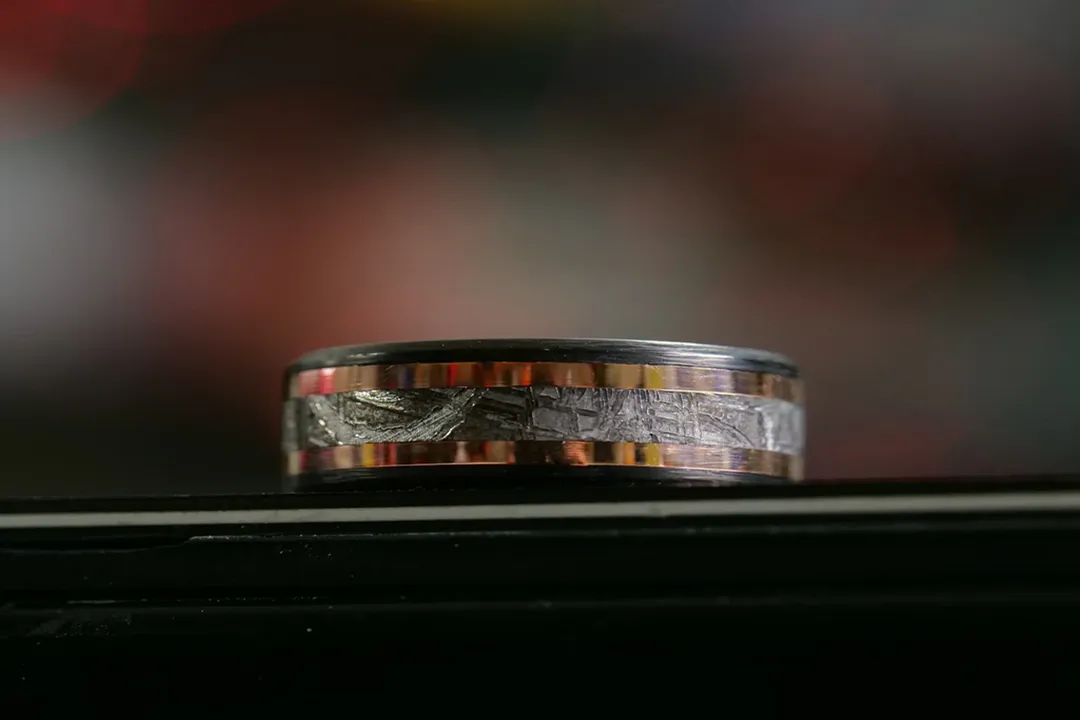
- Iron Meteorites: Composed mostly of iron and nickel, these are often valued for the striking geometric patterns revealed when cut and etched with acid, known as the Widmanstätten pattern. [5] A large, well-preserved iron mass showing this pattern can be very valuable. [5]
- Stony-Iron Meteorites (Pallasites): These are rare and visually stunning, featuring crystals like olivine suspended in the metal matrix. [1][5] The aesthetic quality of the crystal distribution often dictates a price far exceeding that of common chondrites. [5]
When evaluating two pieces of similar weight, the rarer classification will almost always command a higher price. A small fragment of a Martian meteorite will be orders of magnitude more expensive per gram than a large chunk of an H5 ordinary chondrite, simply because the source material is exceptionally scarce on Earth. [5]
# Visual Presentation
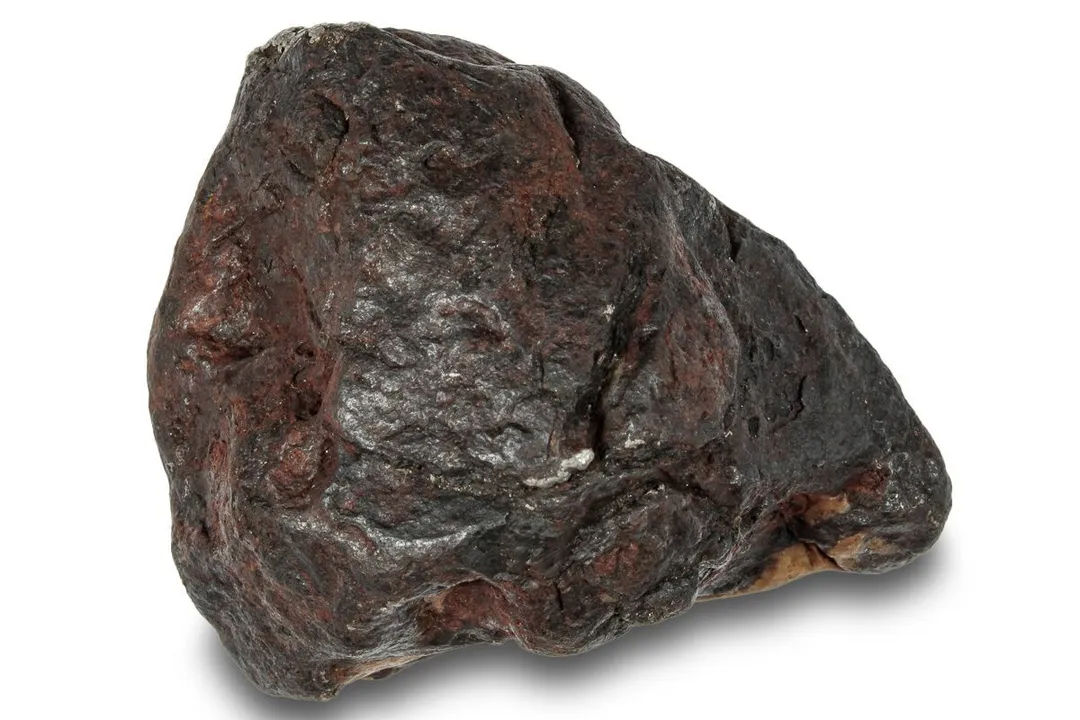
Beyond chemistry, the appearance of the rock plays a massive role in its retail value. [1] Collectors, especially those purchasing for display, are heavily influenced by aesthetics.
A pristine, fresh piece that still retains its fusion crust—the dark, melted exterior formed as it burned through the atmosphere—is highly desirable. [5] If the rock is broken or weathered, that immediate connection to its fiery entry is lost, reducing its appeal unless the interior structure is spectacular. [1]
For specimens that have been sliced, the quality of the cut and polish is crucial. A thin slice of pallasite where the olivine crystals catch the light beautifully will sell for much more than a thick, rough slab of the same material. [5] Conversely, while irons are appreciated raw, their true high-end value is often unlocked by careful cutting and etching to display that signature internal crystalline structure. [5] Think of it like raw gemstones versus faceted jewels; the processing dictates the final presentation, and therefore, the final price tier.
# Weight Versus Quality Dynamics
It is tempting to assume that doubling the weight of a meteorite doubles its value, but this is rarely true, especially at the higher end of the market. [1] Value per gram often decreases slightly as the size increases, because the market for extremely large, museum-quality pieces is smaller than the market for desktop specimens. [1]
However, the relationship is far from linear in reverse. A tiny, authenticated slice of lunar rock, perhaps weighing only a few grams, can sell for hundreds of dollars due to its origin. [5] In contrast, a completely unclassified, dirty, 10-pound rock found in a farmer's field might struggle to sell for much more than the initial cost of grinding a single representative slice to confirm its identity, unless it proves to be a major, previously unknown find. [4] The provenance and rarity often trump sheer mass.
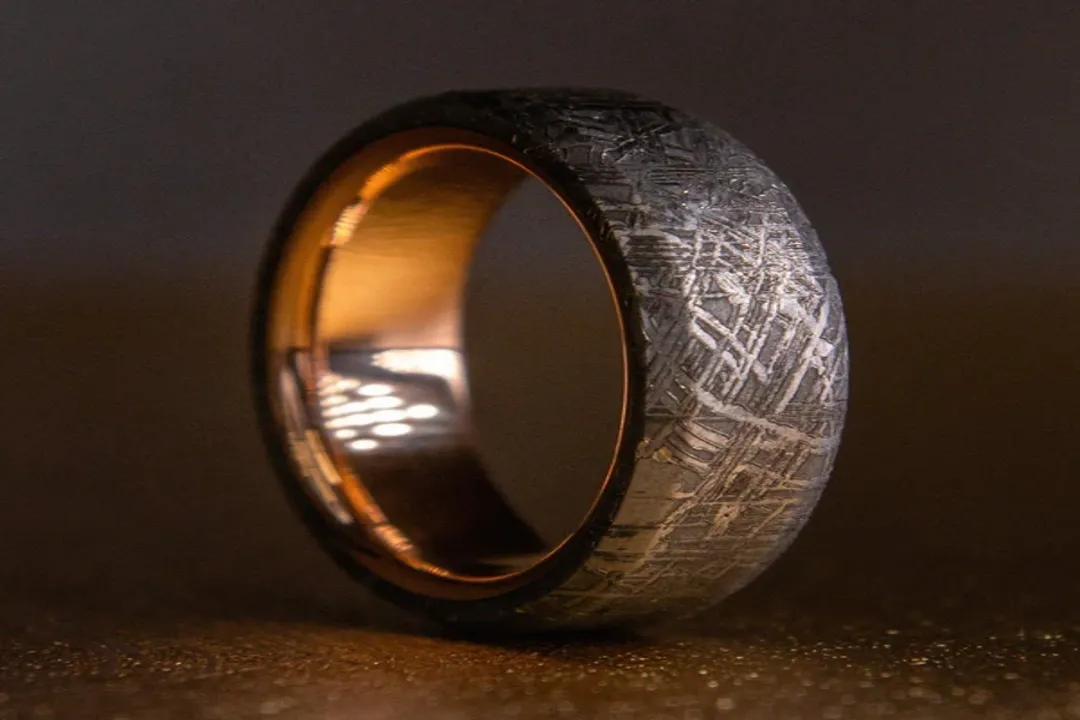
If you are sitting on a collection of smaller, fragmented, or heavily weathered pieces that don't qualify as prime display specimens, their value shifts from being about individual aesthetic appeal to being about bulk material. These pieces might be best valued for scientific study, educational demonstration kits, or perhaps being incorporated into jewelry settings, where the material itself is the value driver rather than the singular, pristine rock. [7] When selling material this way, your expectation for the price per gram must be significantly lower than for a named, cataloged specimen.
# Selling Channels and Dealer Costs
Deciding where to sell directly impacts the final amount you receive. Selling directly to a private collector through an online forum or auction site may yield the highest retail price because you capture the entire profit margin. [2] However, this path requires significant effort in marketing, authentication, and managing transactions. [2]
Selling to a professional meteorite dealer or collector is often easier and quicker, but you must account for their required profit margin. [4] Dealers need to cover their costs of acquisition, preparation (cutting, polishing, labeling), storage, and marketing. Therefore, a dealer will almost certainly offer you a price significantly below the established retail price for that same specimen. [4] If retail for a piece is \100, a dealer might offer \50 to $70, depending on how quickly they anticipate moving the inventory and how desirable the specific piece is. [4]
For very large or significant finds, working with an established dealer who has the connections to place pieces in museums or major private collections can sometimes be advantageous, as they can access buyers unavailable to a private seller, potentially offsetting some of the lower per-gram margin. [4]
# Expert Authentication
Before you can reasonably ask for a price, you need to know what you have and where it came from. A meteorite found on private property holds an unknown value until it is properly classified and, ideally, registered with an international meteorite registry. [7]
If you suspect you have a meteorite—especially a fresh fall or a large piece—the first step is usually to seek expert identification. This process often involves professional mineralogists or recognized meteorite experts. [4][7] They can confirm if it is a genuine space rock, determine its classification, and provide an estimate of its rarity. For pieces believed to be worth more than a few hundred dollars, obtaining documentation from a reputable source is non-negotiable for achieving a high sale price. [4] Buyers are wary of unauthenticated material, and the value of an object without documentation is severely discounted, sometimes to near-zero, regardless of its actual composition. [7]
The process of determining value is iterative: Type dictates baseline rarity; size and aesthetics determine the premium applied to that baseline rarity; and finally, documentation solidifies the price point and assures the buyer's trust. [4][7]
#Videos
Find Meteorites Worth More Than Gold! - YouTube
#Citations
How Much Is A Meteorite Worth?
Meteorites For Sale - FossilEra.com
How Much are Meteorites Worth? - Geology.com
We Buy Meteorites
How Much Is a Meteorite Worth? The Answer May Surprise You
How much is a 4 lb meteorite worth? - Quora
rare & huge meteorites available - Collector's Secret
Meteorite pricing : r/meteorites - Reddit
Find Meteorites Worth More Than Gold! - YouTube