What are small pieces of rocks called?
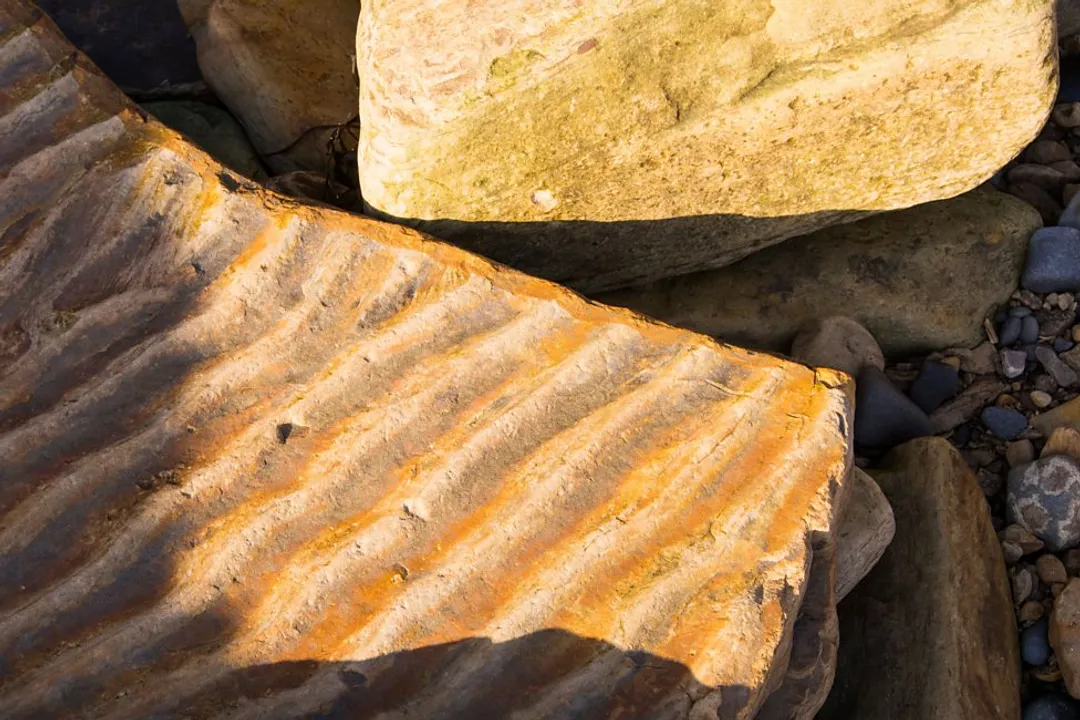
The question of what to call small pieces of rock is deceptively simple, as the correct term depends entirely on the size of the fragment and the geological context in which it is found. In everyday conversation, we often use broad terms like pebbles, gravel, or simply stones. However, geology employs a precise system, particularly when discussing the materials that eventually become sedimentary rock. These tiny building blocks, regardless of their initial size, are often collectively referred to as sediment when they are loose and unconsolidated.
# Sediment Size
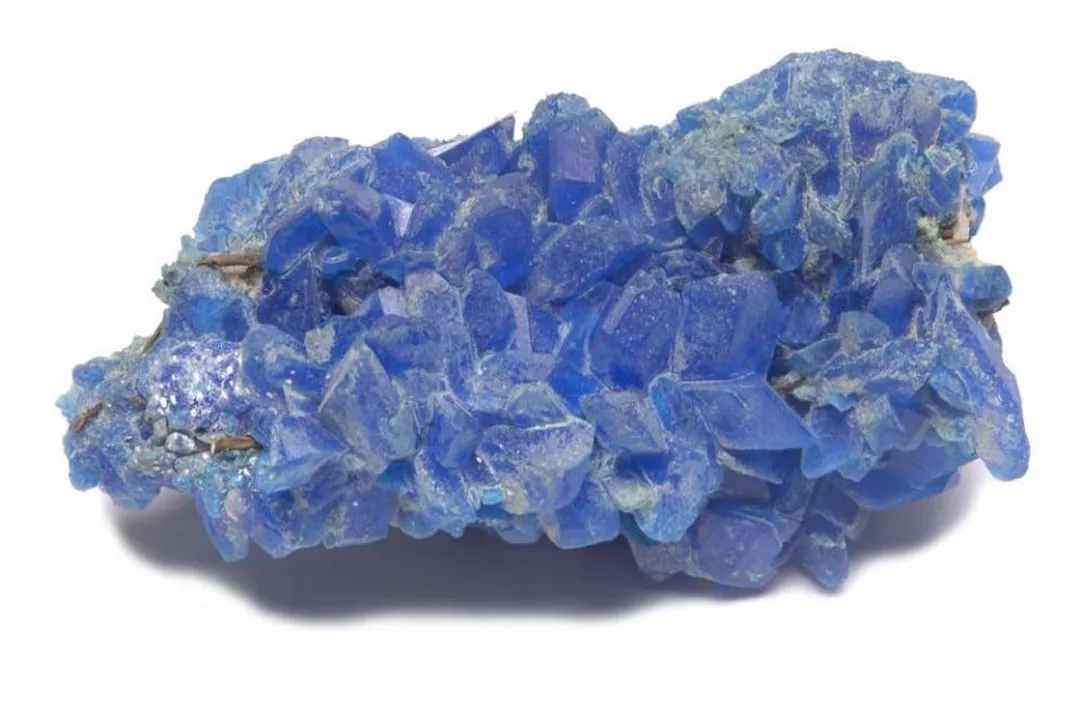
When these fragments are loose, the most defining characteristic is their diameter, which determines their classification. Geologists use specific size grades to ensure clear communication about the material they are studying, whether it’s on a beach, in a riverbed, or deep underground in a rock layer. This classification is key to understanding the energy of the environment that moved or deposited the material.
The range of sizes, from the finest dust to larger chunks, is systematically categorized.
# Clasts Classification
In the study of sedimentary rocks, a fragment of rock or mineral debris is formally called a clast. These clasts are the source material for a major category of rocks. The size of these clasts dictates the subsequent terminology:
- Clay: These are the finest particles, smaller than of a millimeter in diameter. They are so fine that they often behave more like mud when wet and can only be distinguished individually under a powerful microscope.
- Silt: Slightly larger than clay, silt particles range from to of a millimeter. While you might be able to feel silt grains if you rub them between your fingers, they are generally too small to see easily without magnification.
- Sand: This category includes particles between of a millimeter and 2 millimeters. Sand grains are easily visible to the naked eye, giving beaches and deserts their familiar texture.
- Gravel: Once the fragments reach 2 millimeters and larger, they fall into the gravel category. This size bracket encompasses a wide variety of common terms.
# Gravel and Pebbles
Within the gravel size range, further distinction is often made based on the size and shape of the fragments. When a piece of rock is larger than 2 millimeters but generally rounded and small enough to be held comfortably in the hand, it is commonly called a pebble.
Consider the practical application of these size distinctions. In engineering, the aggregate used in concrete mixes—which is essentially processed gravel and sand—must adhere to strict size specifications derived from these geological classifications. For instance, a concrete mix requiring a high percentage of fine aggregate might specify a maximum particle size close to the cutoff for coarse material, directly referencing the size boundary between sand and gravel, demonstrating how geological naming conventions move into everyday industry standards. Observing the uniformity of these size grades in a natural deposit, such as an ancient river channel, offers geologists clues about the water's speed and force when it deposited the material. Very fine clay requires almost no energy to be carried, whereas gravel and pebbles demand significant current velocity.
# Formation of Sedimentary Rock
These small, classified pieces of rock—the sediment—rarely remain loose for long in geological time. They are the precursors to sedimentary rocks. Sedimentary rocks form through a process involving weathering, erosion, transport, deposition, compaction, and cementation.
# Weathering and Transport
The process begins when existing rocks, whether igneous, metamorphic, or older sedimentary types, are broken down by physical and chemical weathering. This breakdown yields the small pieces we have described: the sand, silt, clay, and pebbles. These fragments are then moved by agents like water, wind, or ice—a process called erosion and transport.
The distance and energy of the transport significantly affect the final character of the sediment. This leads to an important observation about the fragments themselves: rounding. An experienced geologist can often determine the history of a rock fragment simply by looking at its edges. Clasts moved only a short distance, perhaps from a nearby landslide, will look angular and jagged, retaining sharp edges. Conversely, materials like beach sand or river pebbles that have tumbled for miles against other fragments become noticeably smooth and rounded. This rounding is a physical record of abrasion and energy expenditure during their journey to the depositional basin.
# Lithification
Once the sediment settles in a new location—perhaps an ocean floor, a lake bed, or a desert dune—it begins the final steps toward becoming rock, a process called lithification.
- Compaction: As more and more sediment piles on top, the weight of the overlying material squeezes the lower layers together. This pressure forces out the water trapped between the grains.
- Cementation: Dissolved minerals in the remaining water precipitate out in the pore spaces between the clasts. These minerals act like a natural glue, binding the individual pieces of rock together to form a coherent, solid rock. Common cementing agents include silica, calcite, or iron oxides.
The resulting rock's name depends on the size of the dominant clasts that were cemented together. For instance, rock formed from cemented sand grains is sandstone, while rock made of cemented mud (clay and silt) is shale or mudstone. If the sediment includes many rounded pebbles and cobbles, the resulting rock is called conglomerate; if the pebbles are angular, it is called breccia.
# Other Rock Types
While sedimentary rocks are defined by the aggregation of small pieces, it is worth noting that the other major rock types—igneous and metamorphic—form differently, though they can still break down into fragments.
# Igneous Formation
Igneous rocks form from the cooling and solidification of molten material, either magma below the surface or lava above it. Their texture is typically crystalline, meaning they are composed of interlocking mineral grains that grew as the material cooled, rather than transported fragments stuck together. A small piece of granite, for example, is not generally called sediment unless it has already been weathered down into sand-sized grains.
# Metamorphic Transformation
Metamorphic rocks arise when existing rocks are subjected to intense heat and pressure, causing them to recrystallize and change their mineral composition and texture. While the intense pressure can cause existing grains to flatten or align (creating foliation), the original small clastic structure of a sedimentary parent rock is often lost or heavily distorted during this high-energy transformation.
# Terminology Nuances
The general public often refers to any loose rock fragment as a stone, and this word can certainly apply to larger pebbles or cobbles. In some contexts, like describing a road bed or landscaping material, terms like crushed rock or aggregate are used, which are commercial descriptors for size-sorted, broken pieces of rock.
However, the scientific value lies in precision. To say you found a "small piece of rock" is ambiguous; to say you found a angular quartz clast suggests it was transported a short distance and is likely a component of an immature sedimentary deposit. This level of detail is what allows geologists to reconstruct ancient landscapes and understand Earth’s history. Therefore, the most accurate general term for small, loose rock pieces in a geological context is sediment or clast, with finer distinctions based on diameter: sand, silt, or clay.
#Citations
Sedimentary Rocks - National Geographic Education
Types of Rocks
Sedimentary Rocks Lesson #13 - Volcano World
Sedimentary rock
Learning About Rocks - Wind Cave ...
small pieces of rocks are called gravels or pebbles Or ...
What are sedimentary rocks? | U.S. Geological Survey
Rocks and minerals
What are the three types of rocks? - BBC Bitesize
Aren't they called stones since they are small? : r ...