How is moondust different from Earth dust?
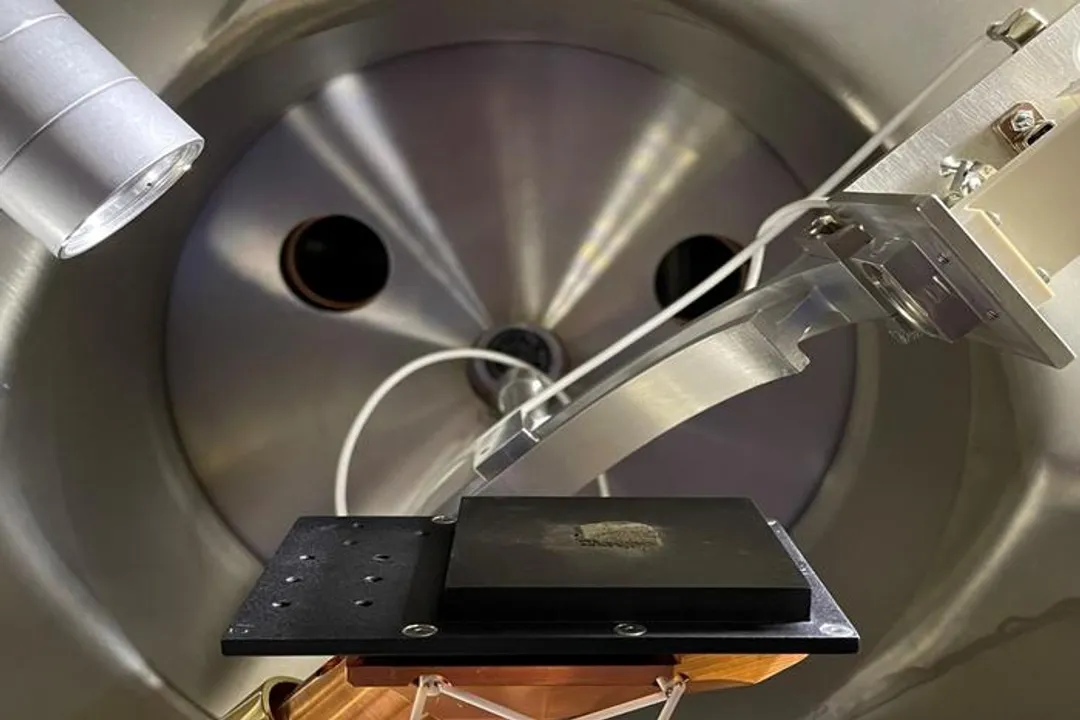
The fine particulate matter we sweep up from our floors or track in from the garden on Earth bears almost no resemblance to the grit coating the Moon's surface, despite both being called "dust." The difference isn't merely one of location; it stems from fundamentally different creation processes and subsequent environmental exposures spanning billions of years. On our planet, dust is a product of gentle, albeit persistent, forces like wind and water wearing down rock over eons. Lunar dust, however, is the result of violence, a pulverized mixture created by constant bombardment in a vacuum. [1][4]
# Origin Stories
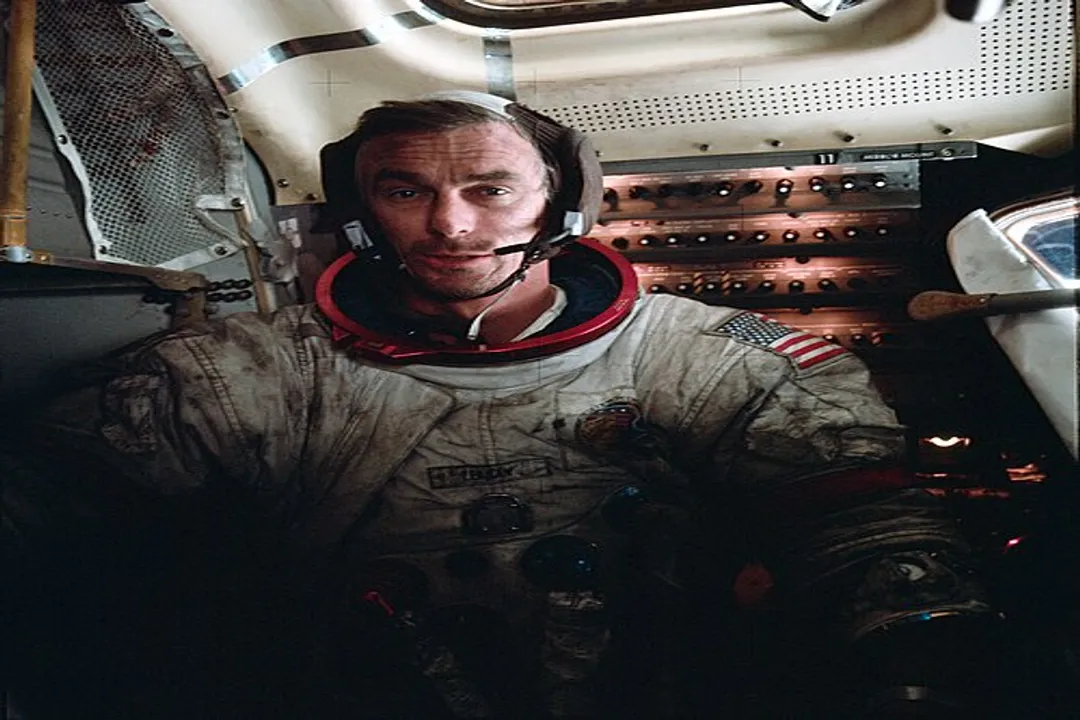
Earth dust owes its existence largely to weathering and erosion. [1] Rain, ice wedging, wind abrasion, and chemical reactions break down large rocks into finer and finer particles, often resulting in rounded, smooth grains. [9] Furthermore, Earth dust includes a biological component; it mixes with organic matter, pollen, and pollutants, making it chemically and biologically complex. [2]
The Moon, lacking an atmosphere, liquid water, or widespread biological activity, creates dust through a distinctly energetic mechanism: micrometeorite impacts. [1][4] Every time a tiny space rock strikes the lunar surface, it vaporizes some material and ejects pulverized debris in a process called impact gardening. [1][5] This process has been happening for about 4.5 billion years. [4] Consider the energy input required for this creation: while Earth dust is smoothed by the gentle friction of air and water over geological time, lunar dust is created instantaneously by kinetic energy release in a vacuum, shattering existing material into sharp shards. [1][9] This continuous, high-energy fracturing results in a material that is texturally distinct from anything found naturally on Earth.
# Particle Shape
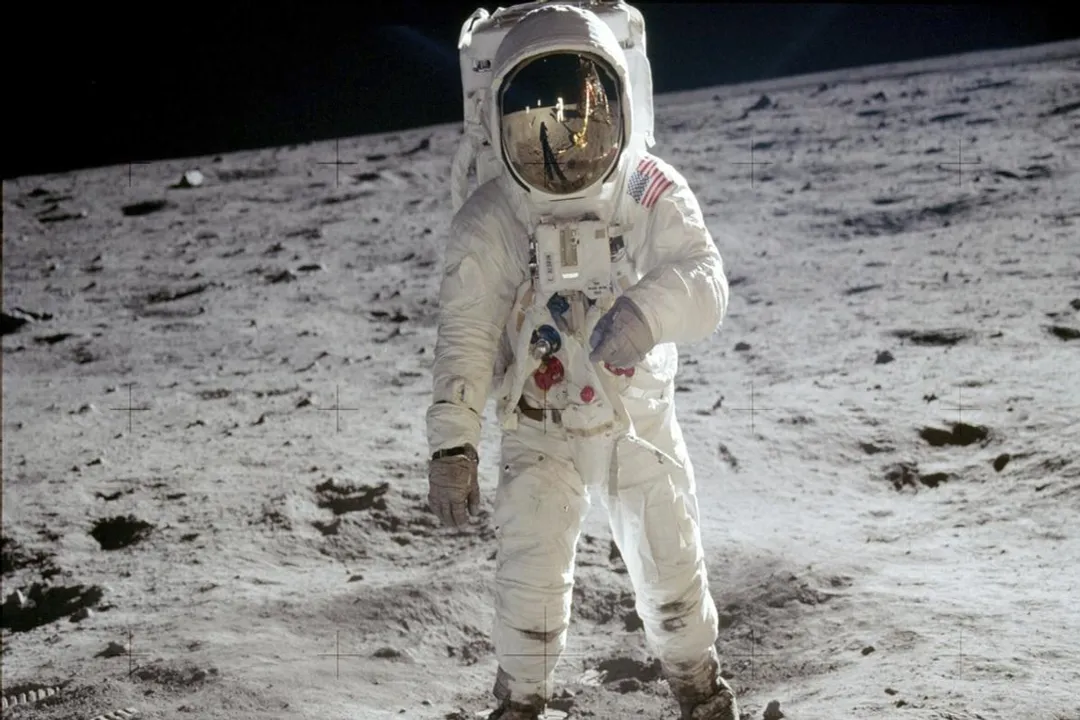
The most significant physical distinction between the two materials lies in the shape of their individual grains. [9] Earth dust particles, having been tumbled and smoothed by wind and water, tend to be rounded, soft, and somewhat irregular. [1][9]
Lunar dust, or regolith, particles are drastically different. Because they have never been exposed to atmospheric abrasion or water erosion, they retain sharp, jagged edges and irregular, broken shapes. [1][9] Imagine grinding glass versus tumbling it in a rock polisher for millennia—that is the essential difference in texture between terrestrial and lunar fines. [9]
| Feature | Earth Dust | Lunar Dust (Regolith Fines) |
|---|---|---|
| Origin Process | Weathering, erosion, biological breakdown [1][4] | Micrometeorite impacts, vacuum fracturing [1][4] |
| Particle Shape | Generally rounded, smoothed [1][9] | Sharp, jagged, highly angular [1][9] |
| Environment | Atmosphere, water, active geology [1][2] | Vacuum, extreme temperature swings [1] |
| Electrostatics | Neutral or weakly charged by friction/humidity | Strongly electrostatically charged [7] |

# Compositional Differences
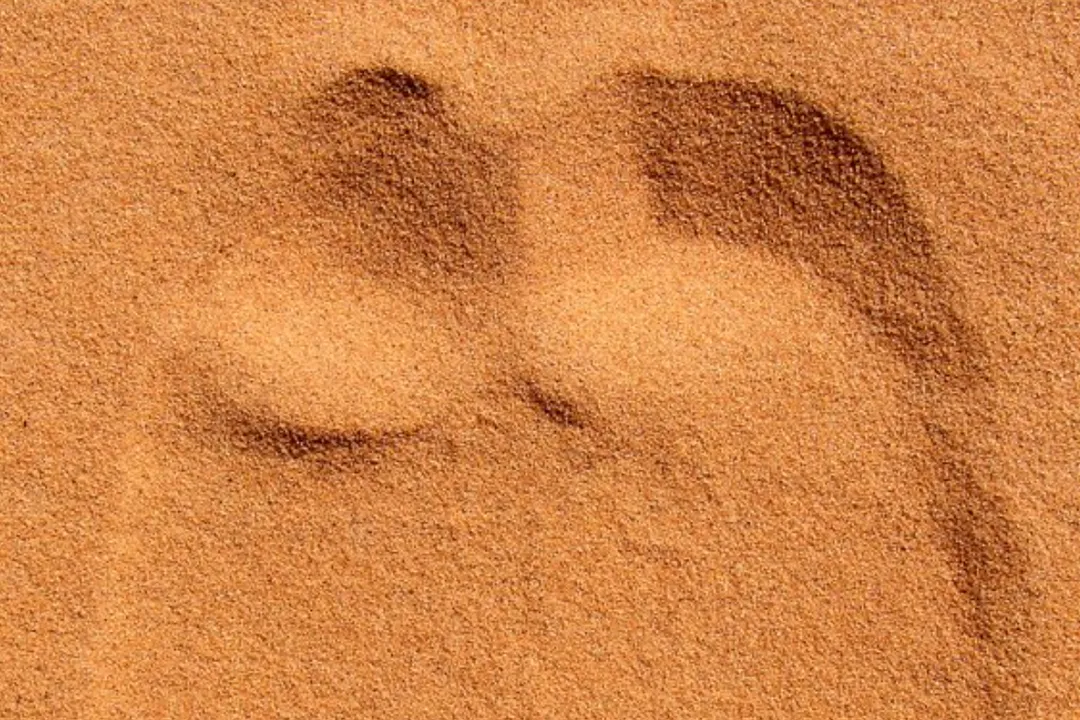
Chemically, both materials are derived from silicate rocks, but their chemical activity varies immensely. Lunar regolith is primarily composed of minerals like pyroxene, olivine, and plagioclase feldspar, similar to Earth's crust, but it lacks the oxidation seen on Earth. [4] The lunar surface material has been exposed directly to space, including solar radiation and the solar wind, which alters its surface chemistry. [8] For instance, the dust contains iron micrometeorites that have been melted into the grains by impacts. [1]
On Earth, even particles that originated from volcanic ash or crushed rock react with oxygen and moisture over time. This results in chemically altered surfaces, perhaps coated in hydroxides or carbonates. [2] The lunar dust, existing in a near-perfect vacuum, has no such reactions. It is chemically "fresh" relative to its age, showing the pristine surface of the silicates that were just fractured. [8] This pristine nature also means that the fine particulate matter on the Moon lacks the organic compounds, bacteria, and biological material that constitute a significant part of what we call dust inside our homes or even in desert environments on Earth. [2]
# Electric Behavior
A fascinating divergence between the two substances is their electrical nature. Terrestrial dust is generally electrically neutral or carries only a weak charge generated by mechanical friction, like rubbing a balloon on your hair. [7]
Lunar dust, however, is markedly and persistently electrically charged. [7] This charge buildup is a direct consequence of its environment. When the solar wind, which is a stream of charged particles emitted by the Sun, bombards the Moon, it deposits electrical charges onto the surface dust grains. [7] Furthermore, exposure to ultraviolet radiation from the Sun can also ionize the dust, giving it a charge. [7] This electrostatic quality causes the dust to behave strangely—it repels itself, sticks to surfaces tenaciously, and can even levitate slightly above the surface in some areas, creating a ghostly glow visible on the horizon during lunar twilight. [1][7]
This electrostatic property creates a unique engineering challenge. When the Apollo astronauts returned to the Lunar Module, the charged dust clung to everything, including their suits and equipment, much more aggressively than normal terrestrial dust would. [3]
# Abrasive Hazards
While Earth dust can be a health hazard, primarily due to allergens, mold spores, or silica content, the danger posed by lunar dust is almost purely mechanical. [2] The sharpness of the lunar grains is the key differentiator when considering equipment wear and human health. [3][9]
Because lunar dust particles are jagged and unrounded, they act like microscopic shards of glass. [1][3] They readily scratch materials, abrade mechanical seals, and wear down equipment components far more effectively than their rounded Earth counterparts. [3] The Apollo astronauts reported that the dust was extremely abrasive, causing issues with seals and suit materials. [3]
From a health perspective, while lunar dust is chemically inert compared to some Earth dusts (it lacks biological contaminants), its physical structure makes inhalation dangerous. [2] If inhaled, these sharp particles can lodge deep within the lungs, potentially causing respiratory distress or inflammation, similar to silicosis, though the long-term effects are still being studied. [2] The lack of water and air buffering the Moon means that any particle that breaks off a rock becomes a sharp, ready-to-damage abrasive agent immediately, a condition rarely met with Earth dust. [1][3]
This difference in mechanical hazard has direct implications for planning long-term habitation. For instance, building airtight seals for lunar habitats requires materials that can withstand constant bombardment by high-velocity, sharp particulates that cling electrostatically. If we were to transport a sample of lunar regolith back to Earth and subject it to humidity and air currents, the sharp edges might begin to round over time, altering its destructive potential, a sort of slow-motion terrestrial weathering acting on alien grit. [1]
# Space Weathering Effects
Another factor that separates the two dust types is the concept of "age" as it relates to space exposure. On Earth, dust is constantly being created, transported, and redeposited, meaning a sample of dust from the Sahara desert is chemically and physically evolving in real time due to terrestrial processes. [8]
On the Moon, the dust's history is recorded by its exposure to the space environment. Older lunar dust that has sat on the surface for billions of years looks quite different from freshly generated dust fragments. [8] The older material has been bombarded by solar wind and cosmic rays, leading to surface modifications like implantation of noble gases and sputtering of surface material, which subtly changes its texture and chemical signatures compared to new dust created by a recent impact. [8] This concept of space weathering has no true analogue in Earth dust dynamics, where environmental effects are primarily atmospheric and hydrological. [1]

# Material Handling Insights
When designing any mechanism intended to operate on the Moon, an engineer must account for the dual threat of the abrasive sharpness and the electrostatic cling. [7] A terrestrial vacuum cleaner might function adequately in a non-electrified environment, but lunar dust would likely coat internal components instantly and then use its sharp nature to wear down moving parts rapidly. [3]
It suggests that surface decontamination procedures for returning astronauts or equipment must be radically different than those for terrestrial contamination. Instead of simply brushing or washing, methods might need to involve localized magnetic fields to disrupt the electrostatic charge, followed by gentle vacuuming with filtered systems designed to capture particles that are physically embedded into surfaces rather than just resting on them. [7] The material is not just there; it actively tries to adhere and abrade simultaneously. This contrasts with Earth dust, which is generally easier to remove through simple mechanical agitation or washing due to its lack of strong charge and softer edges. [2][3] This distinction means that any long-term structure on the Moon must treat dust mitigation as a primary structural and life support requirement, not merely a housekeeping chore. [1]
#Citations
Moon Dust - NASA Science
Science for All: Moondust is less harmful than earth's dust - The Hindu
What makes lunar dust more destructive than Earth dust? - Quora
Lunar regolith - Wikipedia
If the moon was created due to debris being flung from the earth ...
Lunar dust induces minimal pulmonary toxicity compared to Earth dust
Moon Dust Is Electrically Charged Unlike dust on Earth, lunar dust ...
Why Old Moon Dust Looks So Different from the Fresh Stuff
What is the difference between lunar and Earth dust under a ...