When can a cloud appear dramatically dark due to the sun's position relative to the observer?
Answer
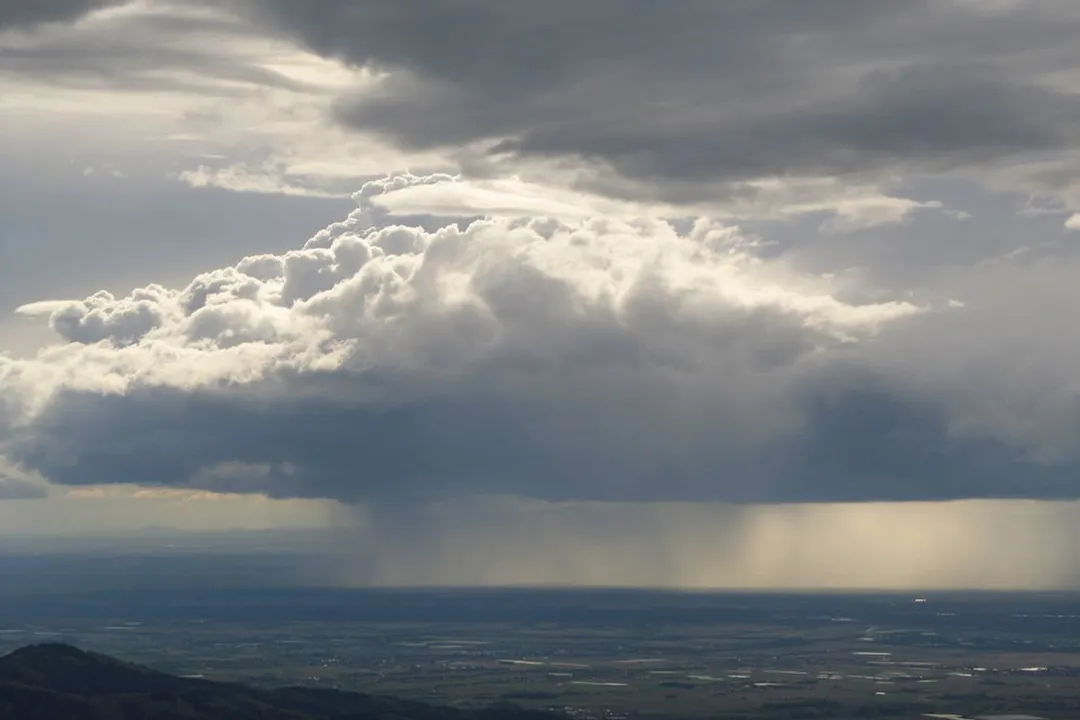
When the cloud is opposite the setting or rising sun, and the sunlit side faces away
When the sun is low, light travels through more atmosphere; if the sunlit side of the cloud faces away from the observer, the cloud will appear dark because the remaining ambient light is heavily filtered.
Related Questions
What physical phenomenon causes clouds to initially appear white?What is the most significant factor that causes a cloud to appear dark grey?When sunlight penetrates a thin cloud layer, how does it typically appear to the observer?Why does the base of a very thick cloud appear dark or nearly black?What is the most immediate, real-world implication of a cloud appearing significantly dark?Which type of cloud, consistently dark due to being horizontally extensive and thick, often signals steady, prolonged rain or snow?The darkest clouds, often associated with thunderstorms, are defined by their enormous vertical extent. What are these clouds called?What scenario can cause a deep, moisture-laden cloud to look dark without rain hitting the ground overhead?How do very large particles (like large raindrops or hailstones) contribute to a darker cloud base?What atmospheric condition is required for the development of dark, towering storm clouds that build great vertical mass quickly?Why do thin, wispy Cirrus clouds appear translucent or bright white rather than dark?When can a cloud appear dramatically dark due to the sun's position relative to the observer?