If a theoretical creature used copper-based respiratory pigments like hemocyanin, what color would its oxygenated blood exhibit?
Answer
It turns blue.
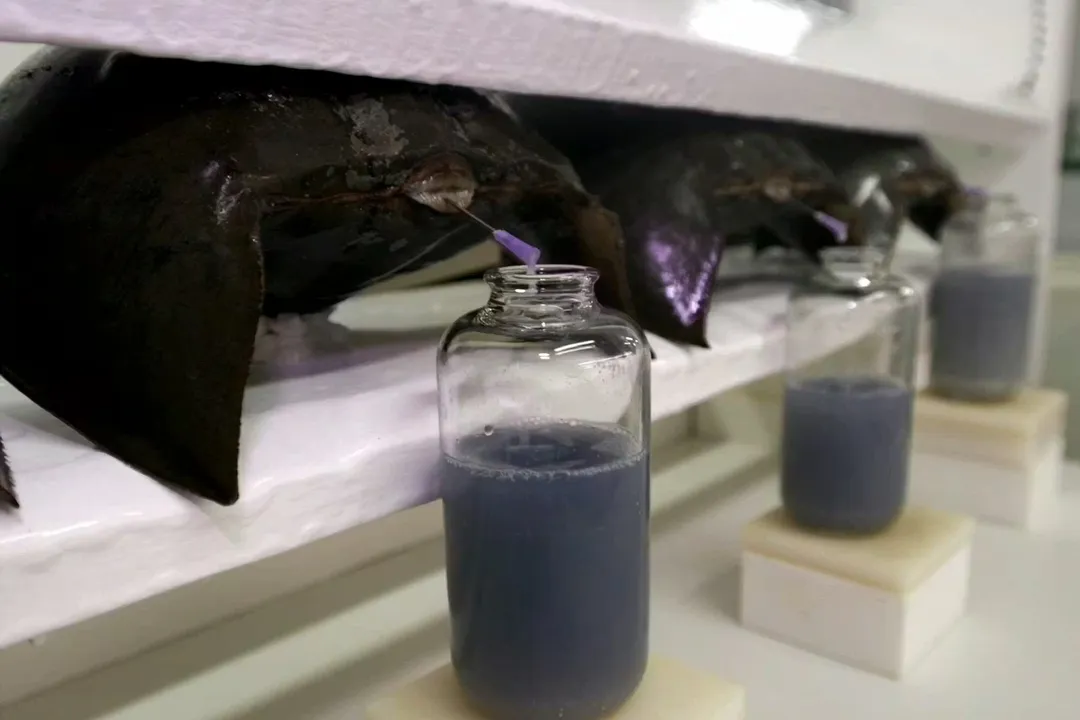
In contrast to iron-based hemoglobin, theoretical life forms utilizing copper-based respiratory pigments such as hemocyanin display a distinct color change, turning blue when oxygenated.
#Videos
What Color is Blood REALLY? (6 min version) - YouTube
Related Questions
What is the fundamental color of human blood when exposed to the near-perfect void of space?Which protein pigment is responsible for the characteristic red hue of human blood?What color is deoxygenated (venous) blood typically described as when observed in a vacuum environment?What causes veins on the skin to often appear blue when viewed through the body?What specific optical effect, which requires a medium like skin, is eliminated in a vacuum, causing the blue vein illusion to disappear?What rapid physical process occurs to the water content in blood when exposed to the lack of external pressure in a vacuum?How does the oxygen saturation of arterial blood change almost immediately upon exposure to an oxygen-depleted vacuum environment?What color is the resulting dried residue of blood likely to present as after rapid desiccation in space?If a theoretical creature used copper-based respiratory pigments like hemocyanin, what color would its oxygenated blood exhibit?In the context of viewing blood in a vacuum, what is necessary for the true spectral properties of the fluid to dominate what an observer sees?