Does the Earth reflect light?
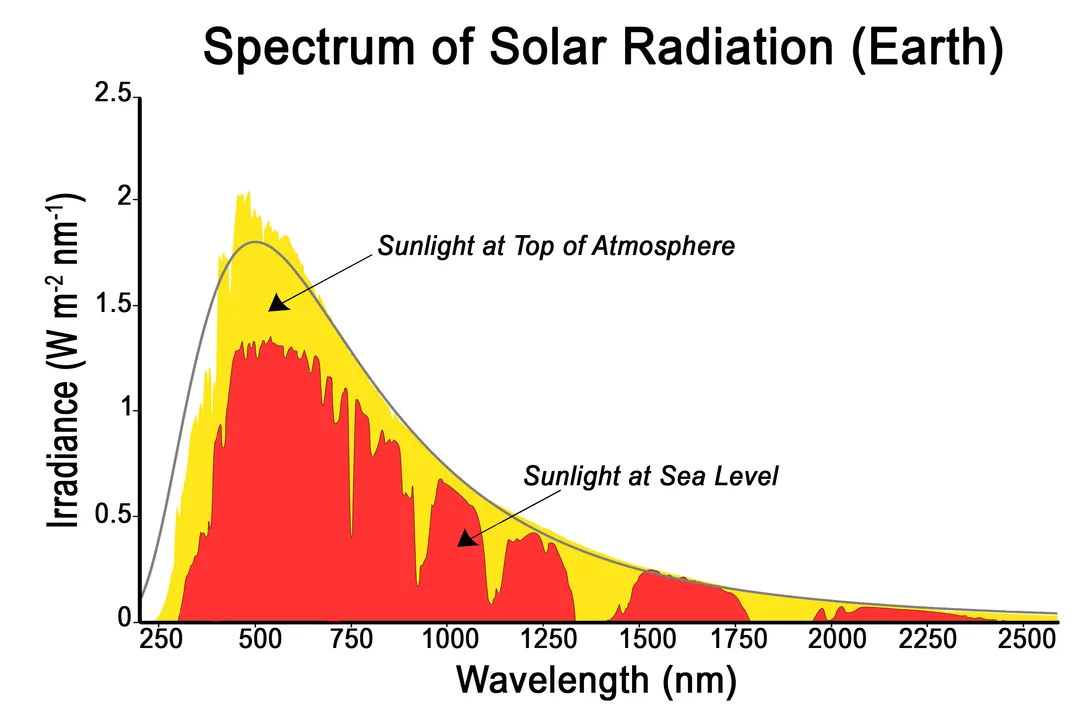
The Earth certainly reflects light; it has to, otherwise the Sun would illuminate only one side, leaving the rest in perpetual, absolute darkness, and we wouldn't see our planet as a bright blue marble from space. However, the amount of light reflected, and the way we perceive that reflection, is complex, involving surface composition, atmospheric interactions, and perspective relative to our nearest celestial neighbor, the Moon. [1][3] When discussing reflection from Earth, we are essentially talking about its albedo, which is the measure of how much solar radiation it bounces back into space. [2][9]
# Albedo Defined
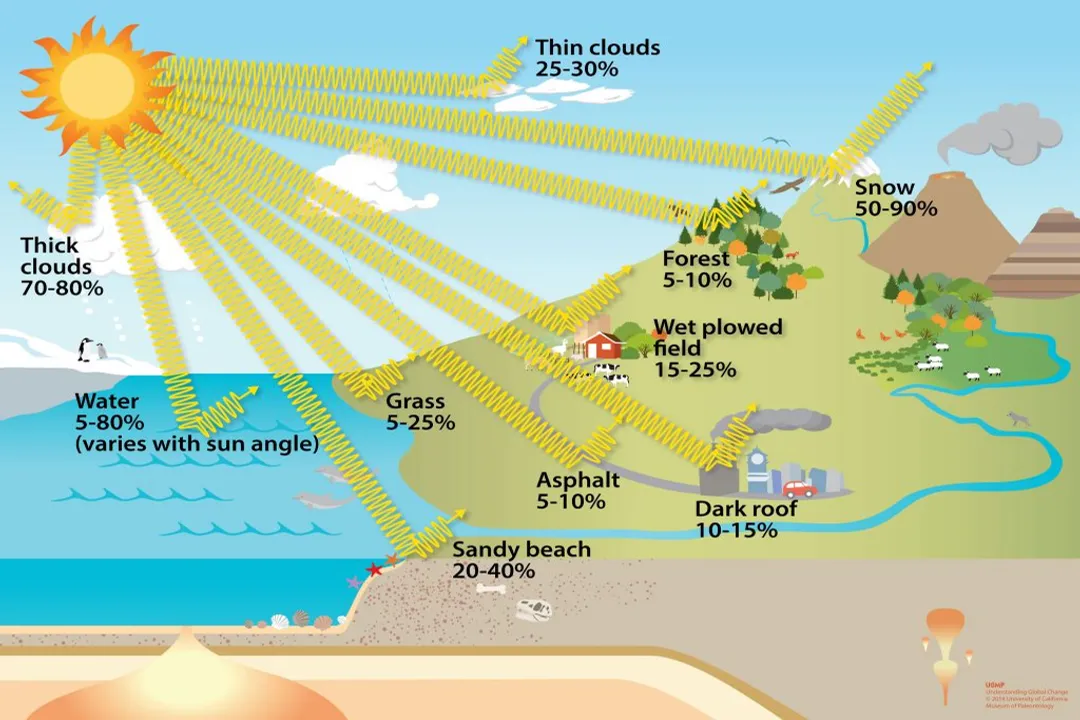
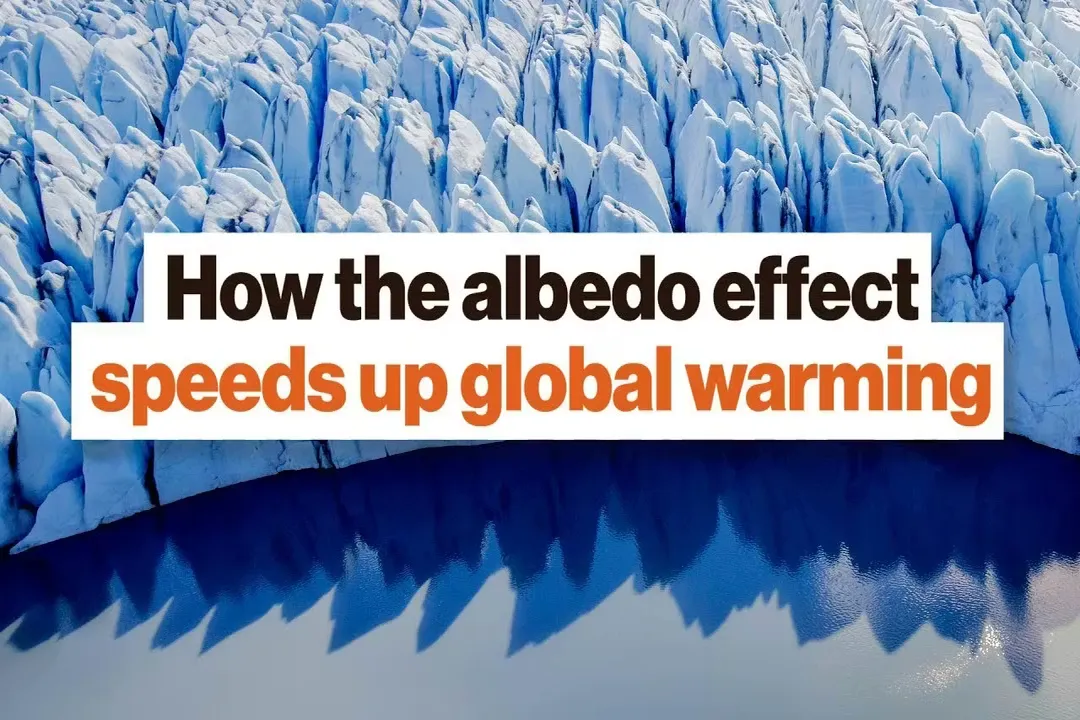
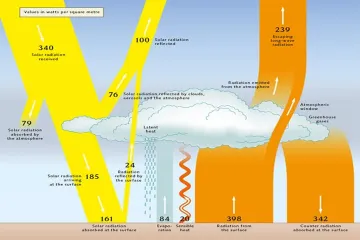
Albedo is a fundamental property describing the reflectivity of a surface, measured on a scale from 0 (perfect absorption, like a black body) to 1 (perfect reflection). [9] The Earth’s Bond albedo, which measures the total reflected shortwave radiation averaged over the entire planet across all wavelengths, is generally estimated to be around 0.30. [2] This means that, on average, roughly 30% of the sunlight hitting the planet is reflected back out into space. [9] The remaining 70% is absorbed by the surface and atmosphere, warming the planet, which is the core mechanism behind the albedo effect and its impact on global climate. [9]
The comparison often arises when contrasting Earth with the Moon. The Moon, when fully illuminated as seen from Earth, appears quite bright, yet its overall albedo is quite low—around 0.12. [2] This stark difference between the Moon’s low reflectivity (only 12% of sunlight reflected) and its perceived brightness from our vantage point stems entirely from our viewing angle and the Moon’s proximity. [5] In contrast, the Earth’s average albedo of 0.30 is significantly higher than the Moon’s. [2] If we could view the Earth from the Moon with the same equipment and conditions we use to view the Moon from Earth, the Earth would appear substantially brighter because it is reflecting more light per unit area. [5]
# Surface Differences
The reason for the discrepancy between the Moon's low reflectivity rating and its high visual impact for us lies in what makes up the reflecting surfaces. [1] The Moon’s surface is primarily composed of dark, ancient rock and regolith (dust) that has been exposed directly to harsh solar radiation and micrometeorite impacts for billions of years, resulting in a relatively poor reflector overall. [1][2]
Earth, however, is a dynamic world covered by a mix of highly reflective and highly absorptive materials. [3][8]
We can break down Earth's reflective components:
- Clouds: These are perhaps the most effective reflectors of incoming sunlight. Water droplets and ice crystals within clouds scatter sunlight very efficiently, often leading to high local albedo values. [3][6]
- Oceans: Covering about 71% of the planet, oceans are dark absorbers, especially when the Sun is high in the sky. They have a very low albedo, often reflecting less than 10% of the light that strikes them. [3][8]
- Land Masses: Reflectivity varies widely here, from bright, snow-covered mountains (very high albedo) to dark forests (low albedo). [3][8]
- Ice/Snow: Polar ice caps and fresh snow are the planet's best reflectors, sometimes achieving albedo values greater than 0.80. [3]
Because the Earth is constantly changing—clouds move, seasons shift snow cover, and the angle of the Sun changes throughout the day and year—the effective albedo we see from space fluctuates constantly. [3][8] This constant variability is something the static, airless Moon simply does not exhibit in the same dramatic fashion.
# Atmospheric Role
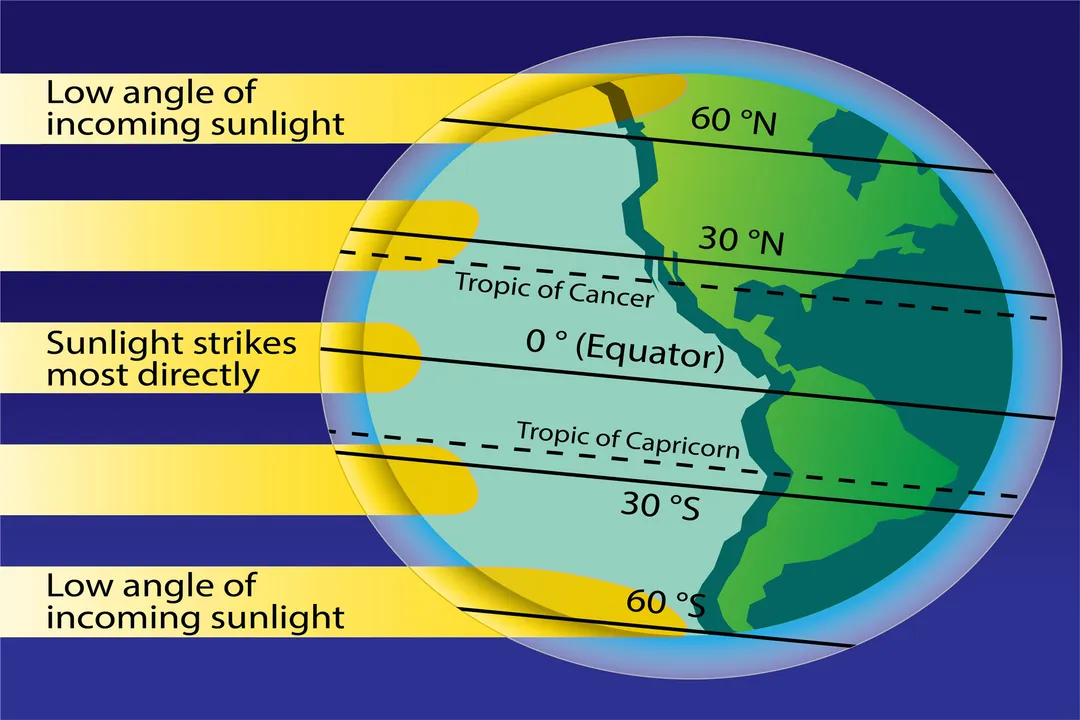
A crucial element distinguishing Earth’s light interaction from the Moon’s is the presence of our atmosphere. [6] The atmosphere doesn't just sit there; it actively participates in scattering and absorbing sunlight before it even reaches the surface, and then it scatters some of the light reflected from the surface as it travels back out. [6][4]
The atmosphere scatters light through processes like Rayleigh scattering (which is why the sky appears blue) and scattering by aerosols and cloud droplets. [6] This scattering means that some sunlight is reflected back into space directly by the atmospheric layer itself, contributing to the overall planetary albedo before surface reflection occurs. [6] Furthermore, for an observer looking down at the Earth, the atmosphere adds a certain diffuse brightness or haze that modifies how sharply defined the surface features appear, unlike the sharp contrast seen on the Moon. [6]
When considering what determines the light that makes it back to an outside observer, we must remember that the light we see coming from Earth is the sum of the light scattered by the air plus the light reflected by the land and water underneath it. [4] The interaction between incoming light and atmospheric gases, liquid water, and ice crystals dictates the final spectrum and intensity of reflected light. [4][6]
# Earthshine Seen
The reflection of sunlight off the Earth is most famously observable as Earthshine, which is the phenomenon that allows us to see the dimly lit portion of a crescent Moon. [2] When the Moon is thin in the sky (a crescent), the majority of the Moon’s surface is in shadow. However, that dark lunar surface is subtly illuminated by sunlight that has traveled to Earth, reflected off our clouds and oceans, and then traveled back to illuminate the Moon. [2][3]
This requires the light path to be: Sun Earth Moon Observer (Earth). [2] This effect is distinct from albedo which measures light reflected away from the planet, as Earthshine requires a second bounce off a secondary object. [2]
One interesting way to conceptualize the difference in brightness perception involves looking at the ratio. If you were standing on the Moon during its night, you would see the Earth shining down brightly. Because Earth’s average albedo is about 0.30, and the Moon’s is about 0.12, the light reflected by Earth is roughly 2.5 times more efficient than the light reflected by the Moon. [2][5] If you were to compare the fully illuminated Earth (Full Earth) to a Full Moon as seen from a shared distance, the fully illuminated Earth would appear significantly brighter to an observer on the Moon due to this ratio. [5]
When we consider the geometry of this situation, it’s fascinating how the reflectivity ratio, even when factoring in the atmosphere, results in such a noticeable visual effect on the Moon. [1][5] For instance, a study of Earthshine noted that the portion of sunlight reflected by clouds and water, while brilliant, is scattered in many directions, but the sheer coverage of highly reflective clouds often dominates the visual impression from space. [3]
# Brightness Comparison
The apparent contradiction—that Earth has a higher albedo (0.30) than the Moon (0.12), yet the Moon looks incredibly bright to us—highlights the importance of viewing geometry. When the Moon is Full, it is nearly perfectly facing the Sun relative to our line of sight, meaning we see almost no shadows, maximizing its reflected light toward us. [5] The light we receive is concentrated directly back along the path it came from, an effect known as opposition surge. [5]
Earth, on the other hand, is rarely seen by an external observer (like an astronaut on the Moon) in a perfect opposition state, and more importantly, the Earth’s reflected light is spread out over a much larger apparent area. [5]
To put this into perspective using the established albedos: if an astronaut orbits the Moon, they see the Earth shining with about 45 times the intensity of the Full Moon as seen from Earth. [5] This massive difference is not just due to the albedo ratio (2.5:1), but also the geometric advantage of the Earth’s size and atmospheric scattering combined with the viewing perspective from the Moon. [5] From the Moon, you are looking at a disk that is roughly four times larger in apparent area than the Full Moon appears to us from Earth, which magnifies the brightness differential considerably. [5]
If you were to track the illumination of the Moon over its cycle, you could perform a simple estimation exercise. If the Moon’s surface reflects 12% of light, and Earth’s surface plus its atmosphere reflects 30%, imagine painting the entire Moon surface white (an albedo approaching 1.0). The resultant reflected light from that hypothetical Full White Moon would be so intense that it would likely make the night sky unobservable to human eyes, similar to looking at a bright cloud surface on a sunny day. [4] Since the actual Moon is relatively dark, its brightness is a function of its proximity, not inherent surface quality.
# Surface Variations
Diving deeper into the regional albedo values helps explain why Earth’s overall average is what it is. While we look at an average of 0.30, localized measurements show extreme variance. [3][8]
Consider two extreme environments:
| Environment | Dominant Feature | Approximate Albedo Range | Reflection Type |
|---|---|---|---|
| Polar Regions | Fresh Snow/Ice | 0.70 – 0.90 | High Scattering |
| Tropical Oceans | Deep Water | 0.06 – 0.10 | High Absorption |
This table clearly illustrates the planetary dichotomy: the white, icy areas push the global average up, while the vast blue oceans pull it down. [3][8] The atmosphere acts as a veil over these differences, often obscuring the true surface texture from a distant perspective. [6] The constant cycling of water—evaporation, cloud formation, precipitation, and ice melt—ensures that the Earth’s overall reflective signature is in perpetual motion, unlike the static, airless reflection from the Moon. [3] The presence of liquid water, a near-universal solvent and excellent absorber, is the single greatest factor keeping Earth’s albedo significantly lower than it would be if it were a dry, rocky world like Mars or the Moon. [4]
#Citations
Why doesn't the Earth reflect the light from the Sun as much ... - Quora
Earthlight - Wikipedia
Earthshine - NASA Science
Absorption / reflection of sunlight - Understanding Global Change
Is the Earth brighter in the Moon's sky than the Moon is in our sky?
Section III: Light & the Atmosphere - NASA PACE
The Sun's impact on the Earth
Earth is reflecting less light. It's not clear if that's a trend
What is The Albedo Effect And How Does it Impact Global Warming?