Does a super moon affect your mood?
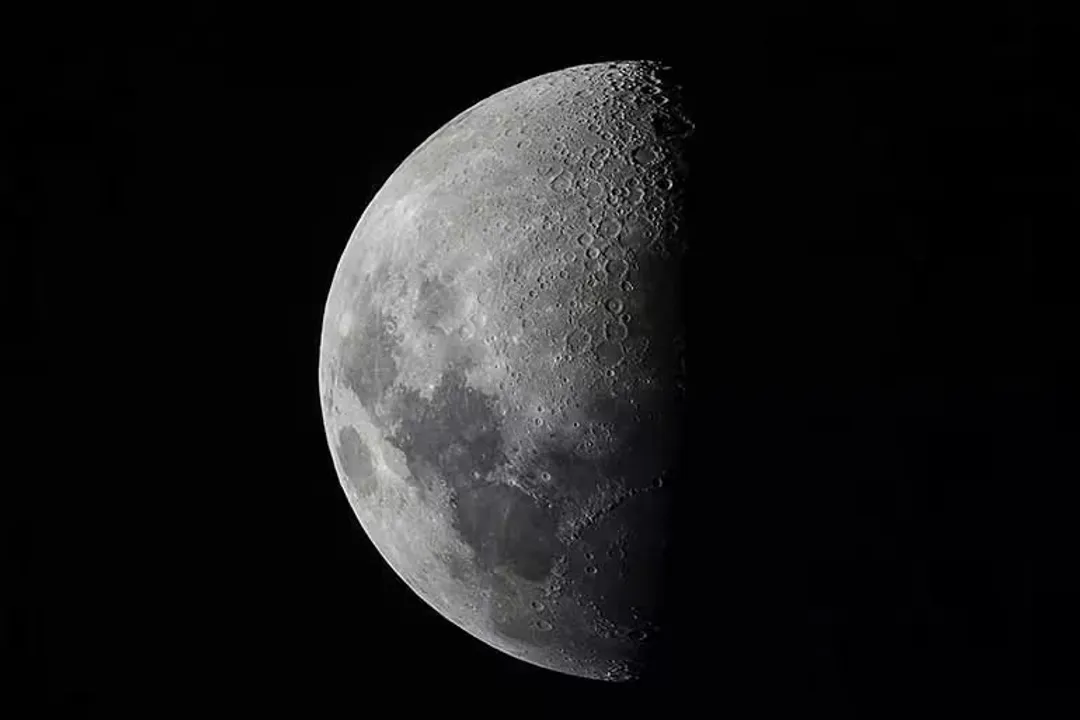
The feeling that the night sky holds sway over our daily temperament—a sudden spike in irritability, unusual restlessness, or an overwhelming sense of emotional intensity—is a common human experience when a particularly bright full moon hangs overhead. This heightened awareness, particularly during a supermoon, often leads people to question if celestial mechanics truly dictate personal well-being. [2][7] While many anecdotal accounts suggest a powerful connection between lunar phases and human mood, the scientific community often approaches these claims with measured skepticism.
# Evidence Base
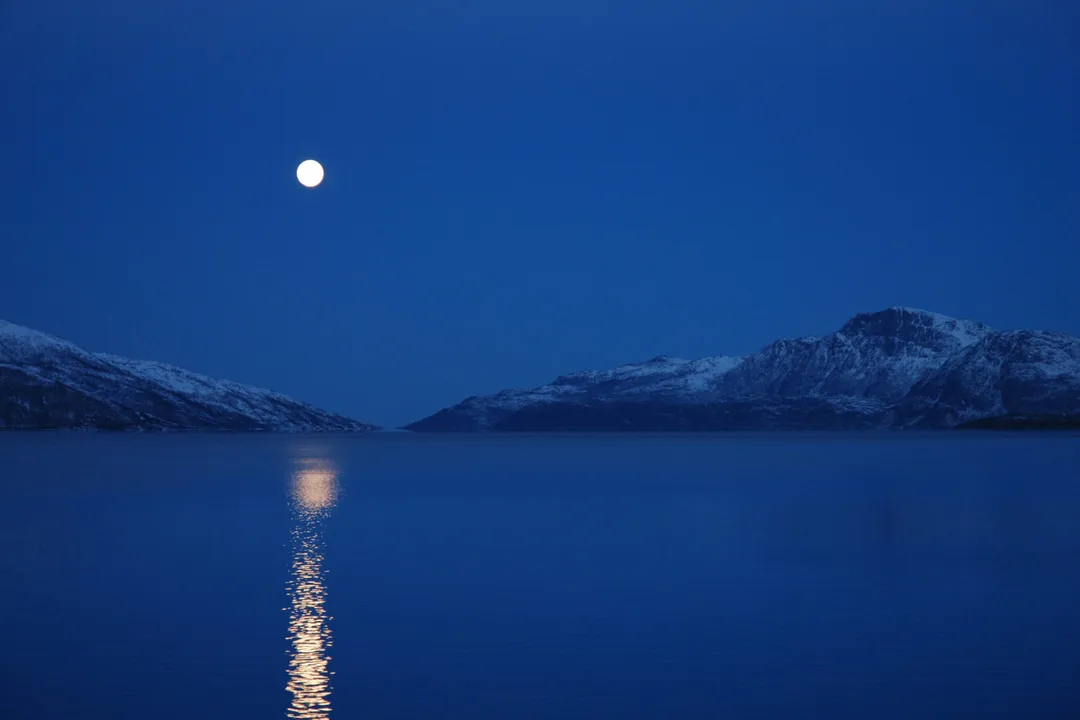
When scientific researchers investigate the purported effects of the full moon on human behavior, the results frequently fail to show a measurable link. [1][8] Numerous studies, which often look at large datasets like hospital admissions, psychiatric facility intake, or reported crime statistics, have generally concluded that full moons do not correlate with significant, predictable surges in these activities. [1][3] For instance, investigations into emergency room visits, police reports, and even suicide rates have found no consistent pattern suggesting the moon's phase causes a spike in these crisis events. [8]
Despite these findings, the persistence of the belief is undeniable. Some research has hinted at subtle physiological shifts, perhaps connected more generally to the lunar cycle than the full moon specifically. For example, one study observed that subjects experienced less deep sleep during the full moon phase, even when tested in a lab setting devoid of natural light cues, suggesting a potential biological rhythm at play, though the exact mechanism remains elusive. [10] Other sources point out that when people expect to feel something, they are naturally more attuned to noticing those feelings when they occur, a phenomenon heavily influenced by suggestion and cultural narratives. [2]
# Moon Mechanics
A supermoon is not a mystical event but a specific alignment of celestial positions. It occurs when a full moon happens at the same time the moon reaches perigee—its closest point to Earth in its elliptical orbit. [5] This proximity means the moon appears slightly larger—about 14% bigger—and noticeably brighter than an average full moon, though the difference can be hard to spot without careful comparison. [5][6]
The primary physical influence the moon exerts on Earth is through gravity, causing ocean tides. [3] However, the gravitational difference between a full moon at perigee (supermoon) and an apogee (farthest point) moon is extremely small relative to the Earth's overall gravitational field. [6] The minor increase in tidal force during a supermoon is unlikely to translate into a noticeable physical or emotional impact on a human body composed mostly of water and land, given the massive scales involved. [3] The difference in gravitational pull is simply not substantial enough to directly alter human brain chemistry or mood states. [6]
# Reported Feelings
The most frequently cited effect people report during intense lunar phases is disruption to their sleep quality. [9] Beyond just noticing the brighter night sky, some individuals describe feeling restless, anxious, or having trouble falling or staying asleep when the moon is full. [10] Whether this is a direct effect of subtle light changes penetrating through window treatments or purely psychological is difficult to separate, but the experience of poor sleep certainly translates into moodiness the following day.
It is easy to see how easily anecdotal patterns take hold. If you have a stressful day on the night of a full moon, the mind often links the two events, especially if friends, family, or social media have primed you to expect a change. [2] This cycle of expectation, observation, and confirmation reinforces the perception of lunar influence over time. Think about how often we attribute specific moods to the weather—a gray, drizzly day often feels oppressive, even if our internal state is unrelated to the atmospheric pressure. [4] The moon often inherits a similar role as a convenient emotional scapegoat or validator.
# Light Effects
While gravitational effects are dismissed by most scientific consensus, the visual aspect of a supermoon warrants a closer look, especially concerning sleep. [10] A full moon at perigee delivers significantly more ambient light than a new moon or a moon near its farthest point. [5] In our modern existence, where we are constantly bathed in controlled, consistent artificial light—from street lamps to the screens we use just before bed—our internal circadian rhythms may have become more sensitive to unexpected shifts in natural illumination. [10] For people living in rural areas or those sensitive to light pollution, this brighter night could genuinely suppress melatonin production, making restful sleep harder to achieve. [10] If your sleep hygiene is already precarious, this added natural light could be the tipping point that makes you feel irritable or foggy the next day, entirely independent of any tidal or mysterious force.
# Cultural Roots
The concept of the moon influencing human experience is ancient and deeply ingrained across countless cultures and spiritual practices. [4][5] Many belief systems view the full moon as a time of heightened feminine energy, culmination, or emotional peaking—a time when things that have been growing or building finally come to fruition. [4] In some contexts, like certain practices associated with the Cold Moon in December, the focus is less on the specific brightness and more on marking the seasonal transition and preparing for winter rest. [9] These traditional associations carry significant cultural weight, offering a narrative structure for understanding internal emotional fluctuations that might otherwise feel random or distressing. [5] Understanding this cultural framework helps explain why the belief persists even when direct medical validation is absent.
# Personal Tracking
Since established science doesn't confirm a direct effect on your mood, but your personal experience feels real, the most productive approach might be focused self-observation rather than accepting sweeping generalities. [2] Instead of waiting for a full moon and bracing for impact, try mapping your personal cycle against the lunar cycle for a few months. Keep a brief, daily log noting your general mood (e.g., calm, energized, irritable, tired) and the current phase of the moon. Don't just note the full moon; track the quarter moons and the new moon as well. This simple act of data collection allows you to see if your body consistently reacts to the full moon, or if the three or four days surrounding the peak brightness are when you genuinely notice a difference in your sleep or energy levels. Over time, this personal data record can be far more valuable than any generalized study for managing your own internal calendar.
If you find you are genuinely more restless around the full moon, focus on preemptive sleep hygiene during that window. This means doubling down on dimming the lights an hour before bed, perhaps investing in blackout curtains if nighttime illumination is an issue, and perhaps engaging in calming pre-sleep routines like reading a physical book instead of scrolling a bright phone screen. [9] By addressing the observable factor—light and its effect on rest—you can often mitigate the perceived mood effects, regardless of the moon's actual gravitational tug.
Related Questions
#Citations
Does The Moon Affect Humans? - Health Cleveland Clinic
Why Do Some People Feel the Effects of the Full Moon More Than ...
Do full moons and supermoons really influence people and animals?
Supermoon effects on emotions and relationships - Facebook
How the moon affects your mood - Pure Arts Group
5 Things to Know About Supermoons - Adler Planetarium
For some reason, I get moody when there is a full moon. I just ...
How Does a Full Moon Affect Our Physical and Mental Well-Being?
What is the cold moon and do supermoons really affect your health?
'I'm a sleep expert, here's why supermoons cause chaos with your ...