Could life have come from an asteroid?
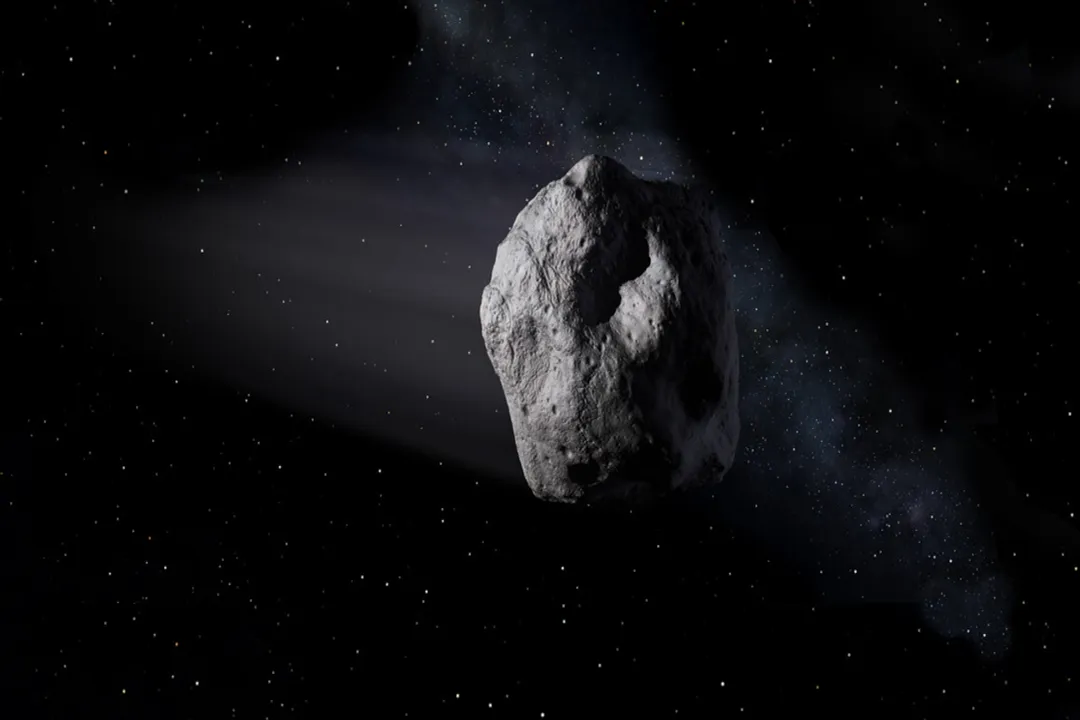
The narrative of life beginning solely within Earth’s surface primordial soup is facing increasing revision, thanks to materials collected from billions of kilometers away. When we examine the dust and rock retrieved from ancient asteroids, we are essentially opening time capsules from the very beginning of our solar system, and what these capsules contain are not simply inert minerals, but surprisingly complex chemical precursors to biology as we know it. This realization pushes the question of our origins beyond terrestrial chemistry and squarely into the domain of the cosmos, suggesting that the blueprint for life—if not life itself—may have arrived via an extraterrestrial delivery service involving meteoroids, comets, and asteroids.
# The Divide
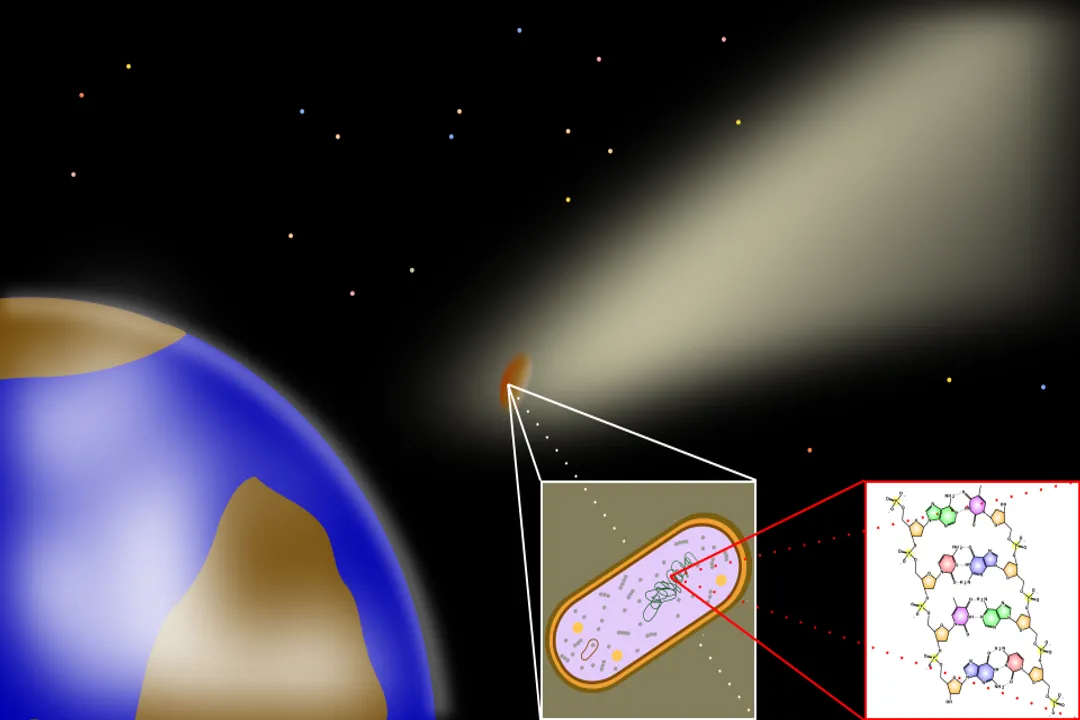
Understanding the space-to-Earth connection requires separating two distinct, though related, concepts. The term Panspermia traditionally refers to the hypothesis that actual, living organisms—like bacterial spores—can survive space travel, become embedded in debris from a planetary collision, and seed life on another world. This idea, dating back to ancient philosophers, gained traction in the 19th century when scientists realized that early Earth conditions were likely too harsh for life to spontaneously form while the planet was still accreting. However, mainstream science generally views panspermia as a fringe theory because it faces significant, perhaps insurmountable, hurdles: surviving the vacuum, radiation, and extreme temperatures of deep space, followed by the scorching heat of atmospheric entry. Furthermore, critics correctly point out that transporting existing life only relocates the mystery of abiogenesis—the process of life arising from non-living matter—to another celestial body.
A much more accepted concept, frequently termed Pseudo-panspermia, addresses the chemical foundation of life rather than living organisms. This hypothesis posits that the essential organic molecules needed to kickstart biology formed in space and were delivered to Earth via impacts. This distinction is vital: we are discussing the delivery of ingredients like amino acids and the components of DNA, not the delivery of self-replicating cells.
# Cosmic Cargo
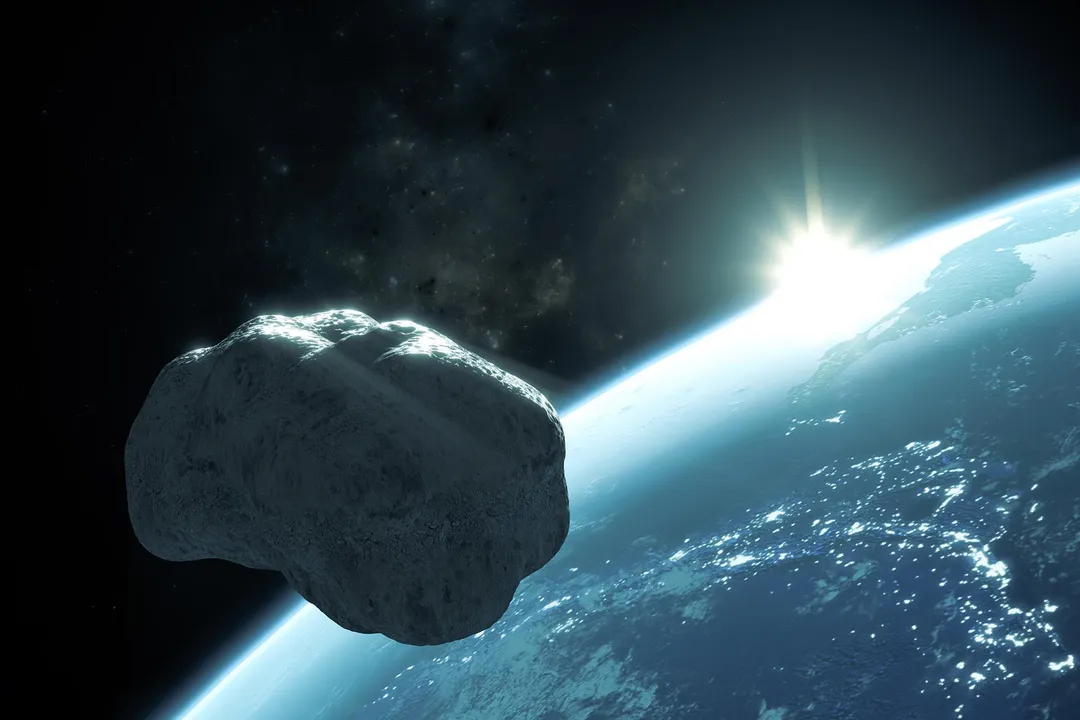
The argument for extraterrestrial ingredients has been dramatically strengthened by recent space missions. For decades, scientists studied meteorites that naturally fell to Earth, finding various organic compounds in rocks like the Murchison meteorite. While encouraging, these findings were always shadowed by the possibility of terrestrial contamination after impact. The game changed with sample return missions that brought pristine, uncontaminated material directly from asteroids in the main belt.
The OSIRIS-REx mission returned samples from the asteroid Bennu to Earth in early 2025, and initial analysis was stunning. Scientists found an unprecedented diversity of complex molecules and minerals. Crucially, the Bennu samples contained not only a dozen or more protein-building amino acids but also the five essential nucleobase building blocks that make up all terrestrial DNA and RNA. Researchers noted that Bennu’s parent body likely harbored underground brine lakes, and the salts left behind resembled those found in dry lake beds on Earth. The presence of compounds like ammonia and, significantly, phosphates—a molecule absolutely crucial for life—were also confirmed in these samples, further bolstering the case for an extraterrestrial contribution to Earth’s chemical inventory.
A similar mission, JAXA’s Hayabusa2, delivered samples from the asteroid Ryugu. Analysis of this material, which appears as dark-gray rubble, confirmed the presence of uracil, a key chemical component of RNA, and niacin, widely known as Vitamin B3. Niacin acts as a cofactor in many metabolic processes, suggesting that asteroids might have provided more than just the genetic instructions; they might have supplied the necessary chemical machinery for early metabolism too.
The materials are generally sourced from carbonaceous asteroids (like C-type bodies, which Bennu and Ryugu resemble) or potentially comets, which are thought to have delivered much of Earth’s water initially. The fact that nucleobases, sugars, and peptides (chains of amino acids) have now been detected across samples from different asteroid types suggests these prebiotic molecules are common across the solar system, not isolated anomalies.
# Genetic Foundations
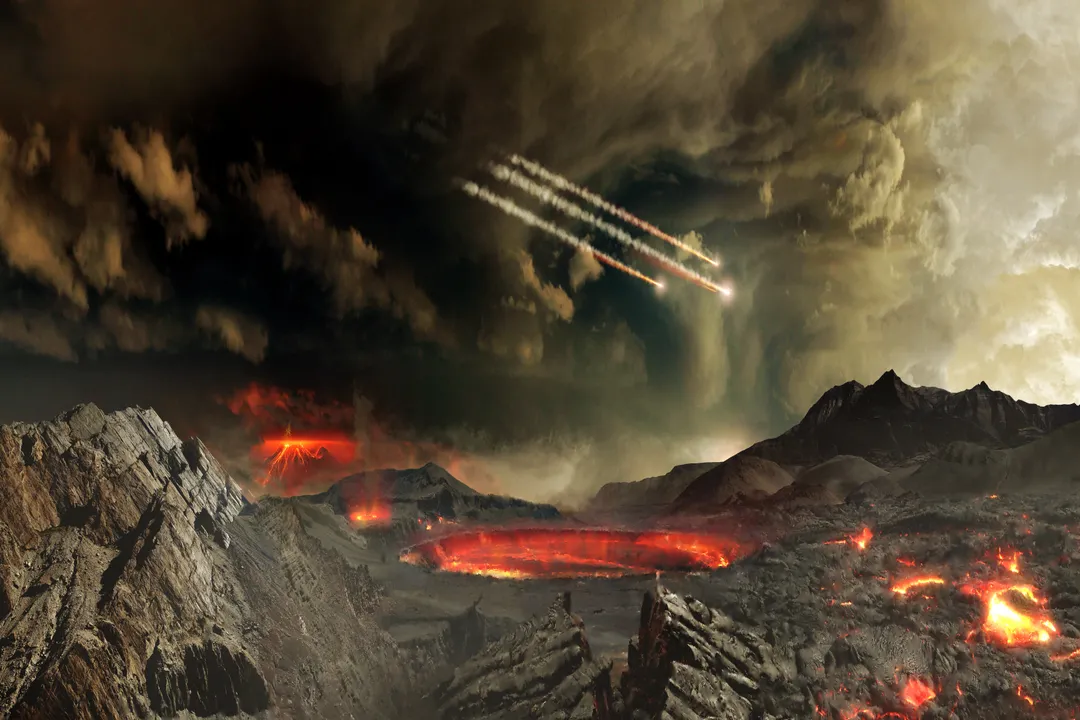
The bedrock of life, chemically speaking, relies on the nucleobases: adenine, guanine, cytosine, thymine, and uracil. Finding all five in extraterrestrial rocks solves a major piece of the puzzle regarding where the starting material originated. A study published in Nature Communications confirmed the presence of the final, most fragile components—cytosine and thymine—in ancient meteorites.
What made this discovery possible was a methodological refinement akin to brewing coffee: scientists moved away from aggressive methods to gentler extraction. Older techniques created a "meteorite tea" using hot, highly reactive solutions, potentially destroying these delicate molecules. The breakthrough involved using cool water extraction, described as a "cold brew," paired with more sensitive analytical equipment capable of detecting smaller quantities. This technical advance not only confirmed the building blocks were extraterrestrial but also provided a superior method for analyzing future samples, such as those expected from the OSIRIS-REx mission.
The finding that the complete set of nucleobases can form abiotically in space provides compelling evidence that the genetic code may have been assembled outside the Earth system. It suggests that when the Earth first cooled enough to support liquid water, the necessary alphabet for writing the book of life was already present, having survived the transit from the asteroid belt or beyond.
# Advanced Chemistry
The evidence does not stop at the fundamental letters of the genetic code. Recent laboratory work has pushed the complexity even further by simulating the conditions found in interstellar molecular clouds—the birthplace of stars and planets. Researchers recreated the cold, low-density environment, combining simple compounds: carbon, carbon monoxide, and ammonia.
The results showed that these raw materials could combine naturally to form peptides, which are short chains of amino acids. Peptides are critical because they can act as catalysts, speeding up the specific chemical reactions required for the next step toward self-replication. If these peptides were forming in the cold clouds where asteroids and comets originated, they would have been incorporated into those icy bodies and delivered to the early Earth. This implies that the ingredients supplied by space included not just the passive blueprints (nucleobases) but also the active machinery (catalytic peptides) needed to assemble the first self-reproducing systems.
# Timing the Delivery
It is fascinating to consider the context of early Earth. The period following the planet's formation was marked by intense bombardment, often referred to as the Late Heavy Bombardment. While the delivery of water via icy bodies is widely accepted, the timing of the delivery of complex organic material is key. Some theories suggest that the most destructive impact phase would have vaporized or destroyed any delicate organic molecules that landed too early. The fact that essential, relatively fragile molecules like nucleobases have been found in rocks from asteroids that formed in the relatively calmer conditions of the asteroid belt suggests a scenario where these materials were being supplied continuously or during a later, less globally catastrophic period.
If we map the general timeline, the formation of the solar system was about 4.6 billion years ago, and life appeared relatively quickly after Earth cooled enough for stable water, around 3.7 billion years ago. Given the sheer scale of time available for chemical evolution in the universe—which is far older than Earth—it seems statistically plausible that an improbable event like the assembly of complex organic molecules would have occurred elsewhere before the conditions on Earth became favorable. The delivery mechanism essentially acts as a cosmic "fast-forward" button for abiogenesis. Considering the intense energetic processes involved in early planetary differentiation on Earth, the stability of organic synthesis within a massive, protected asteroid might have offered a better chemical incubation environment than the surface of the young, volatile Earth itself. The argument shifts from could life start on Earth to why complicate the process when the necessary infrastructure seems to have been available for shipping?
# The Jump to Life
While the evidence for cosmic chemical delivery is strong—especially with the complete set of nucleobases and catalytic peptides accounted for—the critical, terrifying gap remains the leap from non-living chemistry to the first self-replicating entity. Whether that jump happened in a terrestrial pond, a deep-sea vent, or within a puddle of meltwater inside an asteroid, the delivery of pre-formed components undeniably provides a superior starting point for terrestrial abiogenesis.
If we consider the various components required for even the simplest hypothesized early metabolism, it's clear that a singular source is better than many disparate ones. The discovery of Niacin (Vitamin B3) on Ryugu is particularly suggestive in this regard. Niacin is a precursor to NAD/NADP, vital cofactors in energy transfer. This suggests that the extraterrestrial contribution wasn't just the genetic code (the nucleobases), but also the necessary metabolic starter pack required to harness energy and build larger structures. A cosmic delivery that includes both the instructional manual (nucleobases) and the essential energy-transfer molecules (like niacin precursors) would represent a massive advantage for prebiotic evolution on the receiving planet.
The question of whether life originated on Earth or was seeded by space rock fragments remains scientifically untestable for the latter—the original panspermia theory. We cannot analyze the ancestral microbe’s DNA to trace its lineage back to a specific interstellar spore, largely because mutation and natural selection erase the original signatures over billions of years. However, the mounting evidence for pseudo-panspermia suggests that whatever process led to life here—abiogenesis—was significantly aided by a steady supply of complex, ready-made chemistry raining down from the sky. The evidence strongly indicates that Earth did not have to build its biological foundation from scratch; it simply had to assemble the pre-delivered components.
#Videos
Building Blocks of Life Discovered on Distant Asteroid | NOVA | PBS
#Citations
Could the Blueprint for Life Have Been Generated in Asteroids?
Is it possible that life on earth originated from extraterrestrial ... - Reddit
Panspermia - Wikipedia
'It blew us away': how an asteroid may have delivered the vital ...
Building Blocks of Life Discovered on Distant Asteroid | NOVA | PBS
Life on early Earth could have been seeded by comets, meteorites
Meteorites could have brought DNA precursors to Earth
Asteroid Discovery Suggests Origin Of Life on Earth Came From ...