Can humans reproduce on Mars?
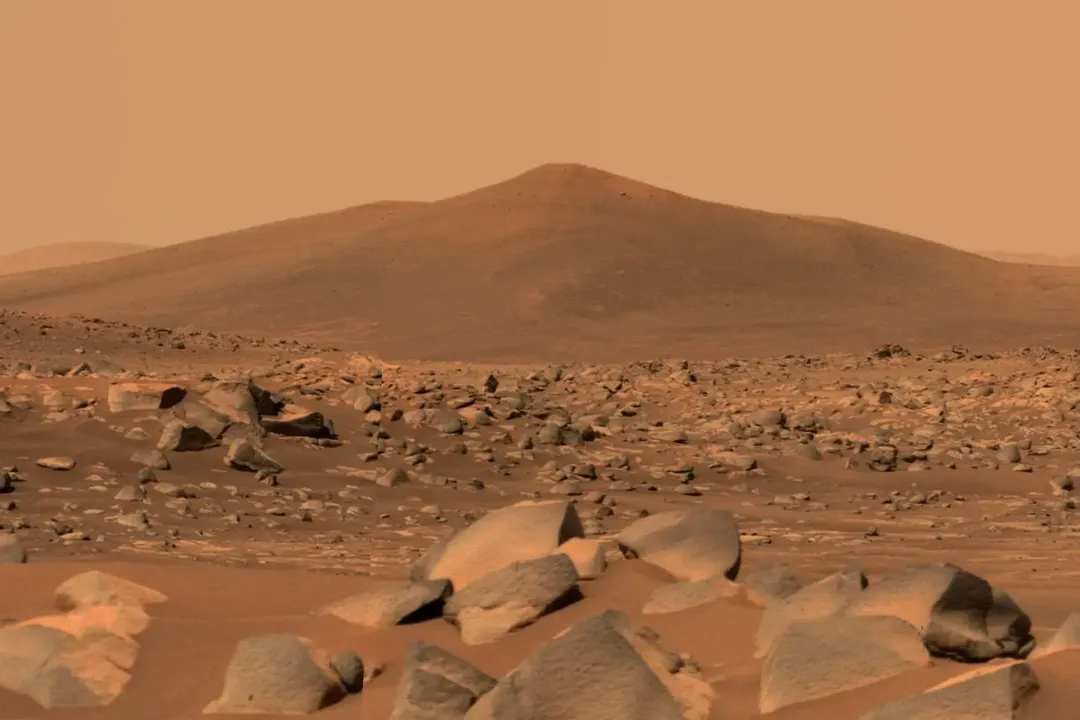
The vision of establishing a permanent human presence on Mars inevitably raises a fundamental question: can we raise the next generation there? Settling a new world is not just about putting boots on the ground and setting up initial habitats; it requires the long-term sustainability provided by self-sufficiency, which hinges entirely on successful human reproduction away from Earth's cradle. The transition from short exploratory missions to true colonization requires overcoming biological barriers that are arguably far more complex and less understood than building a pressurized dome. This challenge moves rapidly from engineering into the realm of deep biology, radiation physics, and even philosophy, demanding we confront just how hostile the Red Planet is to human gestation and development. [2][8]
# Martian Conditions
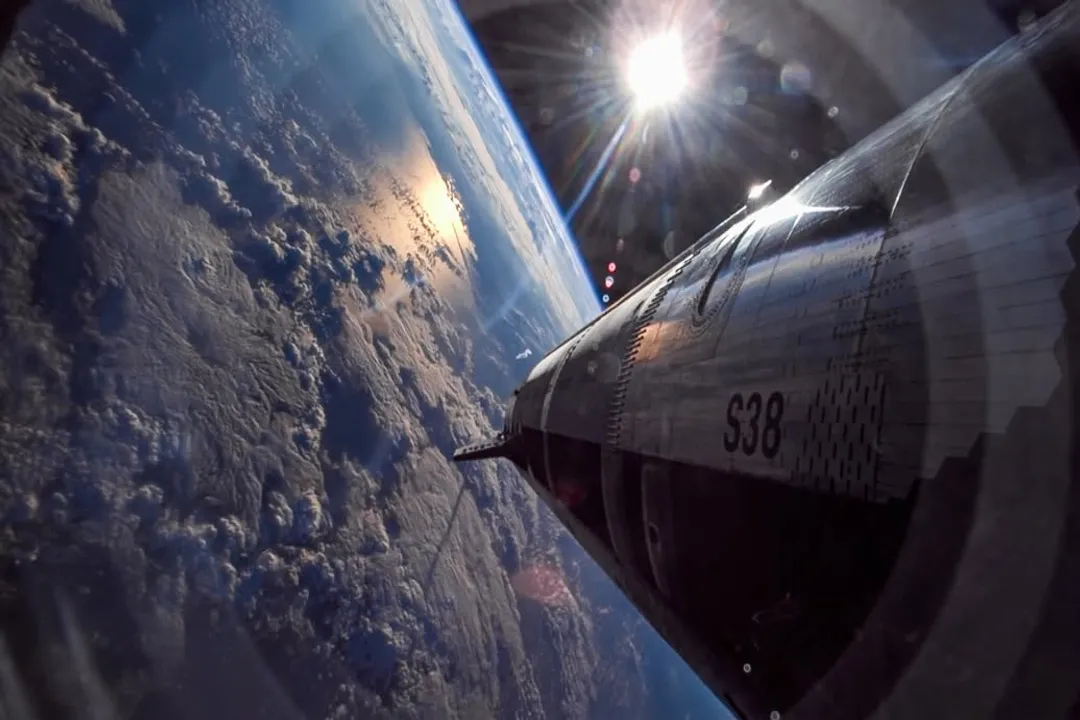
The environment awaiting potential Martian parents presents a tripartite threat to life as we know it: near-vacuum pressure, intense radiation, and low gravity. [4][2] Mars possesses an atmosphere so thin—less than one percent of Earth's pressure at sea level—that liquid water boils away instantly on the surface, making an unpressurized environment instantly fatal. [4] Any attempt at conception or gestation would need to occur within highly controlled, sealed environments, much like a robust, sealed habitat or underground complex, which one perspective suggests might be the only way to safely conceive on Mars. [1]
Radiation is perhaps the most cited existential threat to biological processes outside Earth's protective magnetic field and thick atmosphere. Mars lacks a global magnetic field, leaving its surface bombarded by solar energetic particles (SEPs) and galactic cosmic rays (GCRs). [4] Studies examining the effects of space radiation on terrestrial life show significant concerns for DNA integrity, which is central to successful reproduction, from gamete survival to embryonic development. [7] While Earth-bound astronauts are shielded by the International Space Station’s structure and Earth’s magnetosphere, Martians would face continuous, unfiltered exposure, necessitating significant shielding for any long-term habitat. [2][8] This shielding requirement strongly favors subsurface construction to leverage the natural regolith as a radiation barrier. [8]
The third major variable is gravity. Mars has about $38%$ of Earth’s gravity. [4] While low gravity is a known challenge for adult bone density and muscle mass during long-duration stays, its impact on the delicate processes of fertilization, implantation, and fetal development remains largely theoretical. [8] We have zero experience in humans gestating in partial gravity. Early research on animal models in space has yielded mixed results or shown abnormalities, suggesting that the mechanics of gravity, which influence fluid shifts and cell signaling, might be necessary for normal development. [7]
# Biological Obstacles
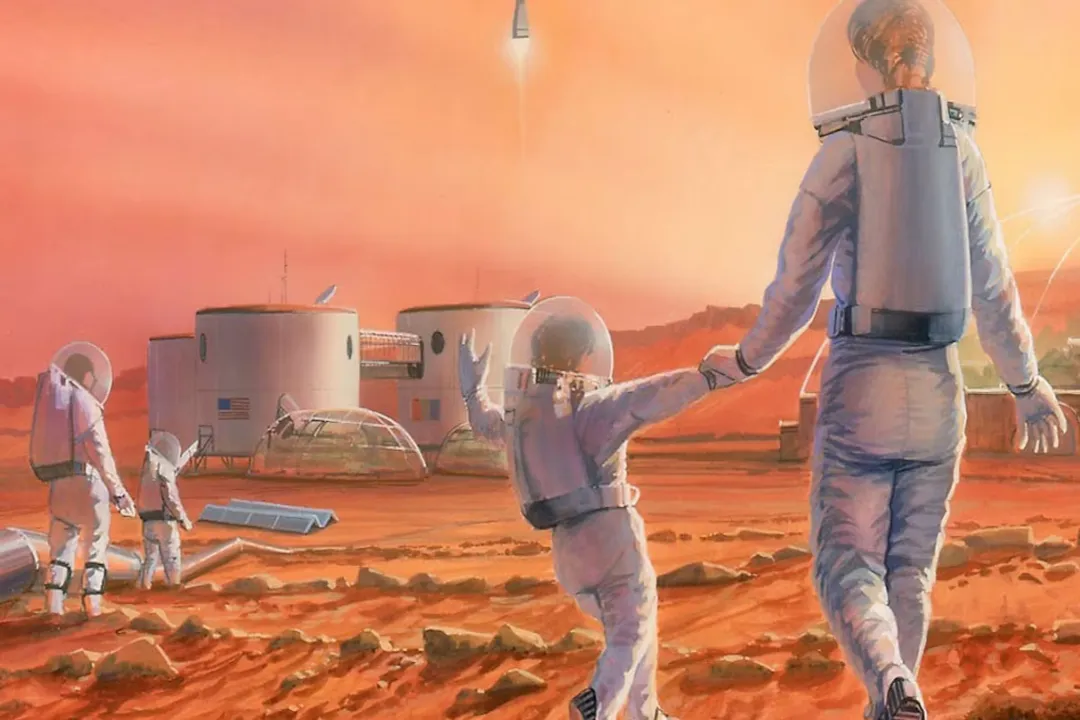
Beyond the external physical dangers, the act of reproduction itself faces internal hurdles, particularly concerning reproductive cells. Research has indicated that the harsh radiation environment of space is detrimental to both sperm and eggs. [6] Radiation exposure can lead to genetic mutations in germ cells, meaning that even if a pregnancy initiates successfully, the resulting zygote may carry significant and potentially lethal genetic damage. [7]
If fertilization occurs, the subsequent stages of development introduce new, unknown variables. Terrestrial pregnancy relies on the specific, constant gravitational pull of Earth to guide everything from placental formation to fluid distribution within the fetus. [8] Without this benchmark, scientists are unsure if a Martian fetus could develop correctly. One critical unknown revolves around the cardiovascular system and the vestibular (balance) system development in low gravity; a child adapted to may not have the necessary physical structures to cope with Earth's if they ever visited. [9]
Considering the current state of knowledge, an early Martian colony would likely face an extraordinarily high failure rate for pregnancies, whether due to spontaneous abortion from genetic damage or developmental failure in utero. [2] This reality demands that the first generation of Martian settlers must be those who have already completed their reproductive cycles or those willing to accept a high degree of risk for their offspring's viability, a point often debated in ethical circles. [3]

# Habitat Engineering
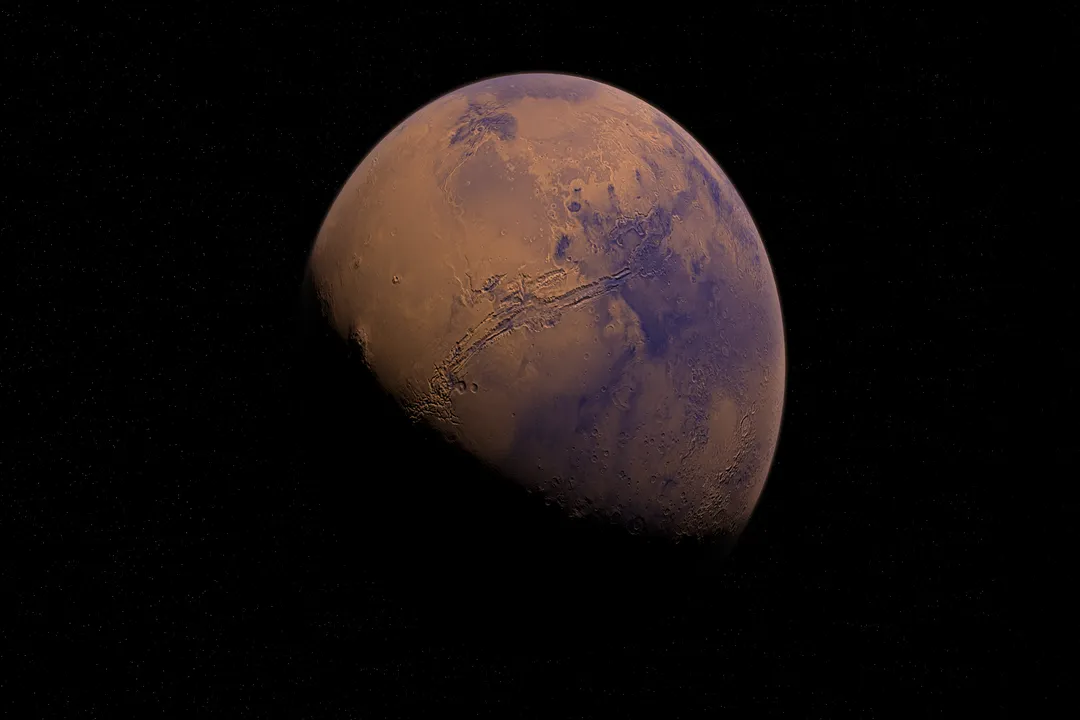
The requirement for protection dictates that reproduction must occur inside highly engineered environments. Current conceptualizations lean heavily toward subsurface habitation to maximize radiation shielding from the overlying Martian soil, or regolith. [8]
If we envision a baseline scenario for a first-generation Martian family, they would reside in pressurized modules, perhaps built into lava tubes or buried beneath several meters of regolith. For context, achieving radiation protection equivalent to Earth's surface would require several meters of mass shielding above the living quarters. [8] This level of infrastructure means that reproduction is not just a biological event; it is an engineering milestone. A successful pregnancy is a direct measure of the habitat's integrity, life support systems' reliability, and the colony’s ability to manage closed-loop systems for extended periods. [1] Failure in air recycling, water purification, or power generation for even a few days could prove catastrophic to a developing fetus, far more quickly than for an adult. [2]
Here is a rough comparison of protection mechanisms proposed for an early Martian habitat focused on supporting gestation:
| Protection Method | Primary Shielding Material | Approximate Reduction in GCR Dose | Notes |
|---|---|---|---|
| Surface Dome (Pressurized) | Thin Aluminum/Polymer Walls | Minimal | Unacceptable for long-term fetal development [8] |
| Subsurface Module | 5 Meters of Martian Regolith | High (Near Earth Equivalent) | Logistically complex; requires heavy excavation [1] |
| Water/Waste Tanks Shielding | Onboard Water/Recycled Waste | Moderate | Useful as secondary shielding layer around sleeping/nursery areas [8] |
A crucial, unstated requirement for successful Martian child-rearing appears to be establishing a redundancy of redundancy. An adult can weather a 10% drop in oxygen partial pressure for a time; a developing embryo cannot afford even a $1%$ deviation in its tightly controlled in vitro environment for months on end. [3]
# Ethical Considerations
The technical hurdles are intertwined with profound ethical questions. When considering reproduction on another planet, we step into uncharted moral territory regarding the rights of the prospective child and the responsibility of the parents. [3] Who decides what level of risk is acceptable for a fetus whose environment we cannot fully simulate on Earth?
One core ethical debate centers on informed consent. An adult choosing to go to Mars consents to known risks, but a developing fetus cannot consent to being born into a low-gravity, high-radiation environment where its only lifeline is an artificial ecosystem. [3][8] Furthermore, as some discussions point out, if the Martian settlement fails, the parents face an impossible choice: attempt the perilous journey back to Earth with an infant potentially mal-adapted to , or remain on a dying colony. [9]
The ethical framework must also consider resource allocation. Early Martian habitats will operate under extreme scarcity. Does the colony dedicate precious, shielded volume, energy reserves, and recycled nutrients to supporting a pregnancy when those resources could be used to sustain the existing adult population or expand critical infrastructure like power generation? The BMSIS (Bio-Medicine and Space Life Sciences) community notes that the ethical justification for Martian reproduction must likely rest on the goal of establishing permanent self-sufficiency, implying that early attempts are high-risk experiments for the species' long-term survival, rather than simply fulfilling a desire for parenthood. [3]
# Earth Readaptation
Assuming a successful gestation and birth, and that the child thrives within the protected Martian environment, a final, daunting challenge emerges: the prospect of returning to Earth. If a child is born and spends their entire formative years—say, the first decade—in , their skeletal structure, cardiovascular system, and perhaps even neurological organization will develop according to Martian physics. [9]
This leads to a scenario where the child, adapted to the lighter Martian environment, might face severe physiological shock upon landing on Earth. [9] The experience could be akin to an Earth-born astronaut returning after decades in space, but with the added difficulty that the child’s body never had the prerequisite baseline from which to adapt during growth. While astronauts train rigorously to prevent bone density loss in microgravity, a Martian-born individual would need intensive, perhaps lifelong, therapy to develop bones strong enough to support them under Earth’s gravity. [9] The Quora discussions highlight that this physiological incompatibility could create a de facto one-way ticket: children born on Mars might only ever be able to live on Mars, effectively becoming the first true Martians, genetically human but physically bound to the planet of their birth. [9]
This creates a profound social and legal implication for any future Earth-Mars governance. If these individuals are physiologically incapable of living on Earth, how does that impact concepts of citizenship, rights, and interplanetary migration laws? It is a future problem, but one that must be factored into the initial ethical calculus of allowing conception. [3]
# Synthesis and Future View
The consensus emerging from various scientific and ethical discussions suggests that while conception might be theoretically possible with advanced, heavily shielded habitats, successful, safe reproduction on Mars is currently far outside our technical grasp. [2][7] It demands an unprecedented convergence of life support reliability, radiation mitigation, and biological understanding that we have not yet achieved even in low Earth orbit.
The pathway forward involves not just heavier shielding, but a deeper understanding of how gravity gradients affect epigenetic expression—how environmental factors turn genes on and off during development. [7] We must learn not only how to survive radiation but how to actively repair the DNA damage it causes, perhaps through advanced biological countermeasures or by utilizing specialized, radiation-resistant genetic lines, though the latter opens yet another layer of ethical complexity. [3] For now, any early settlers hoping to start a family on the Red Planet must understand that they are signing up not just for an adventure, but for a high-stakes biological experiment where the subjects are their own children, living under conditions that fundamentally challenge billions of years of terrestrial evolutionary tuning. [2] The dream of a Martian cradle remains just that—a dream contingent upon engineering triumphs and ethical reckonings that have yet to materialize.
Related Questions
#Citations
The only way to safely reproduce on Mars is a massive orbiting ...
Can humans have babies on Mars? It may be harder than you think.
Ethics of human reproduction on Mars
Life on Mars - Wikipedia
What would happen to humans born on Mars if they were to return to ...
Mars: Humans Able to Reproduce on Planet, Sperm Can Survive for ...
ethical implications of pregnancy on missions to colonize other planets
[PDF] BABY ON BOARD! ROCKETING THE CRADLE TO MARS
If a child is ever born on Mars, will it ever be able to come to Earth?