Why do volcanoes form at subduction zones?
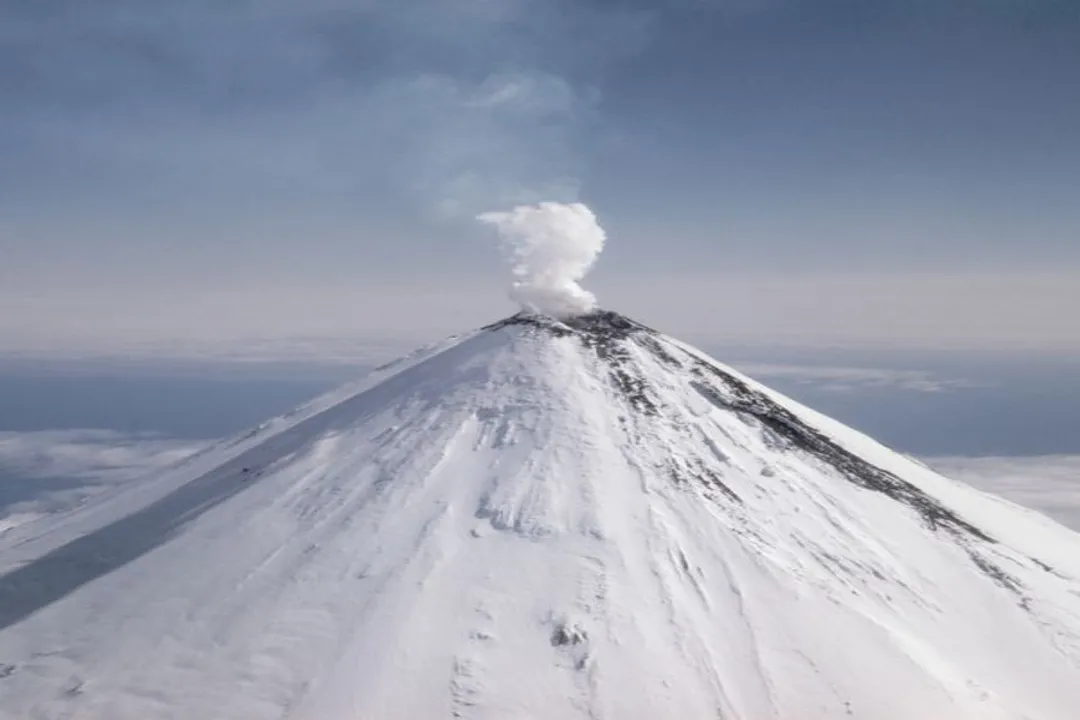
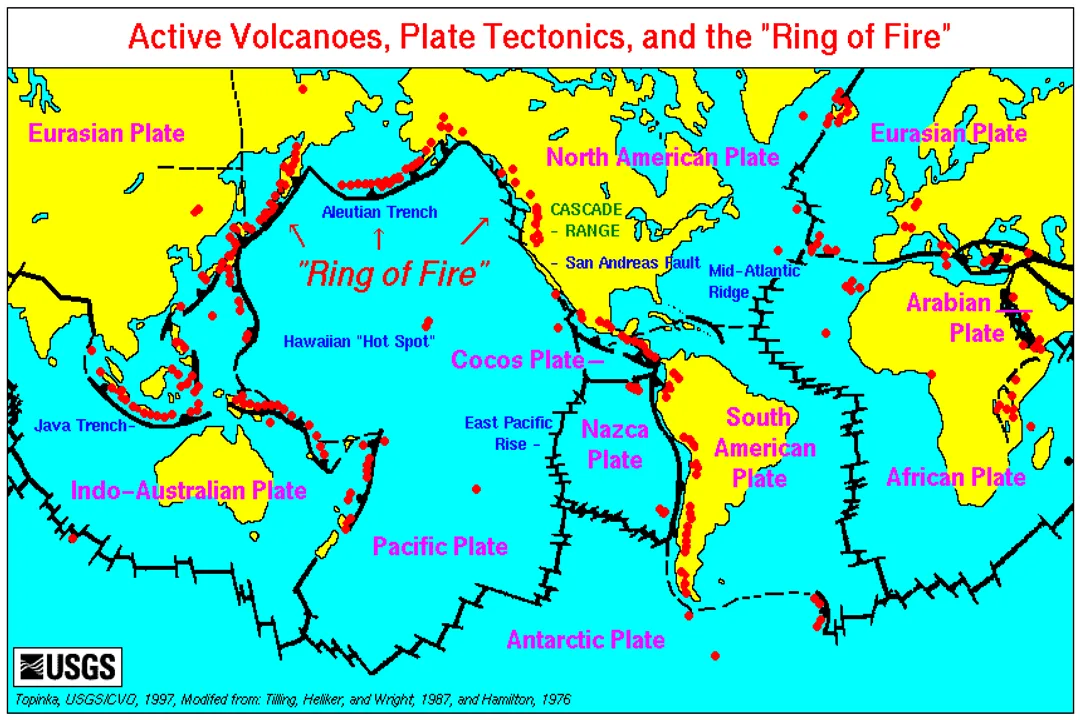
The fiery display of a volcano is not a random occurrence across the globe; rather, it is a direct consequence of massive, ongoing planetary rearrangement—the movement of tectonic plates. When one of the Earth’s massive lithospheric plates slides beneath another, plunging into the hotter mantle below, we have established what geologists call a subduction zone. This specific type of collision is responsible for forming the vast majority of the world’s most active and explosive volcanoes, creating everything from the islands of the Pacific Ring of Fire to the towering mountain ranges that parallel ocean trenches.
# Plate Collision
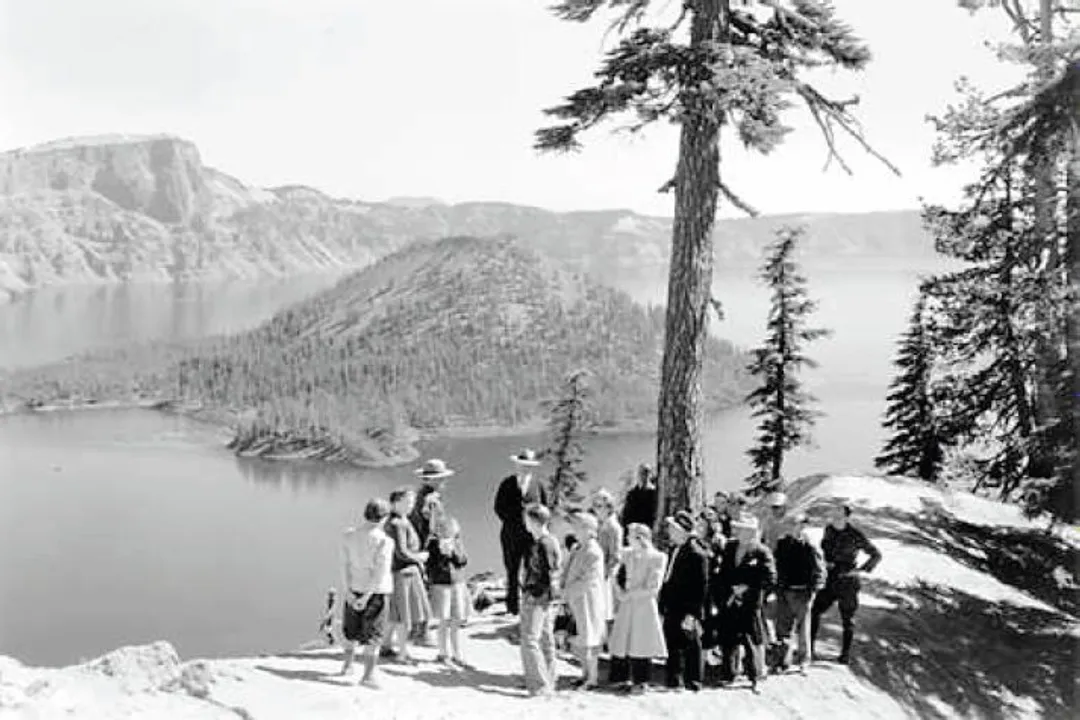
A subduction zone occurs where two tectonic plates meet, and one plate, typically the denser oceanic plate, is forced down, or subducted, beneath the overriding plate. This process is fundamentally driven by gravity acting upon the colder, heavier oceanic lithosphere as it sinks back into the warmer, more buoyant mantle rock. Imagine the Earth’s surface as a cracked eggshell; where two pieces meet, one must give way beneath the other. The descending plate drags with it water molecules trapped within its mineral structure—a geological baggage that fundamentally changes the melting point of the surrounding rock. This sinking action creates a deep oceanic trench marking the boundary where the process begins.
# Slab Sinks
As the oceanic plate descends, it travels through layers of increasing heat and pressure. The process of subduction is therefore a thermal and chemical one, not just a mechanical one. The rock itself doesn't melt immediately upon descending; the deeper it goes, the hotter it gets. However, the key difference between this sinking slab and a mid-ocean ridge setting is the hydration. Water, along with other volatile compounds, is locked into the minerals of the subducting crust, particularly in the clay minerals and serpentine that form near the seafloor. As the slab sinks deeper into the mantle, the rising temperature causes these minerals to break down, effectively "sweating out" their trapped water, a process sometimes termed dehydration embrittlement. This water then rises into the overlying mantle wedge, initiating the crucial next step in volcano formation.
# Flux Melting
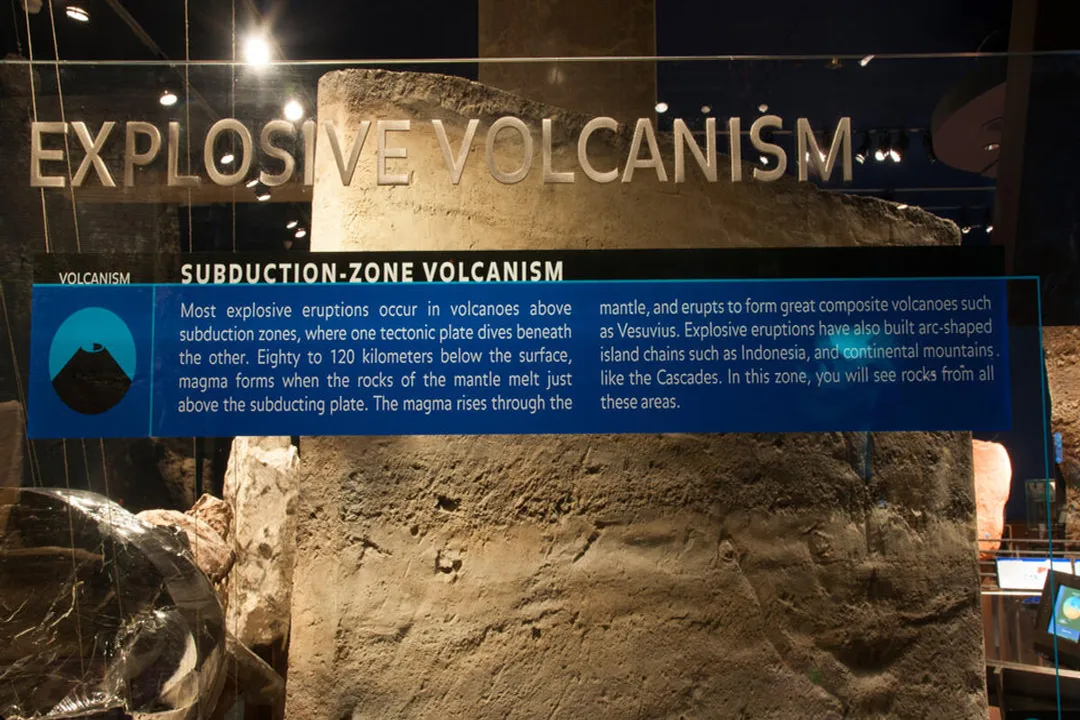
The water that escapes the subducting slab is the catalyst for volcanism here, performing a process known as flux melting. Pure, dry mantle rock requires extreme temperatures to melt into magma; however, adding water significantly lowers that melting temperature. Think of adding salt to ice on a cold winter road; the salt doesn't add heat, but it lowers the temperature at which the ice will transition to liquid water. Similarly, the water released from the slab migrates upward into the hot, overlying mantle rock that sits just above the descending slab. This released water lowers the solidus—the temperature at which rock begins to melt—causing the mantle wedge to generate partial melts even though the temperature hasn't risen substantially beyond what the rock can already withstand in a dry state. It is this chemically induced melting, rather than simple decompression or heating, that generates the initial magma at subduction zones. The resulting magma is generally basaltic or andesitic in composition when it first forms.
A point worth considering is the interplay between the driving force and the melting agent. The sinking plate is responding to the immense pull of gravity based on its density contrast with the surrounding asthenosphere, a physical response to tectonic stress. Yet, the resulting volcanism is almost entirely dictated by the chemical property of the oceanic crust—its ability to carry water to depth. One is a large-scale physical engine, and the other is a localized chemical trigger necessary to activate that engine's fiery output.
# Magma Rises
Once generated in the mantle wedge, this new magma is less dense than the surrounding solid rock, causing it to become buoyant and begin rising upward through the overriding plate. As it ascends, the magma can pool and collect in crustal reservoirs, where it often undergoes further chemical evolution or differentiation before an eruption occurs. The composition of the final eruptive material depends heavily on the type of overriding plate. If the overriding plate is another oceanic plate, a chain of volcanic islands, known as an island arc, forms. If the overriding plate is continental crust, the rising magma interacts with the thicker, more silica-rich continental rocks, leading to the formation of large continental arc volcanoes, like those in the Andes Mountains. The path the magma takes and the rock it assimilates determines the final characteristics of the volcanic vent.
# Arc Formation
The resulting chains of volcanoes, whether island arcs or continental arcs, are named because they form in an arc shape parallel to the subduction zone trench. In the case of an oceanic-oceanic subduction, such as the Marianas or Aleutian Islands, the older, denser oceanic plate subducts beneath the younger one, and the resulting volcanoes build up from the seafloor until they emerge as islands. The distance between the trench and the volcanic arc—the arc gap—is often controlled by the dip angle of the subducting slab. For example, if the slab descends steeply, the melting zone is closer to the overriding plate, potentially leading to a narrower arc setting. In contrast, the arc segments above the shallowly dipping slabs tend to be further from the trench. A helpful way to visualize this whole sequence is to trace the path: Oceanic Crust with Trapped Water Sinking into Mantle Dehydration Reaction Water Rises into Overriding Mantle Wedge Flux Melting Occurs Magma Rises and Erupts.
# Explosive Nature
Volcanoes associated with subduction zones are famous for their violent and explosive eruptions, often producing high-silica lavas like andesite and rhyolite. This explosivity is directly related to the viscosity—or resistance to flow—of the magma. Magmas generated through flux melting in subduction settings are often relatively silica-rich compared to mantle-derived magmas at rift zones. Silica forms long molecular chains that make the magma thick and sticky, meaning gases (like water vapor and carbon dioxide) that come out of solution as the magma rises cannot escape easily. When the pressure drops significantly as the magma nears the surface, these trapped gases rapidly expand, leading to tremendous pressure buildup and violent fragmentation of the magma into ash and pumice, rather than gentle lava flows. This contrasts sharply with the less viscous, basaltic lava flows typical of hotspot or mid-ocean ridge volcanism. The sheer scale of the material ejected during these events means they can drastically alter local and even global climate patterns, which is why scientists pay such close attention to the dynamics occurring miles beneath the surface where the plates meet.
#Videos
BEHIND THE SCIENCE 2011 | Subduction Zone Volcanoes
Related Questions
#Citations
Subduction Zone Volcanism | Volcano World - Oregon State University
How volcanoes form - British Geological Survey
Introduction to Subduction Zones: Amazing Events in ... - USGS.gov
BEHIND THE SCIENCE 2011 | Subduction Zone Volcanoes
Plate Tectonics and Volcanic Activity - National Geographic Education
Subduction zone volcanism - How Volcanoes Work
How are volcanoes formed at subduction zones? - Quora
Explosive volcanism | AMNH
Plate tectonics - Island Arcs, Subduction, Volcanism | Britannica
What causes volcanoes to form at subduction zones? - CK-12