What elements are formed during stellar evolution?

The vast stellar graveyard and the bright cradles of new suns are intimately connected through the creation and dispersal of chemical elements. Every atom heavier than hydrogen and helium found in our world—the carbon in our bones, the iron in our blood, and the oxygen we breathe—was forged deep within the fiery cores of long-dead stars. [6][5] This process, known as stellar nucleosynthesis, dictates the chemical composition of the universe as stars go through their life cycles, culminating in dramatic deaths that seed the cosmos. [4][7]
# Life Cycle
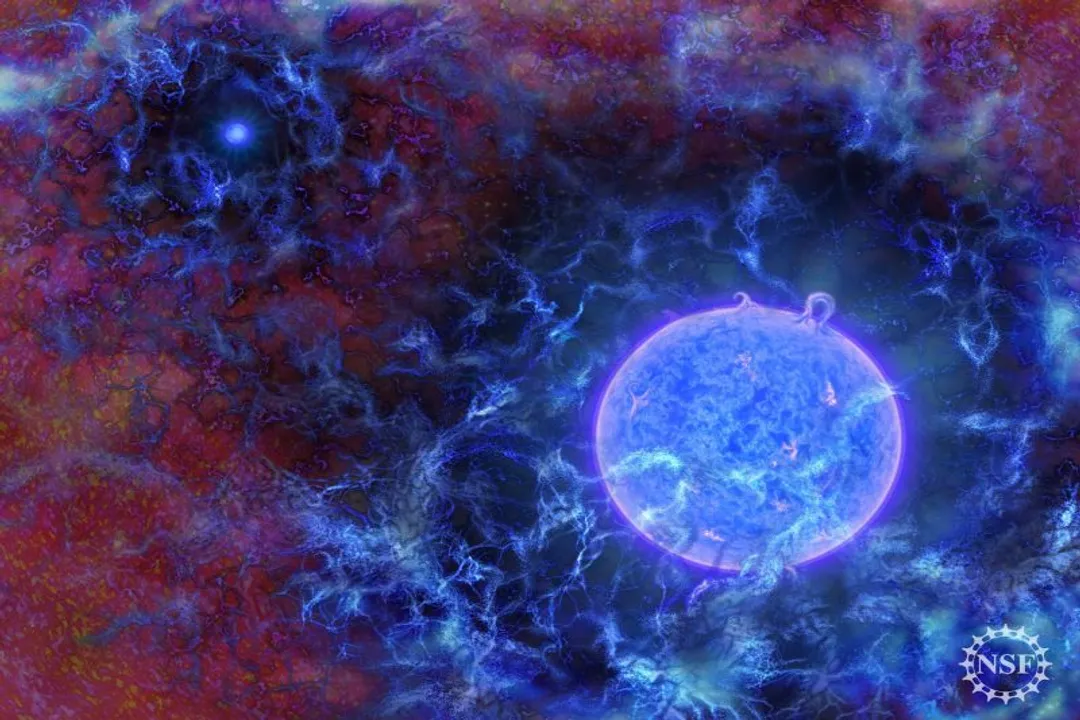
A star’s life, or stellar evolution, is a continuous battle between the inward crush of gravity and the outward pressure generated by thermonuclear reactions in its core. [2] Stars are born from massive clouds of gas and dust, predominantly made of hydrogen and helium. [3] The initial stage of a star's existence involves fusing hydrogen into helium in its core, a phase that can last for billions of years for stars similar to our Sun. [2] This steady, central process defines the main sequence phase. [2]
The fate and the resulting elemental output of a star are determined almost entirely by its initial mass. [7][2] While stars of all masses share this initial hydrogen-burning phase, their subsequent evolution diverges significantly. [2]
# Light Stars
For stars with masses less than about eight times that of our Sun, the evolution proceeds relatively gently. [7] Once the core hydrogen is exhausted, the star expands into a red giant. [2] In these lower-mass stars, after the core helium burns into carbon and oxygen, the star is not massive enough to generate the necessary temperatures and pressures to ignite carbon fusion. [7] The outer layers of gas are eventually ejected into space, forming a planetary nebula. [5] This ejected material enriches the interstellar medium with elements like carbon and oxygen. [5][7]
It is interesting to compare the end states: white dwarfs, the remnants of these lighter stars, gently seed the galaxy with carbon and oxygen via planetary nebulae, leading to a distinct chemical signature in later generations of stars compared to those born from violent supernovae. The core collapses into a dense white dwarf, which slowly cools over eons, preserving the helium and carbon/oxygen core. [2]
# Massive Stars
Stars significantly more massive than the Sun undergo a much more dramatic and rapid sequence of fusion stages. [7] After exhausting hydrogen, they swell into red supergiants. [2] Due to their immense gravity, these stars can achieve the temperatures required to fuse heavier elements successively in their cores. [7][4]
The elemental "ladder" inside a massive star becomes layered, somewhat like an onion, with lighter elements fusing toward the outside layers and heavier elements fusing closer to the center. [7]
The primary fusion reactions proceed as follows:
- Hydrogen fuses to Helium. [7]
- Helium fuses to Carbon and Oxygen. [7][4]
- Carbon fuses to Neon, Sodium, and Magnesium. [4]
- Subsequent stages build up elements like Silicon and Sulfur. [7]
This chain continues until the core is dominated by Iron (). [7][5] Iron represents a crucial turning point because fusing iron consumes energy rather than releasing it; this halts the outward pressure supporting the star. [7][5]
# Iron Limit
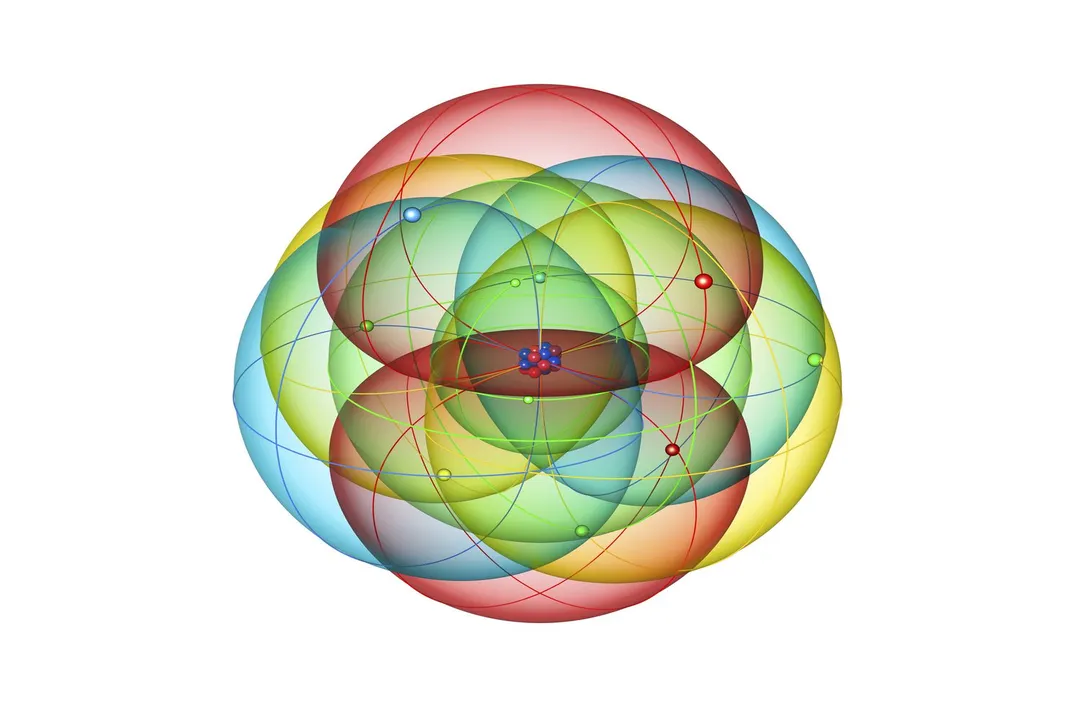
The formation of an iron core is the death warrant for any star destined to go supernova. Since fusion cannot proceed past iron to generate energy, the star's core collapses almost instantaneously. [7] This catastrophic collapse triggers one of the universe's most spectacular events: a Type II supernova. [2]
The intense energy of the supernova explosion is necessary to create elements heavier than iron. [7][5] This process, often involving rapid neutron capture (the r-process), occurs when a flood of neutrons is available. [4] In the fleeting moments of the explosion, elements like gold, silver, uranium, and plutonium are rapidly constructed, far exceeding the creation capability of normal stellar fusion. [4][5]
In fact, the sheer violence of a supernova is required to push the formation past the iron barrier. The time scales involved in this final stage are breathtaking; while a Sun-like star lives for billions of years, a massive star might burn through its silicon fuel to iron in mere days. This difference in stellar lifespan directly impacts the chemical environment. The slower enrichment from low-mass stars allows for more gradual planet formation around younger, longer-lived stars, whereas regions dominated by recent massive star deaths would have an immediate, high abundance of the heaviest r-process elements.
# Cosmic Dispersion
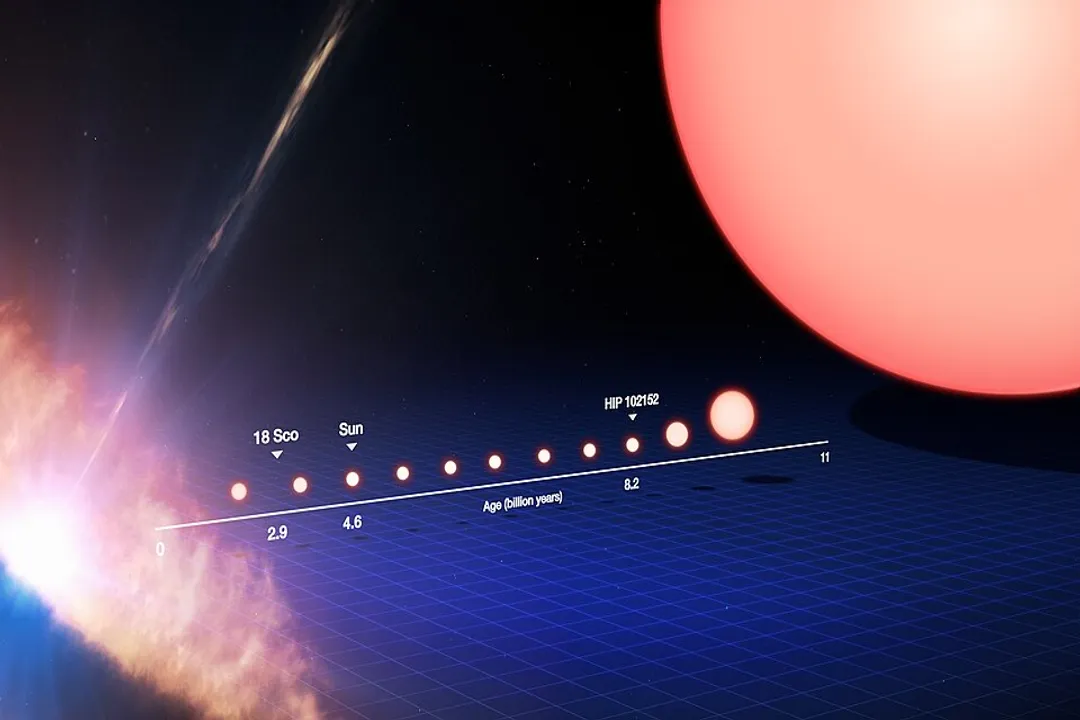
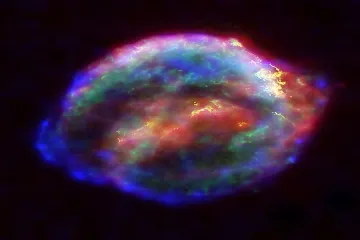
Without the death throes of stars, the universe would remain almost entirely hydrogen and helium. [6] The elements formed—from the common carbon to the exotic gold—must be returned to the interstellar medium to participate in future cosmic cycles. [2]
Supernovae are the primary mechanism for distributing these newly forged elements across vast distances. [2] These explosions scatter carbon, oxygen, silicon, and crucially, all the elements heavier than iron, into surrounding gas clouds. [7] This enriched material then mixes with existing interstellar dust and gas. [6]
Another source for the very heaviest elements comes from the merging of neutron stars. [1] When two neutron stars collide, the resulting environment provides the extreme conditions necessary for an intense r-process, potentially creating massive amounts of elements such as gold and platinum. [1]
This recycled material then becomes the raw input for the next generation of stars, planets, and, eventually, living things. [6] Every atom of silicon in a terrestrial planet's crust and every molecule of oxygen in a gas giant’s atmosphere owes its existence to one or more cycles of stellar birth, life, and death. [6][2]
# Element Table Comparison
To illustrate the difference in elemental products, we can summarize the primary nucleosynthesis sites based on stellar mass:
| Element Group | Primary Formation Location | Mechanism | Associated Stellar Event |
|---|---|---|---|
| Helium () | Main Sequence Stars | Hydrogen Fusion | Steady Burning |
| Carbon (), Oxygen () | Low to High Mass Stars | Helium/Carbon Burning | Planetary Nebula or Supernova |
| Iron () | High Mass Stars | Silicon Burning | Core Collapse |
| Elements > Iron | Supernovae and Neutron Star Mergers | Rapid Neutron Capture (r-process) | Supernova or Merger |
The fact that the iron peak represents the thermodynamic barrier for core fusion is fundamental to astrophysics. It dictates that anything heavier requires an external energy injection—a supernova shockwave or a neutron star collision—to be created and dispersed. [7][1] This means that the chemical fingerprint of a star cluster is heavily influenced by the most massive star that has recently lived and died within it. Stars that are currently forming in regions that saw recent, massive supernova activity will inherit a much higher concentration of heavy metals than stars forming in older, more quiescent parts of the galaxy. [2] This ongoing cosmic alchemy is what gives the universe its structure and complexity. [6]
Related Questions
#Citations
Stellar Evolution - Chandra X-ray Observatory
Stellar evolution - Wikipedia
Star Basics - NASA Science
Stellar Evolution - | The Schools' Observatory
Stellar Nucleosynthesis: How Stars Make All of the Elements
The stars within us | NSF - U.S. National Science Foundation
The Elements: Forged in Stars | PBS LearningMedia
Stellar Nucleosynthesis - an overview | ScienceDirect Topics
Stellar Evolution | COSMOS