What color does the sky turn if there is a tornado?
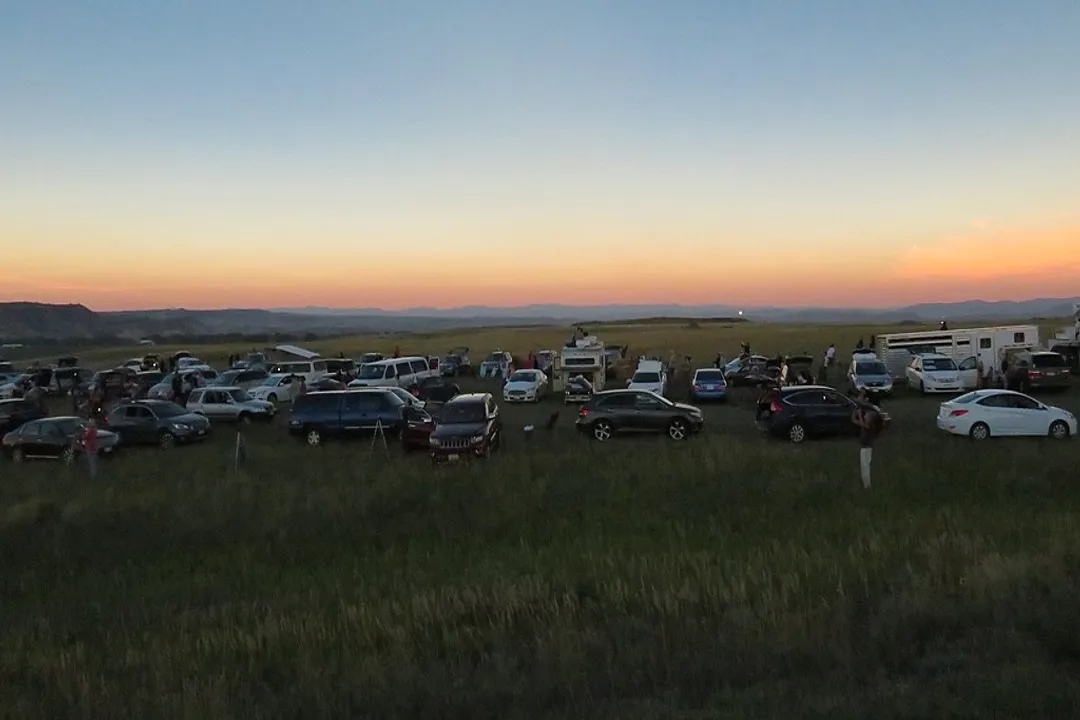
The visual experience of an impending severe storm often translates into a distinct and alarming change in the atmosphere’s color palette. When observers witness the sky shifting to shades of green, especially in areas prone to intense weather, it triggers an immediate association with the threat of a tornado. [5] This unusual, sometimes sickly hue is one of the most recognized, albeit often misunderstood, visual precursors to dangerous rotating storms. [9]
# Ominous Hues
While some people might expect a pitch-black sky, the most frequently reported and scientifically discussed color preceding or accompanying severe weather, particularly that which produces tornadoes or large hail, is green. [1][5] Reports vary slightly; some describe it as a deep, dark green, while others note a greenish-yellow or a murky, ominous tint. [2] The critical takeaway is that any dramatic, unexpected shift to a green or sickly yellow-green demands immediate attention, as it signals that the storm overhead contains extreme amounts of moisture and energy. [7] It is not a common occurrence, which is why when it does appear, it strikes people as so memorable and unsettling. [2]
# Light Physics
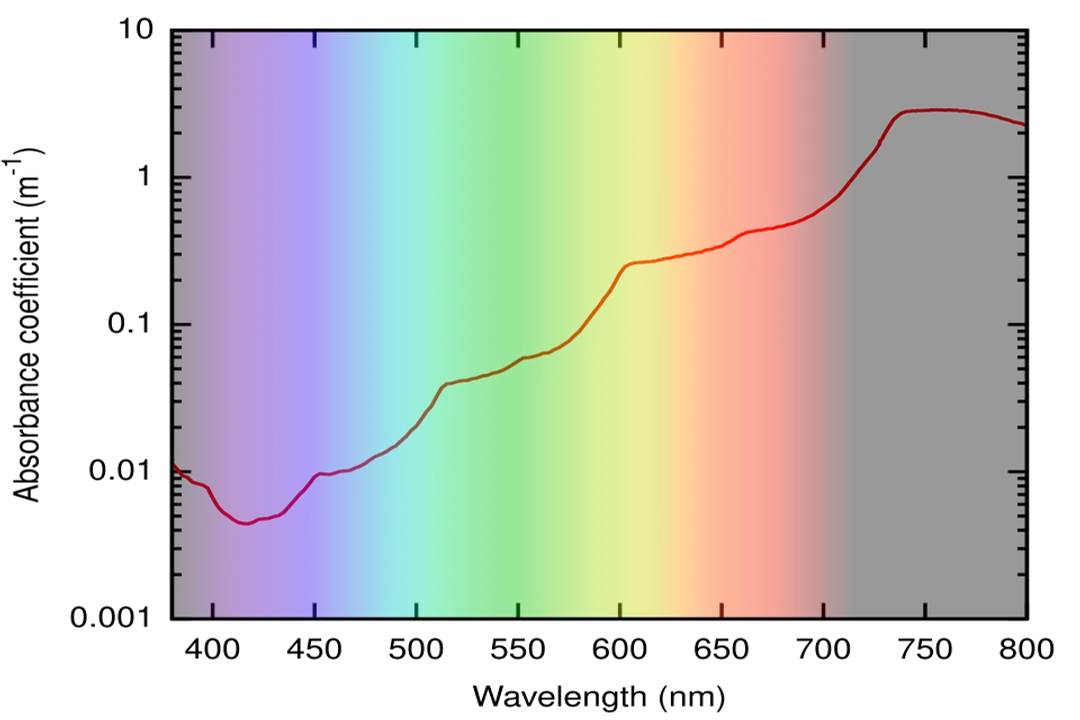
Understanding why the sky turns green requires looking closely at the physics of light and the specific composition of these powerful thunderstorms. [1] The prevailing scientific explanation centers on the way light is scattered by the massive quantities of water droplets and ice particles—hail—suspended within the storm cloud. [6] Blue light is scattered more easily by these small particles, which is the same reason the normal sky appears blue on a clear day. [1]
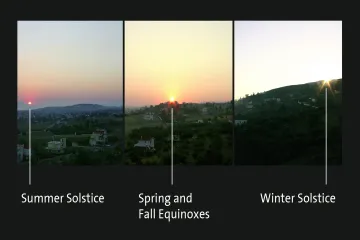
However, the true green color appears when this scattered blue light mixes with the ambient light coming from the sun. [1] For the sky to look distinctly green, the sun must be relatively low on the horizon, such as in the late afternoon or early evening. [6] When the sun is low, its light travels through more of the atmosphere, causing most of the blue and green light to scatter away, leaving behind more red and orange light. [6] When this reddish light illuminates the massive, water-laden cloud structure—which is already strongly scattering blue light internally—the two colors combine optically to produce a visible green tint. [1][6] It is this specific combination of a moisture-heavy storm structure interacting with the warm hues of a setting sun that creates the dramatic, unsettling green canopy. [6]
# Reliability Check
It is crucial to differentiate between a useful warning sign and a guaranteed prediction. The presence of a green sky is widely regarded by meteorologists as an indicator of a severe thunderstorm capable of producing very large hail or significant rotation, which can lead to a tornado. [7][9] However, it is not a foolproof indicator that a tornado will form. [5] Many storms that produce golf-ball-sized or larger hail exhibit this green tint, yet never spawn a funnel cloud. [1] Conversely, devastating tornadoes have occurred under skies that were dark gray, brown, or even just unusually dark, without exhibiting the classic green signature. [5] Therefore, the color should be treated as a serious alert to monitor official warnings closely, rather than the sole trigger for life-saving action. [9]
If you happen to be in a region where tornadoes are common, knowing the typical time of day for severe weather can add context. For instance, in the Central Plains of the United States, where the low sun angle is more common during peak severe weather seasons, the green effect might be observed more frequently than during a midday storm outbreak. [1] A midday storm that looks greenish might simply be a very dark, heavily saturated cloud base lacking the necessary low-angle red illumination to achieve that textbook emerald color. [6]
# Actionable Steps
When the sky genuinely shifts to that strange, ominous green or yellow-green color, the immediate, non-negotiable response must be to seek shelter. [4] This visual cue confirms that the storm possesses the characteristics necessary for extreme weather development, regardless of whether a tornado has been sighted or warned about yet. [7]
The decision tree when you observe this color should be simple and immediate:
- Confirm the Source: Determine the storm's direction and speed using radar data on a reliable weather app, if safe to do so for a brief moment, or listen to local NOAA Weather Radio or TV/Radio broadcasts. [4]
- Execute Shelter Plan: Do not wait for a formal tornado warning. The color itself is an indicator that conditions are ripe for rapid development. [5] Move immediately to the lowest level of your structure, preferably an interior room, closet, or designated safe room, away from windows. [4]
- Stay Informed: Once secure, continue monitoring official sources for warnings or spotter reports.
This immediate response is vital because the transition from a severe storm (indicated by the green sky) to a tornado can happen in minutes, sometimes too quickly for a delayed warning system to fully catch up with the danger. [5]
# Interpreting Intensity
While the sources clearly establish green as a warning, a deeper analysis of the visual cues can sometimes offer a more nuanced sense of immediate danger. Think of the color not as a binary on/off switch, but as a spectrum of severity within the storm’s core.
A muted, almost brownish-green sky often correlates with an exceptionally dense storm core dominated by very heavy rain or very large hail—a situation that already requires taking cover due to the risk of flash flooding or large projectiles. [7] This indicates immense moisture loading in the cloud.
However, if the green appears vivid, almost electric or glowing, and you can discern a significantly lowered, possibly rotating feature beneath the cloud base—a wall cloud—the level of concern escalates dramatically. This intensely lit green, when paired with visible rotation, suggests the storm is highly efficient at scattering light and has a well-established, rotating updraft, making a tornado imminent. [6] The clarity and intensity of the green, when present, seem to directly correlate with the sheer density and structure of the storm’s precipitation core that is scattering the light.
Ultimately, the sky color is a primal signal, a natural feature that our ancestors likely used long before Doppler radar existed to recognize exceptional atmospheric danger. [9] It tells you one thing with near certainty: the storm currently overhead is one of the most severe types possible. Pay attention to the unusual colors, treat them as a severe weather advisory from nature itself, and move to safety without hesitation.[4]
Related Questions
#Citations
Curiosities: Why does the sky turn green before a tornado?
What Color Is The Sky Before A Tornado? - Battlbox.com
Why the Sky Turns GREEN Before a Tornado 🌪️ - YouTube
Warning Signs of a Tornado | ServiceMaster Restore®
the color of the sky can indicate a coming tornado/hailstorm? - Reddit
The Colorful Mystery of Green Thunderstorms - The Front Page
Why do skies turn green during severe storms? - WQAD
Fact Or Fiction: Green Skies Always Bring Tornadoes | Weather.com
Fact or Fiction?: Green Sky Means Tornado? Run for Cover.