What causes echoes?

The sound we perceive as an echo is fundamentally the result of sound waves bouncing off surfaces and returning to the listener after a perceptible delay. This phenomenon is one of the most straightforward demonstrations of wave physics in our daily environment, yet the definition of "echo" can shift dramatically depending on whether we are discussing a vast canyon, a small room, our own body, or a telephone call. [8]
# Sound Reflection

At its most basic level, an echo occurs when sound energy travels outwards from a source, encounters a boundary, and reflects back toward the origin point. [1] Sound travels through a medium, such as air, as pressure waves. When these waves strike a surface, some of the energy is absorbed, some passes through, and the remainder is reflected back into the space. [3]
For the human ear and brain to perceive this returning sound as a distinct echo—a repetition of the original sound—there must be a specific time gap between the original sound and the reflected sound. [1] Generally, the reflecting surface needs to be far enough away that the round trip takes at least . [6][8] Given that the speed of sound in dry air at room temperature is approximately (), this minimum delay requires the reflecting object to be at least about () away from the source and listener. [1] If the reflection returns sooner than this critical time interval, our perception blends the original sound and the reflection together, creating a different acoustic effect entirely.
# Defining Differences

Understanding the cause of a perceived echo often requires differentiating it from its close acoustic cousin: reverberation. [1] While both involve sound reflection, the distinction lies in clarity and timing.
# Echo versus Reverberation
An echo is characterized by one or a few distinct, recognizable repetitions of the original sound separated by a significant pause. [6] Think of shouting across a wide valley or toward a distant cliff face. The sound you hear back is clearly the original shout, just delayed. [1]
Reverberation, conversely, is what happens in smaller spaces like classrooms or auditoriums. [3] Here, the distance to the walls is short, meaning the reflections arrive much faster than . [1] These rapidly arriving reflections overlap and blend together, causing the sound to decay gradually rather than repeating distinctly. [3] The result is a richness or muddiness in the sound, depending on the space, but not a clear repeat. [1]
# Surface Impact
The nature of the reflecting surface dictates how strong the echo or reverberation will be. Hard, smooth, and flat surfaces are the best reflectors of sound energy. Materials like bare concrete, polished stone, glass, or metal reflect sound waves efficiently, leading to strong, clear echoes or long reverberation times. [3]
On the other hand, materials that are soft, uneven, or porous are much better at absorbing sound energy. [1] Carpets, heavy draperies, acoustic panels, or upholstered furniture convert the sound energy into negligible amounts of heat rather than reflecting it back into the room. [3] In sound-treated environments, the goal is often to eliminate unwanted echoes and reduce reverberation to increase speech clarity. [3] For instance, in a recording studio, capturing a clean vocal track requires surfaces that absorb reflections almost completely, making the room sound acoustically "dead". [3]

# Hearing Internal Sounds

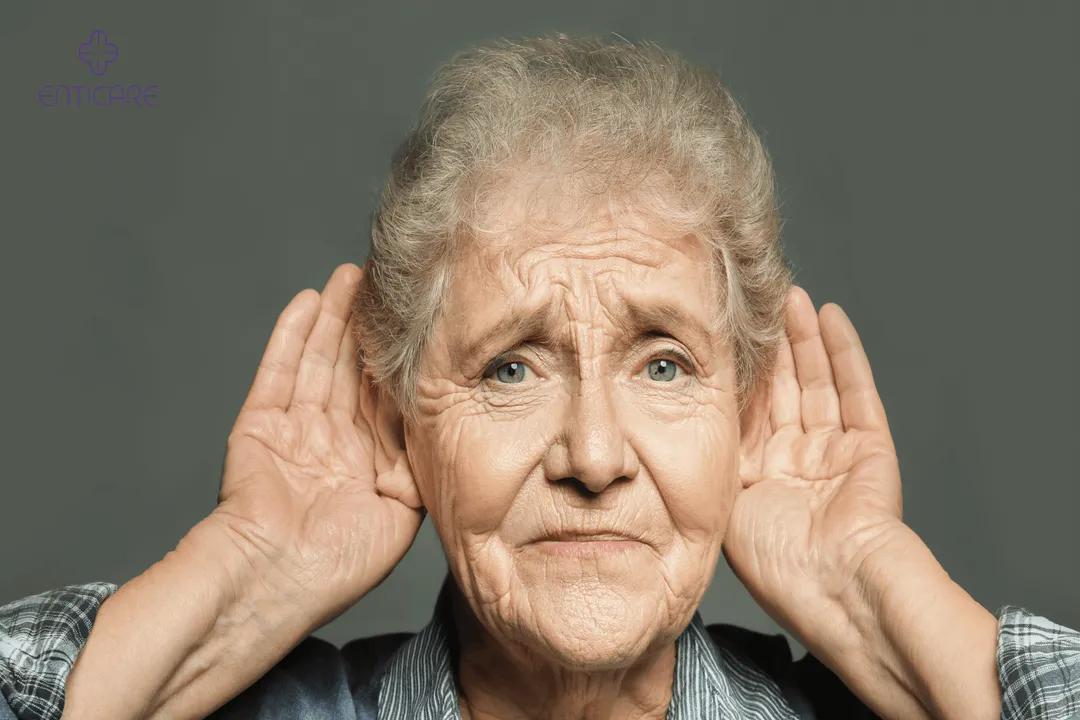
The term "echo" is also frequently used to describe a very different phenomenon: an auditory sensation experienced inside the head or ear, often described as hearing one's own voice or footsteps as echoing or unnaturally loud. [7] This internal experience is not caused by sound waves bouncing off distant external walls but by issues within the patient's own auditory system. [2][5]
# Middle Ear Mechanics
One common cause relates to the middle ear, specifically the function of the Eustachian tube, which connects the middle ear to the back of the throat. [2][5] This tube is normally closed but opens when we swallow, yawn, or chew, helping to equalize pressure between the middle ear and the outside atmosphere. [7]
When this tube becomes blocked or fails to open properly—often due to congestion from a cold, allergies, or sinus issues—pressure imbalances can occur. [2] This can lead to symptoms like a feeling of fullness, muffled hearing, or, in some cases, the perception of one's own voice sounding hollow or echoing as sound vibrations travel through the blocked or altered middle ear cavity in unusual ways. [5][7]
# Sensory Alterations
Another set of causes relates to the central auditory processing or hypersensitivity. A condition sometimes referred to as hyperacusis involves an increased sensitivity to certain frequencies or volumes of sound. [2] While this usually manifests as general loudness sensitivity, it can sometimes be experienced by the sufferer as distinct echoes or rapid repetitions because the auditory pathway is processing incoming signals abnormally. [2] Similarly, some individuals with hearing loss experience phantom sounds or distortions as the brain attempts to compensate for missing input, which can manifest as echoing artifacts. [7] It is important to note that this internal echo is a perception issue, entirely distinct from the physics of sound reflection occurring in the external environment. [5]
# Electronic Distortion
The third major area where echoes cause problems is in telecommunications, particularly over phones or VoIP systems. [9] In this context, an echo is an unwanted repetition of the speaker's own voice or sound being transmitted back to them through the communication path. [9]
# Feedback Loops
The most common cause in a hands-free phone call is acoustic coupling. [9] This happens when the microphone picks up sound coming directly from the device's own speaker. [10] If you are on speakerphone, your voice goes into the microphone, travels through the network to the other party, and returns to their speaker. If your microphone is sensitive enough, it picks up the sound coming out of your own speaker and sends it back into the system, creating a loop. [9] This immediate, small delay feedback is perceived as an echo by the far end, and if the loop is strong enough, it can escalate into a loud, continuous squeal, known as feedback. [10]
# Electrical Mismatches
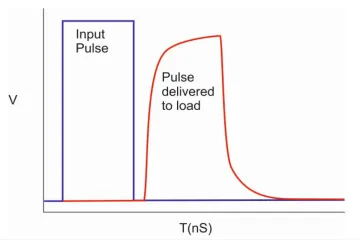
Beyond acoustic coupling, electronic echoes can occur due to electrical imperfections within the phone system itself. [9] This is often related to impedance mismatch. [10] Every component in an electrical circuit has an impedance (resistance to alternating current). When there is a significant difference in impedance between two components—say, the transmitter and the receiver circuitry in a phone system—some of the signal energy intended to go one way is reflected backward along the line instead of proceeding forward. [10] This reflected electrical signal returns to the talker's ear as an echo, often characterized as a delayed, fainter version of their own voice. [9] Modern voice processing technology, known as echo cancellation, is specifically designed to analyze the transmitted signal and subtract a precisely predicted version of that signal from the received signal to clean up the line. [10]
# Architectural Considerations
When dealing with physical spaces, the goal is typically to manage reflections to ensure speech intelligibility or acoustic quality. [3] The required acoustic treatment differs significantly based on the space's intended use.
Consider a large lecture hall versus a small recording booth. In the lecture hall, the distance to the rear wall might be significant, potentially causing a delayed reflection that distracts the speaker while they are trying to address the audience. Here, the primary concern is managing the overall reverberation time, often by adding sound-absorbing materials to the back walls or ceiling to reduce the cumulative reflections. [3]
An interesting observation when comparing different acoustic needs is how the acceptable time delay threshold changes based on the content. For simple spoken commands or short announcements, the required gap between the direct sound and the reflection is relatively forgiving, perhaps allowing for reflections to arrive within without sounding like a true, distracting echo, provided the reflection itself is not too loud. [1] However, for complex musical pieces, even slight reverberation can be desirable for warmth, but distinct echoes are destructive to clarity. [4] If we analyze a room designed for speech intelligibility, the total sound energy needs to decay rapidly. A room with a volume of might aim for a reverberation time () under , whereas a concert hall designed for orchestral music might intentionally target an closer to or slightly more, demanding less absorption and accepting longer reflection tails. [3] The physics dictates that the surfaces must be treated differently based on this target decay characteristic.
When setting up an office space for videoconferencing, a common failure point is often overlooked: the surfaces near the microphone. Even if the room is large, a hard desk surface directly beneath a speakerphone microphone can reflect the far-end audio right back into the microphone, causing an echo for the person on the other end, even if the room acoustics seem otherwise acceptable. [9] This demonstrates that the proximity of a hard, reflective surface to the transmitting microphone is often a greater immediate cause of telephone echo than overall room size. [9]
# Distinguishing the Sources
Ultimately, identifying what causes an echo requires careful context setting. If you hear your voice repeat after you speak in a large open area, you are experiencing physical reflection governed by the speed of sound and distance. [6][8] If you feel pressure in your ear and your own voice sounds strange, you are likely dealing with a middle ear or Eustachian tube issue. [2][5] If the echo only happens when you use your headset on a work call, you are experiencing acoustic or electrical feedback in the transmission path. [9][10] While the physical principle—a sound wave encountering an impedance mismatch and returning—underpins all three scenarios, the scale, mechanism, and necessary remedies are completely distinct. [1][10]
#Videos
Why do we hear echoes? | #aumsum #kids #science ... - YouTube
Related Questions
#Citations
How Echoes Work - What Causes An Echo To Occur? - SoundAssured
Common Causes of Echo in One's Ear: What You Need to Know
Understanding Echoes - Tips for Enhancing Room Acoustics
Why do we hear echoes? | #aumsum #kids #science ... - YouTube
Echo in the ear: what causes it and how to treat it
What is an Echo? - Lesson for Kids - Study.com
What is Echo in the Ears? - Hearing Aid UK
Echo - Wikipedia
What is Phone Echoing: Causes & How to Fix it - GetVoIP
Understanding the Echo "Phenomenon" Causes and Solutions