Is there a place named after Galileo?
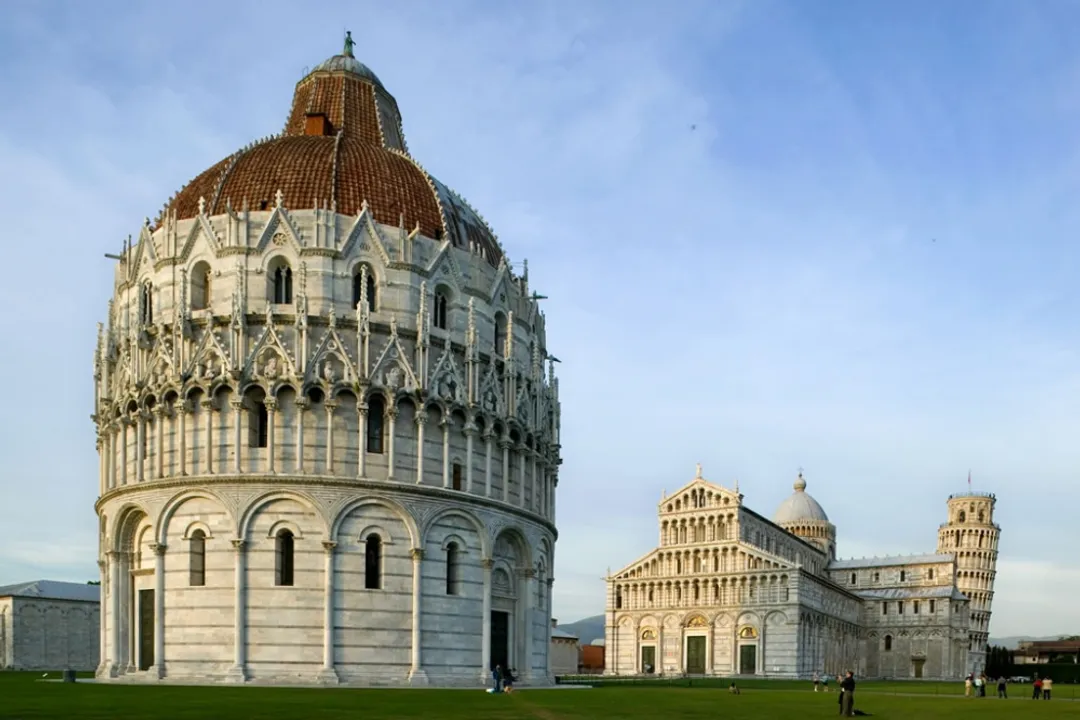
The legacy of Galileo Galilei stretches far beyond the terrestrial sphere, leaving an indelible mark on geography, astronomy, and culture across the globe. It is perhaps no surprise that the man who fundamentally altered humanity’s view of the cosmos would have places—both on Earth and beyond—bearing his name. From geological features on distant planets to dedicated science museums nestled in the heart of Renaissance Italy, the recognition of his contributions is surprisingly varied.
# Tuscan Roots
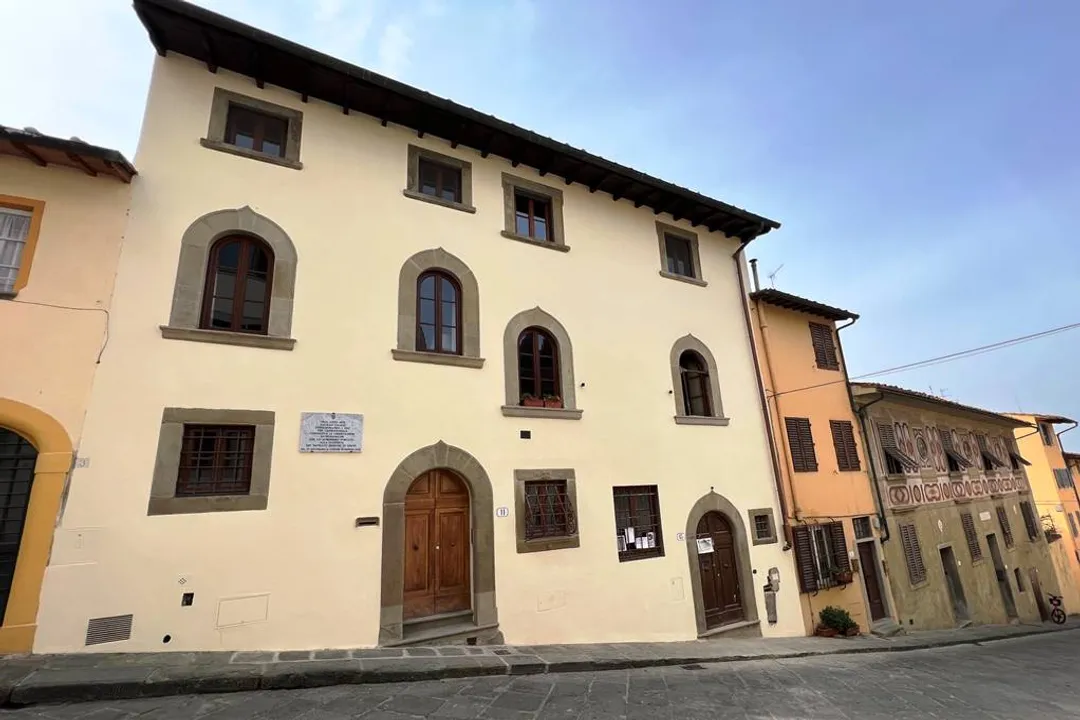
For those seeking to trace the footsteps of this scientific giant, the most concentrated area of commemoration lies, naturally, in Tuscany, the region of his birth and early career. His story begins in Pisa, a city intrinsically linked to his early studies and revolutionary, albeit perhaps apocryphal, experiments. If you visit Pisa, you can locate the very structure where he first drew breath: the Ammannati House, which serves as his recognized birthplace. Standing outside that structure offers a moment of connection to the physical location where one of history's greatest minds began.
Pisa is not just the location of his birth; it is also the city where he held significant academic posts. A tour centered on Galileo might point you toward the Piazza dei Cavalieri, a central square where he once taught. Considering the sheer academic weight Galileo carried, standing in that piazza allows one to ponder the environment that both shaped his thinking and later became the site of the friction between his novel ideas and established doctrine.
# Florentine Science
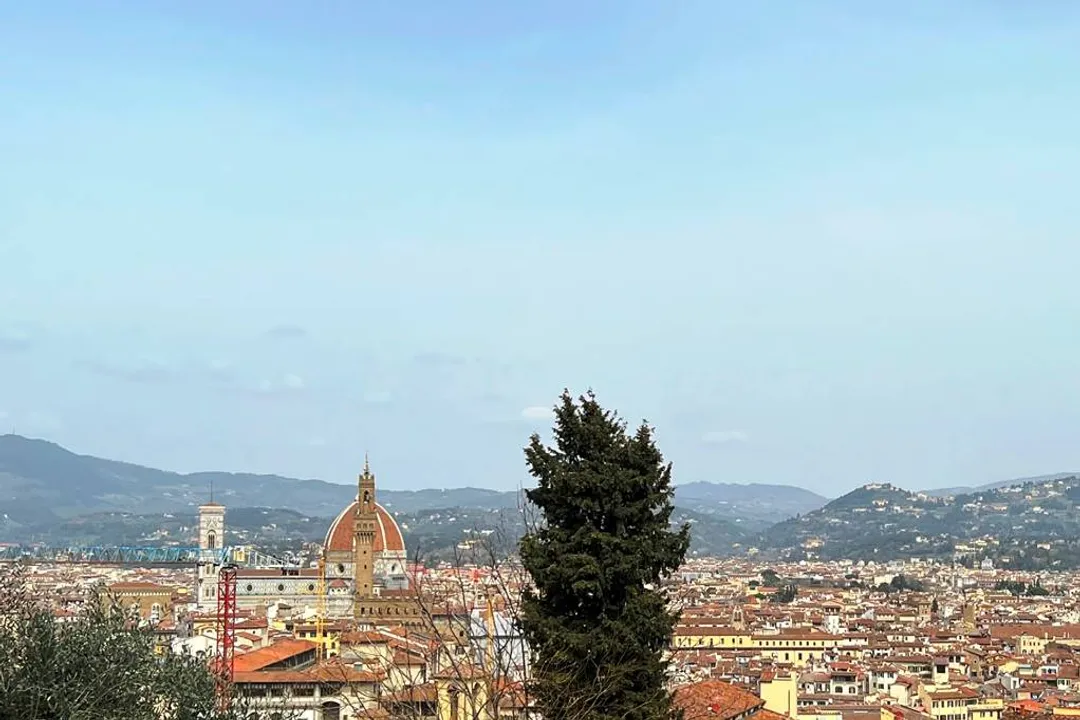
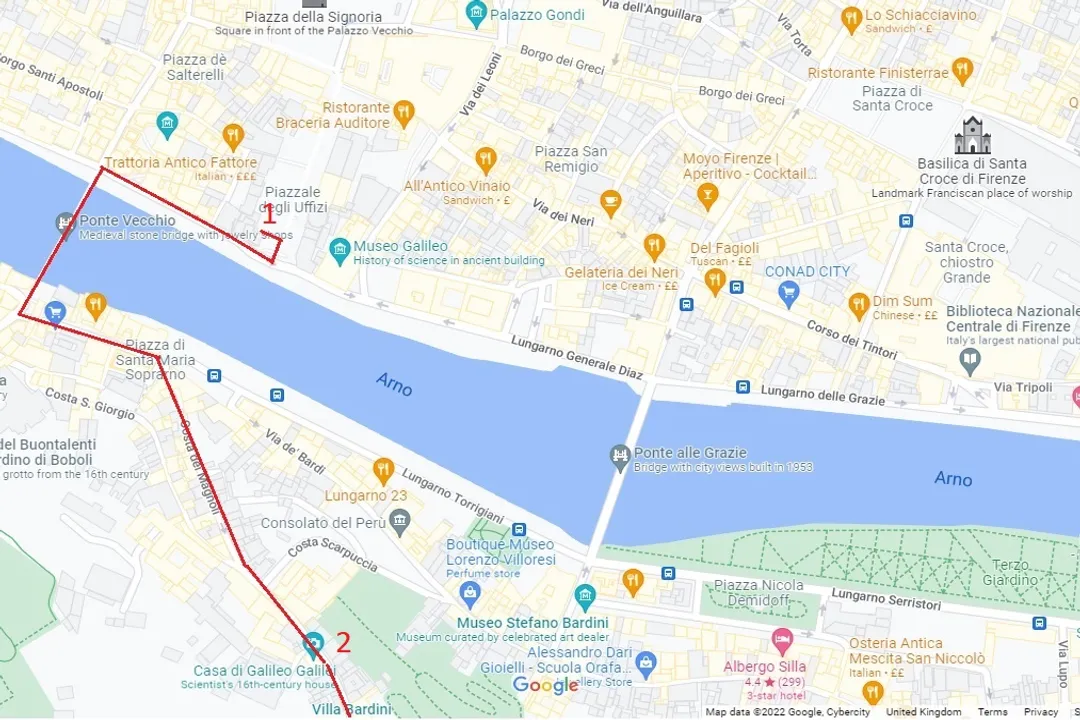
Moving from Pisa to Florence, the heart of Tuscany and the city where much of his later work and final years were spent, the focus shifts from simple geography to dedicated institutional memory. Florence houses the Museo Galileo, also known as the Galileo Science Museum, which stands as a paramount tribute to his life’s work. This institution safeguards artifacts that bring his theories into sharp focus.
What makes the Museo Galileo so compelling is its collection of original instruments—the very tools he used to challenge the heavens. Seeing the lenses, the prototypes of his telescopes, and other mechanical apparatus provides tangible proof of his experimental expertise. The museum is located near Piazza dei Giudici, placing it right in the historic core of the city. An astute visitor following the trail from his Pisan birthplace to his Florentine museum might note the geographic spread of his influence within a relatively small region; tracing this physical path truly illustrates how deeply embedded his life was in the cultural and academic landscape of Tuscany. It represents the material culture left behind by a man whose ideas were anything but material.
# Celestial Honors
The naming conventions used for Galileo are fascinating because they range from historical reverence to purely scientific classification. While Italian cities honor him with museums and birthplaces, the international astronomical community has named features on other worlds in his memory. This serves as a testament to his foundational role in observational astronomy.
# Martian Landscape
One striking example is found on Mars, where a specific area is designated Galileo Cliffs. This name honors his pioneering work in looking outward and mapping what was previously unknown. Naming a geological feature on another planet suggests a recognition of his method—the commitment to observation and recording the surface features of an unknown world—rather than simply his historical personage.
# Jovian Moon Feature
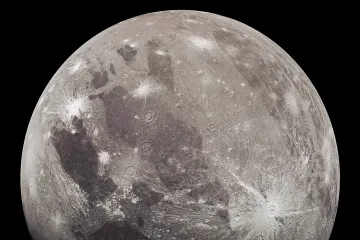
A similar astronomical dedication exists much closer to home, though still extraterrestrial: Galileo Regio on Io, one of Jupiter’s major moons. Io, discovered by Galileo himself during his telescopic observations, is a world constantly reshaped by intense volcanic activity. Designating a region there as Galileo Regio anchors his name to one of the first worlds he pointed his revolutionary instrument toward.
When comparing these extraterrestrial designations, one notices a subtle difference in intent. A cliffs designation, such as on Mars, often describes a physical landform recognizable from orbit, fitting the cartographic tradition of naming visible features. In contrast, a regio (region) on Io points to a broader area, perhaps commemorating his broader role in the discovery of the Galilean moons themselves. This layered naming strategy shows how different scientific bodies integrate his legacy into their ongoing descriptive vocabulary for the solar system.
# Transatlantic Recognition
Galileo’s influence wasn't confined to the scientific annals or the Italian peninsula; his name has been adopted for civic and recreational purposes in other nations, suggesting a broader cultural resonance that crosses borders.
# The UK Trail
In the United Kingdom, for instance, walkers can find the Galileo Trail. This is an organized walking route, specifically detailed for navigation and enjoyment by outdoor enthusiasts. The existence of a named trail suggests a different type of honor—one focused on accessibility, movement, and perhaps even a metaphorical path of discovery, mirroring the intellectual journey Galileo undertook. While the connection between a UK walking path and a 17th-century Italian astronomer might seem tenuous at first glance, it implies that his name has become synonymous with intellectual inquiry or perhaps even the concept of charting the unknown, whether that unknown is a mountain range or the structure of the solar system.
# Cataloging Namesakes
While the specific sources provided highlight a few key locations and features, the sheer volume of things named after him is hinted at by broader collections. It is worth noting that the nature of these dedications often falls into three broad categories based on the evidence:
| Category of Naming | Example Derived from Sources | Primary Function |
|---|---|---|
| Institutional/Cultural | Museo Galileo (Florence) | Preservation and education of historical artifacts |
| Geographic/Terrestrial | Galileo's Birthplace (Pisa) | Commemoration of personal history and biography |
| Astronomical/Planetary | Galileo Cliffs (Mars) | Scientific nomenclature for mapping celestial bodies |
| Recreational/Civic | Galileo Trail (UK) | Naming of a public amenity or path |
For anyone interested in tracking the breadth of his influence, understanding these naming categories helps illuminate why a particular location carries his name. Is it to honor his science, his life, or simply because the name evokes a sense of pioneering spirit, as might be the case with a walking route?
The continuity of Galileo’s fame is remarkable; while many historical figures fade into academic footnotes, his name remains actively attached to contemporary projects, both scientific (like naming Martian features) and cultural (like the functioning museum in Florence). It suggests that the fundamental questions he answered—questions about motion, observation, and our place in the cosmos—remain central to human curiosity, ensuring that locations bearing his name continue to draw attention for centuries to come.
Related Questions
#Citations
Galileo Cliffs - Wikipedia
Category:Things named after Galileo Galilei - Wikimedia Commons
A Galileo Galilei tour of Pisa - Visit Tuscany
A Visit to Florence on the Trail of Galileo - Scope Views
Birthplace of Galileo Galilei (Ammannati House), Pisa - GPSmyCity
Museo Galileo (Galileo science museum) - Firenze Card
Galileo Regio | The Solar System Wiki | Fandom
Home - Museo Galileo
In the Land of Galileo - Mishkat Bhattacharya