How does the nervous system maintain homeostasis?
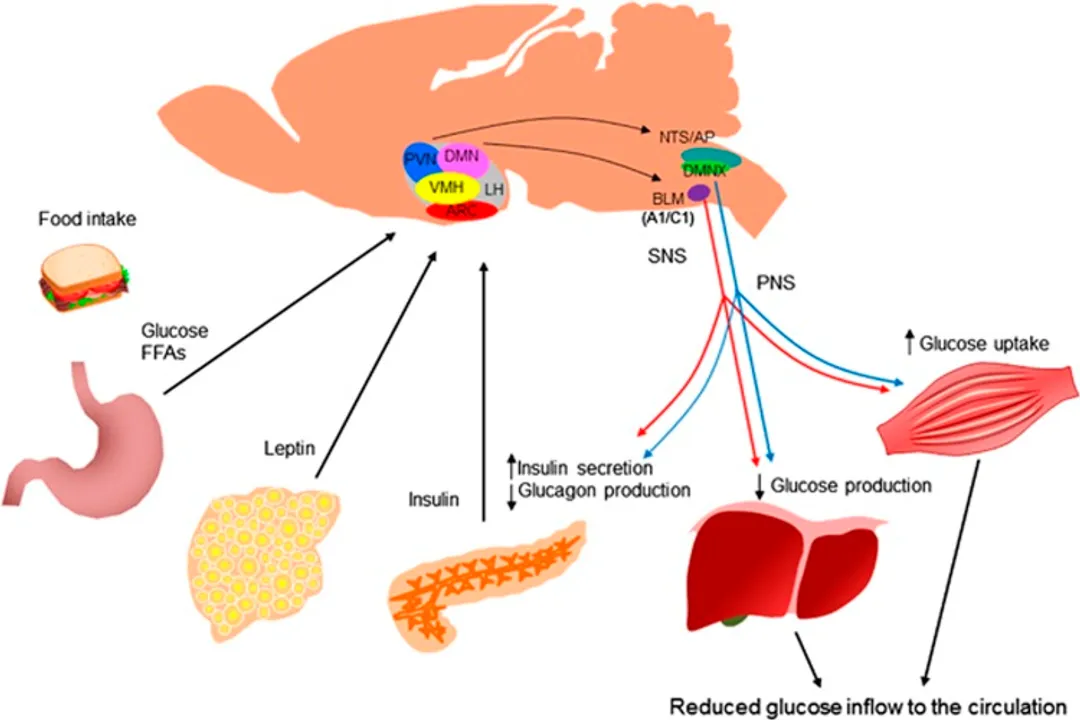
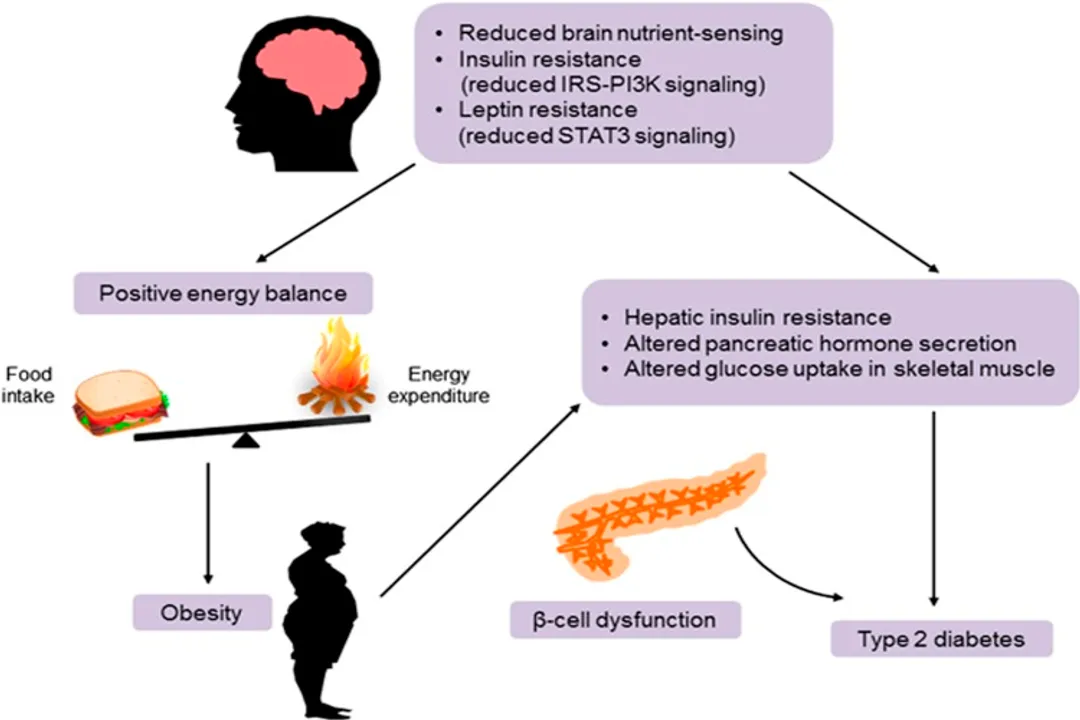
The body's ability to maintain a relatively stable internal environment, despite constant changes in the external world, is known as homeostasis. [4][9] This essential balancing act is not passively achieved; it requires continuous monitoring and adjustment by intricate control systems. [3] Among these, the nervous system stands out as the body's incredibly fast messenger and responder, orchestrating immediate adjustments necessary for survival. [2][5] While it shares this duty with the slower, more sustained endocrine system, the nervous system excels at detecting deviations and issuing rapid commands to correct them. [8] Its function is to keep variables like body temperature, blood pressure, blood glucose, and pH within narrow, life-sustaining limits. [2][4]
# Feedback Loops

Maintaining internal constancy relies on sophisticated regulatory circuits known as feedback loops. [9] These loops are the fundamental mechanisms through which the nervous system perceives change and initiates correction. [3] A typical homeostatic control process involves several distinct components working in sequence. [6] First, there must be a stimulus that pushes a physiological variable away from its set point—perhaps an increase in external temperature or a drop in blood pressure. [3][9] Next, specialized sensory nerve endings, or receptors, detect this deviation. [3]
These receptors then transmit the information, usually as electrical signals, to a control center. [3][9] In many homeostatic scenarios, the control center resides within the central nervous system (CNS), often specifically the brain or even the hypothalamus. [6] The control center processes the incoming data, compares it to the ideal set point, and determines the necessary corrective action. [9] Once a decision is made, the control center sends an output signal through efferent pathways—the motor part of the nervous system—to an effector. [3] The effector, which could be a muscle or a gland, carries out the action that brings the variable back toward the set point, completing the loop with a response. [3][9]
It is important to recognize that most homeostatic controls operate via negative feedback, meaning the response negates or reverses the initial change, thus returning the system to equilibrium. [6][9] For instance, if body temperature rises, the nervous system triggers actions (like sweating) that lower the temperature back down. [9] Positive feedback, while rare in classic homeostasis, causes an amplification of the initial change, but the nervous system is overwhelmingly geared toward maintaining stability through negation. [6]
# Nervous Structure
The entire system responsible for sensing, processing, and responding to internal fluctuations is built upon specialized cells: neurons. [1] These cells are the basic structural and functional units of the nervous system, capable of transmitting electrical and chemical signals rapidly across relatively long distances. [1] A typical neuron possesses dendrites to receive incoming signals, a cell body, and a long axon that conducts the signal away to other cells, whether they are other neurons, muscles, or glands. [1]
The nervous system is broadly organized into two main divisions relevant to homeostasis. The Central Nervous System (CNS), composed of the brain and spinal cord, acts as the primary processing and command center. [1] It interprets sensory information and dictates the appropriate response. [6] The Peripheral Nervous System (PNS) consists of all the nerves extending outside the CNS, acting as the communication lines connecting the CNS to the rest of the body. [1]
Within the PNS, the part most directly responsible for automated internal regulation is the Autonomic Nervous System (ANS). [10] The ANS operates largely without conscious thought, managing essential functions like heart rate, digestion, respiration, and glandular secretions. [8][10] Understanding the balance within the ANS is key to grasping how the nervous system manages moment-to-moment stability. [10]
# Autonomic Control
The ANS is classically divided into two antagonistic branches that work together to fine-tune internal conditions: the sympathetic and the parasympathetic systems. [8][10]
The sympathetic division is often associated with the "fight or flight" response. [10] When a sudden stressor or need for intense activity occurs—a situation demanding immediate resource mobilization—the sympathetic system takes charge. [8] It prepares the body for action by increasing heart rate, dilating airways, and diverting blood flow away from non-essential functions like digestion toward the skeletal muscles. [10] This is a rapid, mobilizing response to an external or internal crisis that requires deviation from the resting homeostatic set point, but it is critical for immediate survival.
Conversely, the parasympathetic division manages the body's resting and digesting state. [8][10] It conserves energy and promotes internal maintenance activities. [8] This system slows the heart rate, constricts the airways, and stimulates digestive processes. [10] Homeostasis is often maintained by the constant, subtle interplay between these two branches, with one dominating slightly depending on the immediate needs of the organism. [8] When conditions are stable, the parasympathetic tone generally predominates, keeping parameters steady. [10]
Consider the body’s reaction to sitting still versus having to sprint to catch a bus. In the resting state, the parasympathetic branch keeps your heart rate moderate and digestion active. The moment you start running, the sympathetic system overrides this, forcing your heart rate up to deliver oxygen quickly. Once the threat passes and you slow to a walk, the parasympathetic system gradually resumes control, slowing the heart and allowing the body to return to its prior, stable state. This constant push and pull allows for incredible physiological range while preventing any single variable from straying too far or for too long. [10]
If you monitor your own resting heart rate variability—the slight beat-to-beat changes in your pulse—you are observing the direct influence of the ANS striving for optimal balance, even when you think you are perfectly still. [8] A healthy, adaptable nervous system shows strong flexibility between these two states; a rigid, stuck state often indicates a system struggling to return to baseline efficiently.
# Sensory Input
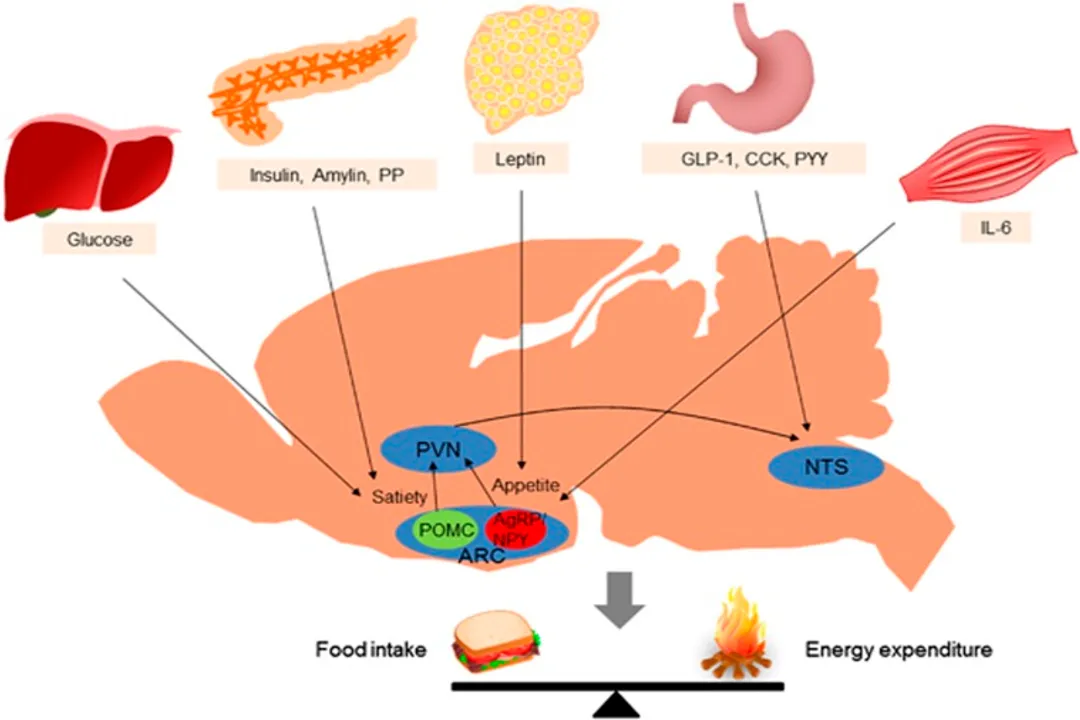
The nervous system cannot regulate what it does not perceive. Therefore, the efficiency of the entire homeostatic process hinges on the quality and speed of sensory information gathered by afferent neurons. [3] These specialized sensory receptors are scattered throughout the body, both externally (like touch receptors in the skin) and internally (called interoceptors). [3]
For internal balance, interoceptors are vital. They monitor blood chemistry, internal pressure, and tissue stretch. [3] For example, baroreceptors located in the walls of major arteries monitor blood pressure. [6] If pressure drops too low, these receptors fire signals to the brainstem, triggering a rapid neural response to constrict blood vessels and raise the pressure back up. [6] Similarly, specialized thermoreceptors in the skin and the core sense temperature fluctuations. [3]
The transmission speed of these signals is a key advantage of the nervous system over hormonal control. Neural signals travel along axons as action potentials, which are electrical events that move very quickly, allowing corrections to begin within milliseconds of a change being detected. [1] This rapid relay of data ensures the control center is acting on the most up-to-date information possible. [3]

# Neural and Endocrine Crosstalk
While the nervous system handles immediate, short-term adjustments, it is deeply connected to the endocrine system, which manages slower, longer-term regulatory processes through hormones released into the bloodstream. [8] This critical intersection point is often the hypothalamus in the brain. [8]
The hypothalamus acts as a master regulator, receiving neural input about the body’s status and translating that information into hormonal output via the pituitary gland. [8] This cross-talk ensures that both fast (neural) and slow (endocrine) adjustments are coordinated for complex processes like stress response, metabolism, and reproduction. [8]
If we compare their methods, the difference in regulatory style becomes clear. Neural regulation is like sending a direct, urgent text message—fast, targeted, and quick to resolve. [1] Hormonal regulation, however, is like sending out a mass broadcast via mail—it takes longer to reach all target cells, but the effect can be more widespread and last much longer. [8] For instance, regulating heart rate is an immediate neural task, but regulating long-term blood glucose levels involves both neural input and sustained hormonal release (like insulin). [8]
To illustrate the efficiency of neural signaling in a crisis, imagine a sudden hemorrhage leading to a drop in blood volume and pressure. The nervous system detects this change immediately via baroreceptors and sends near-instantaneous signals through sympathetic nerves to increase the heart rate and constrict vessels. If the body had to wait for the slower release of an equivalent hormonal signal to achieve the same critical, moment-to-moment stabilization, the outcome could be fatal. The nervous system provides the necessary first line of defense against rapid physiological decline. [2]
# Regulation Examples
One of the most vital homeostatic functions regulated by the nervous system is thermoregulation, maintaining the core body temperature near (). [2][6]
When body temperature rises above the set point, thermoreceptors signal the hypothalamus. [6] The CNS then activates sympathetic pathways that signal sweat glands to increase perspiration—evaporation of which cools the skin—and simultaneously signals blood vessels near the skin surface to dilate (widen), allowing more warm blood to reach the cooler surface to radiate heat away. [6]
If the body gets too cold, the opposite neural commands are issued: sweat glands are inhibited, and blood vessels near the skin constrict (vasoconstriction) to shunt warm blood back toward the vital core organs, reducing heat loss to the environment. [6] Furthermore, the nervous system can trigger shivering, which involves rapid, involuntary muscle contractions that generate metabolic heat. [3]
Another critical area is the maintenance of blood volume and pressure. The ANS monitors pressure changes and adjusts cardiac output and vascular tone. [6] If blood pressure falls (e.g., standing up too quickly), the sympathetic division rapidly increases the force and rate of heart contractions while simultaneously causing widespread vasoconstriction in non-essential areas, quickly restoring adequate perfusion pressure to the brain and other organs. [6][10] This entire sequence, from detection to physical response, can occur within seconds, a testament to the speed of neural communication. [1]
The body's internal chemistry is also managed actively. For example, when blood pH begins to drop (becoming more acidic), chemoreceptors detect this change and signal respiratory control centers in the brainstem. [2] The nervous system responds by increasing the rate and depth of breathing—a process called hyperventilation. [2] Breathing faster expels more carbon dioxide, which, when dissolved in the blood, acts as an acid. By blowing off , the nervous system effectively raises the blood back toward neutrality. [2] This shows the nervous system managing both cardiovascular and respiratory components to maintain a chemical set point.
# Maintaining Balance Across Lifespans
It is important to consider that the nervous system’s effectiveness in maintaining homeostasis can change over time. [7] In younger individuals, the control loops are typically highly efficient, exhibiting rapid response times and wide adaptability. [7] As we age, the sensitivity of receptors might decrease, or the speed of neural transmission might slow slightly, meaning the body might take longer to recognize a deviation or longer to enact the necessary correction. [7]
This subtle decline can mean that older adults might exhibit less pronounced physical responses to stressors like high heat or dehydration, not because the need for correction is absent, but because the neural pathways aren't signaling the urgency as sharply or as quickly as they once did. [7] For example, an older person might not sweat as profusely during a heatwave, or their heart rate might not increase as dramatically in response to a temporary blood pressure dip, making proactive measures—like ensuring consistent hydration—even more important when relying on external aids for balance. [7] Paying attention to environmental cues and deliberately maintaining fluid and electrolyte balance acts as a supportive measure for a nervous system that may require slightly longer to stabilize internal chemistry. [4] The body seeks stability, but the tools it uses to achieve it must be supported, particularly as biological rhythms change.
Related Questions
#Citations
Introduction to the Nervous System - SEER Training Modules
How Does the Nervous System Maintain Homeostasis
Homeostasis and the Nervous System - the science sauce
What Is Homeostasis? - Cleveland Clinic
Emerging role of the brain in the homeostatic regulation of energy ...
How does the nervous system maintain homeostasis in the body
Through the Open Window: How Does the Brain Talk to the Body?
How Does the Nervous System Work With the Endocrine System?
33.12: Homeostasis - Control of Homeostasis - Biology LibreTexts
How Does the Autonomic Nervous System Maintain Homeostasis?