What radiation does the universe emit?
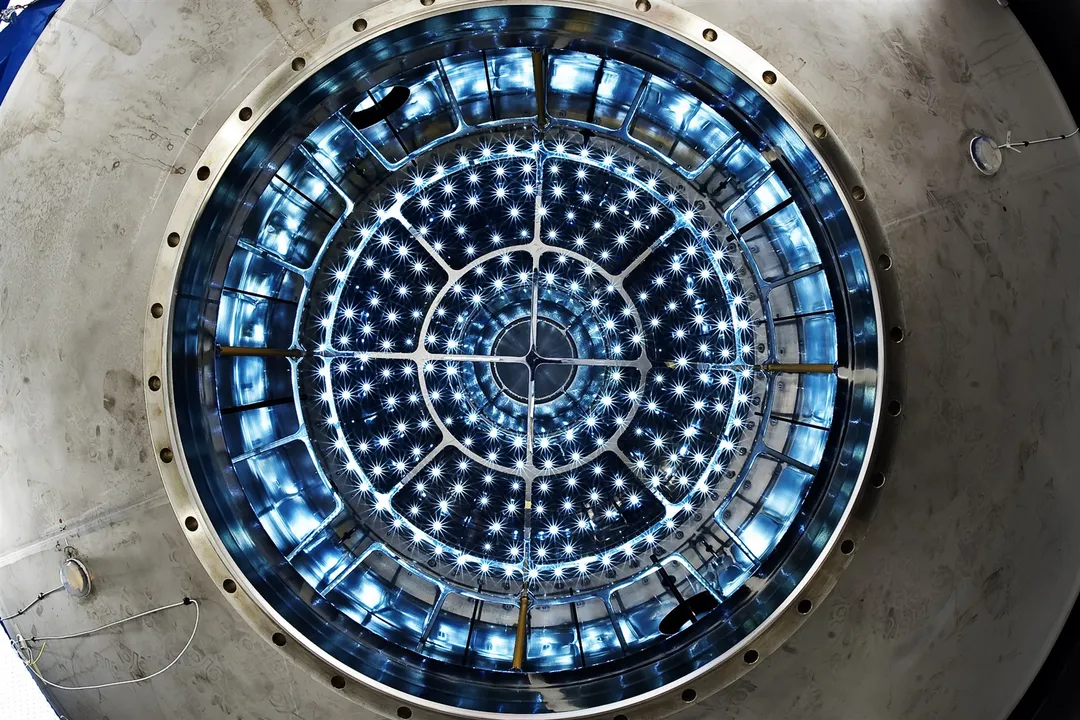
The universe sends us messages across the entire electromagnetic spectrum, and even in the form of high-speed particles. Far from being a silent, dark void, space is constantly filled with a faint, pervasive glow, punctuated by bursts of extreme energy and streams of matter accelerated to incredible speeds. To truly map what radiation the cosmos emits, we must consider everything from the oldest whispers of creation to the most violent astrophysical explosions.
# Ancient Echoes
One of the most fundamental components of this cosmic broadcast is the Cosmic Microwave Background (CMB) radiation. This is not light from a star or a galaxy; rather, it is the oldest light we can possibly detect, an almost perfectly uniform glow bathing the entire sky. The CMB is effectively the residual heat—the faint afterglow—from the Big Bang itself, originating from a time about 380,000 years after the universe began, when it finally cooled enough for photons to travel freely.
This ancient radiation is detected today primarily in the microwave portion of the spectrum. When this light was first emitted, the universe was incredibly hot, and these photons were high-energy visible light or even ultraviolet light. However, as the universe has expanded over billions of years, the wavelength of this light has been stretched—a process known as cosmological redshift—pushing it all the way down into the microwave band. Today, this radiation has cooled to a temperature of only about 2.725 Kelvin above absolute zero. To put that incredible cooling into perspective, if the initial temperature of the universe when the CMB formed was roughly that of the surface of the Sun, the expansion of space has since diluted that energy to a point where it is barely above the cold of deep space. The discovery and detailed mapping of the CMB proved a crucial validation for the Big Bang model of cosmology.
# Extreme Light
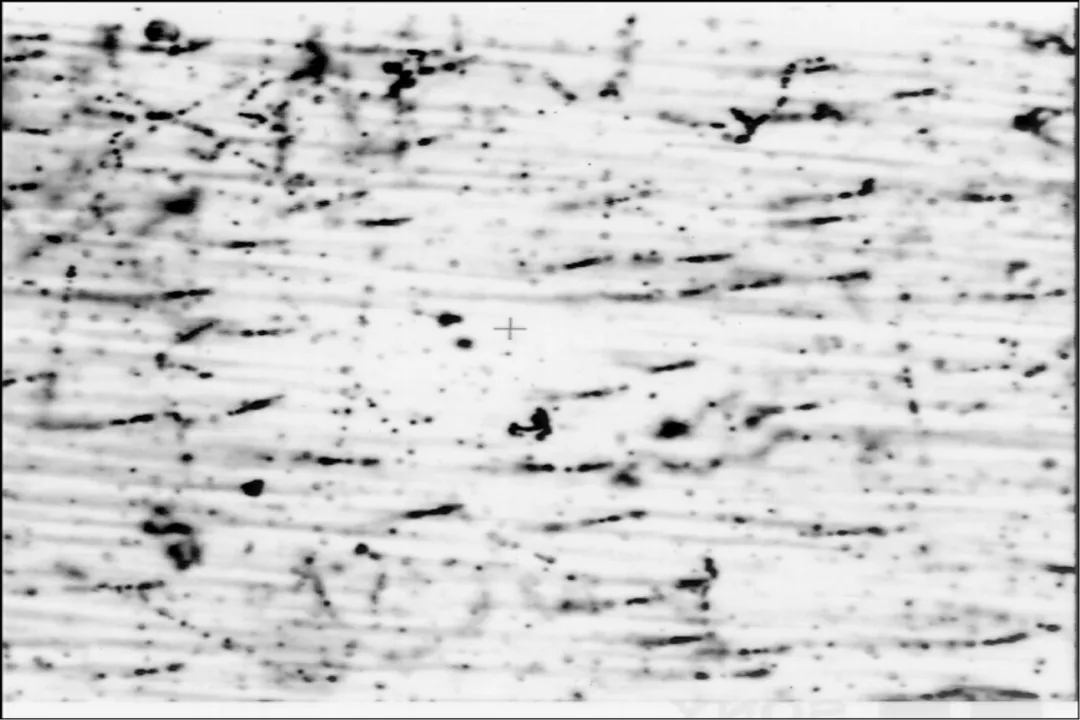
While the CMB provides a steady background hum, other forms of electromagnetic radiation reveal the universe’s most dramatic events. At the very top end of the electromagnetic spectrum lie gamma rays. These are the most energetic photons in existence, carrying far more power than X-rays, visible light, or radio waves.
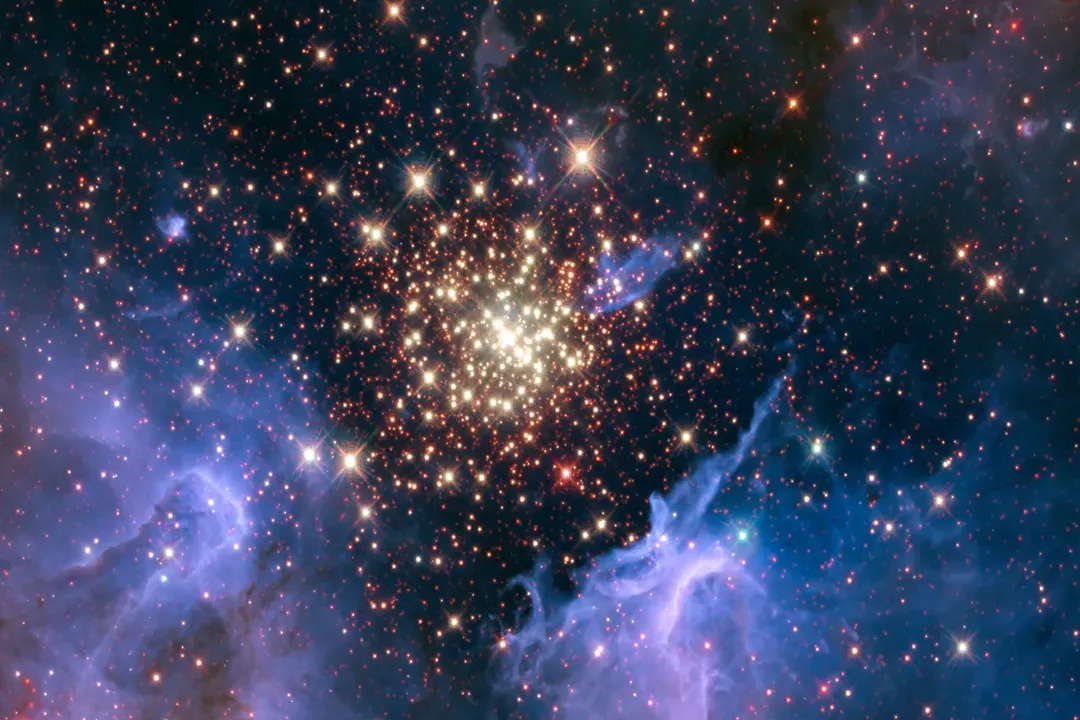
Gamma rays are the signatures of the universe’s most violent processes. We detect them originating from cataclysmic events such as supernovae—the explosive deaths of massive stars—as well as from the jets of material spewing out of supermassive black holes at the centers of active galaxies. Observing these high-energy photons allows scientists to probe physics under conditions that are impossible to replicate in any terrestrial laboratory. A gamma-ray burst (GRB), for instance, can briefly outshine the entire observable universe in that particular wavelength.

# Particle Streams
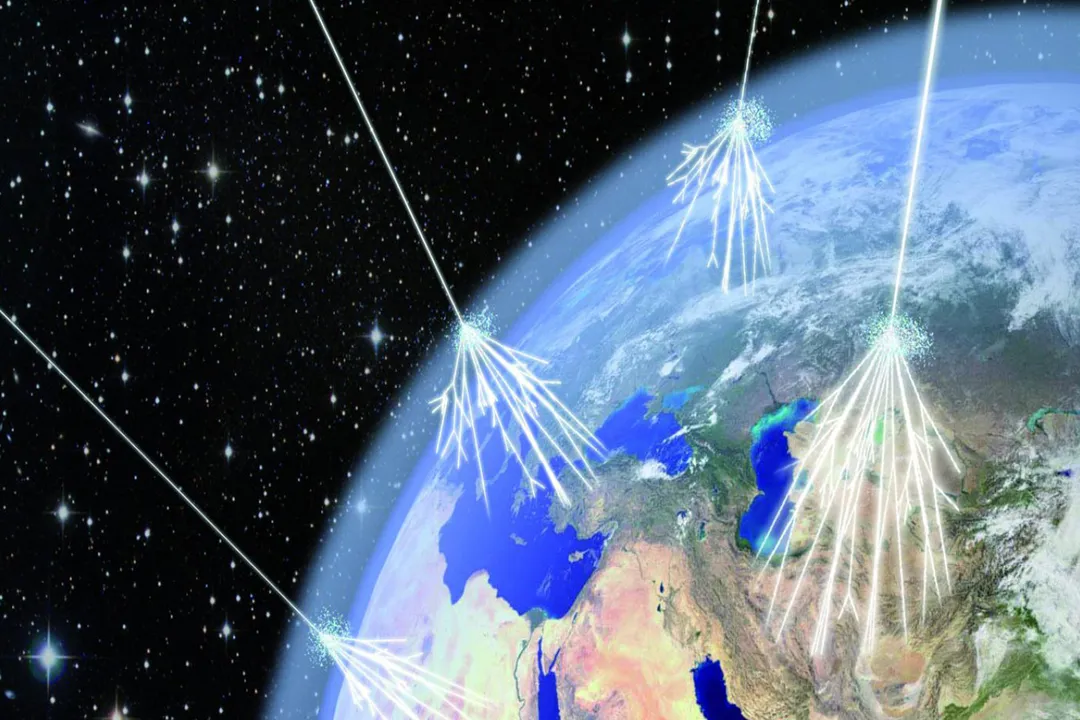
When discussing what radiation the universe emits, it is important to draw a sharp distinction between electromagnetic waves, like CMB and gamma rays, and actual matter particles accelerated to near the speed of light—known as cosmic rays. Cosmic rays are not photons; they are streams of high-energy, electrically charged particles, predominantly protons (about 90%) and atomic nuclei (like helium nuclei or alpha particles).
These particles originate from outside our solar system, earning the moniker "cosmic". Their sources are often linked to the same energetic phenomena that create gamma rays, such as supernova remnants or active galactic nuclei. When these charged particles travel, they interact with magnetic fields in space, causing their paths to become severely deflected and randomized. This makes pinpointing their precise origin incredibly difficult; unlike photons, which travel in straight lines, a cosmic ray detected on Earth might have originated hundreds of thousands of light-years away, its trajectory twisted by countless magnetic fields along the way.
For instance, a proton detected near Earth might have been accelerated by a shockwave from a star explosion near the Orion Arm, yet its path could have been convoluted by galactic magnetic fields, meaning it arrives from a direction unrelated to the original event. Some of the highest-energy cosmic rays are extra-galactic, meaning they come from outside the Milky Way galaxy entirely, representing energies far exceeding what even the largest particle accelerators on Earth can achieve.
To summarize the fundamental differences in these three major components of cosmic radiation:
| Radiation Type | Nature | Primary Origin | Energy Level |
|---|---|---|---|
| CMB | Electromagnetic Wave (Microwave) | Big Bang Afterglow | Very Low (Uniformly cold, ~2.7 K) |
| Gamma Rays | Electromagnetic Wave (Photon) | Violent Stellar/Black Hole Events | Extremely High |
| Cosmic Rays | Charged Particle (Proton/Nucleus) | Supernovae/Active Galaxies | Extremely High (Variable) |
# Shielded World
Given the constant emission of high-energy gamma rays and supersonic cosmic rays, one might expect space to be lethally irradiated. In fact, on Earth’s surface, we are quite safe. The primary reason for our protection is the combination of our planet’s magnetic field and its thick atmosphere.
The Earth's magnetic field deflects the charged cosmic ray particles, causing most of them to curve away from the planet. For those particles that manage to penetrate the magnetic barrier, the atmosphere acts as a deep shield, absorbing or fragmenting the radiation as it collides with air molecules. Most cosmic radiation reaching the ground is residual, secondary radiation created when primary cosmic rays interact high up in the atmosphere. Therefore, the background radiation dose we receive daily on the surface from these celestial sources is relatively low, especially compared to background radiation from natural sources like radon gas or medical procedures.
However, this protective blanket disappears for those traveling beyond low Earth orbit. Astronauts aboard the International Space Station (ISS) are still somewhat shielded by the station’s structure and the protection offered within the Earth’s magnetosphere, but their exposure levels are significantly higher than those on the ground. For missions venturing to the Moon or Mars, managing this constant barrage of high-energy particles becomes a primary engineering and health challenge, requiring robust shielding solutions to protect crews from potential long-term damage associated with increased radiation exposure. This difference in environment perfectly illustrates how Earth’s environment fundamentally filters the constant output of the cosmos.
Related Questions
#Citations
Cosmic microwave background
Gamma Rays
Cosmic rays, explained - UChicago News
Facts About Radiation from Space (Cosmic Radiation)
ESA - Cosmic Microwave Background (CMB) radiation
Cosmic Radiation: Why We Should not be Worried
Cosmic rays: particles from outer space
Cosmic Radiation | Research Starters