Why are voluntary actions inherently slower than reflexes?
Answer
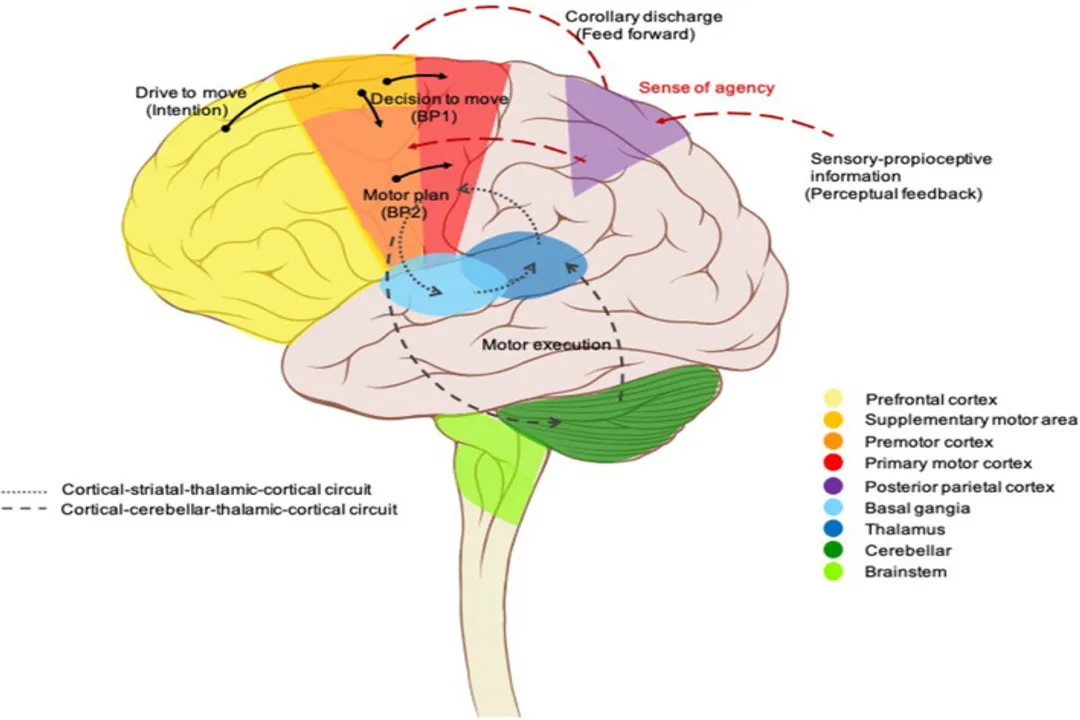
They require signal travel up to the brain for processing and interpretation
Voluntary actions are slower because the signal must travel up to the brain for processing, interpretation, and formulation of a response, involving a longer, multi-stage route compared to the reflex shortcut.
#Videos
The Difference Between Voluntary, Involuntary and Reflex Actions
Related Questions
What is the fundamental element distinguishing a reflex from a voluntary action?Which component of the nervous system handles the integration center for a typical spinal reflex?Why are voluntary actions inherently slower than reflexes?Where does the command signal originate for a voluntary action?What is the primary function served by rapid, involuntary reflexes?Which structure is typically NOT required to deliberate over the action in a reflex pathway?What is the term for the short neural loop characteristic of a reflex pathway?How can touching a hot stove element illustrate the interaction between reflex and voluntary systems?What physical distance accounts for the primary time sink in directed voluntary movements compared to reflexes?What functional benefit does the existence of reflexes provide to the brain?