How old is the youngest astronomer?
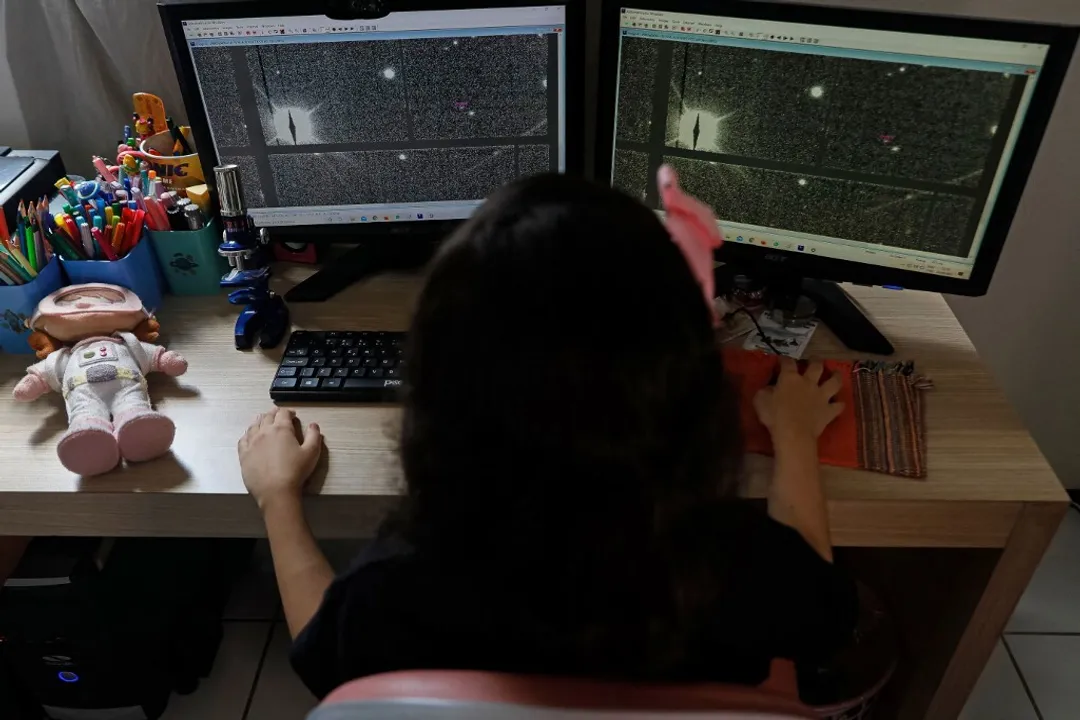
The concept of a prodigy, especially in a field as vast and complex as astronomy, often conjures images of academics decades into their careers, yet sometimes the stars align for someone much, much younger. We often associate professional astronomy with advanced degrees and expensive equipment, but the modern age of sky-watching and citizen science has democratized discovery, allowing truly exceptional young minds to make their mark on the cosmos surprisingly early. [4][5] This shift in accessibility allows us to recognize remarkable achievements that defy typical age expectations, putting the spotlight on individuals whose passion for the night sky burns incredibly bright from childhood.
# Youngest Titleholder
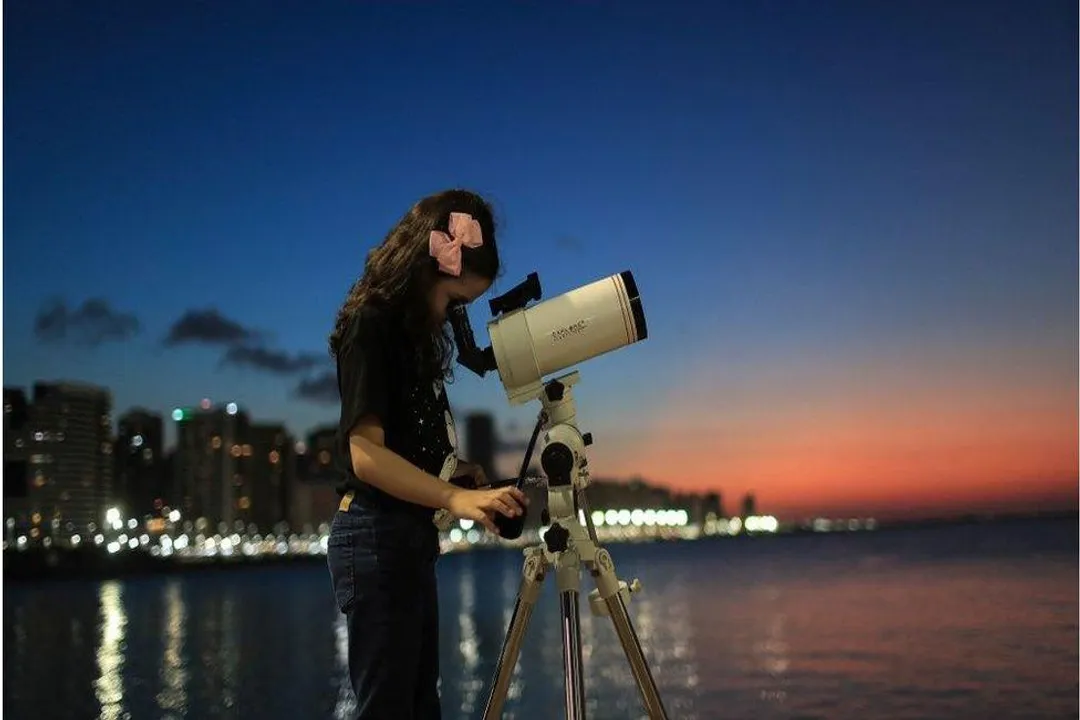
The title of the world's youngest astronomer currently rests with Nicole Oliveira, an exceptionally bright student from Brazil. [1][7] At just eight years old, she had already garnered international attention for her dedicated pursuit of celestial objects. [3][4] She is often affectionately referred to as Nicolinha by those familiar with her work. [8] Her achievements place her in a rare category of young minds whose curiosity translates directly into recognized scientific contribution, moving beyond simple stargazing into the realm of actual discovery and documentation. [6]
# Early Fascination
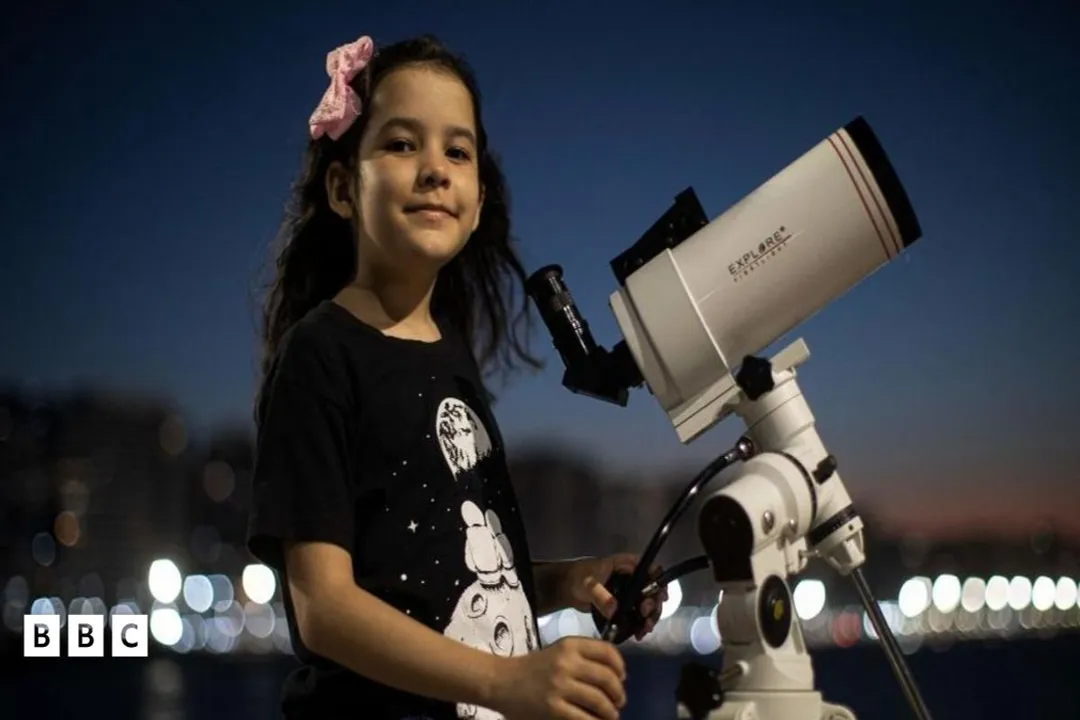
Nicole’s connection to the universe didn't begin with a textbook or a high school science class; it started very early in her life. [5] She developed a deep love for space when she was only about three years old, a time when most children are still mastering basic motor skills. [4] This early ignition of interest proved to be more than a fleeting phase. Her passion deepened to the point where she began studying the sky with intention, supported by her father, who is also an astronomer. [4][5] This foundational, familial support provided an early pathway for her serious engagement with the subject matter, contrasting sharply with the more formalized, later-stage introduction to astrophysics most people encounter. [5]
# Discovery Work
The line between amateur observer and professional contributor is often drawn by significant findings, and this is where Nicole truly stands out. She actively engages in the challenging work of searching for near-Earth objects. [8] Her efforts have been recognized by esteemed institutions, including NASA’s Center for Near Earth Object Studies (CNEOS). [4] One of her most significant accomplishments involves the identification and confirmation of an asteroid. [6] Specifically, the object designated 2008 BW1 was officially named in her honor, a profound recognition for an eight-year-old. [8] Furthermore, she has participated in observational sessions, such as those conducted with the Observatório do Cruzeiro do Sul, demonstrating her commitment to practical astronomical research. [5]
# International Recognition
The global community has taken note of this young Brazilian talent. Nicole has traveled to accept various honors recognizing her unique standing in the astronomical community. [6] A significant milestone in her accolades was being awarded as a prodigy in Dubai. [6] This type of recognition often goes beyond simple praise; it validates the seriousness of her pursuit at such a young age. [6] The support has also manifested in tangible ways within her home country, where she received an honorary title from the Aerospace Museum of the Brazilian Air Force located in Rio de Janeiro. [6]

# Published Work
Beyond observational astronomy, Nicole has also turned her experiences into accessible educational material. She has authored at least two books documenting her celestial adventures. [4][5] Her first publication, The Girl Who Discovered an Asteroid, serves as an introduction to her work. [4] Following that success, she published The Girl Who Discovered More Asteroids. [5] These publications are more than simple memoirs; they function as outreach tools written from the perspective of a peer, making complex astronomical discovery relatable to other children and inspiring them with a tangible example of what they might achieve. [4][5]
# Citizen Science Value
It is insightful to consider how Nicole’s early success illustrates the evolving landscape of astronomical research. In previous decades, the entry bar for asteroid discovery was set by access to large, professional-grade telescopes and specialized software knowledge, typically acquired through years of university study. [4] Nicole’s work, facilitated by modern access to data and collaborative platforms, shows that expertise in this context is less about years spent in formal academia and more about sustained focus, pattern recognition, and passion. [8] While she is learning from her astronomer father and likely using professional data streams, her rapid ascent into recognized discovery suggests that the modern era prioritizes dedication over prerequisite age. [5] This opens up an interesting thought experiment: if we could map the cumulative observation hours required for a confirmed minor planet discovery, how would Nicole’s hours compare to those of a contemporary adult citizen scientist who started later in life? The data isn't publicly compiled, but her achievement suggests the initial threshold for contribution is lower than ever before for those willing to put in the observational time. [4]

# Authorial Outreach
The decision to publish books so early offers another layer of significance. When renowned scientists publish, their work is authoritative but often formal. When Nicole publishes, she is offering experience directly to her cohort. [4][5] This creates an interesting dynamic where a very young person is essentially mentoring slightly younger children on how to pursue science. The narrative power of a book titled The Girl Who Discovered More Asteroids, written by the discoverer herself while she is still in elementary school, is immense. It turns the abstract goal of "doing science" into a concrete, achievable project for young readers, acting as a powerful non-traditional educational resource that bypasses the typical gatekeepers of scientific literature. [5]
# Looking Ahead
The path for an eight-year-old titled the "world's youngest astronomer" is certainly unique. While the label is evocative and captures immediate attention, the real measure of her contribution will be sustained engagement with science, whether through formal education or continued private observation. [1] Her journey, marked by publications, international awards, and the naming of an asteroid in her honor, sets an incredibly high bar for young space enthusiasts everywhere. [6][8] It serves as a bright reminder that genuine curiosity, when paired with opportunity, has no age limit when it comes to reaching for the stars. [4]
#Videos
Youngest Girl Found 7 Asteroids For NASA | WION Podcast - YouTube
8-year-old Brazilian girl dubbed world's youngest astronomer | AFP
Related Questions
#Citations
8-year-old Nicole Oliveira from Brazil has become the world's ...
Space: 8-year-old Nicole could be world's youngest astronomer - BBC
Youngest Girl Found 7 Asteroids For NASA | WION Podcast - YouTube
8-Year-Old Asteroid Hunter From Brazil Is Officially The World's ...
Head in the sky: 8-year-old Brazilian girl dubbed world's youngest ...
Brazilian child astronomer awarded as prodigy in Dubai - ANBA
8-Year-Old Asteroid Hunter From Brazil Is "World's Youngest ...