What can you do with old urine?
The accumulated volume of human urine, often seen strictly as waste requiring disposal, is increasingly recognized as a potent source of essential nutrients that the modern sanitation system unnecessarily discards into waterways. When we shift our perspective from waste management to resource recovery, the uses for this fluid become surprisingly diverse, ranging from agricultural amendment to feedstock for nutrient extraction. The key to unlocking this potential lies in understanding its composition and applying appropriate processing methods, especially considering how the urine is aged.
# Nutrient Profile
Urine is a remarkably consistent source of valuable elements required by plants. Primarily, it contains high concentrations of nitrogen, which is vital for leaf growth, alongside potassium and phosphorus, the other macronutrients that form the basis of common fertilizer grades. For context, an average adult excretes enough nitrogen annually to supply the nutrient needs for a significant portion of their own food needs for a year, depending on diet and cultivation methods. The concentration of these minerals, however, means that applying raw urine directly to crops without dilution is almost always detrimental, leading to nutrient burn or osmotic stress on the plants.
# Processing Safety
A critical consideration when thinking about reusing urine, particularly in food production, is safety. Fresh urine is generally considered sterile when it leaves the body, but it rapidly becomes colonized by bacteria from the urethra and external environment. This bacterial load, combined with potential concerns about antibiotic resistance genes, often causes hesitation among gardeners and innovators alike.
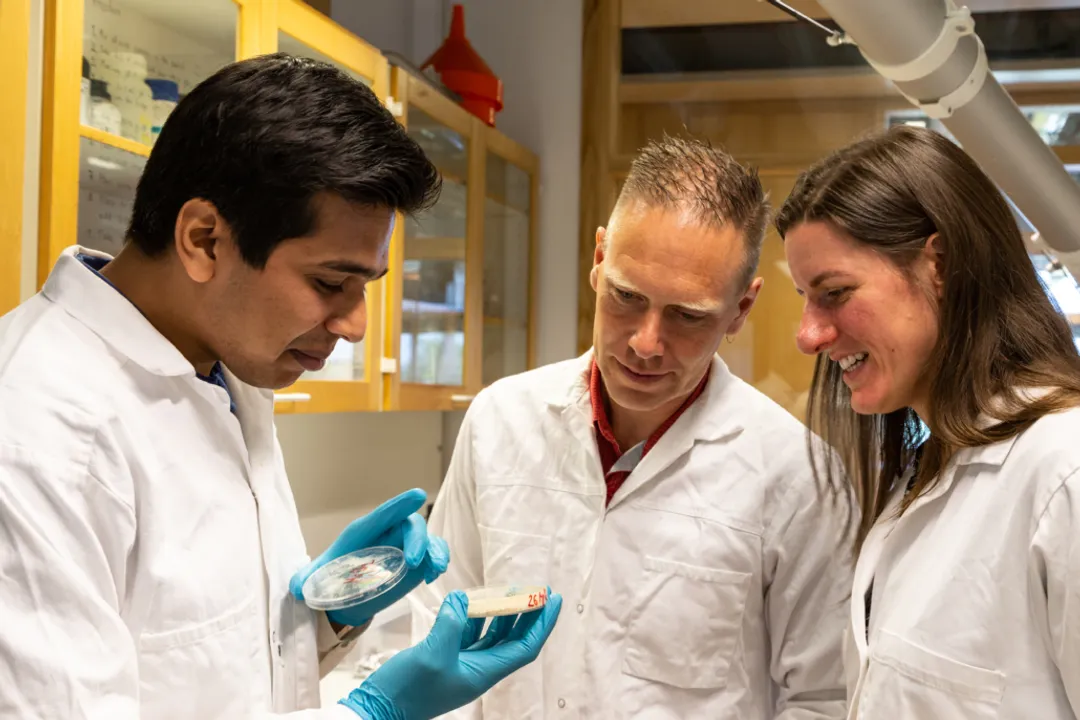
Fortunately, research has shown a viable pathway to mitigate these risks. The process of aging urine, often by storing it for a period, significantly reduces the presence of pathogens. More specifically, studies investigating the conversion of aged urine into fertilizer have demonstrated that this aging step prevents the transfer of antibiotic resistance genes into the final soil amendment product. This suggests that allowing time and aerobic processes to work on the collected fluid is an important, nature-based safety mechanism before soil application.
If immediate garden application is desired rather than long-term processing into a fertilizer product, the consensus points toward extreme dilution. While exact figures vary based on application method and crop sensitivity, a ratio as high as 1 part urine to 10 or 20 parts water is often recommended for general fertilization to prevent immediate plant damage. However, this method still relies on the quick breakdown of any transient pathogens, making the aged-and-processed route more appealing for consistent, large-scale reuse. For instance, a system designed for nutrient reclamation might focus on harvesting the concentrated salts, whereas a home gardener might prioritize simple dilution for an immediate NPK boost.
It is interesting to note that the chemical composition shifts over time during storage. The urea, the main nitrogen compound, breaks down into ammonia through hydrolysis. This chemical change is what aids in pathogen reduction but also means that the exact nitrogen form available to plants changes depending on how long the urine has been sitting. If a gardener is storing large volumes, they must account for this transformation; the "fresh" nutrient profile they started with will not be the profile they end up applying months later.
# Methods for Reclamation
The process of turning collected urine back into usable components is being refined by various groups, from small-scale ecological sanitation projects to university research labs. One documented approach involves a simplified 10-step process designed to create a usable resource from separated urine. While the exact sequence varies depending on the technology employed—whether simple gravity separation or more complex chemical precipitation—the goal remains consistent: isolate the nutrients from the bulk water.
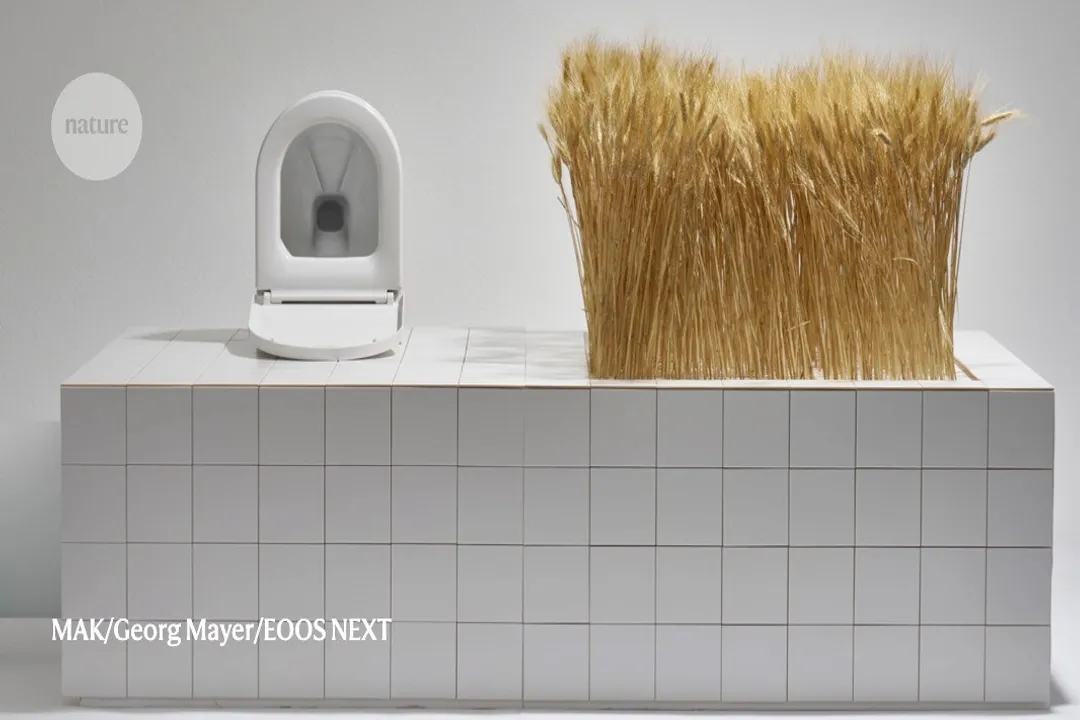
Urine separation technology plays a key role here, often involving specialized toilets that divert urine away from fecal matter at the source. This segregation is vital because treating urine separately is far simpler and less energy-intensive than treating mixed wastewater. Once separated, the urine can undergo steps like concentration, crystallization, or thermal treatment to yield a stable, transportable nutrient product. For example, some advanced methods aim to precipitate out struvite (magnesium ammonium phosphate), a slow-release fertilizer.
Comparing the simplest method—dilution and direct application—to a chemical precipitation method reveals a trade-off between logistical ease and product stability. Dilution offers immediate, albeit risky, nutrient availability for the home gardener. In contrast, precipitation or aging followed by controlled drying yields a fertilizer that is non-odorous, easily transported, and safe for long-term storage, appealing to larger agricultural operations or municipal resource recovery efforts. The simple 10-step process aims to bridge this gap by offering a manageable path for resource recovery without requiring industrial-scale infrastructure.
# Garden Application
For those looking to apply their collected urine directly in the garden, as might be the case for the individual storing hundreds of gallons in barrels, there are specific considerations beyond simple dilution. Urine can be applied to established plants, either by soil drenching or spraying the leaves (foliar feeding), provided it is sufficiently diluted. Some gardeners opt to use the urine to "charge" compost piles or worm bins, introducing nitrogen that helps speed up the decomposition process.
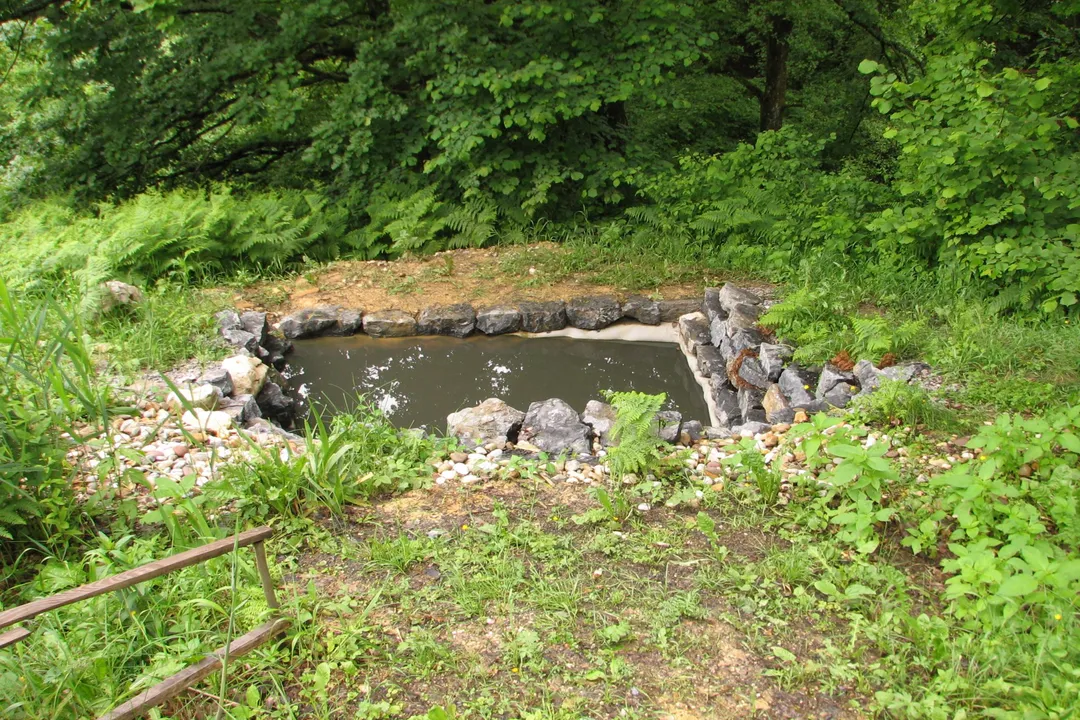
A practical approach for the home user is to establish a dedicated aging barrel separate from the immediate collection vessel. This allows pathogens to die off before the material is introduced to the vegetable patch. If one were collecting for a large-scale garden over an entire growing season, managing the supply is key. If you collect, say, 50 gallons over three months, you must ensure that the first batch collected is aged sufficiently by the time you need to apply it during peak growth periods.
If we consider the logistics for a typical suburban garden requiring 10-20 lbs of supplemental nitrogen per year, an individual generating urine might find that their own output exceeds their garden's needs quickly. This is precisely what leads to the storage dilemma seen by those filling multiple 50-gallon barrels. For the home user facing this surplus, the most responsible next step, absent a local community composting or reclamation program, is often to dilute the aged material substantially (perhaps 1:50 or greater) and apply it to non-food landscaping or to an established lawn well before any food crop is planted in that soil.
# Scaling Storage Challenges
The scenario of one individual accumulating several hundred gallons of stored urine illustrates a fundamental challenge in resource recovery: logistics and volume. While the material holds inherent value as a nutrient source, moving, processing, or safely applying hundreds of gallons of liquid waste requires significant effort, space, and time commitment that often outweighs the perceived benefit for a single household. This volume moves the material from a simple household curiosity to a genuine logistical problem that requires systematic processing, like the multi-step recovery methods developed by sanitation engineers.
If we estimate that an adult produces about 1.5 liters of urine daily, accumulating 100 gallons (approximately 378 liters) takes roughly 250 days—less than a year. This rapid accumulation highlights why closed-loop systems look toward chemical processing rather than simple storage. Processing equipment, whether precipitation reactors or concentration units, is designed to handle predictable flows, turning a bulky liquid into a standardized, dry, marketable product. For the person with the barrels, the value is locked behind the need for capital investment or specialized labor to process that high volume into something easily transportable and storable like potash or ammonium phosphate.
# Future Systems
The movement toward urine diversion and recycling is driven by both the desire to recapture valuable nutrients and the need to reduce the pollutant load entering municipal wastewater systems. Researchers are actively developing cost-effective ways to recover phosphorus and nitrogen because these components contribute to issues like eutrophication when released untreated. The methods, such as the 10-step process mentioned, focus on creating simple, decentralized solutions where treatment happens close to the source. Viewing urine as a resource—a "yellow gold"—rather than a liability pushes innovation in areas like urine-diverting dry toilets and localized water treatment, aiming for a circular economy in sanitation.
#Videos
Pee-cycling: Turning human urine into fertilizer - YouTube
Turning urine into GOLD | Science Nation - YouTube
Related Questions
#Citations
Pee-cycling: Turning human urine into fertilizer - YouTube
We developed a simple process to recycle urine. Here's how it's ...
'Aged' urine won't transfer antibiotic resistance when converted to ...
The Liquid Gold - Urine Recycling 101 - Shit and blossoms
Human Urine as Fertilizer: How to Safely Use Urine for Plants
What can I do with 100 gallons of urine? I store my urine in bottles ...
The urine revolution: how recycling pee could help to save the world
Pee-Cycling for Gardeners - GrowVeg.com