How lethal is cosmic radiation?
Cosmic radiation is an ever-present feature of our universe, a continuous bombardment of high-energy particles streaming in from across the galaxy and from our own Sun. The lethality of this phenomenon is not a single, static answer; rather, it is entirely dependent on context, location, and duration of exposure. [3] For most people on Earth, the danger is negligible, but for anyone venturing beyond our atmosphere, the risk profile shifts dramatically, transforming an abstract concept into a primary engineering and health challenge. [2]
# Types Energy
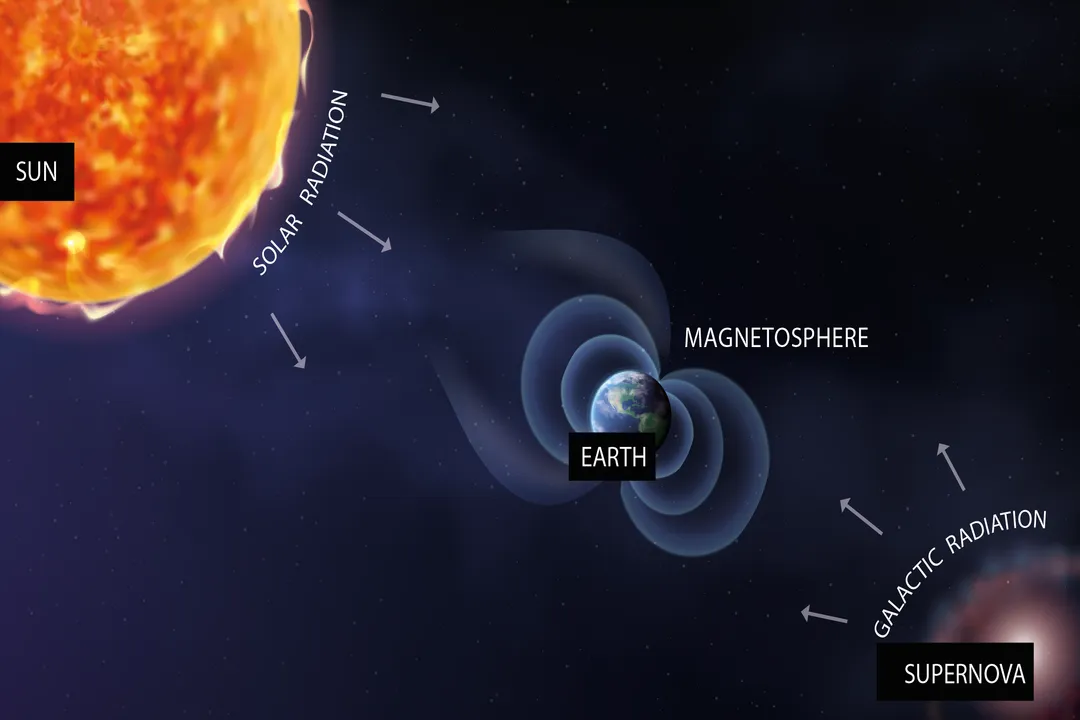
The term "cosmic radiation" covers a spectrum of ionizing particles, the most dominant being Galactic Cosmic Rays (GCRs). [2] GCRs are incredibly energetic, comprised primarily of atomic nuclei—protons and heavier ions stripped of their electrons—accelerated by distant, violent cosmic events. [9] These particles travel at speeds approaching the speed of light and carry significant kinetic energy. [9] In contrast, Solar Particle Events (SPEs) erupt from the Sun, especially during solar flares, and while typically less energetic than GCRs, they can arrive in massive, unpredictable bursts that pose an acute danger to unprotected space travelers. [2]
# Earth Shielding
On the surface of our planet, the risk from cosmic radiation is largely mitigated by two natural defenses: the Earth's magnetic field and its thick atmosphere. [1] The magnetic field deflects most of the charged GCRs, diverting their paths away from the surface. [1] When particles do manage to penetrate this defense, they collide with atoms in the upper atmosphere, creating a cascade of secondary radiation that eventually filters down to ground level. [6] This environmental filtering ensures that the radiation dose contribution from cosmic sources at sea level remains a minor component of the total background radiation dose an individual receives throughout their life. [6]
However, the protection offered by the atmosphere is not uniform. If you were to compare a passenger flying at cruising altitude to someone on the ground, the flyer receives a substantially higher dose rate, sometimes comparable to what astronauts experience in Low Earth Orbit (LEO) during certain periods. [3][4] This demonstrates that the lethality or danger is directly proportional to the thickness of the shielding mass between you and outer space. [7]
Consider the difference in quality of radiation. A standard medical X-ray delivers a known, controlled dose of low-energy photons. Cosmic radiation, especially the heavier ions within GCRs, deposits its energy much more densely along a very short path through tissue. This "high Linear Energy Transfer" (LET) means that a single particle can cause localized biological damage that is far more biologically effective than the equivalent energy deposited by lower-LET sources. This qualitative difference makes simple comparison with terrestrial dose metrics tricky when assessing long-term space flight risks. [4]

# Space Hazards
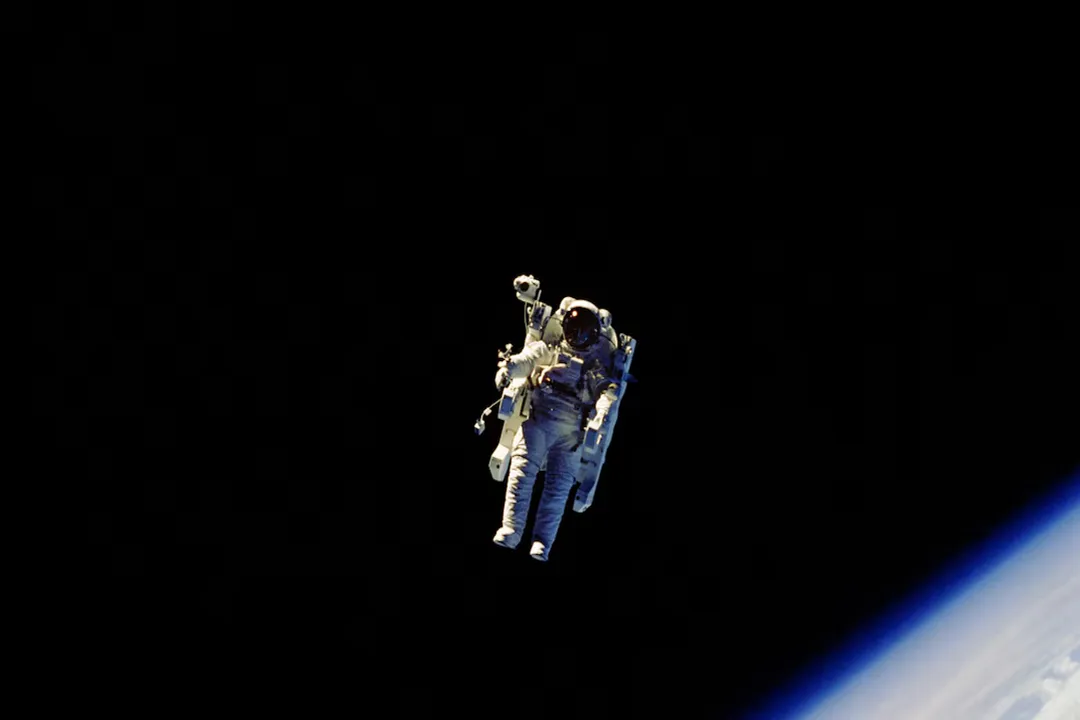
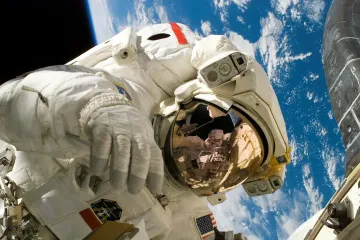
The stakes rise considerably once we exit the protective cradle of Earth’s environment. [2] For astronauts aboard the International Space Station (ISS), which orbits relatively close to Earth, the magnetic field still offers considerable, though incomplete, protection against GCRs. [7] Even so, cumulative doses in LEO are significantly higher than on Earth, leading to strict career limits for astronauts based on accumulated lifetime exposure. [4]
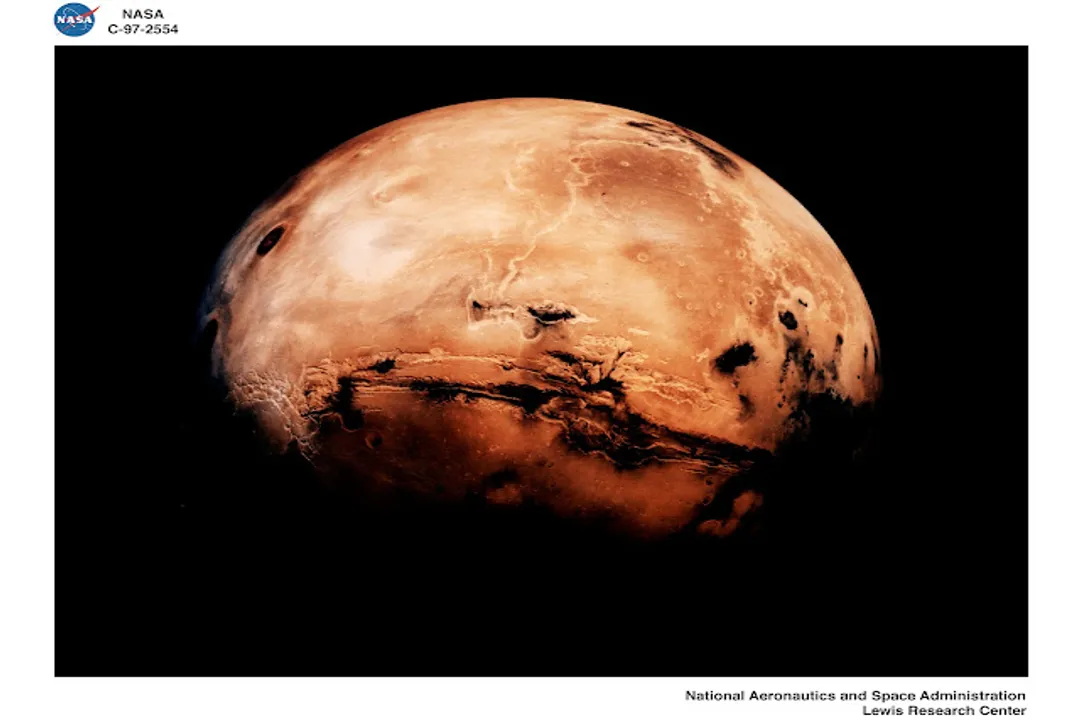
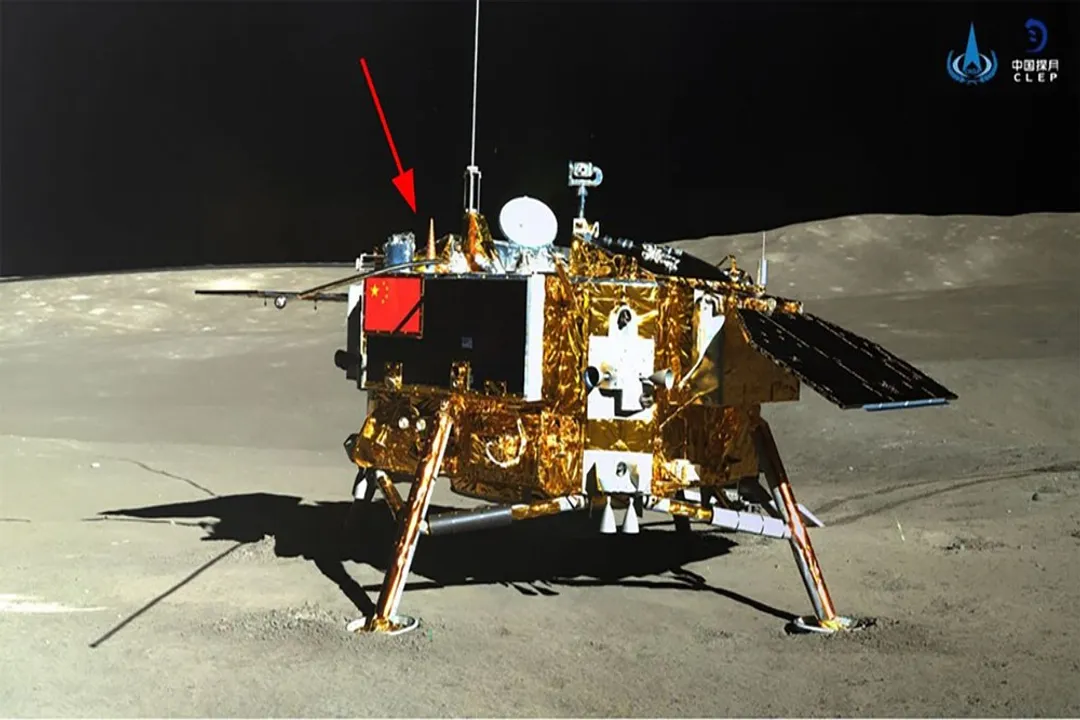
When missions venture beyond LEO, such as proposed voyages to the Moon or Mars, that magnetic shield is lost entirely. [7] Crews are then directly exposed to the full intensity of GCRs, which presents a chronic, long-term hazard, alongside the ever-present, acute threat of an unexpected SPE. [2] For these deep-space scenarios, the concept of lethality moves from a low statistical probability over decades toward a scenario where a major solar event could cause acute, severe radiation sickness if adequate, heavy shielding is not available. [4] The radiation environment on the lunar surface, for example, is known to be more intense than on Earth but less severe than the deep-space void. [7]
# Biological Effects
The health consequences of exposure to this high-energy bombardment are multifaceted, reflecting damage to cellular structures throughout the body. [4] The primary long-term concern is the increased lifetime risk of developing cancer due to accumulated DNA damage that overwhelms natural repair mechanisms. [4] Beyond carcinogenesis, ocular health is a major focus; exposure increases the likelihood of developing cataracts. [4]
More recently, scientific attention has fixed on the Central Nervous System (CNS). Space radiation is known to affect the brain's delicate architecture, potentially leading to measurable changes in cognitive function, mood stability, and overall behavior. [8][5] The high-energy particles can damage neurons, disrupt signaling pathways, and affect neurogenesis—the creation of new neurons—which introduces complex challenges for maintaining astronaut health on multi-year missions. [5][8]
It is interesting to note that while the immediate, acute danger posed by a massive solar event can often be managed through pre-planned sheltering (utilizing dense materials like water tanks or stored equipment as temporary barriers), the chronic, low-dose exposure from GCRs remains the persistent, harder-to-solve engineering problem. This sustained weathering slowly erodes biological integrity, manifesting as increased disease risk years or decades later. [4] Furthermore, the established exposure limits used by space agencies are derived from terrestrial data sets, which may not fully capture the unique biological damage caused by the heavy, highly ionizing particles encountered in space, potentially leading to risk underestimations for long-duration missions. [3]
# Mitigation Strategies
Because complete shielding against GCRs is practically impossible—it would require launching spacecraft encased in several meters of dense material, which is infeasible—radiation safety in space relies on a layered approach involving time, distance, and physical barriers. [2] Missions are carefully planned to minimize time spent in high-radiation zones, and astronauts utilize operational procedures to shelter during predictable solar activity.
When physical shielding is employed, materials rich in hydrogen, such as polyethylene plastics, are often considered superior to traditional heavy metals like aluminum for blocking GCRs and SPE protons. [2] This is because hydrogen atoms are highly effective at slowing down and neutralizing the incoming charged particles without producing as many harmful secondary radiation byproducts as heavier elements might. Designing habitats and vehicles with dedicated "storm shelters" utilizing these materials is a necessary element of deep-space architecture. [2] Successfully navigating the lethality of cosmic radiation means accepting a managed risk profile rather than achieving absolute safety, recognizing that every increase in mission duration exponentially increases the cumulative biological toll. [4]
Related Questions
#Citations
Cosmic Radiation: Why We Should not be Worried
Why Space Radiation Matters - NASA
Just how dangerous is radiation in space? : r/askscience - Reddit
Cosmic radiation gave the Fantastic Four superpowers. Here's what ...
The Effects of Galactic Cosmic Rays on the Central Nervous System
Cosmic Radiation | US EPA
How intense and dangerous is cosmic radiation on the Moon?
How Does Cosmic Radiation Affect the Brain? One USU Professor ...
Cosmic ray - Wikipedia