In BJT amplification, which terminal receives the small electrical signal that controls the larger current flow?
Answer
Base
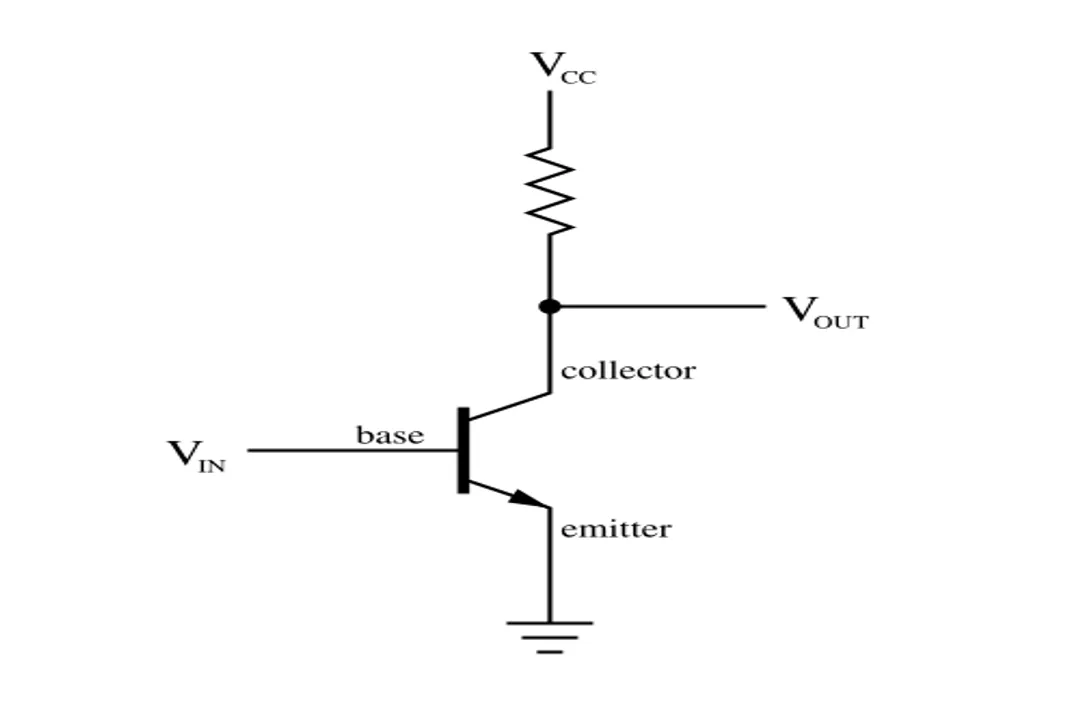
The fundamental concept of amplification involves applying a small electrical signal to the Base terminal to precisely control a much larger flow of current moving between the Collector and the Emitter.
#Videos
How Transistor works as an Amplifier - YouTube
Related Questions
What are the two fundamental roles a transistor is designed to act as in modern electronics?What are the three primary terminals specifically named for a Bipolar Junction Transistor (BJT)?In BJT amplification, which terminal receives the small electrical signal that controls the larger current flow?Where does the energy necessary to create the larger, amplified signal fundamentally originate?How is the effectiveness of a transistor when used as an amplifier quantified?If a BJT exhibits a current gain of 100, what is the resulting collector current if 1 mA is applied to the base?What is the mathematical relationship defining current gain ($I_C$ related to $I_B$)?How is voltage amplification specifically achieved using a transistor circuit configuration?What is the necessary condition for a transistor to operate as an amplifier rather than just a switch?What operational state ensures the output signal is a perfectly scaled copy of the input signal, preventing distortion?