Was the WoW signal a microwave?

The signal captured on August 15, 1977, by the Big Ear radio telescope at Ohio State University remains one of the most compelling, yet frustrating, mysteries in the search for extraterrestrial intelligence (SETI). Registered by astronomer Jerry Ehman, this burst was remarkable because it lasted for 72 seconds—the exact duration the telescope required to scan a fixed point in the sky—and registered a strength more than 30 times the expected background noise. [1] The immediate question wasn't just if it was alien, but what kind of signal it was. When people now ask if the Wow! signal was a microwave, they are often probing whether it was a specific type of electromagnetic radiation linked to technology or a natural cosmic event. The answer lies in separating the frequency band from the potential source.
# Frequency Key
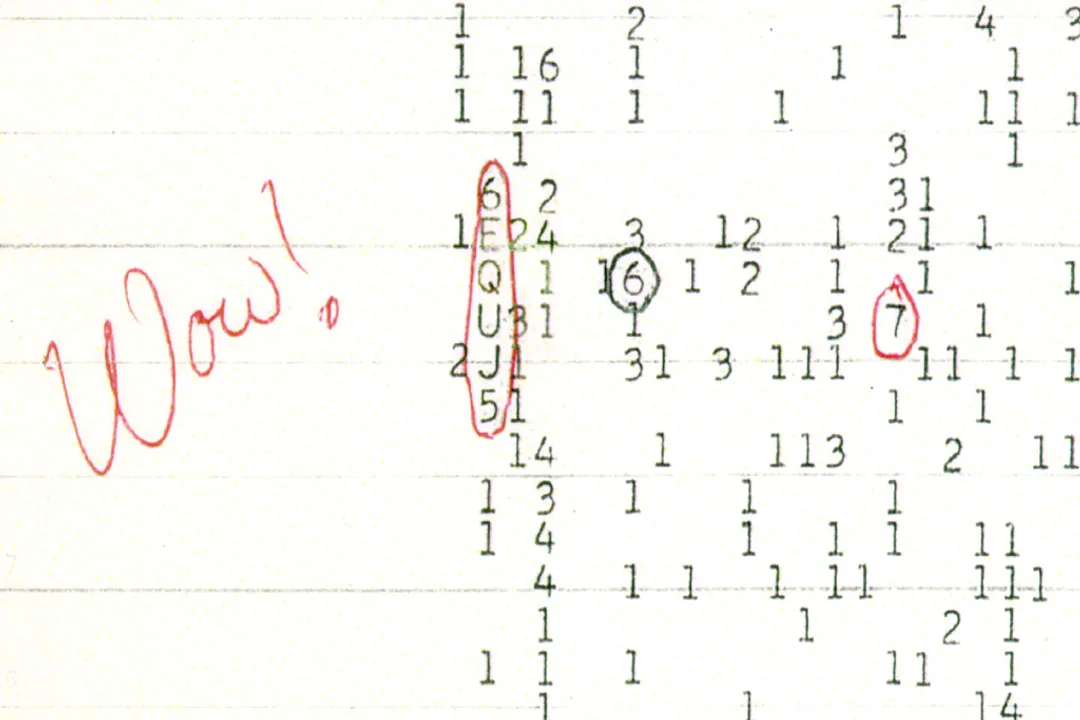
The initial excitement stemmed from the signal’s location in the radio spectrum. It appeared very near the frequency of 1420.40575 MHz. [7] This specific frequency is known as the hydrogen line, the characteristic emission frequency of neutral atomic hydrogen, which is the most abundant element in the universe. [7][8] For decades, SETI researchers have identified this frequency as a logical channel for interstellar communication, theorizing that any civilization aware of basic physics would recognize its universal significance. [8] A strong, narrow-band signal at this exact frequency was exactly what SETI was designed to find, suggesting a non-random, perhaps artificial, origin. [1]
However, the distinction between a natural emission at the hydrogen line and an artificial emission is crucial. Natural sources, like masers or hydrogen clouds, tend to have a different profile or drift differently across the sky than what was observed. [5] The Wow! signal was characterized by its tight bandwidth and lack of drift, characteristics more suggestive of a coherent, man-made transmission. [1]
# Terrestrial Link

When scientists investigate persistent, strong, narrow-band signals detected by radio telescopes, the first culprit they almost always investigate is terrestrial interference—radio frequency interference (RFI) generated by human technology. [2] This brings us directly to the "microwave" aspect of the query. The signal was detected in the microwave region of the electromagnetic spectrum, but this does not automatically mean it came from a distant civilization using microwave technology.
One compelling and highly debated explanation ties the signal not to a distant star system, but to a very close, very mundane source: a microwave oven. [3] This theory gained traction because the Big Ear telescope array operated for many years after the initial 1977 detection. Subsequent investigations suggested that for nearly two decades, the telescope picked up repetitive signals originating from a nearby source, with the microwave oven being the prime candidate. [3] The magnetron within a microwave oven produces emissions that can sometimes leak outside the shielded appliance, especially if the oven is aging or poorly maintained. [3]
If this hypothesis holds weight, the signal wasn't a communication beamed across light-years; it was a stray emission from a nearby kitchen, perhaps from a facility that used the telescope grounds for lunch breaks or maintenance during the years following the initial discovery. [3] The fact that the signal was detected only once, however, complicates this easy explanation, leading to ongoing debate, although some analyses suggest the source of the long-term interference might have been related to equipment used on-site long after 1977. [2][5]
# Data Consistency
The comparison between a true extraterrestrial signal and terrestrial noise often boils down to consistency and repeatability. A genuine interstellar message should, theoretically, appear again if we point the telescope back to the source region. [2] The Wow! signal’s single occurrence is its greatest weakness as an ETI candidate. [1] It was an event, a fleeting snapshot in time.
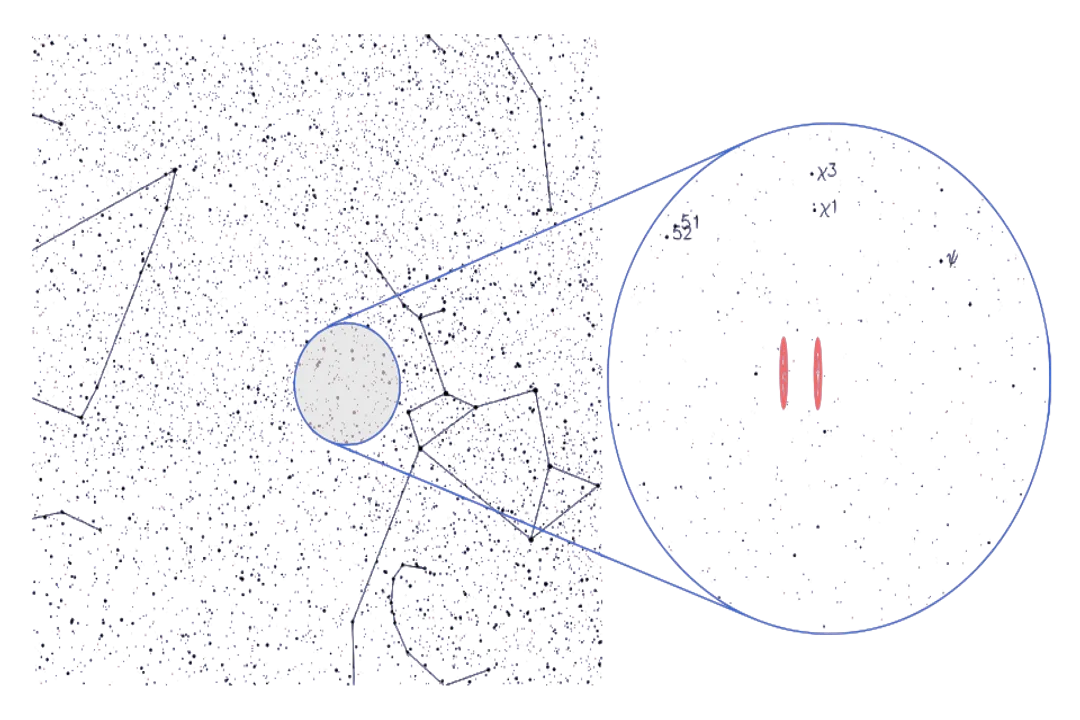
Consider the nature of the detection. The Big Ear was a fixed antenna pointed skyward, relying on the Earth’s rotation to sweep the beam across the sky. [1] A transient event, whether cosmic or terrestrial, could easily be missed in subsequent sweeps. The fact that it was never definitively seen again has heavily swayed the scientific community toward non-extraterrestrial explanations, even if the exact terrestrial source remains elusive or debated across various community discussions. [2][5][7]
To better frame this, we can look at the characteristics:
| Feature | Wow! Signal Observation | Cosmic Hydrogen Line (Ideal SETI Target) | Terrestrial Microwave Leakage |
|---|---|---|---|
| Frequency | MHz | $1420.40575$ MHz | Can be near this, but often broader or erratic |
| Duration | 72 seconds (Fixed time) | Continuous or repeating pattern expected | Can be transient based on appliance use |
| Bandwidth | Narrow-band (Suggests artificiality) | Narrow-band if artificial | Narrow-band if magnetron leakage |
| Repeatability | Never repeated | Expected to repeat | If local, expected to repeat periodically |
An interesting consequence of an event like the Wow! signal not being repeatable is how it shapes the methodology of subsequent searches. Because we cannot confirm the source, the scientific community defaults to maximizing our understanding of false positives. This non-recurrence acts as an unintentional but essential field test, highlighting that a perfect signal characteristic (like frequency) is insufficient without robust confirmation. [5] If we treated every single transient signal like the Wow! signal as a confirmed alien beacon, radio astronomy observation time would quickly become overwhelmed by investigating ghosts. The experience of dealing with the Wow! signal taught subsequent SETI projects to prioritize cross-validation across multiple instruments, something the single-dish Big Ear could not do. [1]
# Origin Theories
If we temporarily set aside the terrestrial microwave oven explanation, what else could it have been? Scientists have proposed various natural mechanisms, such as solar system phenomena or localized astrophysical events, though many lack the specific characteristics observed. [5] The signal was undeniably radio wave, specifically in the microwave band, but the term microwave often colloquially refers to high-frequency radio waves used in communication, which naturally points toward human technology.
The problem isn't the band of the signal; it's the coherence and isolation of that band. Cosmic noise tends to be broad-spectrum or "white noise" across many frequencies. A signal derived from a technology like a magnetron, or a communication device, is concentrated energy within a very narrow slice of the spectrum—the very feature that made the Wow! signal so exciting. [1] Therefore, whether the source was a kitchen appliance or an alien transmitter, the physical mechanism creating the energy output required high technological sophistication to concentrate the power so effectively at $1420$ MHz. The difference between the two explanations is simply proximity and intent.
This leads to a point of reflection for anyone studying the data: we often project our own technological capabilities onto the unknown. The fact that the only convincing terrestrial explanation involves a common household appliance, rather than a powerful military radar or advanced communication system, adds a layer of irony to the search for advanced intelligence. It forces us to consider that even the most sophisticated SETI candidate might stem from the lowest common denominator of human technology leaking into space. [3]
Ultimately, the consensus among many scientists viewing the totality of the evidence—the initial spike followed by the lack of repetition and the persistent, long-term interference pattern at the same location—leans heavily toward a terrestrial origin, likely related to a human-made microwave source affecting the equipment over time. [2][3] The term "microwave" in the context of the Wow! signal is most accurately applied to the type of terrestrial interference that likely contaminated the observation, rather than the communication method of an intelligent alien species sending a message on the universal hydrogen channel. The signal remains an invaluable case study in how difficult it is to definitively rule out local noise when searching the heavens.[5][7]
#Citations
Wow! signal
The “Wow! Signal,” not surprisingly, was a dud
Microwave oven to blame for mystery signal that left ...
Astrophysicists May Have Found the Source of Mysterious ...
New Explanations for the Enigmatic Wow! Signal
The Wow! Signal
The WOW! signal was detected on August 15th 1977 at ...
The Wow! Signal: New analysis closes in on mysterious ...