What effect does a supermoon have on people?
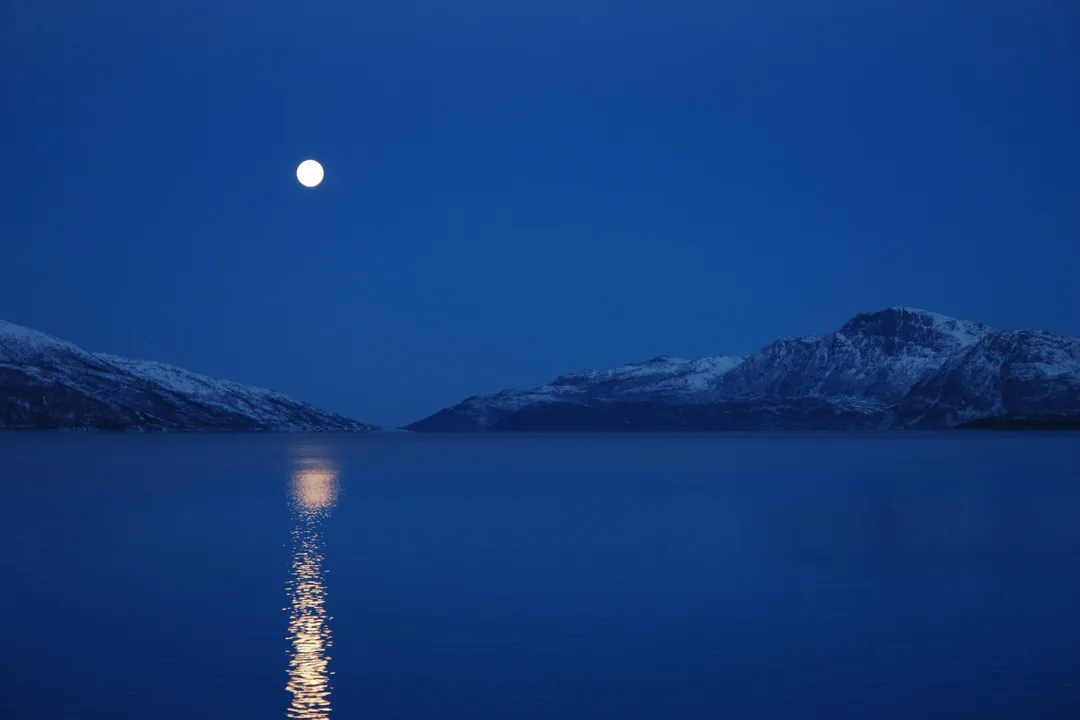
The sight of the full moon hanging huge and bright in the night sky often sparks conversation, but when that full moon is also a supermoon, the energy seems to intensify for many people. It is a common observation across forums and social gatherings that something shifts in the collective mood or personal rhythms when this specific celestial event occurs. Whether it is an actual physical influence or a powerful product of anticipation, the supposed effects of a supermoon on human behavior, sleep, and well-being are frequently discussed topics, prompting a closer look at what science and personal experience tell us.[2][1][7]
# Lunar Mechanics
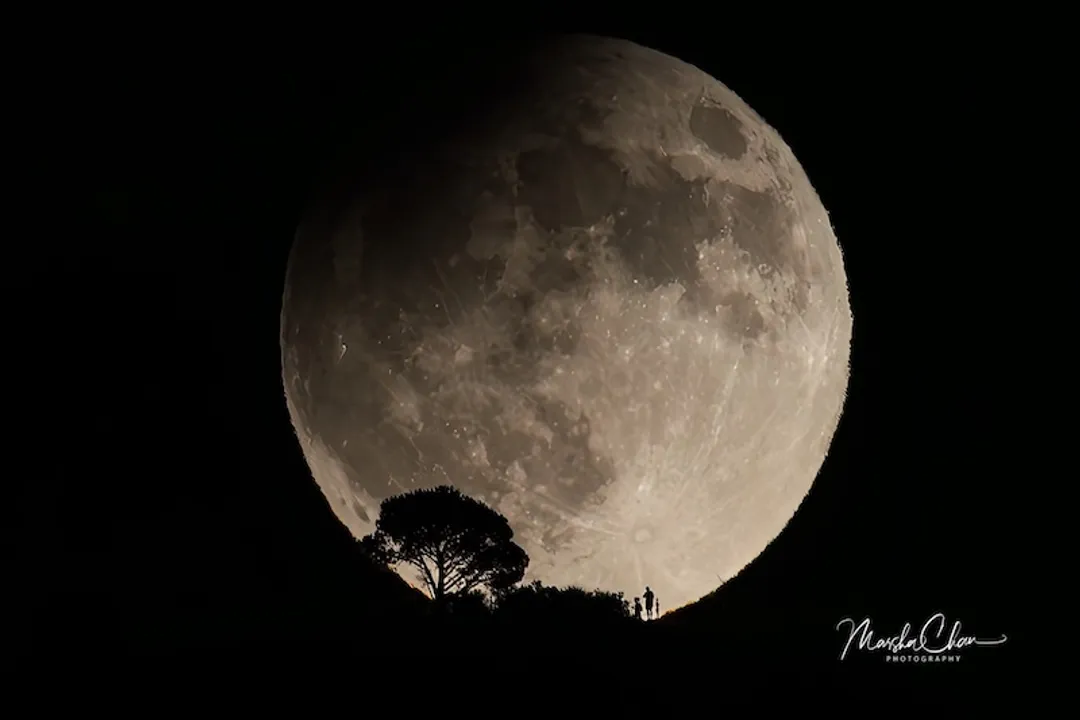
Before assessing the impact on people, it is helpful to understand precisely what a supermoon is, as the term gets thrown around casually. Astronomically, a supermoon occurs when the Moon is full (or new) at the same time it reaches perigee—the point in its orbit where it is closest to Earth [cite: Adler Planetarium]. Because it is nearer, the Moon appears noticeably larger and brighter in the sky than a typical full moon [cite: Adler Planetarium]. While the term "supermoon" is popular, it is an informal name; scientifically, the event is sometimes referred to as a perigean full moon [cite: EarthSky]. The degree to which the Moon is "super" depends on how close to perigee it is during the full phase, but generally, it is only about 14% larger and 30% brighter than the Moon at its farthest point (apogee) [cite: Adler Planetarium].
# Gravitational Effects
The most tangible physical influence the Moon exerts on Earth is through gravity, which causes the ocean tides [cite: EarthSky]. It stands to reason that if the Moon is closer, its gravitational tug should be stronger. During a supermoon, the Moon's tidal forces are at their maximum for that cycle [cite: EarthSky]. However, the difference in gravitational pull between a supermoon and an average full moon is quite minimal when it comes to the oceans, amounting to just a few extra centimeters added to the already existing tidal range [cite: EarthSky].
When translating this subtle gravitational change to human physiology, the scientific evidence largely dissipates. Medical professionals often state that there is no conclusive data to support a direct, measurable link between the phase of the moon—supermoon or otherwise—and changes in human health, mood, or behavior [cite: Cleveland Clinic][cite: AccuWeather]. Studies looking into hospital admissions, instances of mental health crises, or even rates of crime have generally failed to find a consistent pattern correlating with the lunar cycle [cite: Cleveland Clinic][cite: AccuWeather]. The idea that the relatively small gravitational difference between a supermoon and a regular full moon could physically disrupt the water content in the human body on a noticeable scale remains largely unsubstantiated by rigorous testing [cite: EarthSky].
# Sleep Disturbances
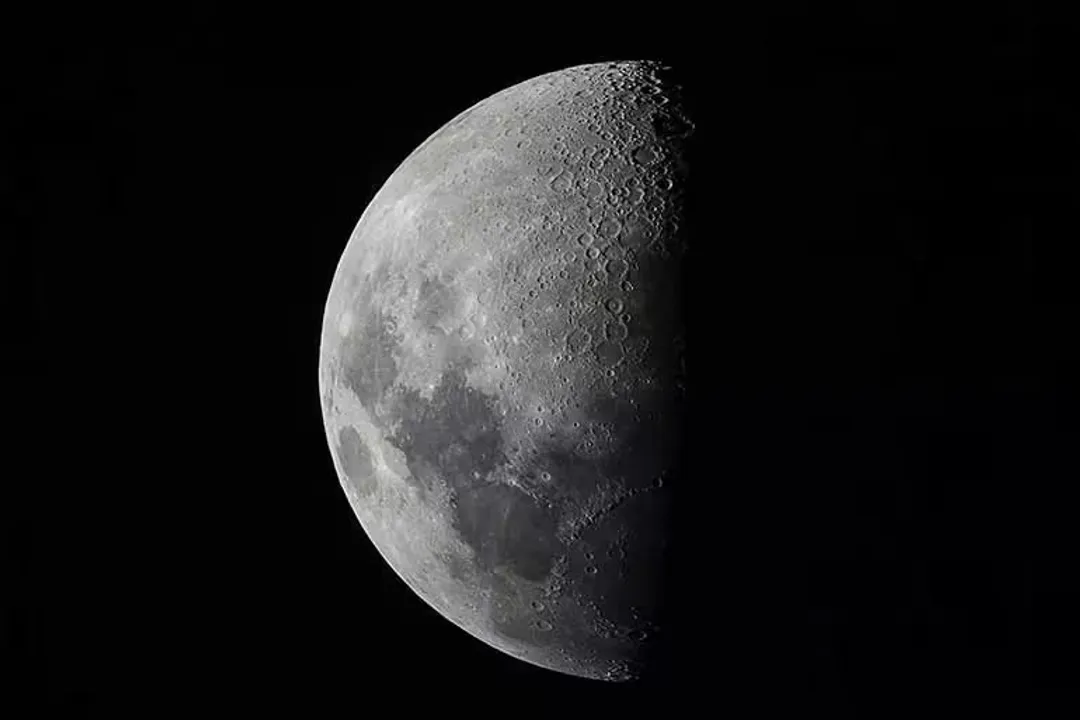
One of the most frequently reported effects, even outside of the strictly astronomical definition of a supermoon, involves sleep quality. Anecdotal reports suggest that people find it harder to fall asleep or experience more vivid, active dreams during the full moon period [cite: Women's Health Mag][cite: Reddit]. Some research suggests a correlation, noting that participants in sleep studies took longer to fall asleep and experienced less deep sleep when a full moon was present, even if they were unaware of the phase [cite: Women's Health Mag]. This suggests that something in the lunar presence, perhaps a slight increase in ambient light that penetrates even when curtains are drawn, could be a factor [cite: Women's Health Mag].
If we look at the supermoon specifically, the increased brightness could exacerbate this light sensitivity, even if the gravitational effect is negligible. While the scientific community debates the precise mechanism, the consensus is that any observed sleep disruption is minor and often linked to the general full moon phase rather than the specific designation of "super" [cite: AccuWeather]. The difference in physical force exerted by a supermoon compared to a typical full moon is simply too small to account for dramatic physiological changes in an individual [cite: EarthSky].
# Perceived Energy Shifts
While science focuses on measurable physics and biology, many individuals feel a distinct difference during these intense lunar periods. In many spiritual and anecdotal circles, the full moon—and by extension, the brighter supermoon—is viewed as a time of culmination, illumination, and heightened emotional energy [cite: Cosmopolitan][cite: Facebook Group]. People often report feeling more sensitive, experiencing mood swings, or finding that long-simmering emotional situations finally come to a head [cite: Reddit].
This perceived amplification of energy is sometimes connected to traditional astrological interpretations where the full moon heightens the energy associated with the zodiac sign it occupies [cite: Cosmopolitan]. For those who follow these systems, a supermoon simply turns up the volume on the typical full moon themes of completion, letting go, or receiving rewards for past efforts [cite: Cosmopolitan].
The persistence of these reports suggests that context and expectation play a role that is perhaps overlooked by purely physical measurements. If you grow up hearing that the full moon makes you restless, you are naturally more attuned to noticing restlessness when it occurs during that phase, a phenomenon sometimes influenced by the power of suggestion. When the moon is advertised as "super," that expectation is magnified before the night even arrives [cite: Reddit].
| Lunar Event | Key Astronomical Feature | General Reported Effect (Anecdotal) | Scientific Consensus on Physical Impact |
|---|---|---|---|
| Full Moon | Opposite the Sun in the sky. | Increased emotions, vivid dreams. | Minimal to none; slight link to sleep latency. |
| Supermoon | Full Moon at or near Perigee (closest approach). | Amplified feelings, heightened energy/restlessness. | No greater physical impact than a regular full moon. |

# Making Sense of the Experience
The gap between the lack of definitive scientific proof for dramatic effects and the widely shared personal accounts requires a balanced perspective. A supermoon event, because it is visually spectacular, serves as a powerful psychological marker [cite: Adler Planetarium]. We are primed to notice changes during an event that draws significant public attention. This makes the experience highly personal, relying heavily on individual interpretation of common biological fluctuations.
For those who feel more energized or perhaps more anxious during these times, shifting focus from resisting the perceived energy to directing it can be constructive. If you find that anticipation or the slight increase in ambient light during the brightest part of the month seems to interrupt your rest, making an intentional commitment to screen time reduction well before bed on the nights surrounding the peak can be useful. This isn't an admission that the moon causes the problem, but rather a proactive step to manage what is often a known sensitivity to light or routine changes, regardless of the specific celestial backdrop [cite: Women's Health Mag].
Ultimately, while a supermoon does not alter the fundamental laws of physics governing your body—gravity remains the same, and your internal chemistry is not directly manipulated by reflected sunlight—it offers a fantastic opportunity for self-reflection. If you feel more emotional or reflective, use the timing provided by the visible, bright moon as permission to check in with your own emotional landscape. Whether the feeling is driven by the moon’s distance or simply by the cultural significance we assign to such a beautiful night sky event, the resulting introspection can be valuable [cite: Reddit][cite: Cosmopolitan].
#Citations
Why Do Some People Feel the Effects of the Full Moon ...
Do full moons and supermoons really influence people and ...
5 Things to Know About Supermoons
Supermoon effects on emotions and relationships
Does a supermoon have a super effect on us?
'I'm a sleep expert, here's why supermoons cause chaos ...
Does The Moon Affect Humans?
Super moon and sleep
What is a supermoon, and how does it impact your star sign?