What cognitive bias underlies the inclination to believe the subject in a mirror image is looking at themselves?
Answer
Egocentric bias
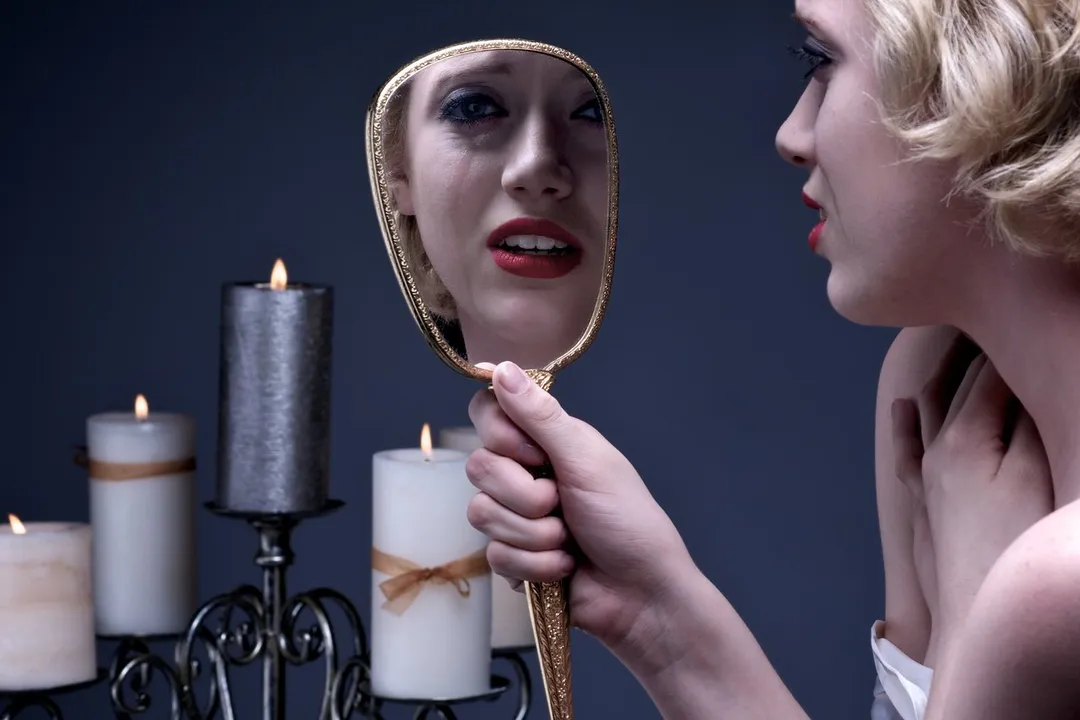
The inclination stems from an egocentric bias, where the observer projects their own perceptual framework onto the subject in the image rather than calculating the required reflection angles.
Related Questions
When was the optical phenomenon known as the Venus effect first formally documented?What cognitive bias underlies the inclination to believe the subject in a mirror image is looking at themselves?The Venus effect highlights fundamental limitations in which area of human reasoning?In classic artistic depictions causing the Venus effect, where is the subject's line of sight in the mirror usually directed?What concept, popularized by Edward De Bono, is distinguished from the Venus effect by focusing on limited exposure rather than misinterpreted spatial optics?What compositional freedom does the Venus effect offer artists and directors?What visual processing characteristic causes the immediate interpretation of the illusion to persist even when the error is pointed out?How does artist Jesse Mockrin utilize the concept of the Venus effect in recontextualizing historical paintings?What related viewpoint error is mentioned regarding clearing fog from a mirror?What must occur between the subject and observer for the subject to see exactly what the observer sees in the mirror?What does the visual system prioritize over accounting for the accidental variances introduced by changing perspective?