How does coevolution shape ecosystems?
The intricate dance between species, where the evolutionary path of one organism is continually influenced by the adaptations of another, is what we call coevolution. It is not merely adaptation to the environment, but adaptation in response to another evolving life form, creating a dynamic feedback loop that sculpts the diversity and structure of life on Earth. [1][3] This reciprocal process, first formally recognized and named by L. Van Valen, explains why certain features in nature appear so perfectly matched, whether through mutual benefit or intense conflict. [6]
Coevolution acts as a primary engine shaping ecological communities, determining which species can coexist, how specialized their relationships become, and ultimately, the stability of the entire system. [4] Understanding this mechanism moves us past viewing ecosystems as static backdrops and reveals them as arenas of continuous, evolving biological negotiation. [1]
# Defining Reciprocity
At its simplest, coevolution requires reciprocal selective pressure. For this process to be identified, researchers must demonstrate that the selective agent (Species A) influences the evolution of the selected species (Species B), and simultaneously, the evolutionary changes in Species B impose a new selection pressure back onto Species A. [1]
The nature of this interaction falls largely into two broad categories: antagonism and mutualism. [3]
Antagonistic relationships are those where one participant gains a fitness advantage at the expense of the other. These include predator-prey interactions, parasite-host dynamics, and competition between species over a shared resource. [1][8] In these scenarios, the evolutionary pressure is often directional, pushing both sides toward extremes in a continuous biological contest. [3]
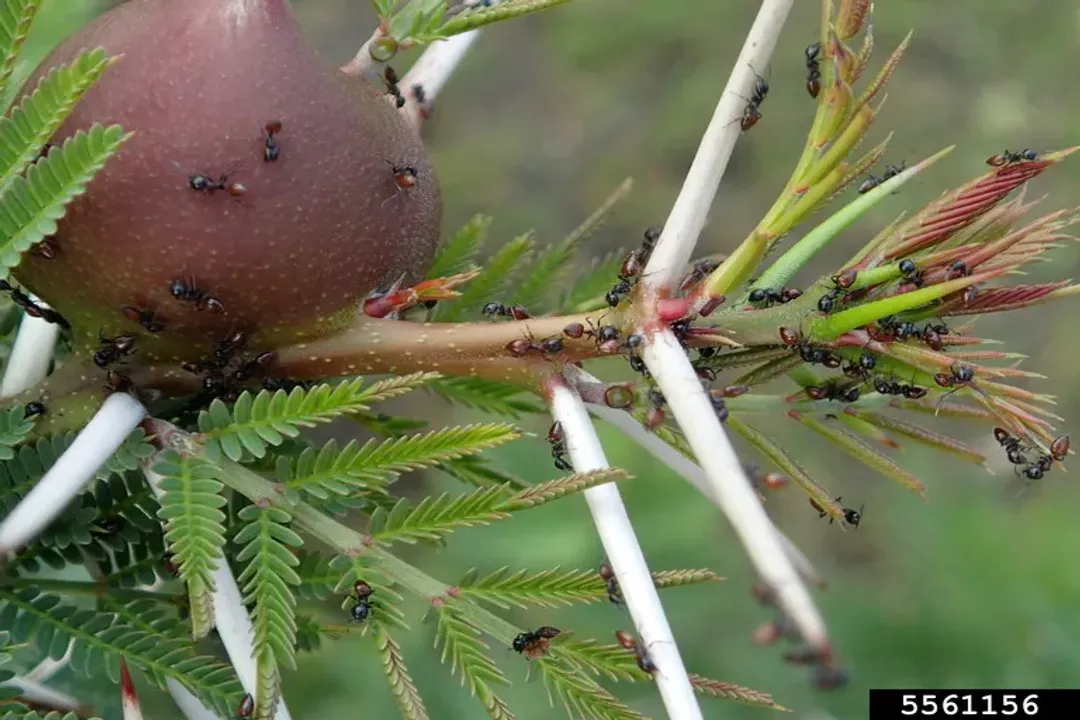
Mutualistic relationships, conversely, involve interactions that confer a net fitness benefit to both parties involved. [1] These associations often lead to tightly coupled specializations, where the fitness of one species becomes critically dependent on the other’s specialized traits. [2][5]
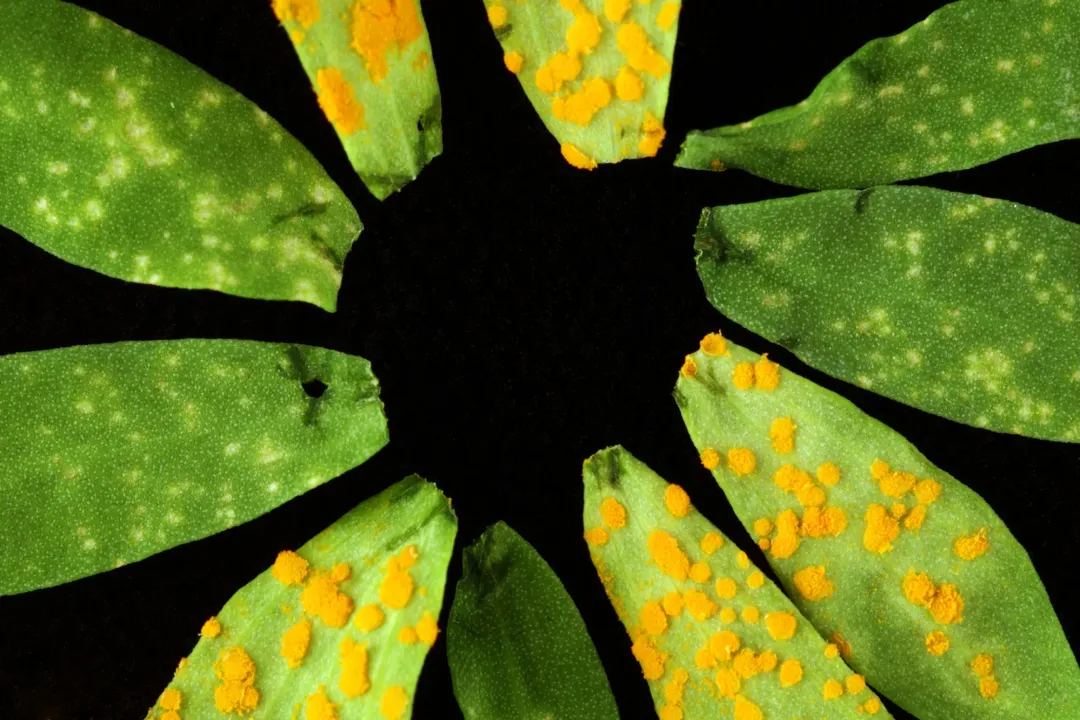
A third, less direct mechanism involves gene-for-gene interactions, frequently observed in plant-pathogen systems, where specific resistance genes in the host correspond directly to specific virulence genes in the pathogen. [3] While the mechanism is molecularly focused, the ecological outcome contributes to community dynamics just as powerfully as a predator chase. [4]
# Arms Race Escalation
The most dramatic manifestations of coevolution are often found in antagonistic pairs, frequently characterized as an evolutionary arms race. [6] This concept describes a scenario where adaptation in one lineage continually necessitates counter-adaptation in the other simply to maintain the current level of interaction. [8]
Consider the classic predator-prey dynamic. A prey species evolves better camouflage or increased speed to evade capture. This improved defense acts as a filter, selecting for predators that are better hunters—perhaps possessing superior vision or greater bursts of acceleration. The now-faster predators exert stronger selection on the remaining slow or poorly camouflaged prey, driving the cycle onward. [1]
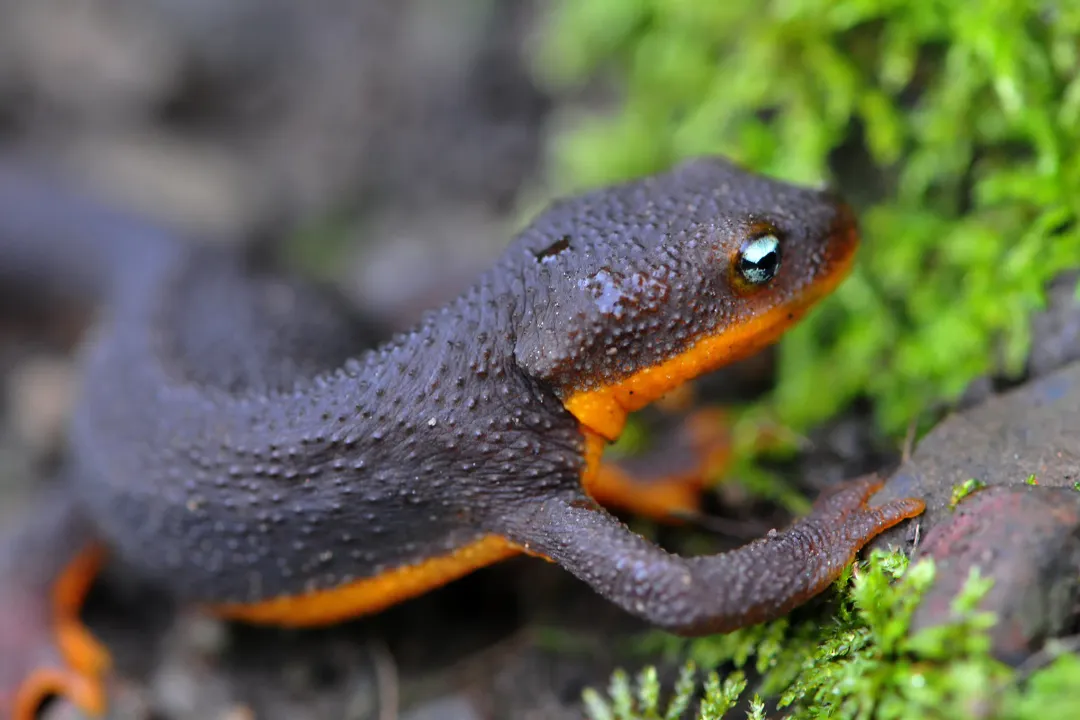
A striking, real-world example of this escalation involves the rough-skinned newt (Taricha granulosa) and the common garter snake (Thamnophis sirtalis). [8] Certain newt populations produce tetrodotoxin, one of the most potent non-protein toxins known. In areas where these highly toxic newts occur, garter snakes have evolved significant resistance to the poison. Where the newts are less toxic, the snakes exhibit little to no resistance. This geographical correlation strongly indicates a local, ongoing evolutionary tug-of-war. [8] If the arms race goes too far, the cost of the adaptation—such as the energy required to produce extreme toxin levels or maintain resistance—can become a limiting factor, potentially halting the acceleration or leading to trade-offs elsewhere in the organism’s life history. [7]
# Mutual Dependence
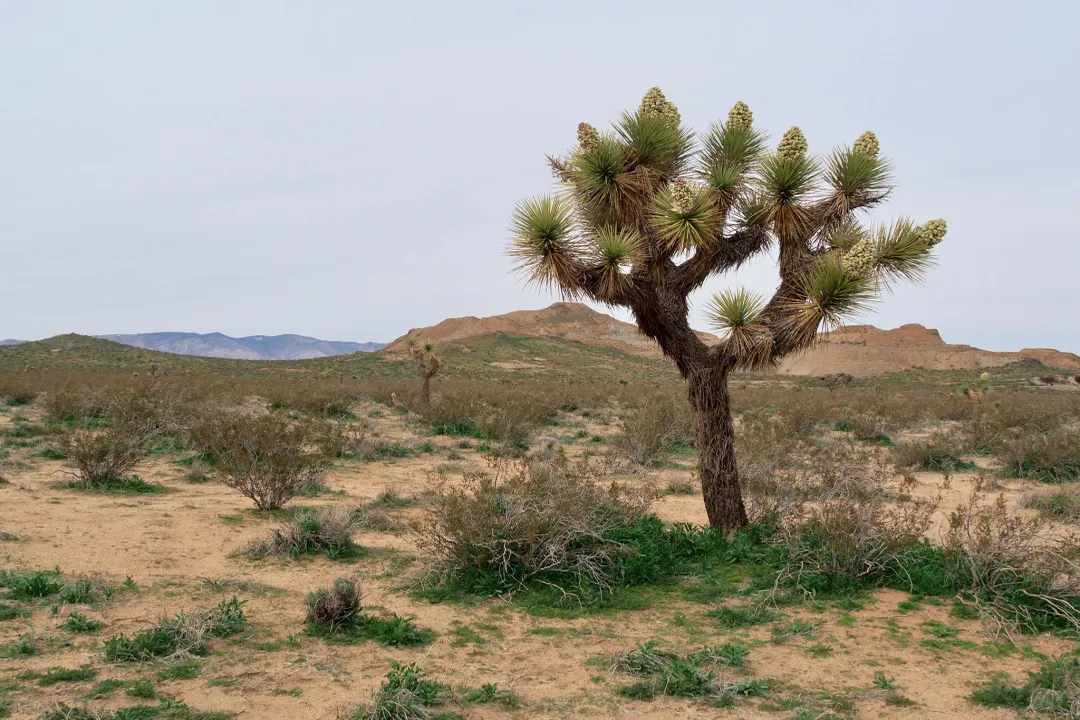
When coevolution favors mutualism, the result is often profound specialization that binds two species together in a shared destiny. [2] This is particularly evident in interactions involving food acquisition or reproduction in plants. [5]
Pollination systems provide clear illustrations. For a flower to reliably attract a specific pollinator, its morphology, scent, and nectar rewards must align perfectly with the sensory and physical capabilities of that pollinator. [5] The Yucca genus and its specific moth species offer a textbook case of extreme mutualism. [2] The moth is the sole pollinator for the flower, depositing pollen precisely where it needs to go. In exchange, the moth larva develops within the seed pod, consuming some, but usually not all, of the seeds. [2] This arrangement represents a finely tuned negotiation over resource allocation. If the moth were to disappear, the plant could not reproduce sexually; if the plant were to disappear, the moth would lose its exclusive nursery and food source. [4]
This deep interdependence is a key outcome of sustained mutualistic coevolution, shifting the interaction from a loose association to a rigid dependency. [2]
# Ecosystem Structuring Forces
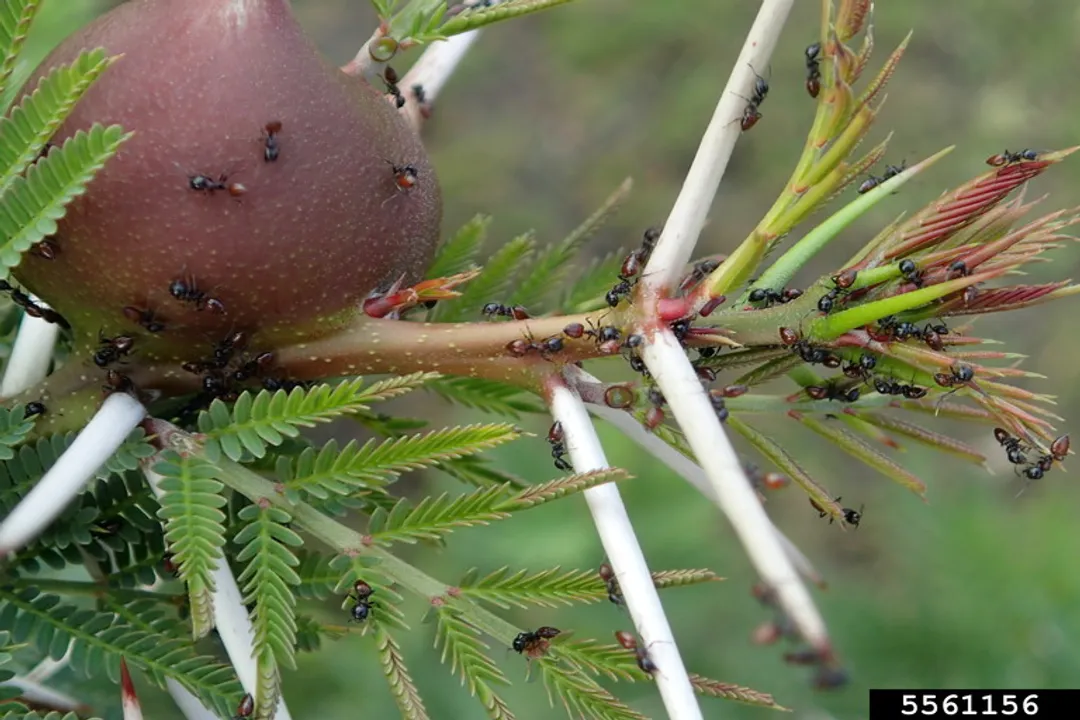
The cumulative effect of these antagonistic and mutualistic pairings dictates the overall architecture of an ecosystem. [4] Coevolutionary processes are not just interesting side-stories; they determine community composition over deep time. [7]
When specialization solidifies, it can drive diversification. A novel trait that allows one species to exploit a resource niche in a new way—perhaps by evolving resistance to a common pathogen or by specializing on a specific food source—can set that lineage apart, potentially leading to the formation of new species over geological timescales. [7]
However, this specialization also introduces a vulnerability. An ecosystem heavily structured by tight coevolutionary bonds is inherently more fragile to perturbation than one composed primarily of generalists. [4] If a climate shift or an invasive generalist species eliminates one half of a specialized mutualistic pair, the obligate partner is likely to face rapid decline or extinction. [4] In contrast, a generalist predator that feeds on several species may be slowed down by evolutionary defense in one prey population, but it can simply shift its main efforts to another, buffering its own population stability while still exerting pressure. [1]
When observing a local patch of wildflowers, notice how the degree of specialization in the local bee population hints at the evolutionary history. A field dominated by generalist honeybees suggests a more recent or less intense coevolutionary pressure compared to an area where only one or two highly specialized native solitary bees are present; the latter represents a deeper, longer-term evolutionary lock between the floral structure and the morphology of that single pollinator species. [5]
# Reading Coevolutionary Signals
Identifying coevolution requires more than just observing two organisms interacting; it demands tracing correlated evolutionary histories. [9] Scientists employ various techniques to isolate the signal of reciprocal selection from simple adaptation to a shared environment.
The primary method involves correlating trait measurements across interacting populations. [9] If we suspect a predator and prey are coevolving, we look for statistical links between the average traits across different locales. For instance, if populations of prey species A in location X are, on average, slower, we would expect the local predator species B in location X to be, on average, faster than their counterparts in location Y, where prey A is naturally faster. [1][9] This spatial covariance in traits across interacting species suggests shared evolutionary history driven by reciprocal selection. [9]
It is easy to mistake simple adaptation for true coevolution. If a cactus in a desert develops thick skin simply because the sun is intensely hot—an abiotic factor—that is straightforward adaptation. If that same cactus evolves thicker, less palatable skin specifically because a local species of rodent has evolved stronger teeth to chew through its former defenses—a biotic factor—that is coevolution. The critical difference in analysis is identifying the identity of the primary selective agent; is it the climate, or another living organism? Coevolutionary history writes itself into traits that confer advantage only within that specific biological partnership. [3]
Analyzing the molecular basis—examining gene sequences for signatures of positive selection in the interacting genes—provides a deeper level of evidence, confirming that the molecular machinery itself is being reshaped by the partner species. [6] The continuous, subtle shifts in these molecular landscapes are the ongoing record of this ancient, never-ending biological conversation that shapes every community we observe. [7]
Related Questions
#Citations
Coevolution - Understanding Evolution
Overall Summary | The John N Thompson Lab
Coevolution - Wikipedia
How does coevolution play a role in community ecology? - CK-12
Coevolution in plants | Research Starters - EBSCO
Don't ask “When is it coevolution?” - The Molecular Ecologist
The coevolutionary consequences of biodiversity change
Coevolution: Species Interactions & Arms Races | Evolutionary ...
Don't ask “when is it coevolution?”—ask “how?” | Evolution