How does deforestation alter ecosystems?
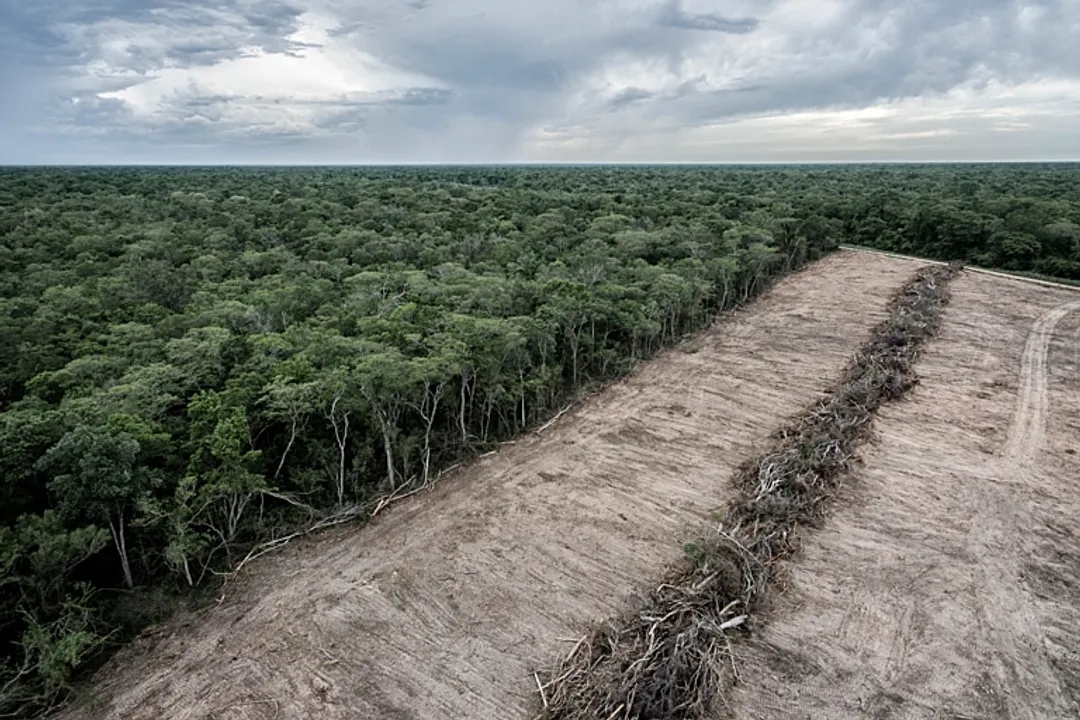
The removal of forests, whether through clear-cutting for agriculture, logging, or mining, initiates a cascade of environmental alterations that ripple outward from the cleared patch, fundamentally reshaping the local landscape and contributing to global instability. [1][4] When a dense canopy disappears, the intricate balance that took centuries to develop is immediately thrown into disarray, affecting everything from the air we breathe to the soil underfoot. [9] It is not just the loss of trees themselves, but the collapse of the complex network of life that depends on them—the fungi, the insects, the canopy dwellers, and the microbial life in the soil—that defines the alteration of these essential ecosystems. [6]
# Carbon Dynamics
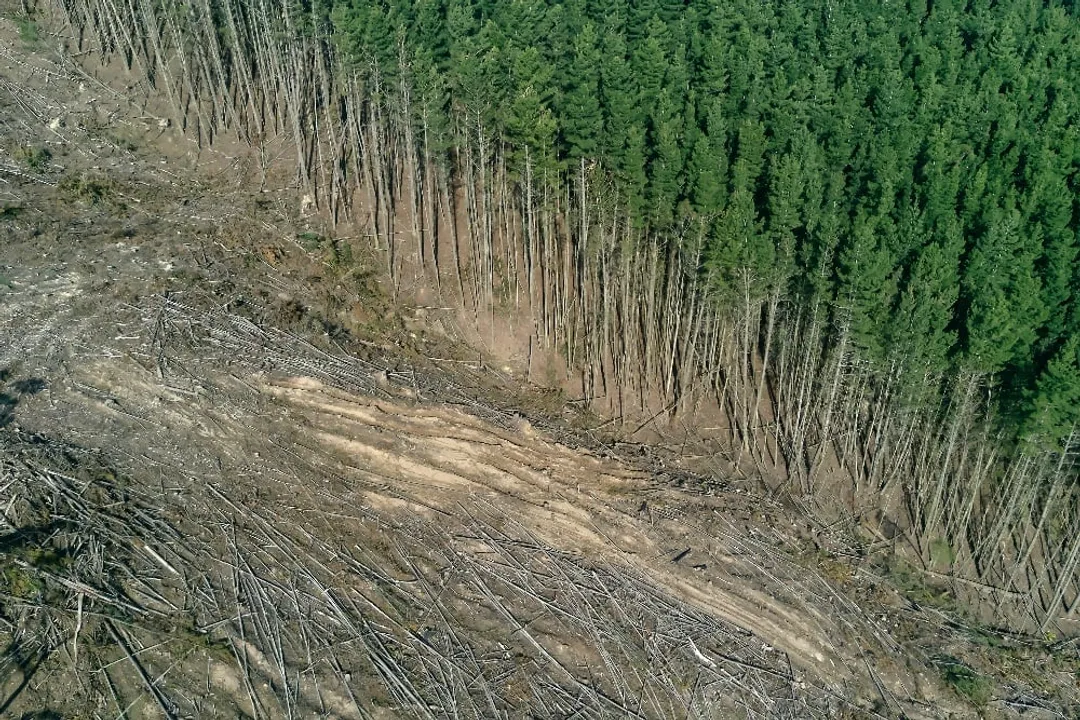
Forests act as monumental storage facilities for carbon dioxide, a primary greenhouse gas. [2] When these vast carbon reservoirs are destroyed, the stored carbon is released back into the atmosphere, primarily through burning or decomposition, significantly increasing the concentration of greenhouse gases. [1][2] This direct emission contributes heavily to the enhanced greenhouse effect, which drives global climate change. [2] Furthermore, the removal of trees eliminates the crucial biological mechanism of photosynthesis, which continuously draws carbon dioxide out of the atmosphere. [1] This dual impact—adding carbon while simultaneously stopping its removal—creates a powerful positive feedback loop accelerating atmospheric warming. [2]
The scale of this is enormous. Tropical forests, in particular, store vast amounts of carbon, and their destruction contributes substantially to global carbon emissions, sometimes rivaling the emissions from industrialized sectors in certain regions. [9] Compare this to temperate forests; while both store carbon, the rate of turnover and the composition of stored carbon can differ, meaning the immediate atmospheric pulse from clearing a tropical rainforest is often far more abrupt and severe in the short term than the slow release from managed temperate woodland decomposition. [2] This emphasizes that the type of forest lost dictates the immediacy and nature of the climate impact.
# Life Web Collapse
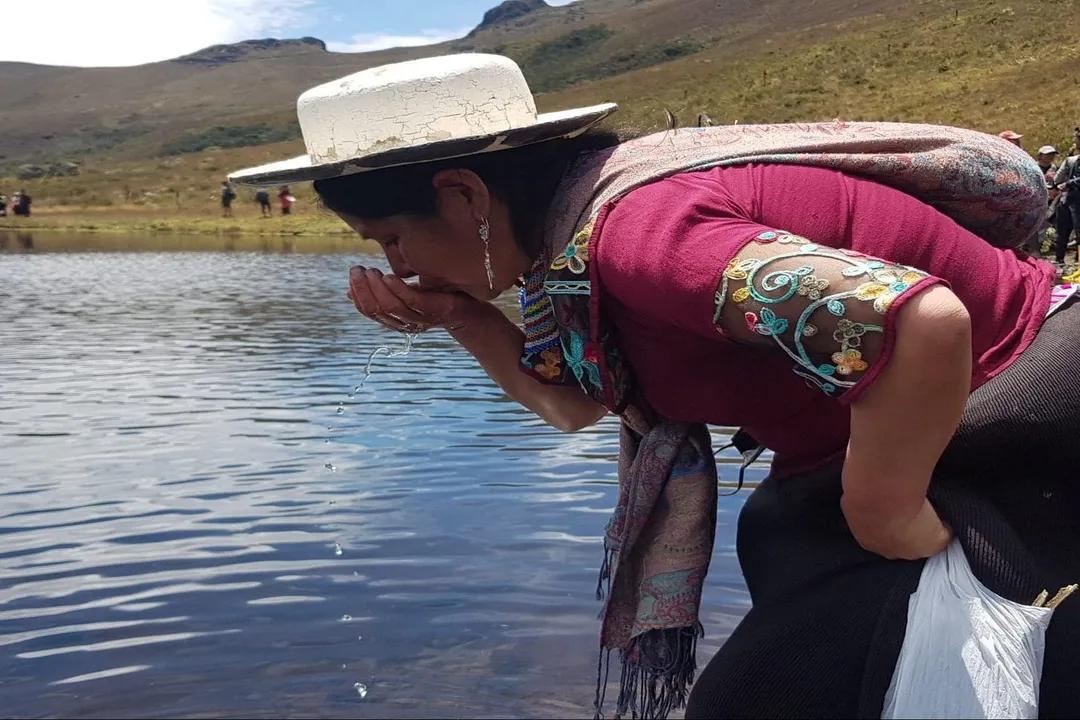
Perhaps the most immediate and visible consequence of deforestation is the dramatic reduction in biodiversity. [6] Forests are among the most biodiverse terrestrial habitats on Earth, housing the majority of terrestrial species. [4][6] When trees are felled, the structural complexity of the habitat—the layers from the dark forest floor to the sunlit canopy—vanishes, instantaneously displacing countless species that are highly specialized to live within those specific vertical niches. [3]
The process often results in habitat fragmentation, where the remaining forest patches are isolated from one another by cleared land. [6] This isolation severely limits gene flow between populations, making them more vulnerable to inbreeding and less resilient to disease or environmental changes. [6] Many species require large, uninterrupted tracts of land to thrive, and fragmentation effectively shrinks their viable territory to an unsustainable size. [3] For instance, large predators or highly mobile migratory birds that rely on extensive corridors find their movements restricted, leading to local population declines. [3]
The destruction goes deep into the soil and air as well. Microorganisms, fungi, and invertebrates essential for nutrient cycling and decomposition are drastically reduced or eliminated when their specific microclimate—humidity, temperature stability, and light levels—is destroyed. [9] This loss cascades up the food chain. A critical aspect often overlooked is the loss of potential—the undiscovered chemical compounds or genetic resources held within these species that could be vital for human medicine or agricultural resilience. [8] Losing a small patch of rainforest might mean losing the only habitat for a specific amphibian whose skin secretions hold a novel antibiotic compound, a loss that is simply unquantifiable in current economic terms. [6]
# Water Cycle Alteration
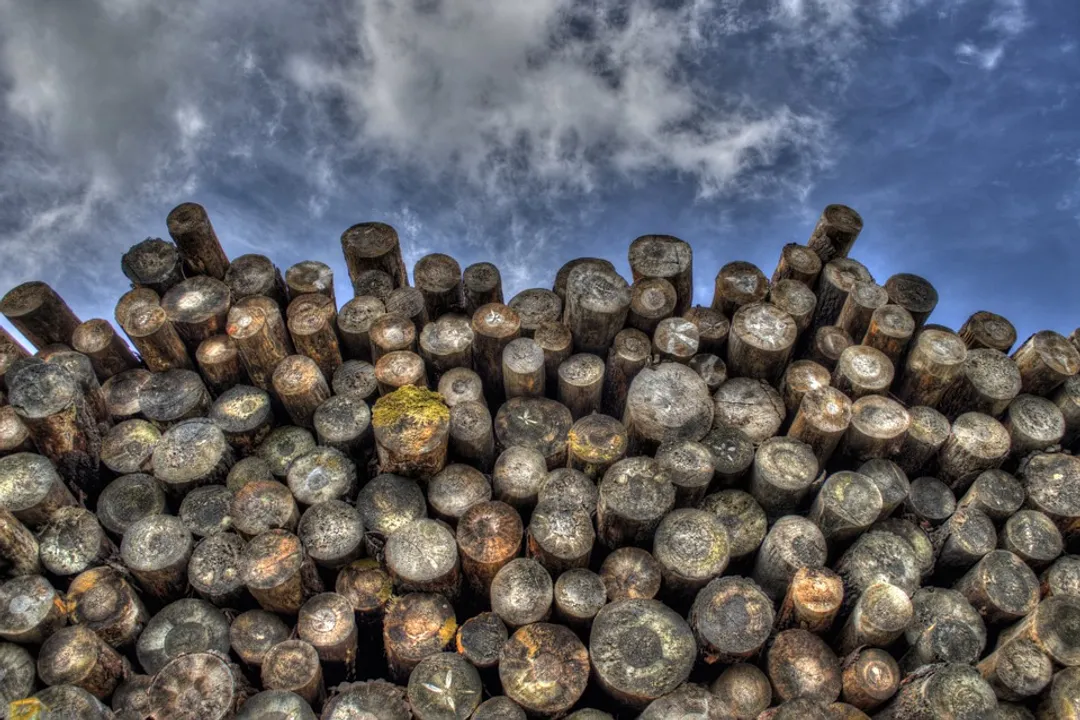
Forests are indispensable regulators of the local and regional water cycle, primarily through a process called evapotranspiration. [7] Trees draw water up from the soil through their roots and release it as vapor into the atmosphere through their leaves. [7] This process contributes significantly to cloud formation and subsequent rainfall, especially in vast forest regions like the Amazon. [7]
When deforestation occurs, this water recycling system breaks down. [7] Less moisture is returned to the atmosphere, leading to reduced local humidity and a significant decrease in local and regional precipitation. [7] This shift often results in longer, more intense dry seasons and increased drought risk in areas downwind of the cleared zone. [7] Contrast this with areas close to large bodies of water, where the immediate loss of evapotranspiration might be initially masked by oceanic moisture, but the long-term regional drought patterns become more pronounced as the "flying rivers" of atmospheric moisture diminish. [7]
Furthermore, tree roots act like natural sponges, absorbing rainfall and slowly releasing it into streams and groundwater reserves. [1] Without this anchoring and slow-release mechanism, rainwater runs off rapidly across the exposed ground. [9] This leads to an immediate surge in surface runoff, increasing the frequency and severity of flash floods during heavy rain events. [1][9] The water that does not run off immediately infiltrates less effectively, leading to lower groundwater recharge, which strains water sources during drier periods. [7]
# Soil Degradation
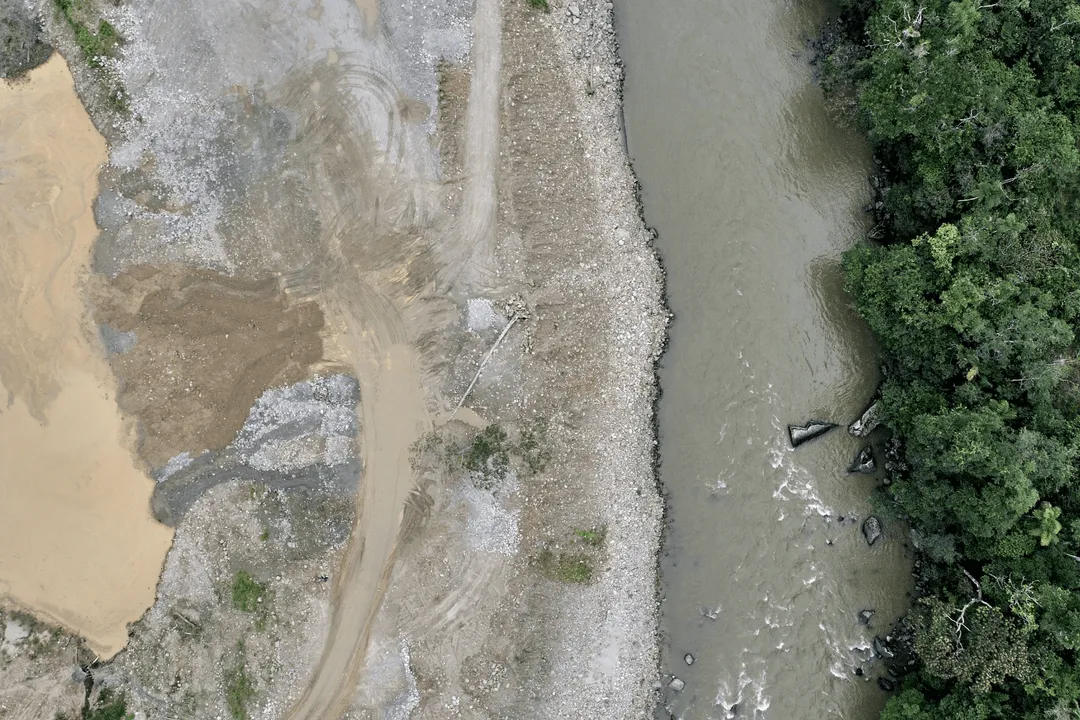
The physical structure of the soil is entirely dependent on the forest ecosystem. [1] Tree roots bind the soil structure together, preventing movement, while the leaf litter and decomposing organic matter form a protective mulch layer that shields the soil from the direct impact of heavy rain and sun. [1][9]
When trees are removed, this protection vanishes. Intense tropical rains hit the bare soil directly, causing splash erosion, where soil particles are dislodged. [1] Without the root network holding the layers in place, gravity and water take over, leading to massive sheet erosion and the formation of gullies. [9] This loss of topsoil—the most fertile layer rich in organic matter and microbial life—is devastating for future land use. [1] The remaining subsoil is often compacted, nutrient-poor, and has poor water-holding capacity, making successful regrowth exceptionally difficult. [9]
In some areas, the combination of intense runoff, high temperatures, and nutrient depletion accelerates the process toward desertification. [9] This isn't just about turning green land brown; it’s about fundamentally altering the physical and chemical composition of the land so that it can no longer support complex ecosystems or productive agriculture without intensive, costly intervention. [1] For example, in hilly terrains where the slopes are cleared, the difference in runoff velocity between an intact forested slope and a cleared one after a monsoon downpour can be dramatic—a difference between a slow seep into the groundwater and a devastating mudslide. [4]
# Global Connection
While the immediate effects are local—species loss, soil erosion, altered local rainfall—the alterations caused by deforestation are not confined to the boundary of the cleared area. [5] Deforestation impacts everyone because the atmosphere and the global climate system are interconnected. [5] Changes in regional weather patterns caused by forest loss can shift agricultural productivity thousands of miles away by altering jet stream behavior or changing the paths of major storm systems. [5]
Consider the human element further: deforestation often directly displaces or severely impacts Indigenous communities and local populations who depend directly on the forest for food, medicine, building materials, and cultural continuity. [8] Their traditional ecological knowledge, which represents centuries of observational expertise about ecosystem management, is often lost alongside the habitat itself. [8] Moreover, the destruction of these natural boundaries can increase the risk of zoonotic disease transmission. [4] As human activity pushes deeper into formerly isolated habitats, the frequency of contact between wildlife carrying novel pathogens and human populations increases, creating conditions ripe for spillover events. [4] A practical way to view this interconnectedness is by thinking of the forest as a natural insurance policy; every hectare lost reduces our collective ability to buffer against unpredictable environmental shocks, whether they manifest as drought, flood, or disease outbreak. [5]
# Restoring Balance
Addressing the alteration requires more than just stopping the chopping; it demands thoughtful restoration. [4] Reforestation and afforestation efforts are crucial, but they are not a simple one-to-one replacement for the original, complex ecosystem. [4] Successfully re-establishing a mature, biodiverse forest takes decades, often centuries, because the soil structure must first be rebuilt, the microbial communities recolonized, and the complex species interactions reestablished. [6]
A key takeaway is that not all trees are created equal when it comes to ecological restoration. Planting a monoculture plantation of a fast-growing, commercially viable tree species, while better than bare ground, does not replicate the function of a diverse native forest. [4] Native species support a vastly wider array of local insects, birds, and soil organisms, which are essential for true ecosystem function, such as pest control and nutrient cycling. [6] The investment in time and resources for ecological restoration—focusing on diversity and structure—is significantly higher initially than timber production, but the long-term return in terms of climate stability, water regulation, and biodiversity preservation is infinitely greater. [4] Therefore, when evaluating any land-use change, the value must be calculated against the full suite of services the original ecosystem provided, not just the economic yield of the cleared land. [5]
Related Questions
#Citations
How Does Deforestation Affect the Environment? - Earth.Org
Deforestation's impact on the climate, wildlife and ecosystems
Deforestation and Wildlife: Causes and Effects - IFAW
Deforestation and Forest Degradation: The Causes, Effects ... - NRDC
Why deforestation affects everyone, not just neighboring communities
How does deforestation affect biodiversity? - Royal Society
How Deforestation Affects The Water Cycle - Earth Day
Deforestation and its negative impacts
Effects of Deforestation - The Pachamama Alliance