What drives seasonal migration?
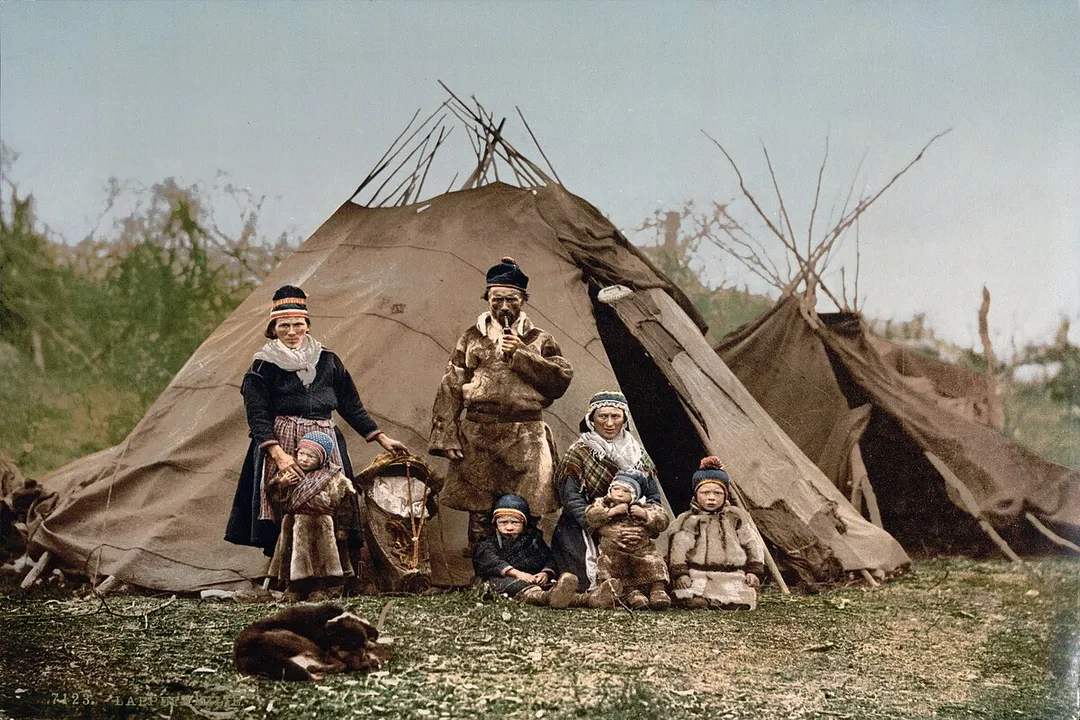
The act of moving seasonally defines a significant portion of life on Earth, spanning species from insects to birds to humans. It is characterized by a regular, predictable return to a former location, often dictated by annual cycles of environmental change. [3] For countless animal populations, this movement is a matter of survival, a dramatic displacement driven by the inescapable shifts in climate and resource availability that characterize temperate zones. [7] In human contexts, while the movement shares the trait of regularity, the underlying mechanisms often intertwine natural rhythms with economic necessity, making the drivers a blend of the biological imperative and social structure. [1][8]
# Defining Movement
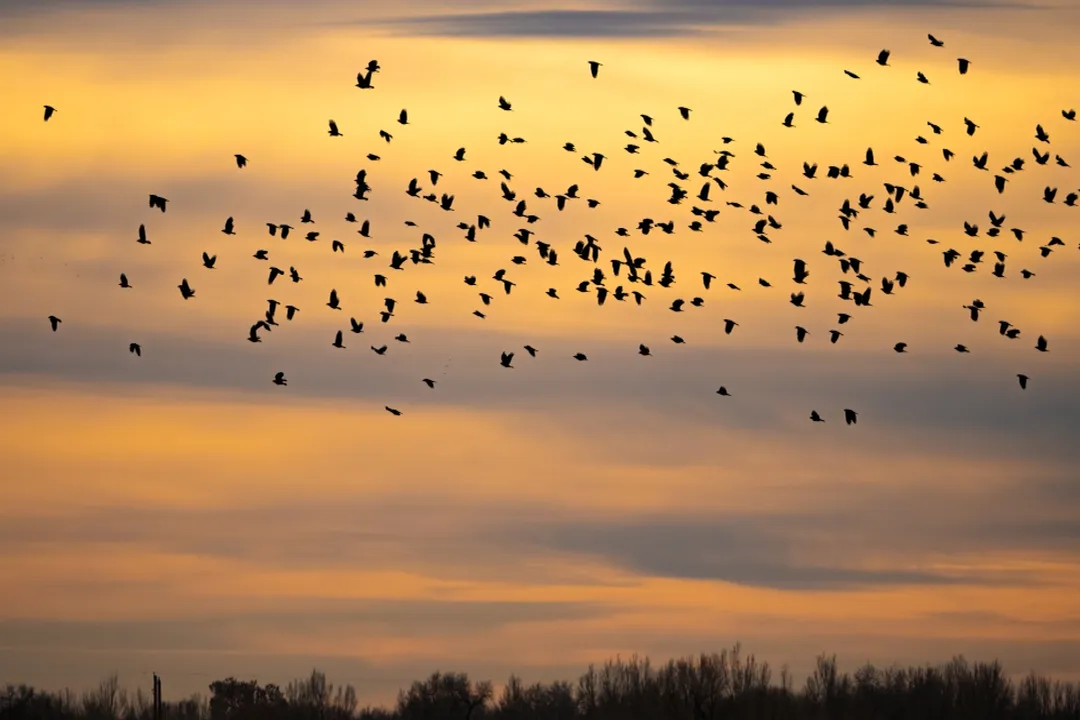
Migration, at its broadest, involves the cyclical movement of populations between two or more distinct areas. [3] What makes it seasonal is the tight coupling between the timing of the journey and the annual cycle of the seasons, typically occurring between temperate and tropical areas for many animals. [7] For humans, this regularity is often tied to employment cycles, such as agricultural seasons or fluctuating labor demands in specific industries. [1][8] The crucial distinction here lies in the driver's rigidity. Animal migration is often governed by ancient, ingrained physiological clocks that respond primarily to light changes, whereas human seasonal movement might be delayed or accelerated based on market conditions or policy, even if the underlying resource shift (like a dry season or a harvest) is the ultimate cause. [1][8]
# Internal Cues
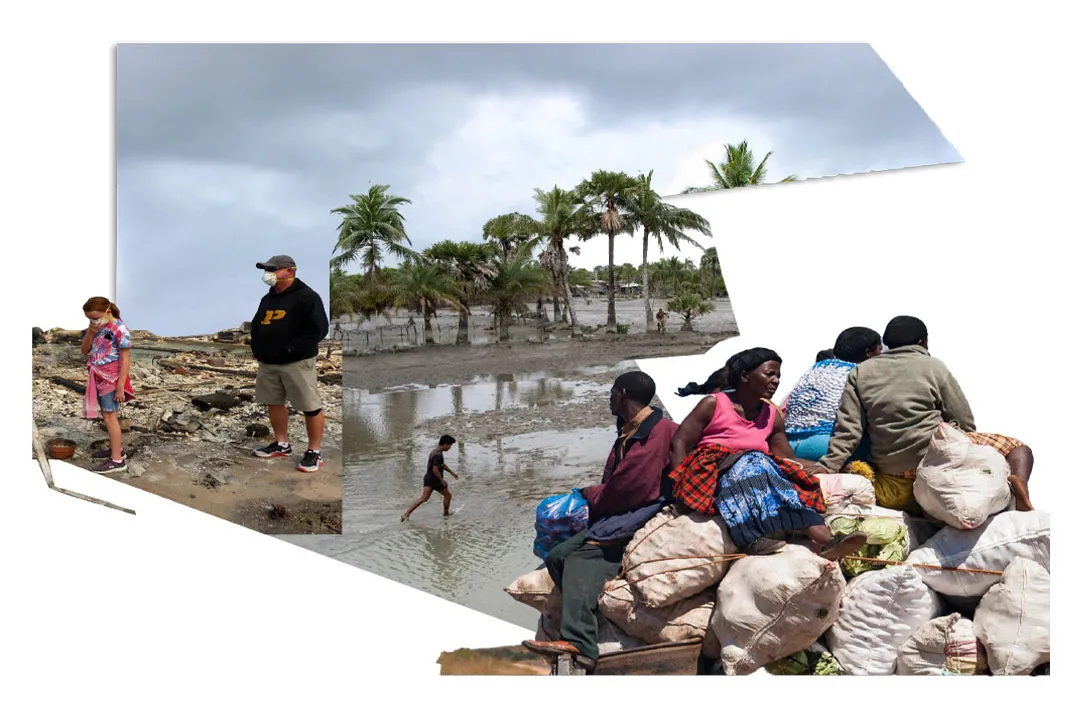
The start of an animal's great journey is not a sudden decision but the result of complex internal preparation. A primary physical trigger involves changes in photoperiod—the relative length of day and night. [6] As autumn approaches, decreasing daylight hours initiate hormonal cascades within the animal’s body. [6] This physiological shift can result in Zugunruhe, or migratory restlessness, preparing the body for the strenuous trip ahead. [6] This internal signaling means that the animal often begins migrating before external conditions—like a sudden deep freeze or snow—have made staying impossible, acting as a crucial anticipatory measure. [6] This pre-programmed response stands in contrast to human decision-making, where the awareness of future hardship (like dwindling winter stores) usually precedes the actual planned departure, unless that movement is tied strictly to the timing of a seasonal labor contract. [8]

# Resource Needs
Whether one studies a wildebeest herd or a seasonal construction worker, the fundamental driver often boils down to the quest for sustenance and successful reproduction. For many birds, the evolutionary advantage of moving between temperate summers and tropical winters is accessing abundant food supplies for breeding during the longer days of the temperate summer, followed by escaping the harsh scarcity of the northern winter. [7] This pattern highlights that the destination is just as important as the departure point; it must offer better conditions for a specific part of the life cycle. [3]
In agricultural societies, seasonal human migration frequently follows the same logic regarding resources. Workers move to follow the harvest, moving from areas where crops are maturing to areas where they are being gathered. [8] If the local resource base—be it forage for livestock or accessible short-term employment—cannot sustain the population through the lean months, movement becomes an essential, albeit temporary, survival strategy. [1][8]
When analyzing the absolute primary constraint that forces movement across species, a simple comparison reveals fascinating parallels. For many avian species, the trigger is the photoperiod/day length dictating when food resources will peak or disappear. For agricultural human migrants, the trigger is often labor demand/wage availability, which directly dictates food acquisition. For animals living closer to the natural resource line, like those dependent on specific watering holes, the trigger is purely abiotic condition (drought or flood). [3] This hierarchy of primary limitation—timing versus economy versus immediate environment—shows how closely intertwined the drivers remain across the biological spectrum.
# Climatic Pressure
While immediate resource shifts drive regular seasonal movement, broader climatic factors dictate the viability of the migration route itself and the duration of the seasonal stay. Seasonal weather variability—such as predictable monsoon seasons or regular freezes—has historically shaped migration patterns over millennia. [8] The internal biological programming discussed earlier is, in essence, an adaptation to these long-term, predictable climatic patterns. [6]
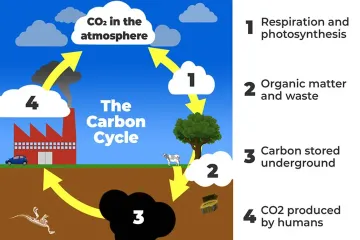
However, the contemporary picture includes a layer of accelerating change. Shifting climate patterns are beginning to disrupt the historical reliability of these seasonal cues. [9] If temperatures rise unexpectedly early, or if a region experiences a sudden, severe drought outside its normal window, the established timing of migration can become maladaptive. [9] This "climate migration" often involves longer-term shifts or even permanent relocation, but the initial disruptions manifest as changes in the expected seasonal timing, potentially leading to mismatches between arrival and peak food availability—a situation that even the most perfectly tuned internal clock cannot immediately correct. [9][6]
# Economic Shifts
For human populations engaging in temporary relocation, the driving force is frequently less about escaping famine and more about optimizing economic opportunity across the calendar year. [1] This is often referred to as circular migration, where individuals move from a rural area, perhaps one with limited seasonal employment, to an urban center or an agricultural hub where labor is temporarily abundant and pays better wages. [1][8] The return trip is scheduled when the home area’s own growing season requires their presence again, or when the seasonal work in the destination area concludes. [8]
Consider a region where construction booms during the dry season but shuts down entirely during the heavy rains, which also coincides with the local planting season. The worker may move to the city for the dry construction jobs, return home to plant or harvest their own small plot during the rainy season, and then repeat the cycle. [1] The decision is a calculation of maximizing income against minimizing time away from family and home assets.
# The Cost
Any discussion of what drives a mass movement must account for the powerful impetus required to overcome the known dangers inherent in the movement itself. Migration is inherently risky. [2] For wildlife, the journey is fraught with peril: exhaustion, starvation, dehydration, and predation increase dramatically during the transit phase. [2] A bird expending critical energy reserves crossing a large body of water is highly vulnerable, meaning the benefits of the destination must significantly outweigh this immediate life-or-death risk. [2]
This concept applies metaphorically to human seasonal migration as well. The journey often involves significant financial cost, exposure to exploitation, and separation from social support networks. [1] The fact that millions undertake these journeys annually—whether across continents for seasonal labor or across landscapes for grazing—demonstrates the extreme pressure exerted by the driving factors. If the seasonal change offered only marginal benefit, the inherent dangers would prevent the behavior from becoming established or regular. [2][8] The regularity suggests that, across generations, the benefits have consistently tipped the scales in favor of moving rather than staying put during the unfavorable season. [6]
Related Questions
#Citations
Seasonal human migration - Wikipedia
Migration: It's a Risky Journey! | U.S. Fish & Wildlife Service
Migration - National Geographic Education
Common drivers of seasonal movements on the migration - Nature
The evolution of migration in a seasonal environment - PMC - NIH
Migration - Seasonal, Physiological, Stimulus - Britannica
What are the evolutionary factors that caused some birds to ... - Quora
Module 6 When do people migrate?: Resources
In-depth Q&A: How does climate change drive human migration?