What did John Frederick William Herschel do for photography?
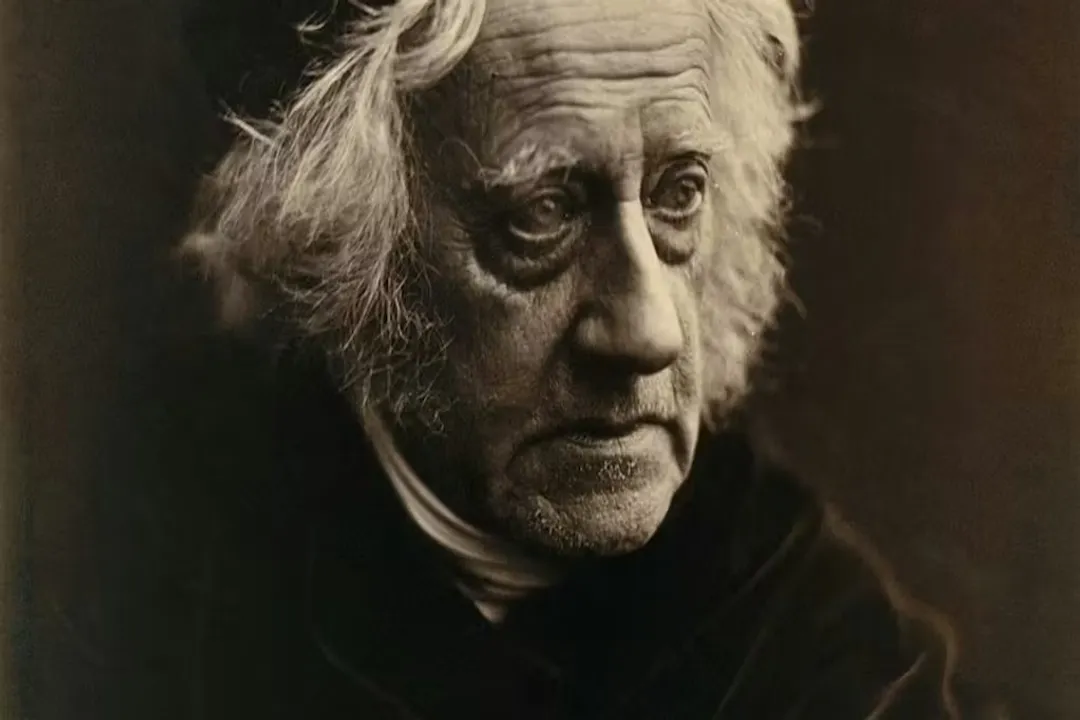
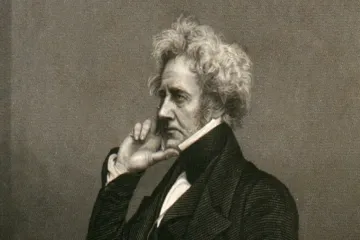
The scientific world remembers Sir John Frederick William Herschel as a titan of astronomy, succeeding his famous father, William Herschel, and contributing extensively to celestial mapping. Yet, tucked within his prodigious output—which included discovering the first photographic telescope lens—were breakthroughs that fundamentally shaped the nascent art of photography. Though not primarily known as a picture-maker in the way Daguerre or Fox Talbot were, Herschel provided the essential chemical vocabulary and processes that allowed light-drawn images to become permanent records rather than fleeting chemical curiosities.
# Dual Career
Herschel’s life, spanning from 1792 to 1871, was characterized by an intense scientific curiosity that readily crossed disciplinary boundaries. He was knighted, becoming the first Baronet Herschel. While his astronomical observations, cataloging of nebulae, and work on measuring the earth’s circumference were monumental, his interest in optics and chemistry naturally drew him toward the exciting experiments emerging in optics and chemistry in the 1830s. He was deeply engaged in experimentation, often communicating his progress through correspondence, detailing his various attempts to create lasting images from light—or heliography, as some experiments were known. This background meant that when he approached photography, he viewed it as much as a chemical problem to be solved as an artistic medium to be explored.
# Naming Art
One of Herschel’s most enduring, though perhaps least celebrated, contributions is linguistic. He is credited with coining the very words we still use today to describe the medium. It was Herschel who first proposed the term photography itself, deriving it from the Greek words phos (light) and graphe (drawing or painting). This simple act of naming gave the emerging practice a formal identity distinct from earlier, more descriptive phrases.
Beyond the umbrella term, he also introduced the terms that define the fundamental process structure: negative and positive. This distinction is essential to understanding nearly every photographic process invented since the 1840s. The negative, the intermediary template created by exposing the sensitized material, allows for the infinite reproduction of the image, while the positive is the final print viewed by the audience. When one considers the staggering impact of the negative/positive process—the foundation of film photography for over a century—it becomes clear that Herschel provided the conceptual structure necessary for photography to evolve beyond unique, direct-contact renderings like the daguerreotype.
# Stopping Action
Before an image could be shared or stored, it had to be fixed. Early photographic plates, whether silver-based or otherwise, would continue to react to light, eventually turning the entire surface black or dark brown, obliterating any detail. This inability to halt the chemical reaction was the single greatest barrier to making photography practical.
Herschel solved this challenge through keen chemical insight. He discovered that sodium thiosulphate could effectively dissolve the unexposed silver salts on the light-sensitive material, rendering those areas impervious to further light exposure, thereby "fixing" the image permanently. This chemical, which became universally known in the trade as "hypo," was a game-changer.
It is worth noting the complexity of the early development timeline. While other pioneers were achieving fixed images around the same time, Herschel’s discovery, detailed in correspondence, demonstrates a clear, independent chemical understanding of the stabilization step. While Fox Talbot famously utilized hypo slightly later, Herschel’s independent work cemented the chemical necessity of a fixing agent for any viable photographic system. If we view the invention of photography as a relay race, many scientists focused on the "start" (creating the initial latent image), but Herschel supplied the crucial "baton handoff" (the fixer) that ensured the race could be completed successfully.
# Blue Process
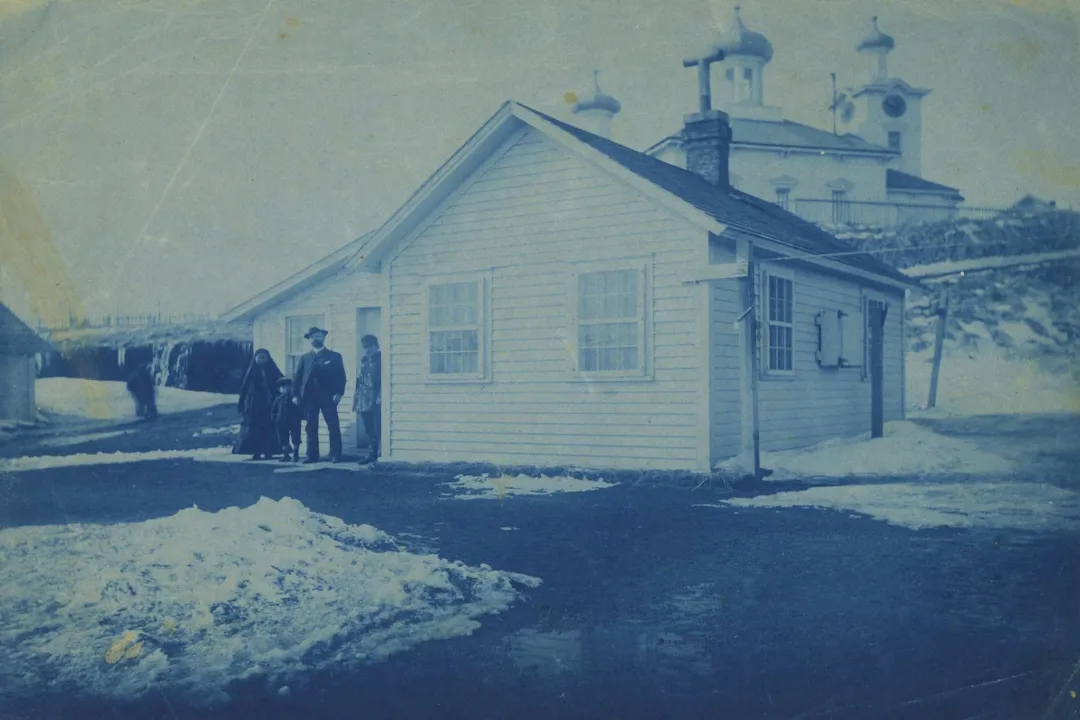
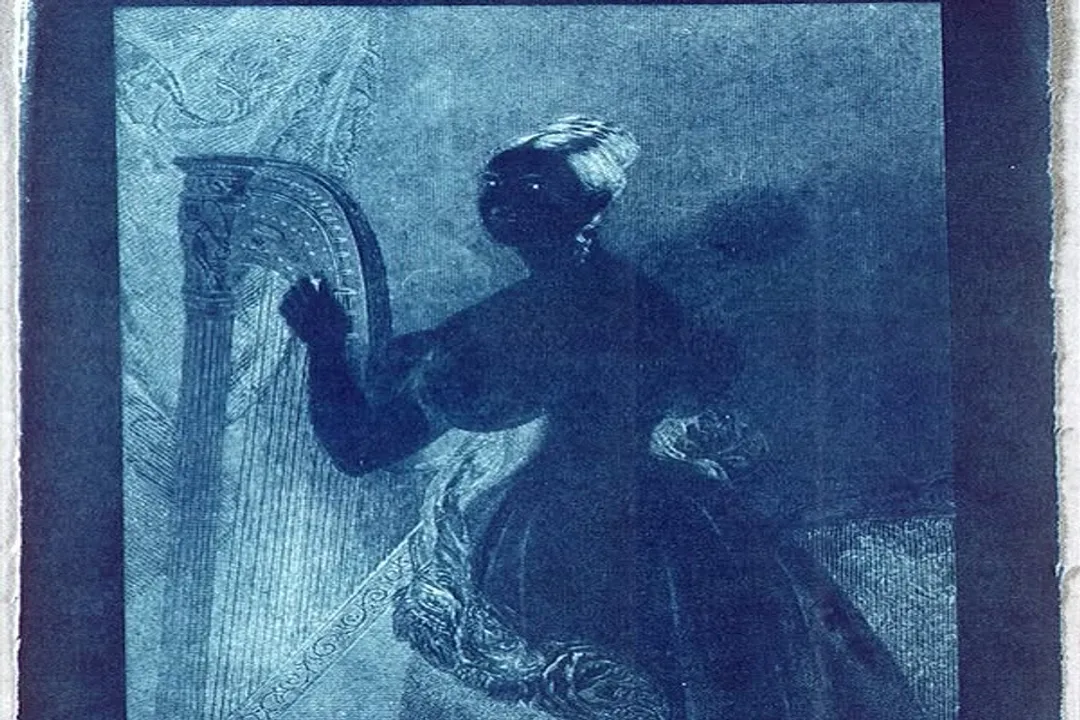
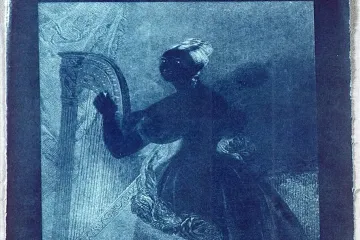
Perhaps the most direct and visually recognizable contribution Herschel made to the craft of image-making is the cyanotype. He invented this distinctive process in 1842. Unlike the complex silver halide chemistry that dominated portraiture, the cyanotype relied on iron salts, making it simpler, cheaper, and more stable in some ways.
The cyanotype process involves coating a surface, usually paper, with two primary chemicals: ferric ammonium citrate and potassium ferricyanide. When this coated material is exposed to UV light (sunlight), the ferric salt is reduced, causing a reaction that forms an insoluble pigment known as Prussian blue. The areas shielded from the light remain soluble and wash away during the development stage, leaving the brilliant, distinctive blue image where the light struck.
The resulting print is characterized by its deep, vibrant blue tones, a stark contrast to the sepia or black tones of contemporary silver processes. This process was not merely a chemical curiosity; it was immediately practical. Because the chemistry was straightforward, it found a niche in technical documentation long before it was fully embraced artistically.
An interesting aspect of the cyanotype’s initial success lies in its low barrier to entry. While preparing a silver plate required careful handling of toxic mercury vapors (for Daguerreotypes) or complex developing baths, Herschel’s method could be prepared in a relatively safe lab setting and exposed outdoors. This accessibility allowed hobbyists and technical illustrators to create photographic reproductions relatively easily. Even today, over 180 years later, the cyanotype remains a valued technique among alternative process photographers seeking that signature monochromatic blue.
# Lasting Impact
Herschel’s dual identity—the renowned astronomer and the quiet chemist—meant his photographic achievements often played second fiddle to his celestial charts. However, his impact on the viability of photography cannot be overstated. He gave the field its name, defined its core mechanism (negative/positive), and provided the indispensable chemical step of fixing the image.
Consider the timeline: Talbot published his Pencil of Nature in 1844, showcasing images produced using a process reliant on the understanding of fixation that Herschel had explored and named. While the invention of photography is a tangled web of concurrent discoveries, Herschel provided the essential chemical scaffolding that supported the structures built by others. His cyanotype, born from that same experimental zeal, offered a tangible, beautiful alternative that has quietly persisted through the decades, proving that a good chemical concept, once introduced, can certainly stand the test of time. If one were to sketch a chart of photography's essential building blocks—naming, reproduction theory, and permanence—Herschel's contributions form three cornerstones of that structure.
Related Questions
#Citations
John Herschel - Wikipedia
Eureka: How a Scientist Revolutionized Photography With the ...
Sir John Herschel – his life and discoveries
John Herschel: A Chemist's Remarkable Contributions to Photography
Sir John Frederick William Herschel, 1st Bt - National Portrait Gallery
Photographic experimentation in the letters of Sir John Herschel
Invented by Sir John Herschel in 1842, cyanotype is a photographic ...
Sir John Herschel - Photography from the Scripps College Collection
Sir John Frederick William Herschel | PhotoSeed