What triggers antibody production?
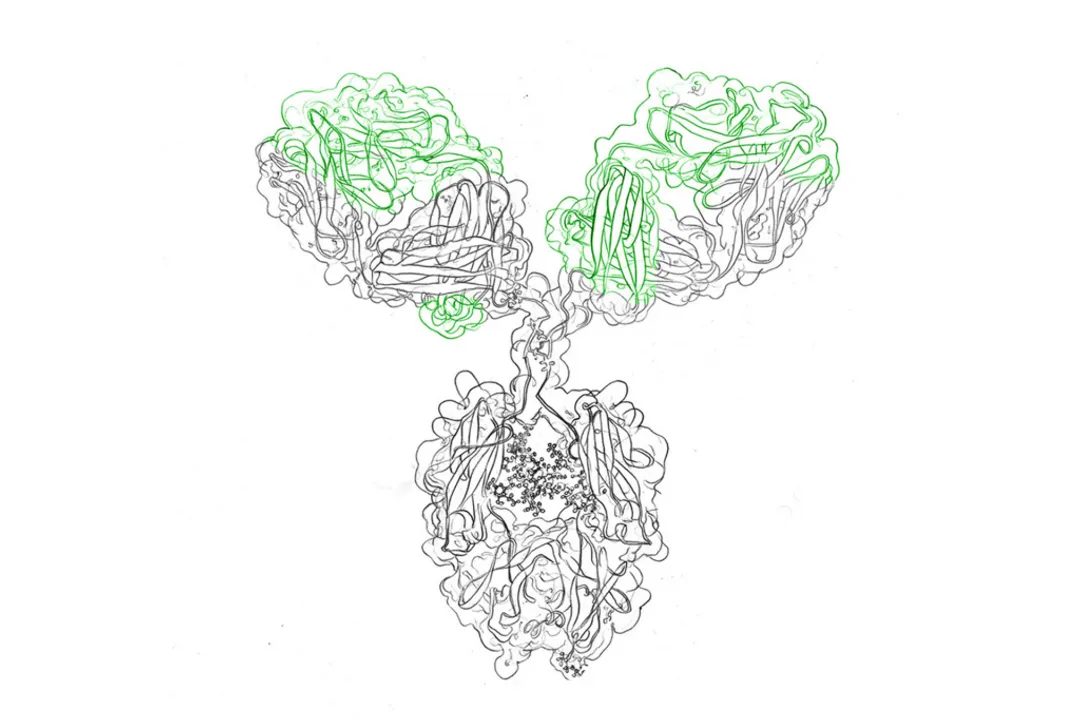
The production of antibodies, those specialized Y-shaped proteins essential for adaptive immunity, begins with a specific, finely tuned recognition event within the body. These crucial molecules are synthesized primarily by plasma cells, which are derived from activated B lymphocytes. [1][5] The initial spark, the necessary command to begin this biological manufacturing process, is the introduction of an antigen. [7]
# Immune Defense Proteins
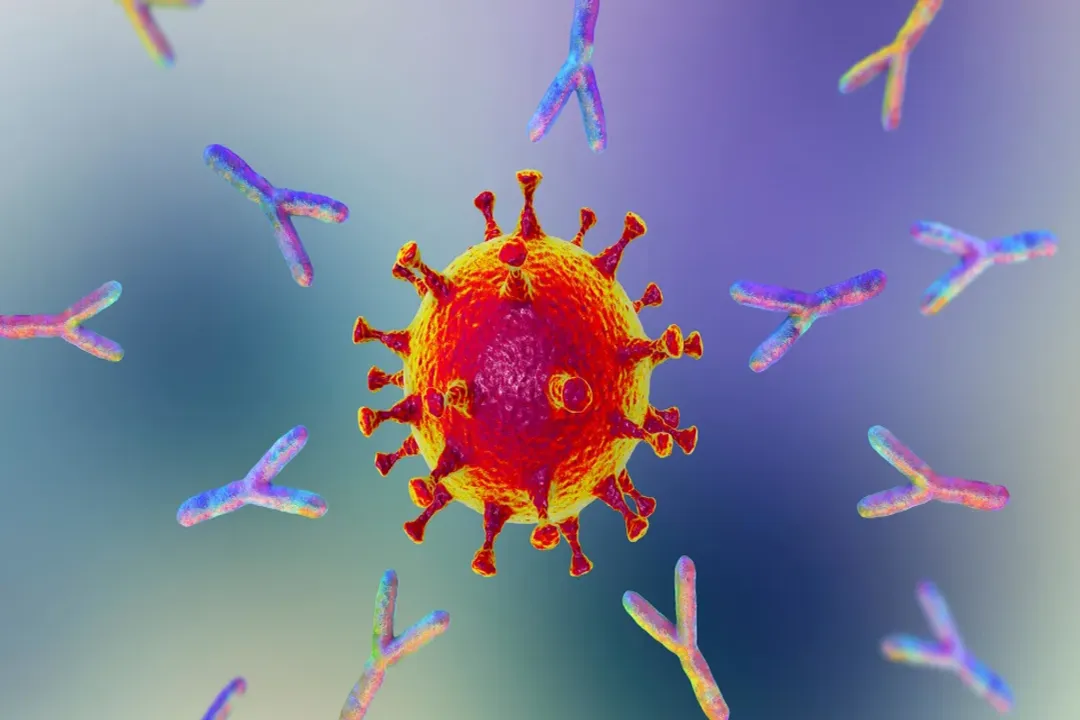
Antibodies, also known as immunoglobulins, serve as the body’s molecular markers for foreign invaders. Structurally, each antibody molecule consists of four polypeptide chains: two identical heavy chains and two identical light chains, held together by disulfide bonds, creating the characteristic ‘Y’ shape. [5] The "arms" of the Y contain the variable regions, which are unique to each specific threat, allowing them to bind with incredible precision to only one type of antigen. [5][7] The "stem" portion, known as the constant region, remains the same among antibodies of the same class and dictates the antibody’s functional role once it has bound its target. [5] When we consider the immune system in action, it is this specific binding capability—the ability to latch onto a pathogen or toxin—that defines the initial requirement for antibody generation. [1][7]
# Antigen Recognition
The presence of an antigen is the prerequisite for antibody production in a naive immune system. An antigen is defined simply as any substance that the immune system recognizes as non-self and against which an immune response is mounted. [7] This interaction is not merely a physical barrier; it is a complex molecular signaling event. The first time the body encounters a specific antigen—say, a protein on the surface of a novel virus—it initiates what is known as the primary immune response. [1]
This initial detection rarely happens in isolation. While B cells have receptors capable of binding directly to some antigens, many antigens require assistance. Often, the B cell must work in tandem with helper T cells. [1] The B cell internalizes the antigen, processes it, and then presents fragments of it on its surface using specialized molecules (MHC class II). A helper T cell, which is already primed to recognize that specific fragment, must then bind to the B cell, releasing chemical signals called cytokines that fully activate the B cell to proceed with proliferation. [1] If this critical T cell signal is absent or weak, the B cell may become unresponsive or fail to mature properly into an antibody factory.

# B Cell Activation
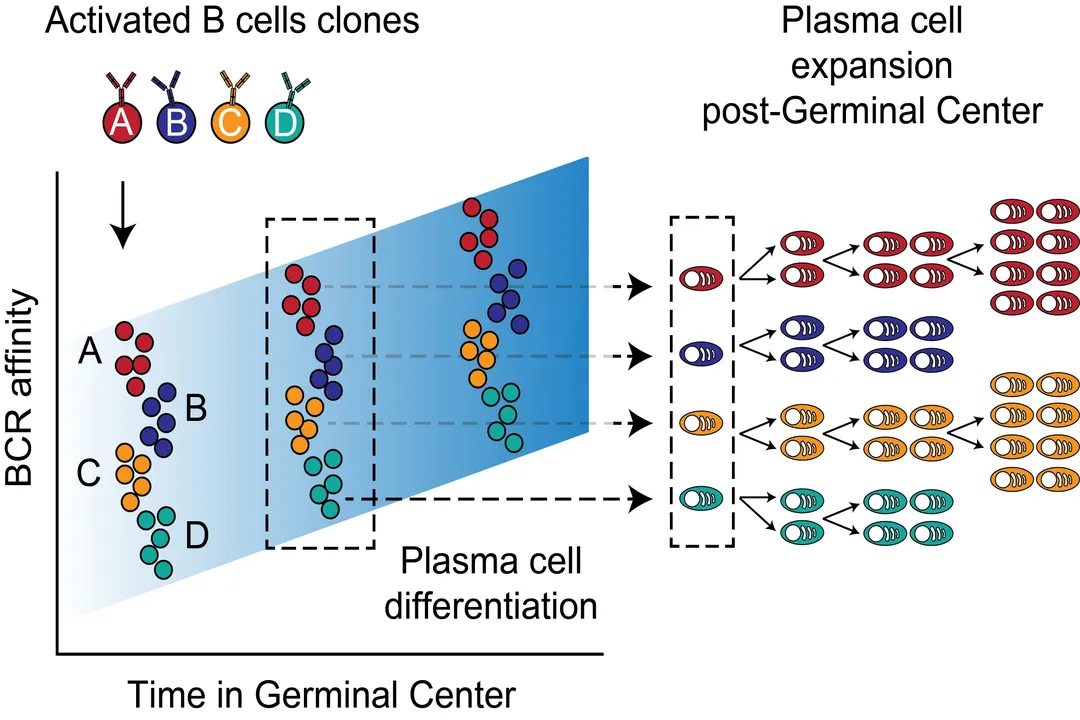
Once the B cell receives the full activation signal—both through its surface receptor binding the antigen and the necessary cytokine confirmation from a T cell—the cascade begins in earnest. This activation triggers rapid cell division, a process known as clonal expansion. [6] A small number of initial B cells multiply into thousands of identical daughter cells, all programmed to recognize the same original antigen. [10]
These newly created cells then differentiate into two main types: long-lived memory B cells and prolific plasma cells. [1] The plasma cells are the dedicated antibody factories; they shed their surface receptors and begin secreting massive amounts of soluble antibodies tailored to the specific invader into the blood and lymph. [6][10] This secretory phase is what provides systemic protection against the current threat.
It is worth noting the difference in kinetics between the first encounter and subsequent ones. When a system is encountering an antigen for the first time, the time required for T cell priming, B cell activation, clonal expansion, and differentiation into plasma cells means that functional antibody titers may take one to two weeks to become reliably measurable. However, the memory B cells created during this initial phase are primed for speed. Upon a second exposure to the exact same antigen, these memory cells skip most of the early recognition steps. They activate much faster, sometimes producing peak antibody levels within three to five days, often yielding a much higher concentration of antibodies than the primary response achieved. [1] This difference in timing is the biological foundation behind long-term immunity derived from either past infection or vaccination.
# Response Modifiers
While the antigen is the trigger, the quality and quantity of the resulting antibody production are highly variable, influenced by a wide array of host and environmental factors. [3] The genetic makeup of the individual plays a foundational role, determining the diversity of the B cell repertoire available to recognize any new threat. [3]
Age is another significant determinant. Newborns have an immature immune system, relying initially on passive immunity transferred from their mother, and their ability to mount a strong, sustained response to new antigens develops over time. [3] Conversely, the immune response can also wane in older adults due to immunosenescence. [3] Furthermore, the physical conditions surrounding the antigen’s entry influence the outcome. The route of administration—whether the antigen enters through the skin, the lungs, or the digestive tract—directs the immune response toward different secondary lymphoid organs and often favors the production of specific antibody subclasses suited for that particular mucosal or systemic environment. [3]
A less obvious, yet practical, consideration for maximizing antibody output relates to the antigen presentation itself. While a sufficient dose is needed to stimulate the necessary number of B cells, providing an overwhelming or poorly presented dose can sometimes lead to a state where B cells become temporarily blocked from responding optimally, rather than increasing production further. This phenomenon, sometimes termed functional inactivation or anergy, means that vaccine designers must carefully balance antigen concentration with formulation adjuvants that help direct the immune cells to initiate the optimal cascade, rather than simply overwhelming them. [3]

# Laboratory Generation
Understanding the natural trigger mechanism allows scientists to replicate and direct antibody production outside the human body for research, diagnostics, and therapeutic treatment. [9] While the in vivo trigger is a living pathogen or vaccine, in vitro generation relies on controlled cellular manipulation. [4]
In research settings, for instance, hybridoma technology is a classic method. This involves fusing an antibody-producing B cell (often from an immunized animal) with a cancerous myeloma cell line. [4] This fusion creates a hybrid cell that has the longevity of the cancer cell and the specific antibody-producing capability of the B cell. These immortalized hybridomas can then be grown in large quantities in culture medium to produce vast, highly specific amounts of a single type of antibody. [9] In a more modern approach, genetic engineering allows scientists to synthesize recombinant antibodies by inserting the genetic code for a specific antibody into host cells, such as yeast or mammalian cells, which then churn out the desired protein product following established cell culture protocols. [9] This laboratory process effectively bypasses the complex cellular recruitment and T-cell dependency that characterizes the initial, slow trigger phase in a natural infection.
Ultimately, the creation of antibodies is a testament to immunological memory and specificity. The process is reliably initiated by an antigen, but its effectiveness—its speed, magnitude, and durability—is constantly moderated by the host's genetic background, age, nutritional state, and the specific manner in which the foreign material is first presented to the immune surveillance system. [3]
Related Questions
#Citations
Antibodies: Definition, Types & Function - Cleveland Clinic
B Cells and Antibodies - Molecular Biology of the Cell - NCBI - NIH
What Factors Affect Antibody Production? - News-Medical.Net
How to generate antibodies - MBL Life Science
Antibodies 101: Introduction to Antibodies - Addgene Blog
Antibody Animations and Explanations - Smithsonian Institution
Antigen & Antibody - Clinical Reference - MSK
New details uncovered about the process of antibody production ...
Terminology of Molecular Biology for Antibody generation - GenScript
Steps in antibody production - evitria