How do symbiotic relationships evolve?

The close, long-term association between two distinct species, known broadly as symbiosis, is one of nature's most fascinating outcomes. This interaction is not static; it is a dynamic process shaped by the relentless pressure of natural selection over vast stretches of time. Understanding how these partnerships solidify—moving, for example, from a chance encounter to an absolute dependency—requires looking at the genetic tug-of-war between the participants, a process called coevolution. A symbiotic relationship is defined by the nature of the interaction itself, which can manifest as mutualism, where both parties benefit, commensalism, where one benefits and the other is unaffected, or parasitism, where one benefits at the expense of the other. The evolutionary question centers on the pathways that shift an interaction between these categories.
# Close Contact
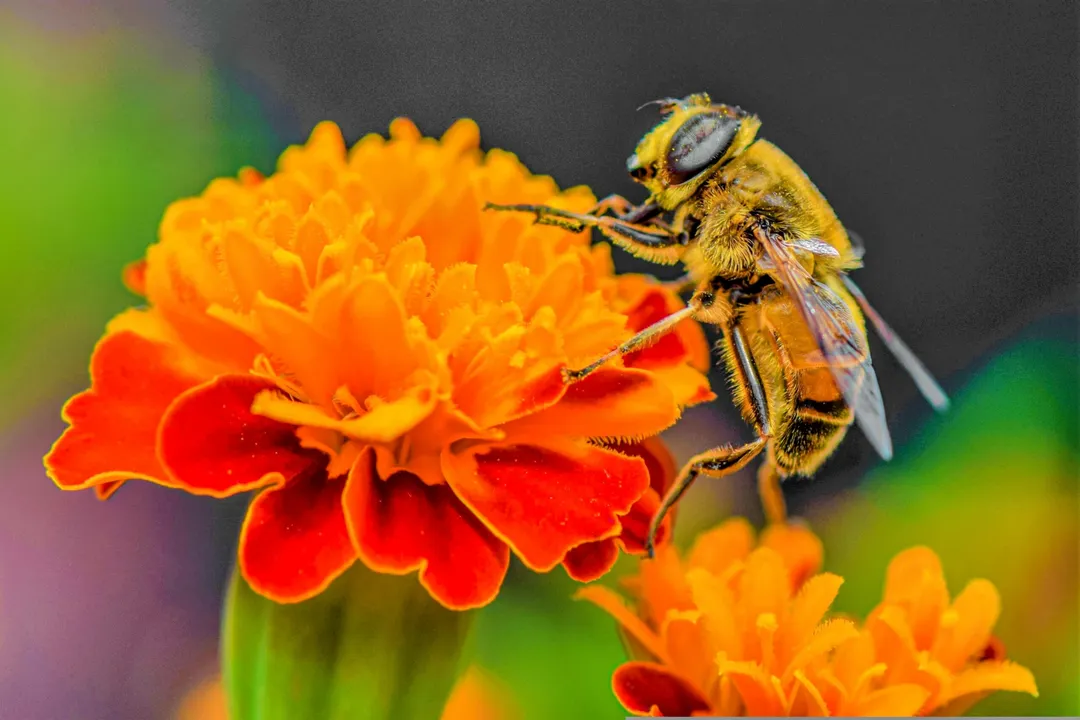
At its foundation, symbiosis requires proximity and repeated interaction between the two species. This is not just about organisms living near each other, but one organism living in or on the other, or depending heavily on the other for survival in a way that alters the course of their respective evolutionary paths.
While many people immediately think of mutualism—such as cleaner fish removing parasites from sharks—the starting point for these deep bonds is often much less cooperative. Think of the earliest stages of an interaction: one organism might accidentally benefit from the waste products of another, or perhaps one species begins consuming the other, leading to an antagonistic relationship. For a true symbiotic relationship to emerge and persist, the fitness benefits accrued by both partners must eventually outweigh any costs, or the relationship must stabilize into a state where the cost to one partner is negligible, as in commensalism.
# Initial State
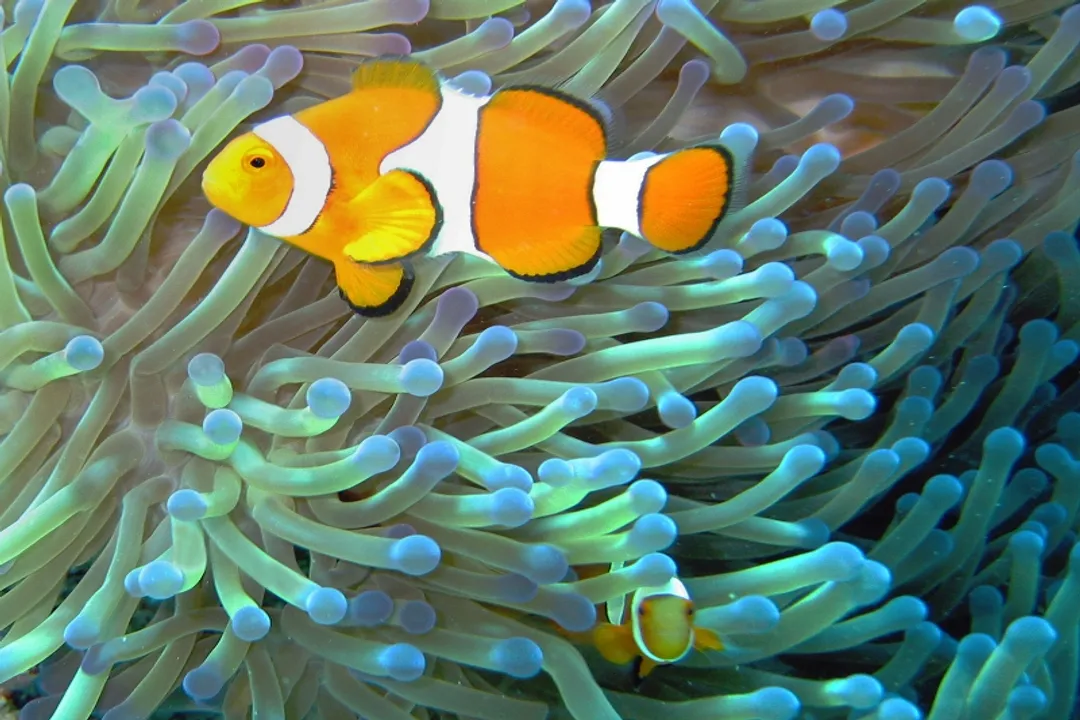
The paths to enduring partnership are varied, but evolutionary biologists often discuss a few key starting points from which mutualistic symbiosis might arise. One common theory suggests that mutualism evolves from an antagonistic relationship, often parasitism. In this scenario, a parasite might evolve to become less harmful over time because extreme harm limits its own reproductive success or host availability. If the parasite begins providing a service—perhaps by cleaning the host or helping process food—while simultaneously reducing its parasitic damage, the relationship is already shifting away from pure antagonism.
Another pathway involves commensalism, where one species gains a significant, non-detrimental advantage. Imagine a smaller organism that benefits from the shelter or waste of a much larger, indifferent host. If, over time, the smaller organism begins to provide a minor, indirect benefit back to the larger host—perhaps by deterring a different predator or cleaning a surface—selection may favor that small benefit, pushing the interaction toward mutualism.
This transition is rarely instantaneous. It often involves long periods where the relationship exists in a state of flux, where environmental pressures dictate whether the interaction swings toward mutual benefit or back toward one-sided exploitation. The stability of the environment plays a surprisingly large role; a stable environment might allow for the slow, incremental accumulation of traits that favor cooperation, whereas a rapidly changing one might favor flexibility, potentially breaking fragile symbiotic ties.

# Partner Changes
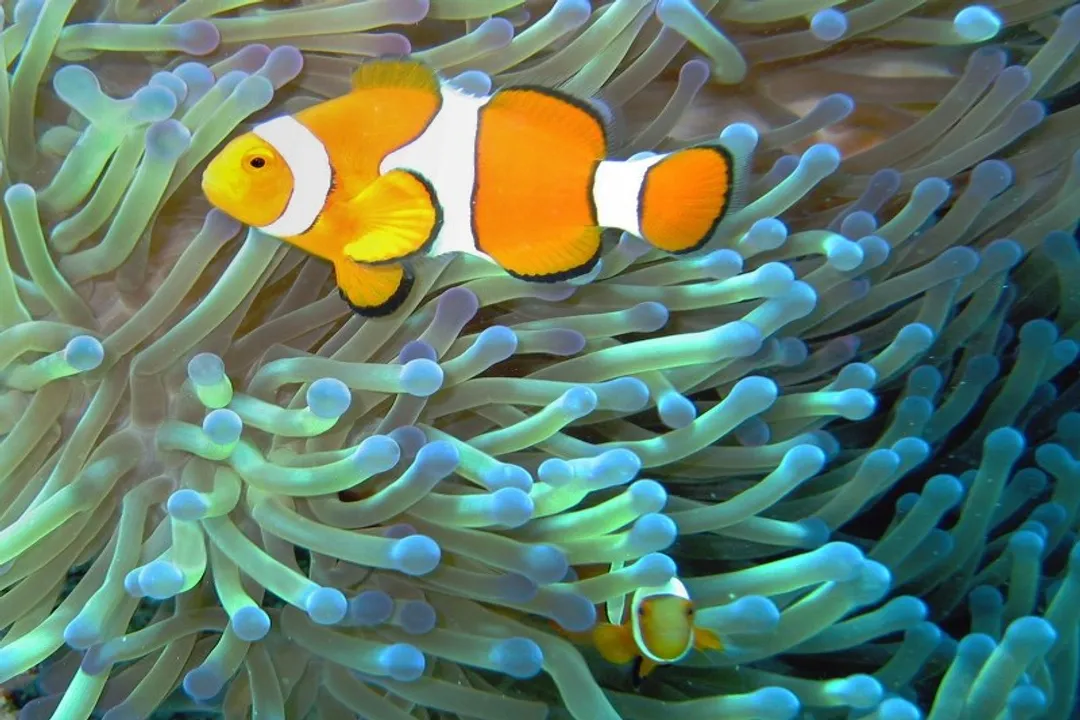
The core engine driving the evolution of symbiosis is coevolution. This means that genetic changes in one partner select for corresponding genetic changes in the other, creating an interdependent feedback loop. It is not just the host evolving to better utilize the symbiont, but the symbiont evolving to better serve the host, as its own survival is now tied to the host's success.
When we consider obligate mutualism—where neither partner can survive without the other—the coevolution has reached a point of high integration. This integration is often driven by the acquisition of novel functions. For instance, an organism might incorporate a gene or an entire metabolic pathway from its partner, effectively outsourcing a biological function.
This process can be visualized through a change in genetic allocation. Initially, an organism invests minimal resources into the interaction. As the benefit stabilizes, the organism begins to invest more heavily—producing more energy for the partner, or dedicating more cells to housing them. This investment becomes an evolutionary trap; once the investment is high enough, the organism must continue to invest, or its fitness plummets because it has lost the ability to perform that function independently.
One fascinating observation is the role of horizontal gene transfer, where genetic material moves between unrelated organisms, which can cement a dependency far faster than traditional vertical inheritance. While the sources don't detail specific mechanisms across all systems, one can infer that in systems involving bacteria and eukaryotes, the sheer speed of bacterial replication means that beneficial mutations allowing for better host integration can sweep through the symbiont population rapidly, forcing the host to keep pace genetically.
# Cell Fusion
Perhaps the most dramatic demonstration of symbiotic evolution is endosymbiosis, the process where one organism lives inside another, leading to the incorporation of one cell within another. The evolution of eukaryotic cells—the kind that make up plants, animals, and fungi—is attributed to a series of endosymbiotic events.
The classic example involves an early, larger host cell engulfing an aerobic bacterium that was capable of generating far more energy than the host cell could on its own. Initially, this might have been a predatory event gone awry, or perhaps the smaller bacterium found a safe, nutrient-rich environment within the larger cell. The key evolutionary transition occurred when the host cell realized it could harness the massive energy output of the engulfed bacterium instead of digesting it. Over immense timescales, the engulfed bacterium lost genes it no longer needed (as the host provided them) and transferred others, eventually becoming the mitochondrion. A similar process occurred later when a photosynthetic cyanobacterium was taken up, leading to the chloroplasts in plant cells.
This represents the ultimate evolutionary commitment: the loss of the symbiont's autonomy. If this process were to occur today in a less established system, we might observe the initial stages as a highly specialized form of intracellular parasitism transitioning into an obligate metabolic partnership. The sheer magnitude of genetic reorganization required for this transition suggests an evolutionary time scale far exceeding the fine-tuning of external mutualisms.
# Bond Maintenance
What stops a mutually beneficial relationship from collapsing? The answer lies in the evolutionary cost of specialization, which acts as a glue. If a species becomes entirely reliant on a partner for a critical function—say, nitrogen fixation in legumes or essential vitamins in certain insects—the machinery required for that function may be lost or severely degraded in the host because the symbiont handles it.
This interdependence creates a strong selection pressure against separation. A host organism that suddenly rejects its nitrogen-fixing bacteria is likely doomed to starve due to an inability to build necessary proteins. Similarly, the symbiont cannot survive without the host's specific cellular environment and nutrient supply.
Consider this: in a facultative symbiosis (where the partners can live separately), the fitness of the host population might slightly decrease when the symbiont is absent. However, in an obligate relationship, the fitness drops to zero immediately upon separation. This immediate and total fitness penalty is a powerful, non-negotiable evolutionary driver that enforces the bond far more effectively than a simple additive benefit. This is why many highly integrated systems are geographically restricted; the partnership can only persist where the specific environmental context that selected for the initial bond remains stable. If the environment changes such that the symbiont's benefit becomes outweighed by its cost (e.g., the host now has access to free resources), the relationship can break down rapidly through selection favoring hosts who can eject the costly partner.
# Evolutionary Outcomes
The study of symbiotic evolution reveals that life's complexity often emerges not just from competition, but from collaboration. The evolutionary fate of a symbiotic relationship is not predetermined; it is contingent on chance events, genetic capabilities, and environmental stability.
The spectrum of outcomes is wide:
- Stable Mutualism: The relationship is maintained as both parties provide necessary, unique services.
- Host Domination: The symbiont loses all independence, becoming an organelle or a permanent, specialized tissue within the host.
- Dissolution: Environmental changes remove the selective pressure, and the symbiont is shed or dies out, potentially driving the host toward extinction if the dependency was absolute.
Ultimately, the evolution of symbiosis is a testament to adaptation at the interface of two different lineages, demonstrating that sometimes, the best way to survive is not to outcompete your neighbor, but to become your neighbor in a functional sense.
Related Questions
#Citations
ELI5: How do symbiotic relationships develop between two different ...
Evolving together: the biology of symbiosis, part 1 - PMC - NIH
Symbiosis - Wikipedia
What Is Symbiosis? - Stated Clearly
Co-Evolution - New England Complex Systems Institute
How species partnerships evolve | Penn Today
How do symbiotic relationships evolve? - Quora
When two become one - Understanding Evolution
Symbiosis: The Art of Living Together - National Geographic Education
How do symbiotic relationships evolve between species? - Earth.com