What are the challenges of propagation?

The act of creating new life from a piece of an existing plant—propagation—is often romanticized as simple magic, yet experienced growers know it is a delicate balancing act fraught with pitfalls. Successfully generating roots on a cutting, or getting a seed to sprout under specific conditions, requires meticulous attention to detail where even minor oversights can result in rot, desiccation, or complete failure to initiate growth. [1][9] Understanding these obstacles is the first step toward mastering the process, whether you are rooting a rare houseplant stem or multiplying stock in a commercial greenhouse setting. [6]
# Tool Cleanliness
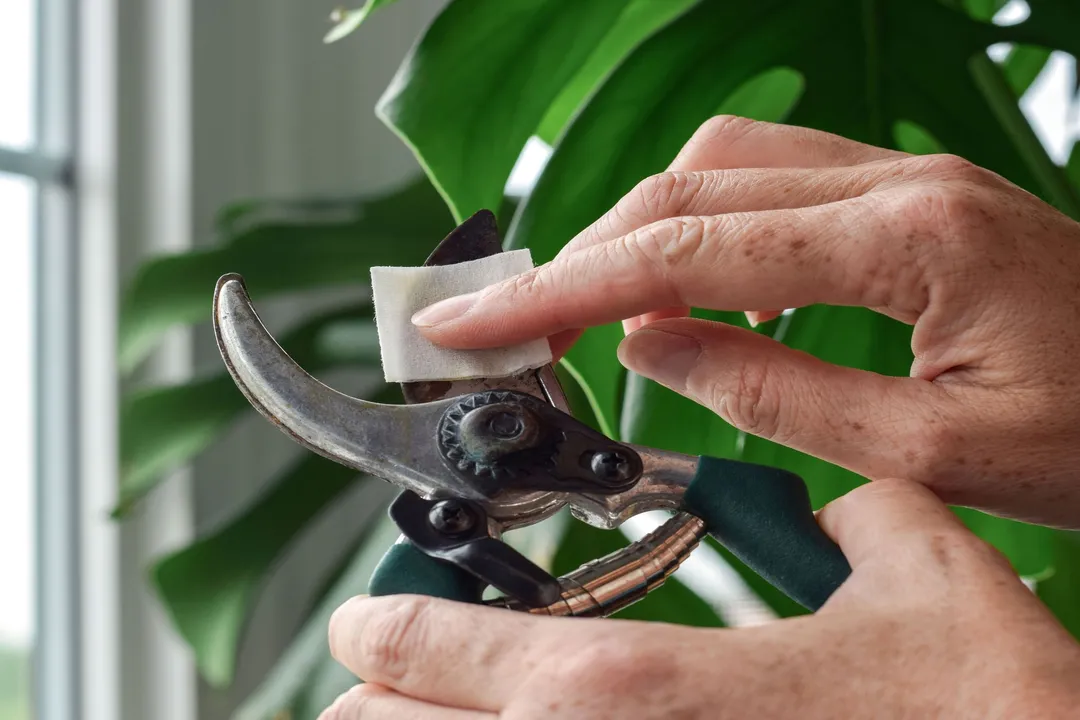
A foundational, yet frequently overlooked, challenge revolves around the equipment used to take the cutting in the first place. [1] Tools that look clean to the naked eye can still harbor microscopic pathogens capable of infecting the fresh wound on the plant cutting. [2] If shears, knives, or scissors are dull or dirty, they will crush the stem tissue rather than providing a clean slice. [2] This crushing action damages the vascular system, making it difficult for water uptake and increasing the surface area susceptible to microbial entry. [1]
For best results, hygiene must be non-negotiable. It is crucial to sterilize cutting implements before every use, or at least between different plant species to prevent cross-contamination. [6] A common, effective method involves soaking the tool blades in a solution like a ten-part water to one-part bleach mixture. [1] Immediately after treating the tool, it should be wiped dry before use, as residual bleach can harm the plant tissue. [1] Even if you feel confident in your process, remember that many propagation failures trace back to an unsterilized cut initiating the decline before the cutting ever reaches the soil. [2]
# Selection Errors
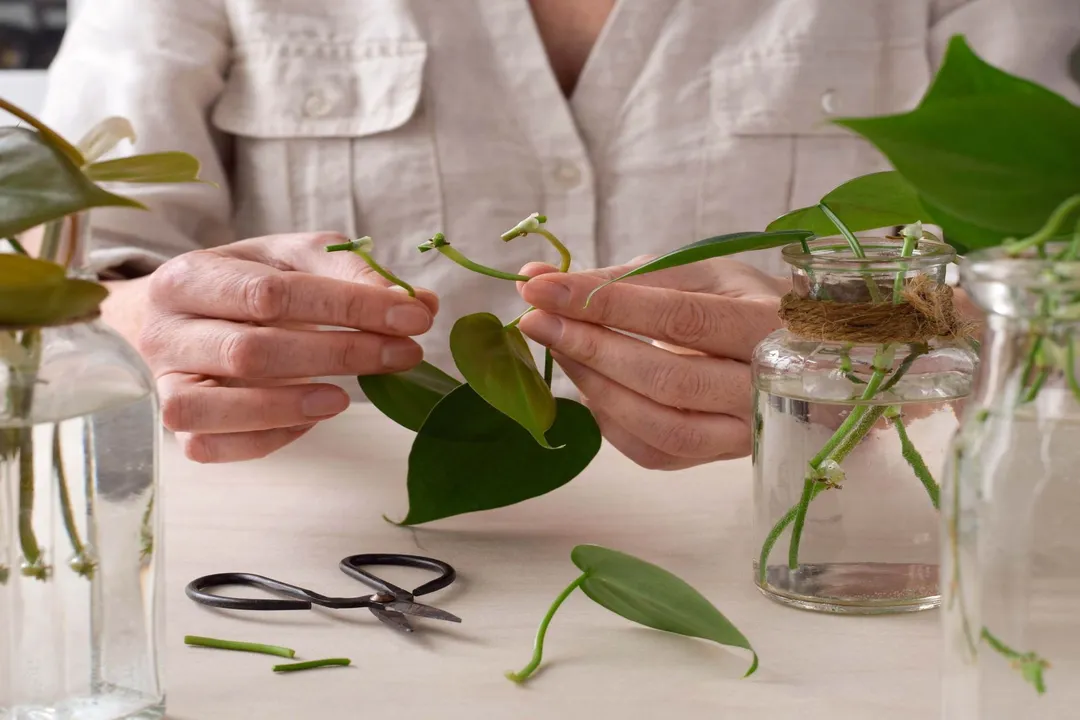
The success of a new plant often hinges on what part of the mother plant is chosen for propagation. [7] Taking cuttings at the wrong stage of maturity is a common pitfall. [1][6] Softwood cuttings—those taken from new, flexible growth—are often the easiest to root, but they are also the most susceptible to wilting and drying out if humidity levels are not perfectly maintained. [4] Conversely, overly mature, hard, or woody stems may possess stored energy but are significantly more difficult to root because the juvenile cells needed for rapid root formation are less active. [7]
Furthermore, the specific tissue taken matters immensely. Many beginners fail to realize that the cutting must contain nodes, the points on the stem where hormones signal for root development. [1] Simply sticking a leaf or a piece of stem without a node into water or soil is almost guaranteed to fail, as there is no tissue present to initiate adventitious root growth. [7]
Another subtle selection error involves the type of cutting taken, particularly for species that readily root in water versus those that require a sterile, well-aerated substrate. Trying to root a plant that strongly prefers soil-based propagation directly in water can lead to "waterlogging" issues prematurely, resulting in mushy tissue that rots before roots can form. [4] Success often demands matching the propagation technique to the plant's natural tendencies and the cutting’s developmental stage. [6]

# Medium Mismanagement
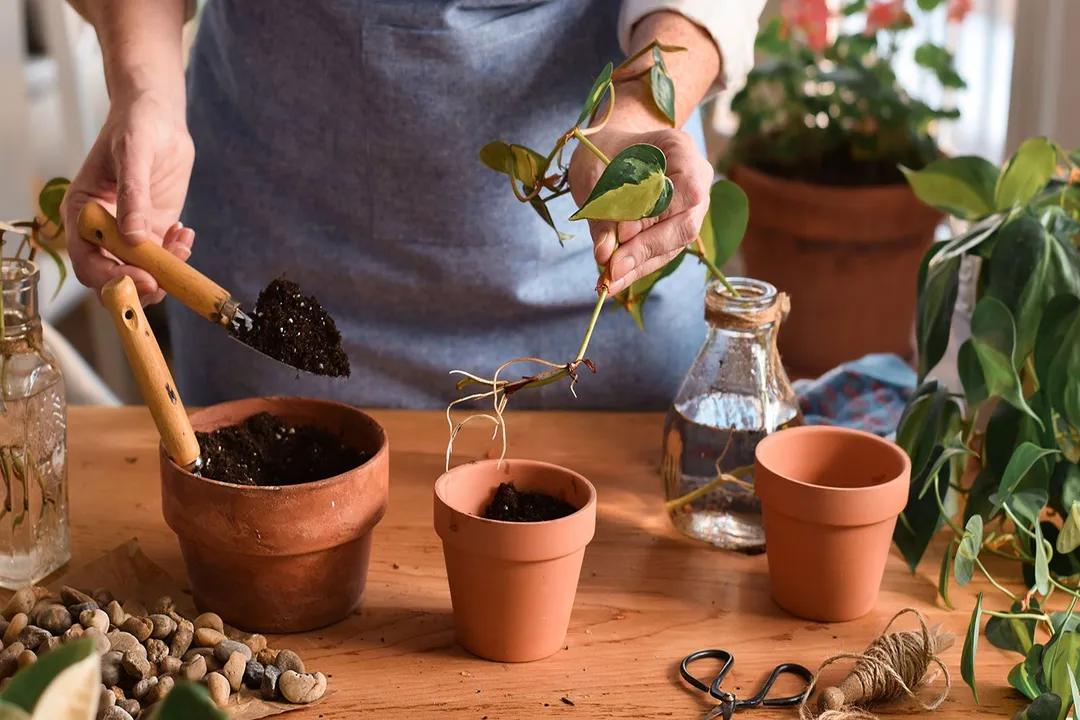
The rooting medium serves as the temporary anchor and primary source of initial moisture and gas exchange for the cutting. Mistakes here are manifold and often fatal. [8] One of the most prevalent issues is using a medium that is too dense or poorly draining, which leads directly to root rot. [4][9] While cuttings desperately need moisture to prevent desiccation, they also require oxygen for respiration and cellular activity in the developing root zone. [8] A soggy, heavy mix suffocates the tissue.
For instance, using standard garden soil is rarely advisable for softwood cuttings because it compacts easily, lacks adequate aeration, and often harbors pathogens. [2][4] Many successful propagation guides recommend a mix that promotes drainage—a blend of peat moss, perlite, or coarse sand. [1][8] A simple, effective blend for many common cuttings involves equal parts sterile potting mix and either perlite or vermiculite to ensure air pockets remain. [4]
It is important to manage the water content within that medium correctly. Overwatering is perhaps the single greatest cause of early cutting failure. [2] The goal is damp, not saturated. [6] A practical approach involves preparing the medium thoroughly, watering it until it is uniformly moist, and allowing it to drain completely before inserting the cuttings. After insertion, misting the cuttings themselves or covering the vessel to trap ambient humidity often mitigates the need for immediate heavy watering of the base medium. [9]
# Environmental Stressors
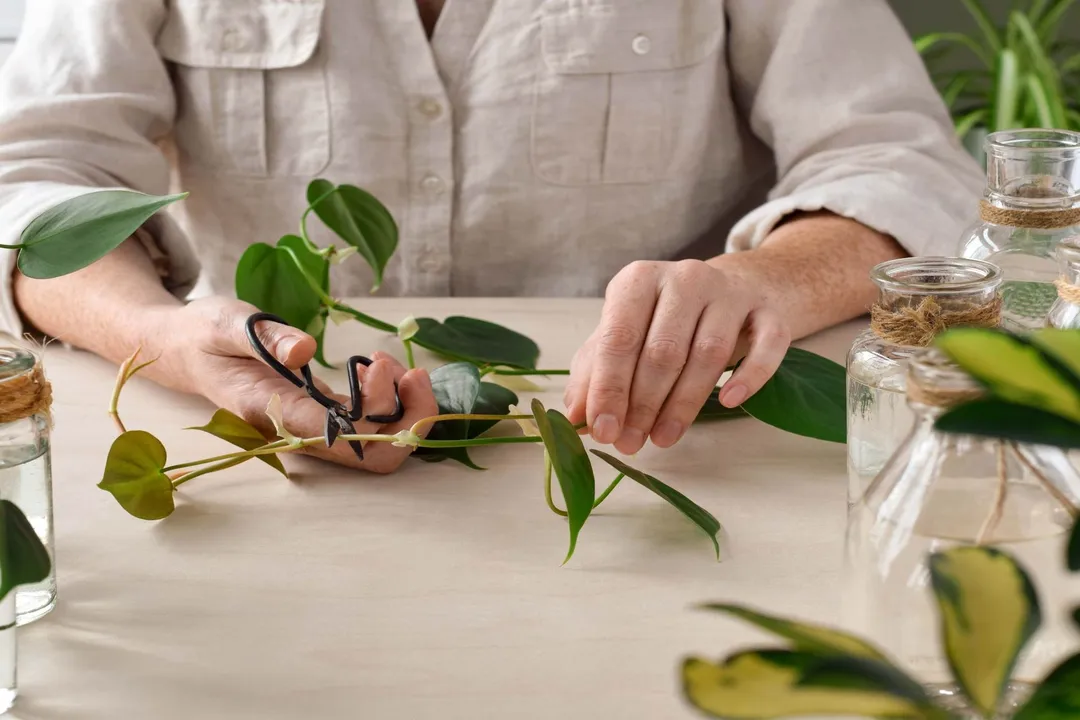
Once the cutting is situated, the ambient environment dictates whether root initiation occurs or if the cutting simply wastes away waiting for a signal that never arrives. [3] Temperature and humidity are the twin environmental pillars of propagation, and failure to control either leads to predictable problems. [6]
# Temperature Stability
Root development is a metabolically intensive process requiring a specific thermal profile. Most cuttings root best when the temperature surrounding the base—where the roots will form—is consistently warmer than the ambient air temperature around the leaves. [3][8] This bottom heat encourages the plant to direct energy downward toward root production. Without this targeted warmth, the plant might prioritize leaf growth, leading to a top-heavy structure that quickly exhausts its limited stored energy reserves before roots can secure new resources. [3] A temperature differential of just a few degrees warmer at the base can make the difference between success and failure. [8]
However, this warmth must be stable. Sudden, dramatic temperature swings, especially prolonged cold, stall metabolic activity and halt the rooting process entirely. [6] For growers working in non-climate-controlled areas like unheated greenhouses, managing these extremes becomes a significant challenge. [5]
# Humidity Needs
For foliage attached to the cutting, high humidity is paramount. [4] Without an established root system to draw water from the medium, the leaves rapidly lose moisture through transpiration. [9] This dehydration leads to wilting, collapse, and eventual death of the cutting before roots can emerge. [1] To combat this, cuttings are often placed under humidity domes, plastic bags, or in misting systems to maintain near-saturation levels in the air surrounding the leaves. [4]
Yet, this necessary high humidity creates its own counter-challenge. Excessive moisture trapped around the stem base, especially when combined with overly cool temperatures, creates the perfect incubator for fungal diseases like Botrytis (gray mold). [5] This highlights a key tension in propagation: the leaves require high humidity, but the base needs good air circulation to prevent rot. [3] Balancing this often requires utilizing covers that can be vented periodically or employing a heat mat for bottom warmth coupled with gentle air movement across the surface of the medium. [9]
Consider this practical application: When setting up a propagation tray for sensitive softwood cuttings, aim for a leaf-level relative humidity above 80% but ensure the propagation chamber is not completely sealed off. A container with a few small, thumb-sized holes punched into the lid provides the necessary moisture barrier while allowing some gaseous exchange, lowering the risk of a mold outbreak that can wipe out an entire batch overnight. [9]

# Hormonal Missteps
While many plants can root without intervention, the application of rooting hormones—substances that often contain auxins—is a common practice to speed up the process and increase success rates, particularly with more difficult species. [3] However, improper use of these substances presents its own set of hurdles. [1]
Using the wrong type of hormone for the specific plant material, or applying too much, can actually inhibit root formation or even burn the tender cutting tissue. [1] Rooting powders, gels, or liquids are formulated for different levels of woodiness; a potent powder meant for hardwood cuttings will likely prove toxic to a delicate basil cutting. [3]
A critical factor is ensuring the hormone makes good contact with the stem tissue directly where the roots are supposed to form. If the cutting is dipped, excess powder should be gently shaken off to avoid clumping, which can smother the area or cause localized toxicity. [2] Furthermore, the act of dipping a cutting into a container of rooting powder contaminates that container if you dip subsequent cuttings without refreshing the product or using a fresh, sterile application for each batch. [1] This practice introduces pathogens directly to the wound site, defeating the purpose of taking a clean cutting. [6]
# Greenhouse Vulnerabilities
For larger-scale operations or those utilizing dedicated structures like greenhouses, the challenges broaden significantly to include systemic environmental hazards. [5] While a home hobbyist worries about a single window sill, a commercial grower must defend against large-scale threats that can destroy hundreds of plants simultaneously.
Temperature extremes are magnified in glass or plastic structures. On a sunny winter day, the internal temperature can skyrocket unexpectedly if ventilation is inadequate, leading to rapid overheating and desiccation of young stock. [5] Conversely, a sudden, unpredicted cold snap can freeze the structure, killing roots that might otherwise have survived at room temperature.
Pests and diseases, which can manifest as small issues on individual cuttings, become epidemics when many vulnerable, immature plants are grouped together. [5] Fungal spores or persistent pests like spider mites or fungus gnats thrive in the warm, humid conditions ideal for rooting. [9] Effective propagation requires not only excellent sanitation protocols for the cuttings themselves but also diligent monitoring and preventative measures for the entire growing environment. [5] Maintaining proper air movement, often via oscillating fans within the propagation area, is essential to combat stagnant air pockets where molds proliferate. [3]

# Failure Analysis
When propagation attempts fail, the problem often seems to be a singular event, but the reality is usually a chain reaction starting from an initial mistake. [1] Identifying why a cutting failed is key to future success. [9]
If a cutting yellows and wilts rapidly, the issue is likely dehydration, pointing toward insufficient humidity or a medium that dried out too quickly. [4] If the cutting stays green but no roots appear after several weeks, it suggests the temperature is too cool, the medium is too dense (lack of oxygen), or the cutting was taken from wood that was too mature to root easily. [3][8] If the cutting turns black or develops fuzzy mold, the culprit is almost certainly excess moisture combined with poor air circulation or low temperatures encouraging pathogen growth. [6]
Creating a reproducible system is the ultimate defense against these varied challenges. While every species has unique demands, understanding the core requirements—sterility, adequate warmth, balanced moisture, and high ambient humidity—allows a grower to troubleshoot effectively when a batch goes sideways. [9] Many failures arise not from a lack of knowledge about one factor, but from the inability to manage the interplay between factors, such as keeping the medium slightly drier while aggressively maintaining leaf humidity. [3]
Successful propagation relies on honoring the plant's natural programming while providing an unnaturally perfect, controlled environment for a short transition period. [8] Recognizing propagation not as a single step, but as a sequence of tightly coupled micro-environments—the sterile tool contact, the oxygenated, moist base, and the humid, warm canopy—reveals why so many attempts falter. Mastering this technique means mastering environmental regulation on a micro-scale. [1][5]
#Videos
5 Reasons Plant Cuttings Fail | How to Increase Success Rate
Related Questions
#Citations
Most Common Mistakes When Propagating Plants From Cuttings
Keep Your Cuttings Alive: Avoid These 6 Propagation Mistakes
Common Propagation Mistakes - GrowerTalks
Houseplant propagation mistakes: 11 common errors
The Perils of Propagation: Protecting Your Greenhouse ... - NIP Group
Essential Guidance for Successful Plant Propagation
New Plants From Cuttings (HO-37-W) - Purdue University
5 Reasons Plant Cuttings Fail | How to Increase Success Rate
The Science of Rooting Cuttings: Factors for Success
How to Overcome Common Propagation Challenges - PictureThis