How does epigenetics influence gene expression?
The way our bodies interpret the inherited instruction manual—our DNA—isn't fixed solely by the sequence of A’s, T’s, C’s, and G’s we receive at conception. Instead, the true function and timing of our genes are heavily influenced by a layer of chemical tags and structural changes that sit on top of the DNA. This regulatory system is known as epigenetics, derived from the Greek prefix epi- meaning "above" or "on top of" the genes. [4] It dictates which genes are switched on, which are silenced, and how strongly they are expressed, effectively allowing the environment to communicate with the genome without altering the underlying code itself. [3][6]
# Genetic Control Switches
Think of your DNA as an enormous library containing every instruction needed to build and run an organism. [4] If you didn't have a system to manage this library, every cell—from a skin cell to a neuron—would attempt to read every single book all the time, leading to chaos. Epigenetics provides the librarian system, ensuring the right books are opened in the right rooms at the right times. [1] The mechanisms responsible for this fine-tuning are primarily chemical modifications that affect how easily the cellular machinery can access the DNA. [5]
The two most well-studied epigenetic mechanisms that influence gene expression are DNA methylation and histone modification. [1] While both result in changes to gene activity, they achieve this through slightly different molecular pathways.
# DNA Methylation Details
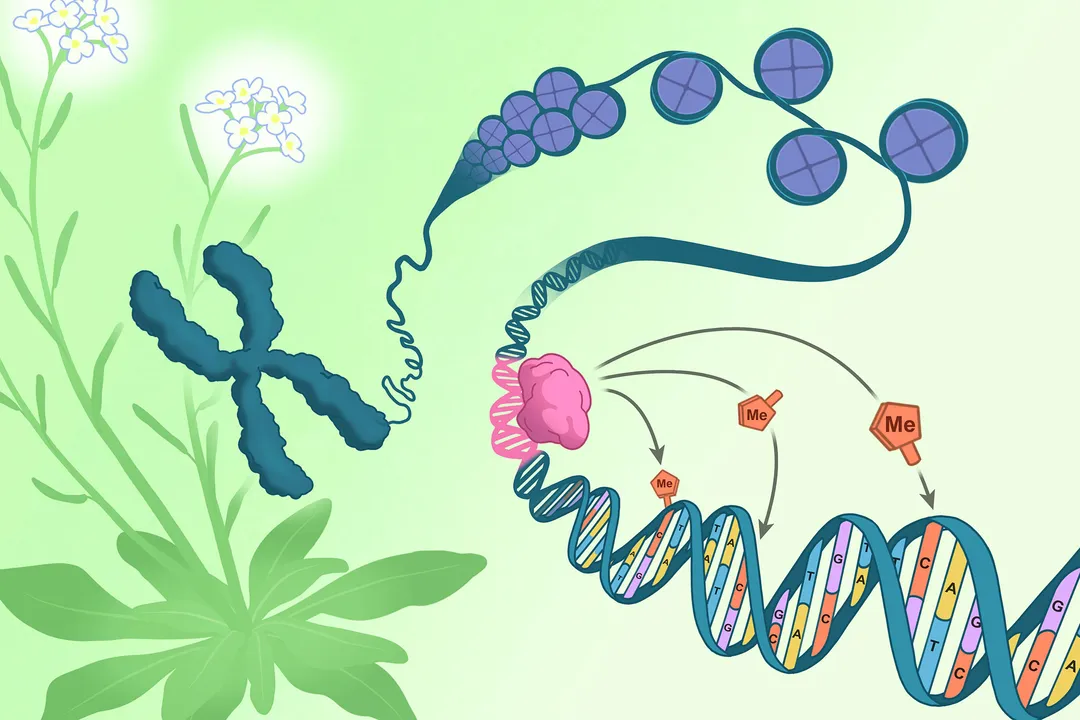
DNA methylation involves the attachment of a small chemical tag, a methyl group (a carbon atom attached to three hydrogen atoms), onto a DNA base, typically cytosine. [10][1] This process doesn't change the DNA sequence itself, but it acts as a molecular deterrent. [4]
Where this methylation occurs is critical. When methyl groups are added to specific regions of DNA known as CpG islands—sequences rich in cytosine followed by guanine—the modification generally signals the cell to silence that gene. [10] This dense chemical packing physically blocks transcription factors (the proteins that initiate gene reading) from binding to the DNA promoter region, effectively turning the gene "off" or significantly dialing down its production of RNA and subsequent protein. [1][10] Conversely, the absence of methylation in these regulatory regions usually corresponds with an active, expressed gene. [1]
Consider the difference between a muscle cell and a liver cell. Both possess the gene for insulin production, but only the liver cell needs to express it at certain times. Epigenetics ensures the insulin gene remains heavily methylated and thus silent in the muscle cell while remaining poised for expression (or actively expressed) in the liver cell. [4]
# Histone Package Changes
DNA in the nucleus is not just floating freely; it is tightly wound around spool-like proteins called histones. [1] This DNA-histone complex is called chromatin. How tightly the DNA is wrapped around these spools dictates accessibility. [5]
Modifications to the tails of these histone proteins act as binding sites for other regulatory molecules. [1] The most common of these modifications is acetylation, where an acetyl group is added to the histone tail. Acetylation generally neutralizes the positive charge on the histone, causing the DNA to loosen its grip on the spool, resulting in a more open chromatin structure. [1][5] This open configuration makes the DNA physically available for the cell's transcription machinery to read the gene—an "on" signal. [1]
The opposite process, deacetylation, removes these tags, causing the DNA to rewind more tightly around the histone spools, compacting the chromatin into a closed state. This closed state physically excludes transcription factors, effectively silencing the gene. [1]
It is fascinating to observe that these two systems often work in concert. DNA methylation typically corresponds with a tightly packed chromatin structure associated with histone deacetylation, creating a double-lock on silencing, while the absence of methylation is frequently paired with histone acetylation for active transcription. [1] This interplay highlights the complexity of the regulatory instructions, which are layered rather than singular. The cell essentially uses both the packaging (histones) and the direct coding modification (methylation) to achieve precise control. [5]
# Environment's Molecular Message
Perhaps the most compelling aspect of epigenetics is its role as the interface between our inherited blueprint and the world we inhabit. [3][6] While our DNA sequence is largely fixed from conception, the environment—including diet, stress levels, exposure to toxins, and even social interactions—can leave persistent chemical marks on the genome. [6]
For instance, the availability of certain nutrients, like the methyl donors required for DNA methylation, can be directly influenced by diet. [6] A mother’s nutrition during pregnancy can alter the epigenetic profile of her developing fetus, leading to changes in gene expression that might influence the child’s metabolism or stress response long into adulthood. [8] Similarly, chronic psychological stress can trigger changes in histone modification patterns in brain cells, altering the expression of genes related to stress hormones. [6]
This dynamic nature gives our cells plasticity. Unlike a permanent genetic mutation that scrambles the sequence, an epigenetic mark is often described as an instructional layer that can potentially be altered by new environmental inputs throughout life. [1] This provides a mechanism for cells to adapt their function based on current needs or past experiences. [5] This inherent reversibility is a profound departure from the static nature often associated with genetics; it means that the body retains a molecular memory of its experiences. [7]
# Developmental Windows
The influence of epigenetics is not uniform across a lifespan; certain periods are more sensitive to environmental input than others. [8] Early development, including the stages of embryonic growth and early childhood, represents a time of intense cellular differentiation and growth where the epigenetic landscape is being rapidly established. [8] The instructions set during this period often lay the groundwork for lifelong health outcomes. [7]
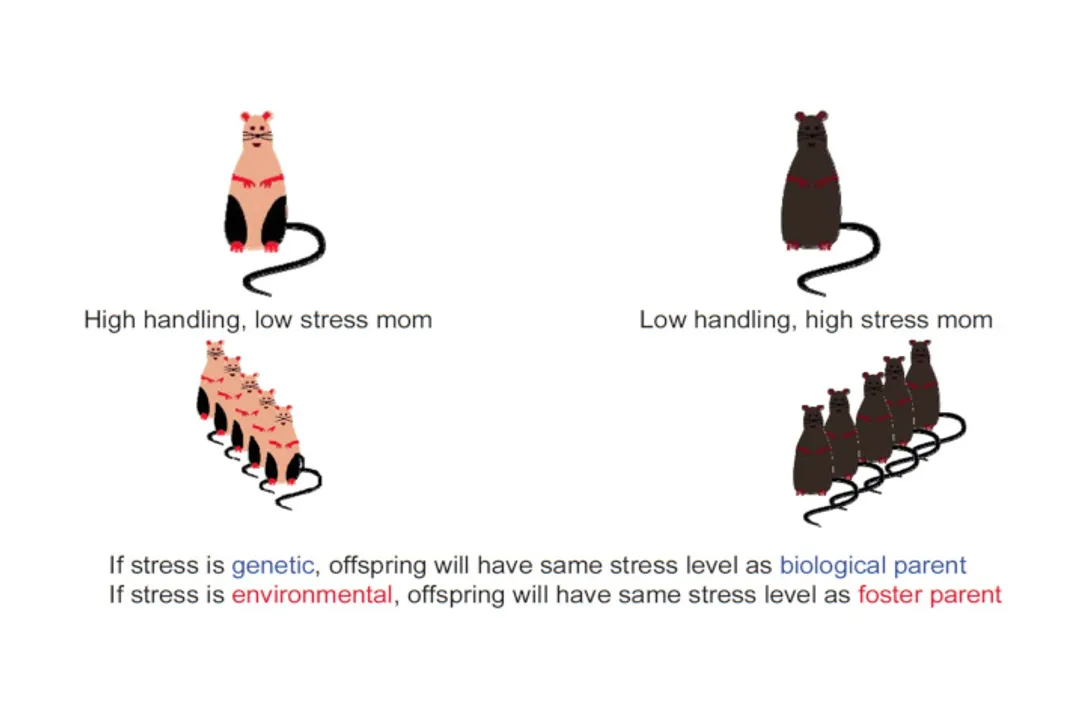
For example, researchers have observed that stress experienced early in life can result in long-lasting epigenetic changes in the brain regions governing anxiety and fear responses. [8] These changes affect how those stress-response genes are expressed decades later. This is not merely a temporary reaction; the molecular changes can persist, influencing how the individual responds to stressors as an adult. [7]
It is important to recognize that while the initial programming happens early, these marks are not entirely immutable later on. The ongoing process of reading and re-reading the genetic information means that environmental factors encountered in adulthood—such as shifts in diet, beginning a new rigorous exercise regimen, or experiencing a major life event—can continue to adjust the epigenetic landscape, albeit sometimes with more difficulty than during early critical windows. [5] If we view the genome as software, the DNA sequence is the hardware, and epigenetics is the constantly evolving operating system that dictates program execution based on runtime conditions.
# Interpreting Gene Expression Levels
Understanding how epigenetics influences expression is also about understanding the degree of influence. A gene can exist in several states determined by its epigenetic marks:
| State | Primary Epigenetic Marks | Transcriptional Outcome | Analogy |
|---|---|---|---|
| Active | Low/No Methylation, High Histone Acetylation | High or steady expression | Light switch is ON |
| Poised/Ready | Unmethylated, moderate modification | Can be rapidly turned on if needed | Light switch is ON but dimmer is low |
| Silenced | High Methylation, Low Acetylation (Heterochromatin) | Gene expression is blocked or absent | Light switch is OFF and socket is broken |
When we look at the data, it becomes clear that a single gene's activity is rarely binary (on or off) but exists on a spectrum of expression levels, which is why having these precise chemical dials—methylation level, acetylation status, and variants of histone modification like methylation or phosphorylation—is necessary for the sheer diversity of cellular functions needed in a complex organism. [1][5] The sophistication comes from the combinatorial code of these marks across regulatory regions, not just the presence of one tag alone. [1]
For a common scenario, consider how certain cancer cells reactivate genes that should have been permanently silenced since early development. This often involves widespread demethylation in inappropriate regions, leading to uncontrolled cellular proliferation because genes designed to control growth are suddenly "unlocked" and over-expressed. [4] This demonstrates that improper epigenetic regulation, just as much as a direct DNA mutation, can lead to severe health consequences. [3]
The practical implication here, beyond understanding disease, is that lifestyle adjustments—like improving diet quality or managing chronic inflammation—may work not just by providing better building blocks, but by actively promoting healthier, more stable epigenetic profiles that reinforce beneficial gene expression patterns established early on. [6] Because these marks are dynamic, maintaining a stable, healthy internal environment is essential for preserving the desired epigenetic programming over time. [7] This stands in contrast to the genetic information, which remains fixed; the epigenetic instructions are subject to the quality of the cellular environment they inhabit daily.
#Videos
Epigenetic Control of Gene Expression - YouTube
Related Questions
#Citations
Genetics, Epigenetic Mechanism - StatPearls - NCBI Bookshelf - NIH
Epigenetics and gene expression | Heredity - Nature
Epigenetics, Health, and Disease | Genomics and Your Health - CDC
What is epigenetics?: MedlinePlus Genetics
Epigenetic changes regulate gene expression, but ... - Salk Institute
Epigenetics: How the environment influences our genes
How does epigenetics influence the course of evolution? - Journals
What is Epigenetics? Experiences Affect Children's Genes
Epigenetic Control of Gene Expression - YouTube
How DNA methylation affects gene expression - biomodal