Does the arrowhead plant purify air?
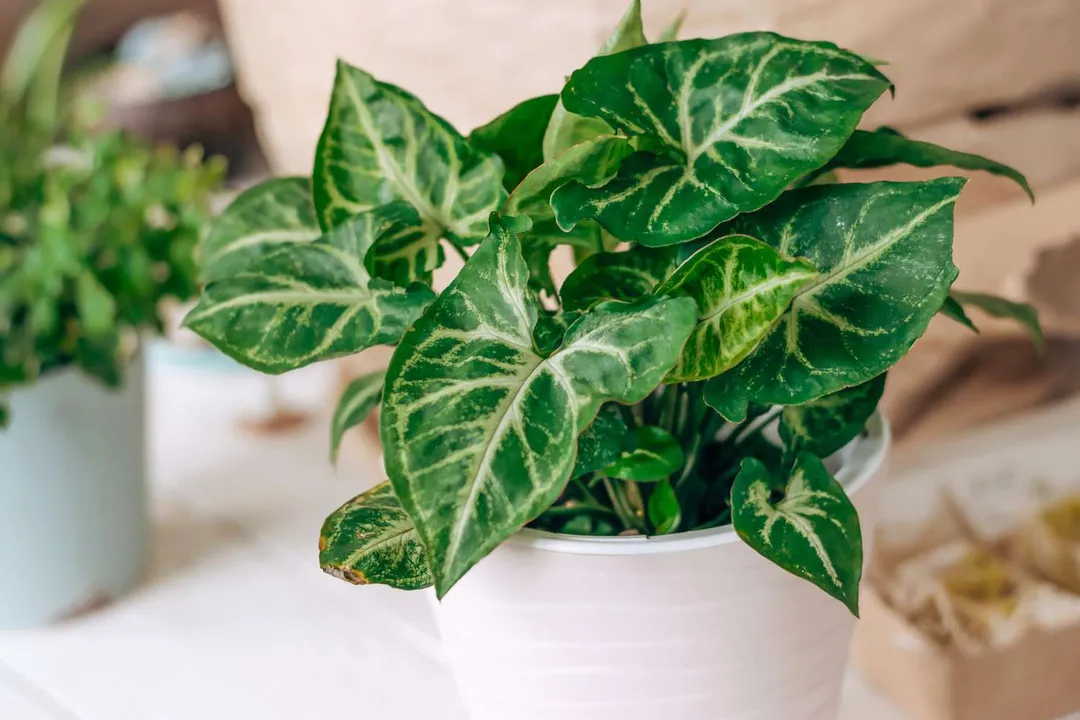
The arrowhead plant, known botanically as Syngonium podophyllum, has become a common sight in many indoor gardening setups, appreciated for its attractive, changing foliage and relatively simple upkeep. [3][4][5] Many houseplant enthusiasts seek out greenery specifically for its reported ability to refresh indoor atmospheres, leading to the frequent question of whether this popular vine genuinely contributes to cleaner air quality. [6][8] Answering this requires looking closely at its reputation within the context of known air-filtering flora.
# Filter Potential
The belief that the arrowhead plant cleans the air is quite prevalent among plant sellers and general houseplant guides. [3][7] It is frequently mentioned on lists naming top air-purifying houseplants recommended for achieving a fresher living space. [8] Some sources specifically highlight its "air-filtering qualities" alongside its beneficial Feng Shui properties. [5][6] This positive association suggests that when placed indoors, Syngonium podophyllum is expected to offer some degree of atmospheric improvement, making it a favored choice for home decorators aiming for both aesthetics and potential wellness benefits. [3]
# Known Benefits
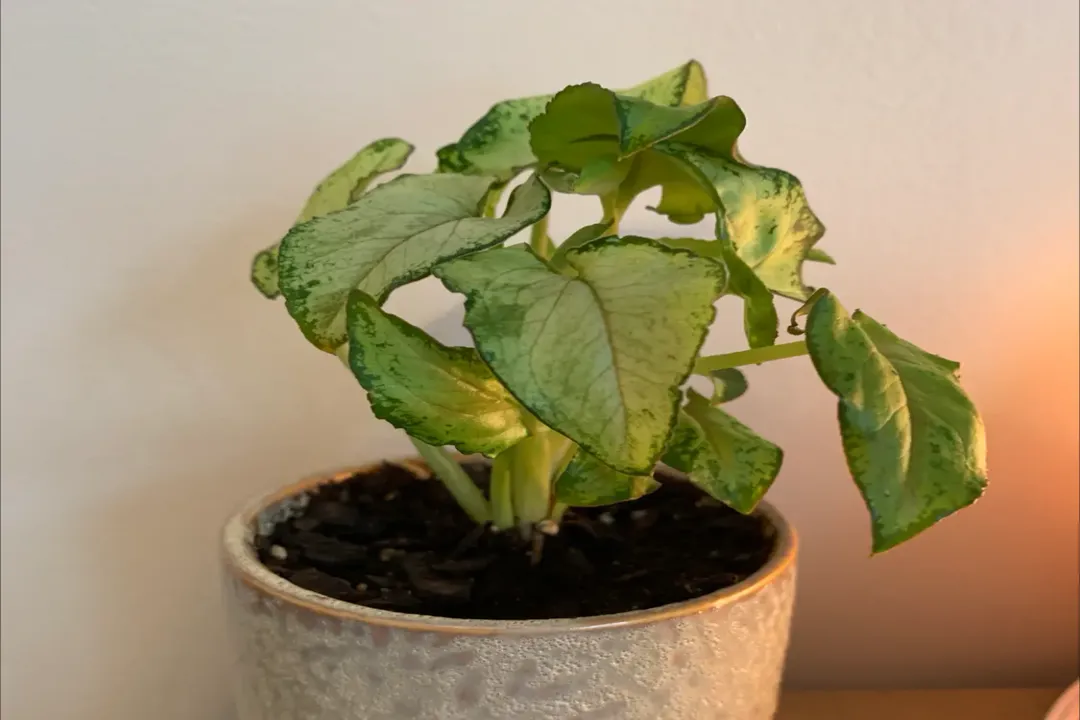
While various sources confirm the plant’s status as an air purifier, the specific toxins it targets or the extent of its removal capabilities are often grouped under general advantages rather than detailed pollutant breakdowns. [3][5][8] It is often categorized alongside plants confirmed to remove common household volatile organic compounds (VOCs), even if the specific studies focusing only on Syngonium are not always cited in every guide. [7] Its inclusion on these curated lists implies that it successfully meets established criteria for air-cleaning houseplants. [8] For many casual growers, seeing it listed as an air purifier is confirmation enough, especially since it is also praised for being "hard to kill" and suitable for beginners. [3][5]
It is worth noting that the concept of houseplants purifying air often stems from foundational research, such as the well-known NASA Clean Air Study. While many modern plant recommendations borrow from that established field, an arrowhead plant’s efficacy in a standard home environment—which differs vastly from a sealed laboratory chamber—can vary significantly based on soil microbes, air circulation, and plant density. [1] An effective strategy for maximizing any plant’s air interaction is ensuring sufficient leaf surface area is exposed to the room's air volume, meaning a well-established, vining specimen will theoretically interact with more air than a small, newly potted cutting.
# Care Necessities
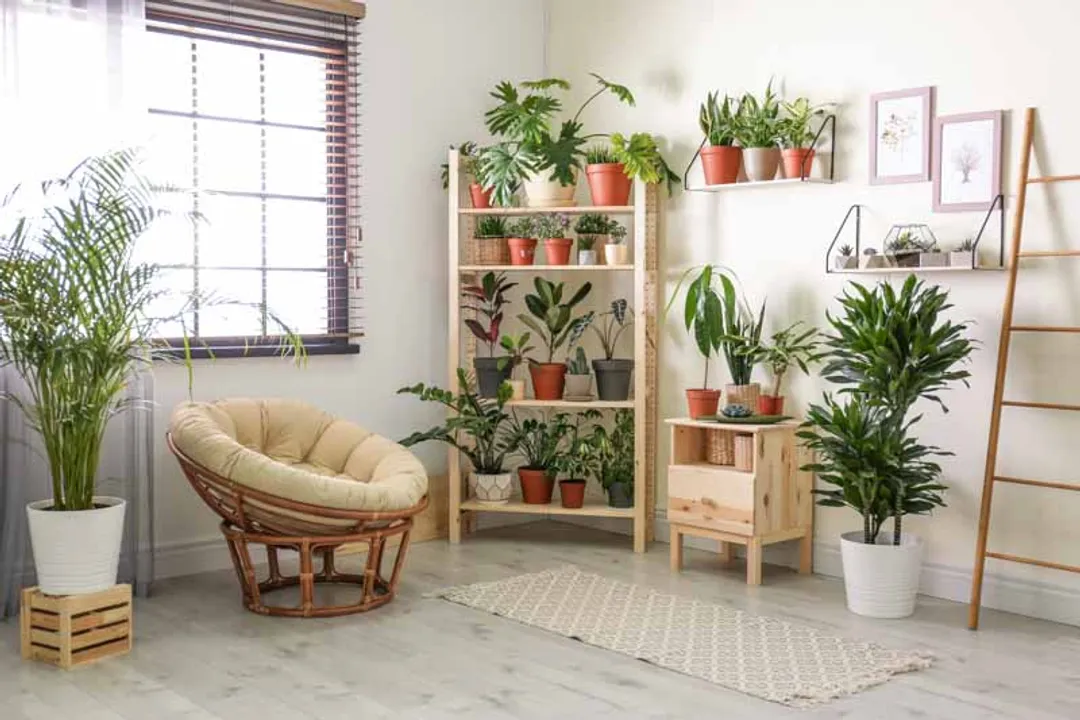
For any houseplant to perform optimally—whether that involves filtering toxins, transpiring moisture, or simply thriving—it requires appropriate care. [4][9] The arrowhead plant is generally forgiving, which adds to its appeal for those desiring low-maintenance greenery. [5][9]
# Light Needs
Syngonium podophyllum prefers an environment with bright, indirect light. [4] While it can survive in lower light conditions, a noticeable reduction in growth rate is common when light levels are consistently too dim. [4] Sufficient light supports photosynthesis, which is the basic life process that underpins any plant's overall health and its ability to engage with its environment. [6]
# Watering Habits
Regarding moisture, the recommended approach is to allow the top one to two inches of potting mix to dry out between waterings. [4] This prevents the roots from sitting in overly saturated soil, a common cause of issues for indoor plants. [9] Though it appreciates humidity, the plant is generally adaptable to the average humidity levels found in most homes. [4]
# Toxicity Warning

Despite its domestic charm and alleged air-cleaning attributes, potential owners must acknowledge a significant safety consideration: the arrowhead plant is toxic. [4] This is a crucial point of contrast when balancing its benefits against household safety, especially for homes with curious pets or young children. [4]
The plant contains insoluble calcium oxalate crystals within its tissues. [4] If ingested, these sharp, microscopic structures can cause immediate irritation, burning sensations in the mouth and throat, and subsequent digestive tract upset. [4] Therefore, while it cleans the air, it cannot be safely placed where chewing or ingestion is possible. [4]
| Feature | Description | Care Implication |
|---|---|---|
| Toxicity | Contains calcium oxalate crystals [4] | Keep out of reach of pets and children [4] |
| Growth Habit | Trailing vine [6][9] | Ideal for hanging baskets or trellises [6] |
| Light Preference | Bright, indirect exposure [4] | Avoid direct, harsh afternoon sun |
| Watering Rule | Let top 1–2 inches dry [4] | Prevents root saturation and decline |

# Placement Strategy
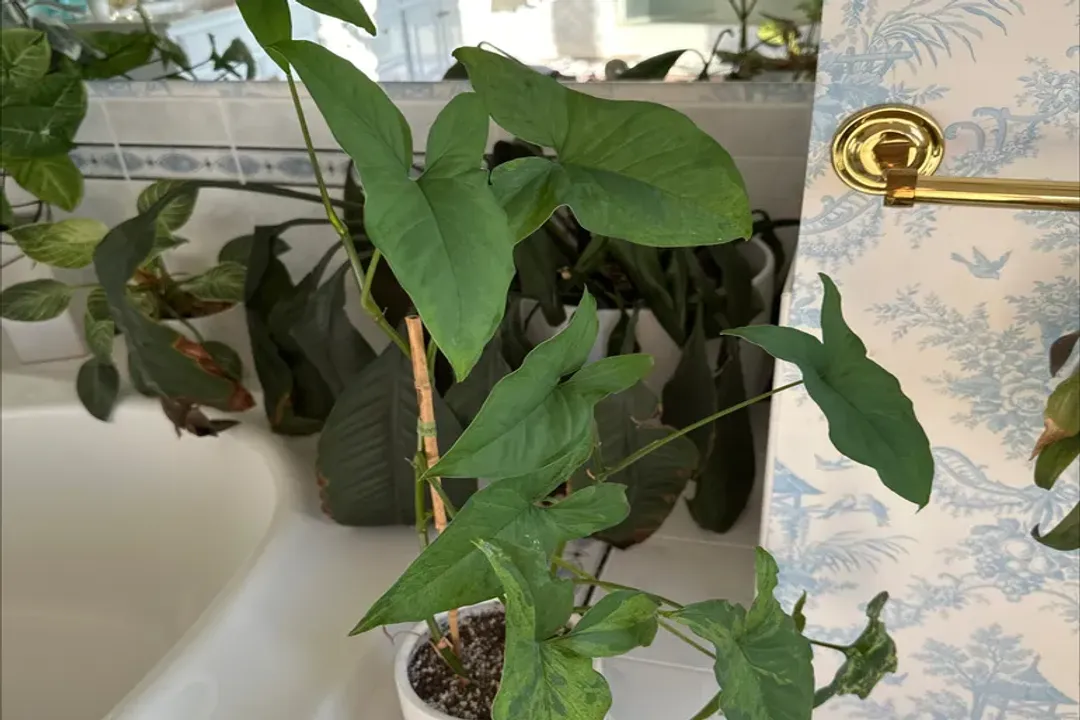
Considering that the arrowhead plant grows as a vine, its physical configuration offers an interesting opportunity for placement that goes beyond simply setting it on a shelf. [6][9] For readers interested in maximizing air-plant interaction, positioning the Syngonium where it can trail is beneficial. Placing it on top of a tall bookcase or in a hanging planter allows the vines to drape downwards. This increases the total leaf surface area that is not pressed against furniture or crowded against a wall, potentially allowing for better air circulation around the foliage, which is where gas exchange occurs. [6] While the sources confirm its air-purifying designation, optimizing its environment through strategic vertical placement can enhance its overall performance within the room's air currents.
# Feng Shui Aspect
Beyond the tangible benefits of foliage and potential air quality adjustments, the arrowhead plant also carries positive associations in traditional practices. [5] It is sometimes referenced as a good Feng Shui plant, suggesting it is thought to bring beneficial energy or balance to a space where it is kept. [5] For many, this layer of cultural or spiritual significance adds value to its presence indoors, complementing its visual appeal and ease of care. [3][5]
Related Questions
#Citations
10 Benefits Of Having An Arrowhead Plant - Greg
Arrowhead plant air-purifying qualities - Facebook
Syngonium Plant Benefits: The Best Air-Purifying Indoor Plant
Arrowhead Plant 101: How to Care for Arrowheads | Bloomscape
Syngonium: The Feng Shui, Air Purifying and Hard to Kill Plant
The Perfect Air-Purifying Plant! #syngonium #airpurifyingplants ...
Exploring the Top Benefits and Care Tips for Arrowhead plant to ...
Best Indoor Plants for Cleaner Air - Gardenia.net
Arrowhead plant care: Tips for a thriving indoor vine - Growcycle