Which metal represents mangal?
The understanding of the Navagraha, the nine celestial bodies that influence human life in Hindu astrology, often leads to fascinating inquiries about their tangible connections in the material world, particularly concerning metals. When focusing on Mangal, the planetary representation of Mars, the question of its representative metal points directly to a common, yet functionally significant element: Copper. [1][3][4][9] This association is deeply embedded within the traditional framework that seeks to align planetary energies with specific earthly substances for symbolic balancing or amplification.
# Martian Drive
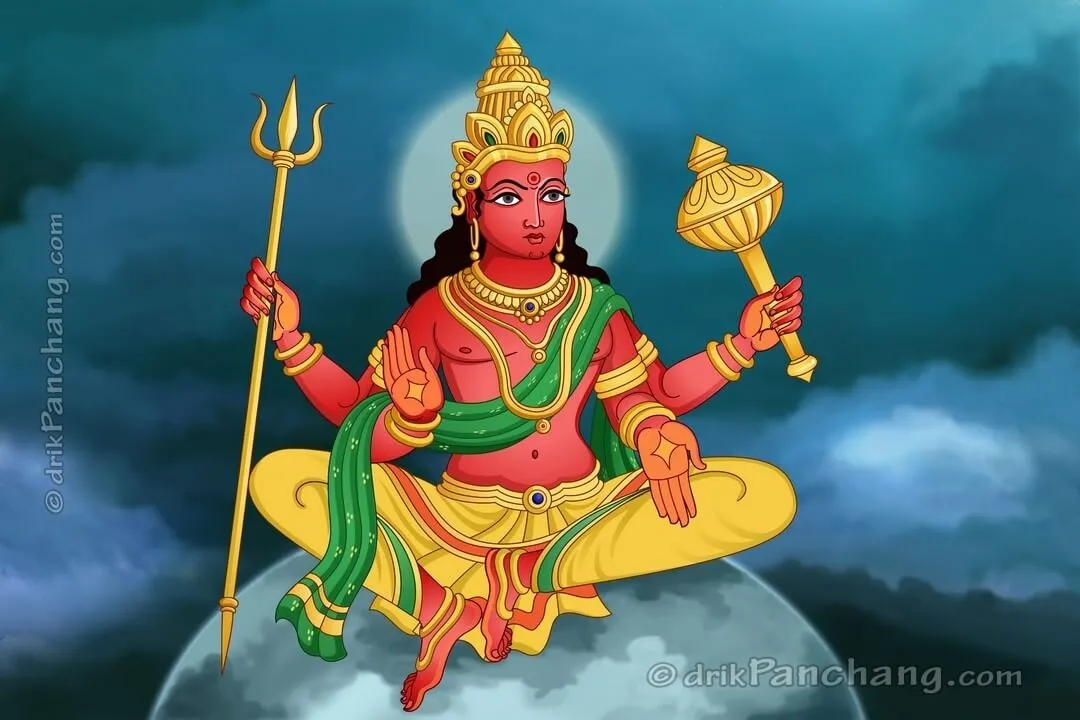
In the astrological schema, Mangal is far from a passive influence; it embodies raw, dynamic energy. It is often depicted as the commander of the celestial army, symbolizing attributes such as courage, aggression, drive, and intense physical strength. [2] This planet governs action and impetus, representing the very force that pushes an individual forward to achieve goals, sometimes through conflict or competition. [8] When this fiery, masculine energy is examined, its earthly counterpart—Copper—makes a surprising amount of sense, especially when contrasted with the associations of other, more "noble" planets.
# Copper Association
The consensus across various astrological sources firmly establishes Copper as the primary metal linked to Mangal. [1][4][9] This is not a mere suggestion but a traditional pairing that guides remedial measures and symbolic practice in Jyotish. For instance, gifting or wearing something made of Copper is often recommended to appease or strengthen the positive aspects of Mars in a person's chart. [4]
Unlike Gold, which might be linked to Jupiter, or Silver associated with the Moon, Copper is an accessible, conductive metal. Its placement within the planetary hierarchy of metals suggests a grounding mechanism for Mars’s high-octane energy. While the planet rules swift action and ambition, the metal provides the medium through which this energy is channeled into the physical realm. [3] This elemental connection is key to understanding remedial astrology, where the metal acts as a sympathetic conductor for the planet's influence. [1]
# Color Day
The energies of Mangal are not limited to metals; they are further expressed through distinct sensory markers, primarily color and the day of the week. Mangal is universally associated with the color Red. [3][5][9] This vibrant hue perfectly mirrors the planet's aggressive, fiery nature—think of blood, war, or intense heat. This association extends to the day designated for honoring Mars, which is Tuesday (Mangalvar). [3][5][9] Recognizing this triad—the planet, the metal (Copper), and the day/color (Tuesday/Red)—provides a complete symbolic picture of the Martian principle in operation.
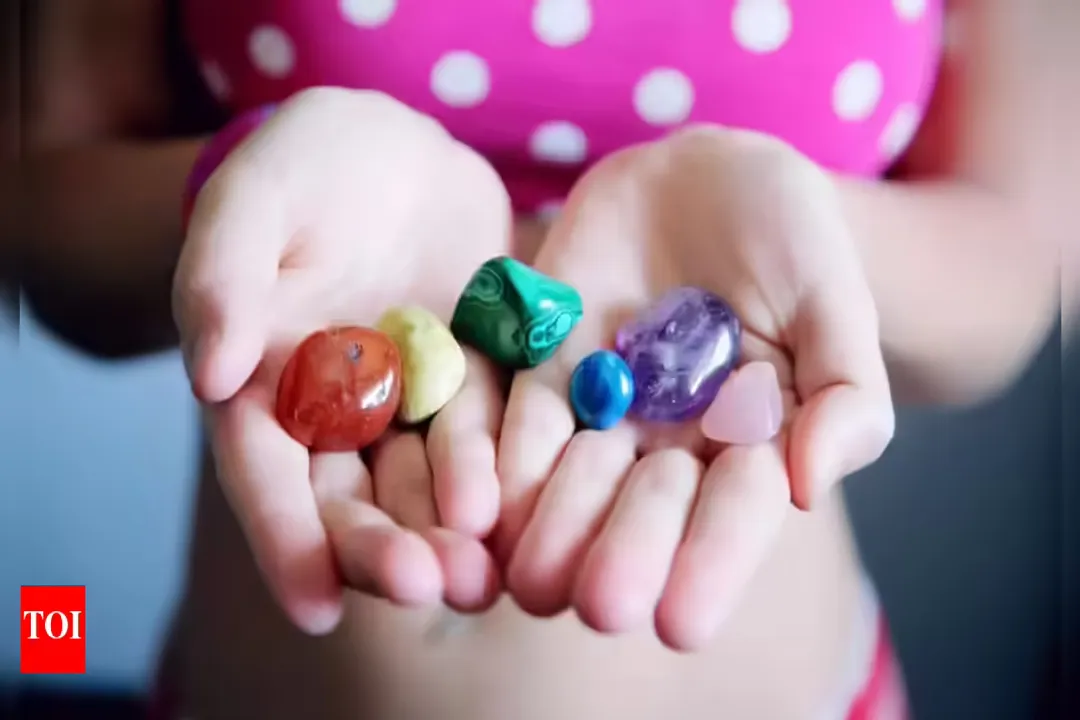
It is interesting to note that the Hindu tradition often pairs the metal with a specific gemstone to form a complete remedial set. For Mangal, the designated gemstone that complements Copper is the Red Coral. [1][4] This creates a sequence where the physical metal (Copper) anchors the energy, the color (Red) signifies its manifestation, and the gem (Red Coral) acts as a concentrated amplifier of its inherent power. [4]
# Symbolic Resonance
Considering the nature of Copper itself provides an entry point into why it represents Mars more effectively than, say, Iron, which might intuitively seem Martian due to its association with weaponry. Copper, however, possesses excellent thermal and electrical conductivity. [1] This characteristic of readily transferring energy aligns beautifully with Mars’s role as the planet of drive and immediate action. Copper transmits heat quickly and efficiently; similarly, Mars transmits the impulse to act without delay.
If we look at the common practice of adorning deities, the metal used often reflects the deity's primary characteristic. While Ares (the Greek equivalent) is linked to war and iron, Mangal’s expression in Vedic thought seems more concerned with the heat of energy and vitality rather than just brute force weaponry. The inherent warmth and relative malleability of Copper suggest that the energy it channels, while potent, can still be worked with and directed by the practitioner, unlike a more rigid material. It allows the Martian energy to flow through the devotee's sphere of influence rather than simply sitting inertly.
# Material Accessibility
Another factor worth considering is the material hierarchy of the Grahas. Not every planet is represented by the most expensive or rarest element. For example, the Sun is often linked to Gold, and the Moon to Silver. Copper, in historical context, was a foundational metal, critical for tools, coinage, and essential implements long before the widespread use of iron or steel in many ancient cultures. [3]
The fact that Copper is the metal for Mangal, a planet representing dynamic action and often the assertion of self in the material world, suggests that the energy it governs is meant to be actively engaged with, not locked away. You could argue that Gold or Platinum, representing more spiritual or rarefied energies, are meant to be held and contemplated, whereas Copper is meant to be used. This difference in material accessibility suggests a key difference in function: Mars wants you to do things in the world, and Copper is the metal that best symbolizes this active, working force. [9] It’s the metal of the doer, not just the thinker.
# Deity Connection
To fully map the representation of Mangal, one must also acknowledge its divine connections within the Hindu pantheon. Mangal is frequently linked to Lord Hanuman, the monkey deity celebrated for his immense strength, devotion, and unwavering courage. [6][9] Hanuman’s exploits are characterized by explosive energy bursts—leaping across oceans and carrying mountains. This narrative perfectly aligns with the Martian qualities of boundless, almost superhuman exertion, which are channeled, symbolically, through the metal Copper and the color Red. Understanding that the energy we are attempting to balance through the metal is the same energy embodied by Hanuman reinforces the intensity and protective nature associated with this planet.

# Synthesis of Attributes
The representation of Mangal is a carefully constructed astrological alignment where no single element stands alone. It is the combination of the planet’s function, its sensory markers, and its physical correlatives that complete the picture.
| Planetary Attribute | Mangal (Mars) Association | Source of Energy |
|---|---|---|
| Metal | Copper | Conduction of action/vitality [1][4] |
| Gemstone | Red Coral | Concentrated amplification [1][4] |
| Day | Tuesday (Mangalvar) | Designated time for influence [3][5] |
| Color | Red | Visual representation of fire/aggression [3][9] |
| Deity | Lord Hanuman | Embodiment of strength and action [6][9] |
This table illustrates that the metal Copper is just one necessary component in aligning with the powerful, assertive energy of Mars. When practitioners look to manage Martian influences—perhaps seeking more courage or tempering excessive anger—they look at the whole system: the day they perform rituals, the color they wear, and the metal they might wear or donate. [2][5]
Ultimately, the metal that represents Mangal is Copper because it mirrors the planet’s active, conductive, and vital essence within the physical world, distinguishing it from the more subtle or static energies represented by other planetary metals. It provides the conductive bridge between celestial action and earthly experience. [3][9]
Related Questions
#Citations
Planet Mars ( Mangal ) - Rudraksha Center
Lord Mangala | Mangal Deva - Drik Panchang
STELLAR INDIA : MARS – Lord Mangal - Indrajit Rathore
Planetary Metals and Their Gemstone Companions in Astrology
All about the planet Mars and its association with Tuesdays...
Planet Mars in Indian Astrology – Significance, Effects & Remedies
Planetary symbols - Wikipedia
What does Mars represent in astrology - Reddit
Mars - Astro Isha