What is being done to stop the tree-of-heaven?
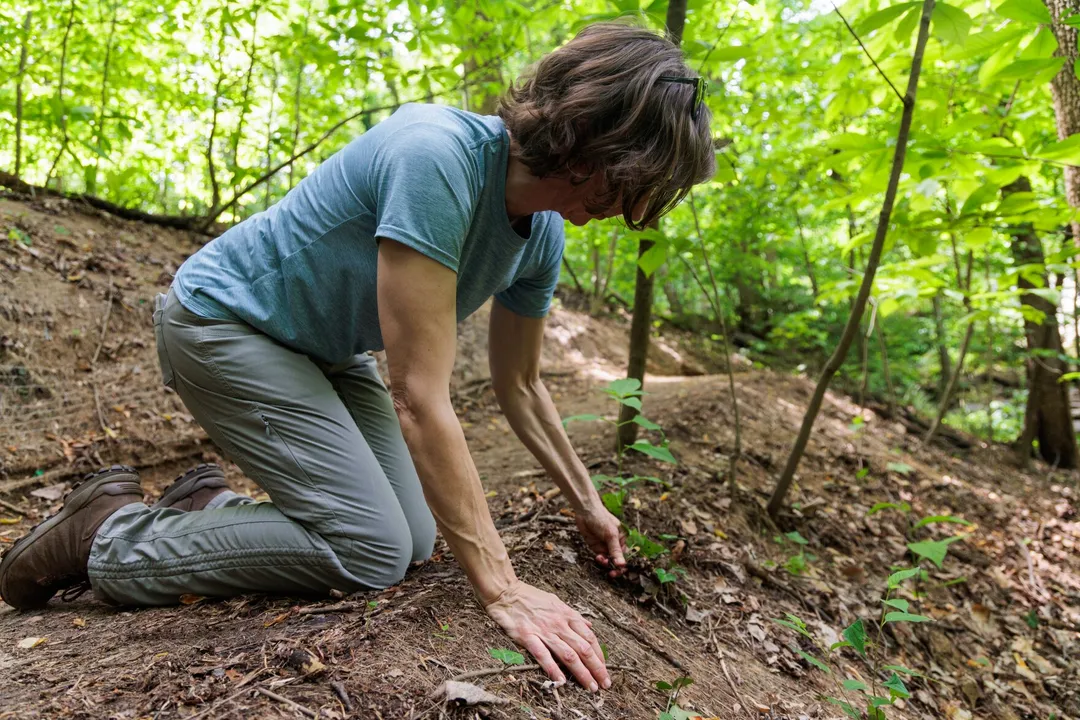
The tree-of-heaven, Ailanthus altissima, presents a significant ecological challenge across many regions, prompting widespread efforts to manage and eradicate this aggressive invasive species. Its reputation as a "scourge" in landscapes stems from its ability to quickly colonize disturbed areas, often outcompeting native flora through rapid growth and chemical warfare, known as allelopathy. Recognition of its threat has spurred various control strategies implemented by landowners, municipal organizations, and invasive species task forces. These coordinated efforts are necessary because simply cutting down a mature specimen rarely solves the problem; the roots remain highly capable of sending up a dense array of vegetative sprouts known as root suckers.
# Cutting Methods

When addressing a single, isolated tree or small infestations, mechanical removal serves as the first step, though it must be immediately followed by follow-up measures to address the root system. Completely removing the tree, including the roots, is the most definitive mechanical approach, but this can be difficult and disruptive, especially for large, established specimens.
For smaller trees or saplings, simple cutting can be effective if followed immediately by aggressive treatment of the remaining stump and root system. If a tree is cut down without immediate chemical intervention, the remaining root crown will likely generate numerous suckers from the base, demanding constant re-cutting until the root reserves are exhausted—a long and often frustrating process for property owners.
A specialized mechanical tactic gaining traction involves basal scoring. This technique aims to disrupt the flow of nutrients and water within the tree, essentially girdling it from the base without fully severing the trunk. In some control projects, professionals might employ methods like using a chainsaw to cut deep notches or scoring around the entire base of the trunk before applying herbicide directly to the exposed wood. This method capitalizes on the tree's vascular system to draw the chemical treatment down into the roots effectively.
# Chemical Assault

Because the tree-of-heaven can rapidly regenerate from the root system after being cut, chemical treatment is often considered essential for long-term control, particularly for mature trees. Successful chemical control hinges on selecting the right product and applying it at the optimal time of year.
# Herbicide Application
Several herbicide treatments are recommended, often focusing on formulations containing triclopyr or glyphosate, though specific product recommendations vary by location and local regulations. The application method is as crucial as the chemical choice:
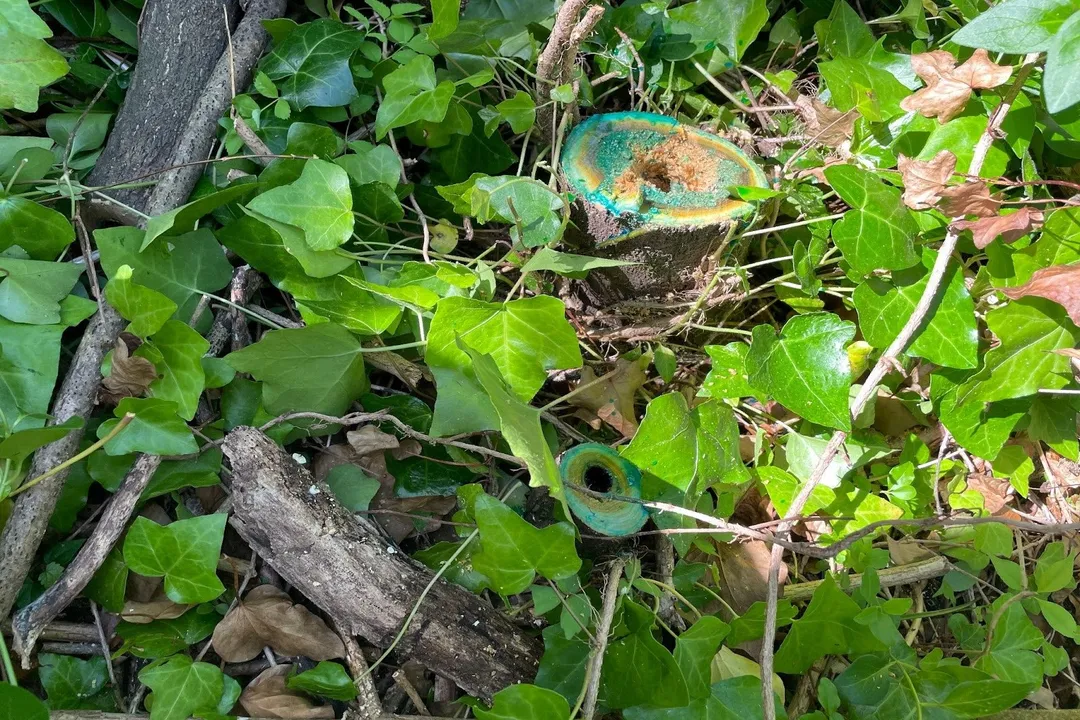
- Cut-Stump Treatment: This method involves immediately applying an undiluted herbicide to the freshly cut surface of the stump, usually within five minutes of the cut, to maximize absorption before the tree seals the wound. The goal is to move the active ingredient directly to the roots.
- Basal Bark Treatment: For trees with desirable bark characteristics—meaning bark that is not too thick or mature—herbicides mixed with an oil carrier can be sprayed directly onto the lower 12 to 18 inches of the trunk. The oil helps the chemical penetrate the bark layer. This avoids the need to fell the tree first, allowing the chemical to be translocated naturally throughout the root system.
# Timing Matters
One of the most significant pieces of advice from extension services concerns when to apply systemic herbicides. The tree-of-heaven's physiological state dictates the success rate of chemical intervention. Treatments are most effective in the late summer or early fall. At this time, the tree is naturally moving photosynthesized sugars down toward the roots in preparation for winter dormancy. Introducing the herbicide during this downward flow ensures the chemical is carried directly to the living root tissues, leading to root kill rather than just top-growth dieback.
If a property owner is removing a tree in the spring or early summer, they should expect prolific suckering because the tree is directing energy upward for leaf production. Treating during the growing season might only kill the visible sprouts, leaving the robust root system intact to send up new growth later.
It can be helpful for landowners to monitor local vegetation patterns. Since the best treatment window aligns with the tree’s natural resource allocation cycle, a very practical local tip is to treat immediately following the first few hard frosts in the area, rather than relying strictly on calendar months, ensuring the tree is actively drawing resources below ground.
# Persistence Challenge
The sheer vigor of Ailanthus demands persistence, which often frustrates homeowners. Even after successful chemical treatment of the main trunk, landowners must remain vigilant for several growing seasons. Saplings can emerge from root fragments that were missed or from seeds already dispersed in the soil. A single mature tree can produce hundreds of thousands of seeds annually, which are easily spread by wind and water. Therefore, a successful eradication campaign requires a multi-year commitment to surveying the area and immediately treating any regrowth.

# Regulatory Response
Beyond individual homeowner efforts, municipal and state agencies are actively involved in controlling the spread of tree-of-heaven, recognizing its environmental and structural impacts. In some areas, management of this tree has become intertwined with broader ecological protection goals.
For instance, in regions like Virginia, the removal of tree-of-heaven is being actively promoted in part because of its association with the invasive Spotted Lanternfly (SLF). The SLF uses Ailanthus as a preferred host plant, meaning that reducing the population of the tree can play a supportive role in managing the insect population. This connection transforms the fight against the tree from a simple landscape management task into a broader effort to protect agriculture and native ecosystems from secondary pests. Control projects by groups like the UCDWA (Upper Clark Fork Drainage Watershed Alliance) demonstrate community-level organization aimed at systematically addressing infestations within watersheds.
These organized efforts often involve mapping known infestations, prioritizing high-value natural areas, and sometimes securing funding for large-scale removal projects where private landowners might lack the resources or expertise.
This coupling of invasive tree removal with vector control—managing the Spotted Lanternfly—highlights an important strategic shift. Fighting Ailanthus is no longer solely about ecological restoration or property aesthetics; in many locales, it is viewed as a necessary line of defense against economic disruption caused by associated pests. This elevated status often garners more public support and resources for sustained control programs.
# Comparing Control Efficacy
The choice between methods often comes down to the scale of the infestation, available resources, and desired speed of results.
| Control Method | Best Application | Time to Root Kill | Persistence Risk |
|---|---|---|---|
| Full Stump/Root Removal | Small, isolated trees | Immediate (but often impractical) | Low, if root fragments are completely removed |
| Basal Bark Treatment | Medium trees, sensitive areas | Moderate (weeks to months) | Moderate; risk of missing root sections |
| Cut-Stump Treatment (Fall) | Large, mature trees | Highest probability of success | Moderate; requires vigilant monitoring for suckers |
| Repeated Cutting | Budget/chemical-free areas | Very long (years) | High; energy stored in roots drives continuous sprouting |
While complete mechanical removal offers the quickest visual result, the labor and potential soil disturbance make it difficult to implement widely. Chemical control, when timed correctly in the late season, offers the best chance of achieving total root mortality without major excavation. However, even when using the best chemical timing, treating every stump and monitoring the perimeter is non-negotiable.
Controlling the tree-of-heaven requires an integrated pest management mindset, where mechanical removal clears the canopy, and precise chemical application ensures the root crown is neutralized, followed by years of watchful monitoring against the tenacious regrowth. Organizations and concerned citizens must commit to this long-term battle against a species known for its extraordinary resilience.
Related Questions
#Citations
Tree of Heaven: Control Strategies - Penn State Extension
How to Remove Tree of Heaven - Trees Atlanta
What is the best way to eliminate the scourge Tree of Heaven from ...
Tree of Heaven Control Project - Underwood Conservation District
Elimination of Tree-of-Heaven (Ailanthus altissima)
How to effectively kill and remove Tree of Heaven? - Facebook
Tree-of-Heaven | National Invasive Species Information Center
What's being done to manage tree of heaven? - VPM.org
Trees of Heaven will be removed from parks. Here's why