What do tulips attract?

The vibrant flush of color marking the arrival of spring often centers around the iconic tulip, but beyond the aesthetic appeal they offer human admirers, these bulbs interact with a surprising array of wildlife. When we consider what tulips attract, the answer branches into beneficial partnerships, like early-season pollinators, and the less welcome attention from garden mammals and insects. Understanding these interactions helps gardeners decide where and how to plant their bulbs for the best ecological outcome.
# Pollinator Visits
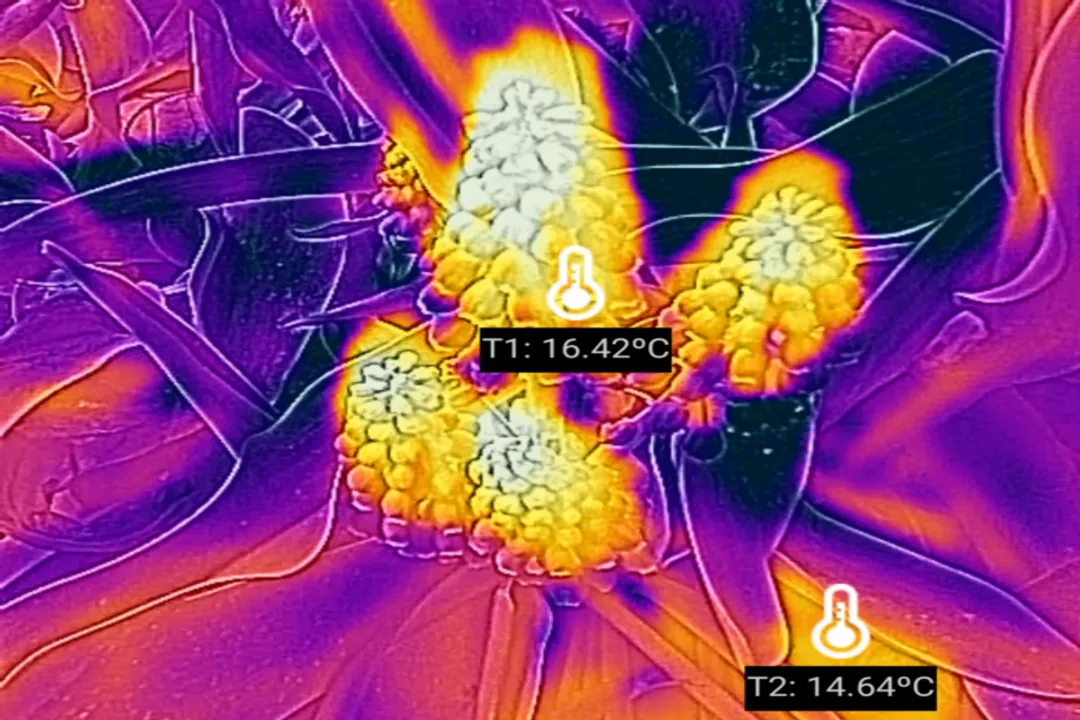
Tulips bloom quite early in the season, a characteristic that gives them a distinct, if limited, role in the pollinator world. For many bees, especially honeybees and bumblebees that are just emerging after winter dormancy, the earliest flowers are critical sources of sustenance when other options are scarce. The bright colors of tulip blossoms—reds, yellows, purples—are highly visible and attractive to these flying insects.
However, the overall value tulips provide to a bee colony is often a subject of minor debate among growers. Some gardeners note that tulips offer relatively little in terms of rich resources. While tulips certainly possess both pollen and nectar, the nectar count tends to be low. This means that while a foraging honeybee can certainly sustain itself on the small amounts available, the flower doesn't offer enough nectar to make it worthwhile for the bee to collect and haul back to the hive in significant quantities.
If you focus on attracting the maximum number of bees and butterflies, experts suggest that other springtime bloomers like Crocus or Grape Hyacinth (Muscari) might be better choices overall, as they often provide more accessible or richer rewards. Yet, this doesn't mean tulips are useless. A key benefit is timing; when those first few warm days hit, the scarcity of available food means even a small offering from a tulip can be life-saving for a newly awakened bee. Furthermore, if you examine the center of a tulip, you can often see black anthers heavily coated in pollen, which is a necessary protein for bees. Certain colors are more effective, as bees can detect the ultraviolet light reflected by violet shades, making varieties in shades of violet particularly good targets. For those prioritizing pollinators, planting early-blooming tulip varieties alongside other bulbs like daffodils or hyacinths ensures a more continuous food supply as the season progresses.
# Insect Shelter
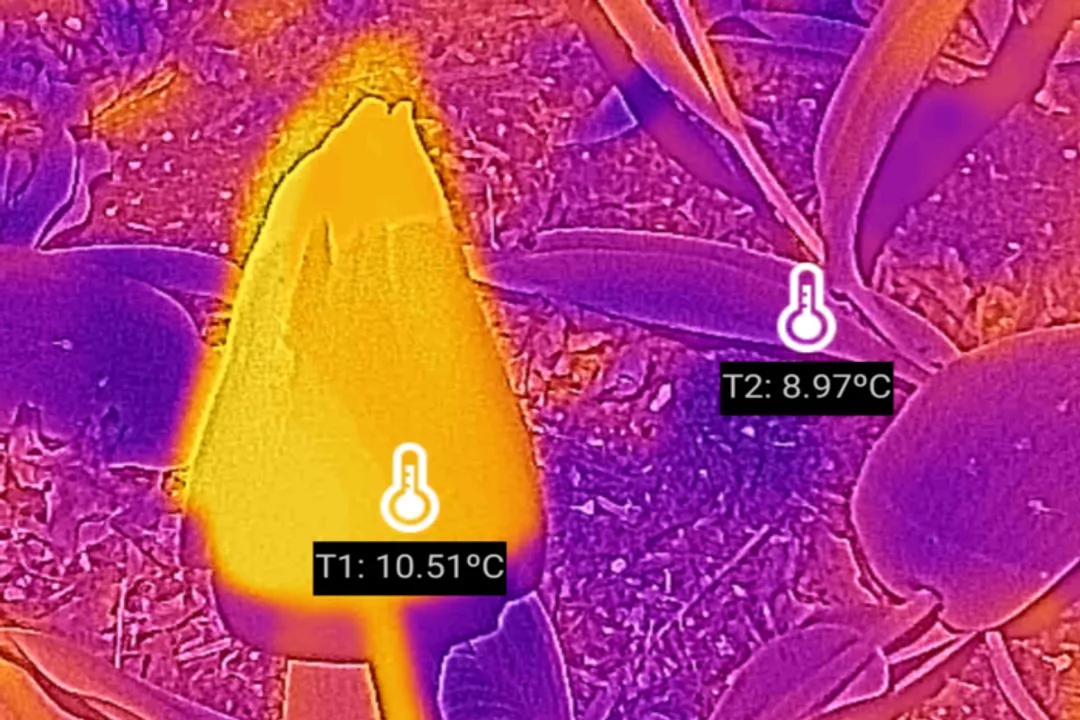
Beyond simple foraging, tulips exhibit a fascinating, less obvious attraction for certain insects: they offer thermal regulation. Tulips are known for their dramatic behavior of opening their blooms during the day and closing them tight at night. Scientific observation using infrared cameras reveals a potential reason for this behavior that benefits insects.
When the sun shines, the inner structure of the tulip, particularly the gynoecium (the central seed-bearing part), absorbs solar radiation and warms up considerably. In some cases, the black center of a tulip was measured as more than warmer than the petals, and in deeper, bowl-shaped flowers, the difference could reach . This heat is not immediately lost when the sun goes down. Thermal images taken late at night show that the flowers remain substantially warmer than the surrounding leaves—sometimes by or more—acting as small, localized heat reservoirs.
For a small insect facing a chilly spring evening, these warm, closed tulip blossoms become inviting, cozy "hotel rooms". By taking shelter inside this natural heater overnight, the insect receives a benefit, and, in return, it provides the tulip with essential pollination services the next day—a truly reciprocal relationship. It stands to reason that tulips might remain closed on heavily overcast or rainy days because there is simply no solar energy available to collect and store, making the nightly 'hotel' service unavailable.
# Pest Issues
While tulips draw in beneficial visitors, they are equally famous for attracting creatures that gardeners might prefer to repel. A common complaint among new gardeners planting spring bulbs is the disappointing lack of pollinators accompanied by an unwelcome surge in other flying insects, such as crane flies. Crane flies are often abundant in spring, and their presence may correlate with damp soil conditions, rather than a specific attraction to the tulip flower itself.
Mammalian pests are also keenly interested in the bulbs underground. Garden reports frequently mention squirrels finding and digging up newly planted bulbs with great enthusiasm. If you are focused purely on seeing the bloom, remember that the underground bulb is a concentrated food source that many local rodents view as a desirable snack, meaning protection measures may be necessary during the planting phase.
# Poplar Distinction
A source of potential confusion when discussing what is attracted to "tulips" is the common name for the Liriodendron tulipifera, commonly known as the Tulip Poplar or Tulip Tree. This large tree produces flowers that resemble tulips, and these blossoms certainly attract their own colorful visitors, which are attracted to the tree’s offerings, not the low-growing Tulipa flower. When assessing your garden visitors, it is important to correctly attribute wildlife sightings to the correct plant species, ensuring that the efforts you make to support the flower attract the intended pollinators rather than visitors drawn to a nearby large deciduous tree.
# Planning Blooms
The relationship between tulips and the creatures they attract is intrinsically linked to their place in the garden's timing. Because tulips are among the first flowers to open, they often provide a vital, early-season resource for emerging bees, even if the nectar reward is low. Knowing that these flowers double as excellent, albeit temporary, warm shelters at night reinforces the value of having them bloom when evening temperatures still dip significantly.
When designing a springtime display, consider this balance. If the goal is maximum early-season bee activity, pairing early tulips with early-flowering companion bulbs like crocus or grape hyacinth will create a sequence of available food sources. However, if your primary goal is supporting a robust local honeybee population that needs to collect significant stores of food, diversifying your early spring garden with high-nectar alternatives remains a sound strategy, as the tulip is better suited as a supplementary stop rather than a primary forage location. Furthermore, while the flower attracts wildlife, protecting the bulb from digging pests like squirrels requires attention to planting depth or perhaps using deterrents like sharp gravel or chicken wire cages placed just above the planted bulbs before the final layer of soil covers them. The joy of watching a tulip bloom is enhanced by understanding the whole ecosystem it supports, from the warm insects tucked inside its petals to the first hungry bee that lands on its early bloom.
Related Questions
#Citations
Tulips are the Bee's Knees for Spring Pollination // Guest Blog
The Benefits of Growing Tulips and Daffodils in Your Garden
Do Tulips Attract Bees? Bees love the vibrant colors of Tulips!
Spring flower 21: Tulip - Bee the Best!
Why do Tulips Open in Sunlight and Close after Sunset?
What's going on? (First garden) my tulips and crocuses are thriving ...