What are the benefits of tall grass?
Allowing grass to grow taller than the typical manicured standard offers surprising advantages, moving beyond just aesthetics to impact the health of the turf, the local ecosystem, and your schedule. Whether you are managing a traditional residential lawn or caring for larger open spaces, taller blades deliver tangible benefits that shorter cuts often negate. [1][2] This approach shifts the perception of grass from a purely decorative element requiring constant upkeep to a more resilient, functional groundcover.
# Turf Health
One of the most significant immediate gains from letting grass blades lengthen relates directly to the plant's well-being. When grass is frequently cut very short—often referred to as scalping—it stresses the plant, making it work harder just to survive. [4] Short grass forces the plant to prioritize blade regrowth over root development. [4]
Conversely, maintaining a taller height encourages the grass to develop deeper, stronger root systems. [1][2][3] Think of it as a trade-off: the energy the plant would have spent regenerating the visible green parts after a close shave is instead directed underground. [4] These deeper roots provide better anchorage and access to water and nutrients located further down in the soil profile. [1][3] This inherent strength translates to turf that is naturally more resistant to common stressors. [4]
When considering how high to go, there is a general recommendation that the height of the blade should correspond to the depth of the root system; for example, if you leave one-third of the blade height, the root system should ideally be twice as deep as the remaining blade length, although this ratio varies by grass type. [4] Mowing higher promotes healthier growth across the board and can even act as a natural defense mechanism against unwanted invaders. Taller grass shades the soil surface more effectively, which inhibits the germination and growth of weed seeds. [4] If you are accustomed to fighting stubborn weeds with chemicals, simply adjusting your mowing deck upwards might reduce your reliance on them, as the established, healthy grass canopy outcompetes new sprouts for light. [4]
# Water Needs
The relationship between grass height and water conservation is direct and powerful. Because taller grass fosters deeper roots, the lawn becomes inherently more drought-tolerant. [1][2][3] When a dry spell hits, lawns with shallow roots quickly deplete the surface moisture and go dormant or brown because they cannot access reserves deeper in the soil. [1]
Lawns maintained at a greater height can sustain themselves on less frequent watering because their extensive root network acts like a more efficient sponge, drawing moisture from a wider soil volume. [3] This translates into tangible savings for homeowners and groundskeepers alike, reducing the need to run irrigation systems as often during periods of heat or drought. [2] This reduced water usage is not just economical; it is also an important ecological consideration, especially in regions where water restrictions are common or where groundwater resources are stressed. [1]
A helpful approach for transitioning a lawn, especially one previously kept very short, is to implement a "no-mow" zone in a less visible area first. Allow that section to reach its maximum natural height over a few weeks. Observing how well it tolerates a week without water compared to the tightly mown sections nearby offers a real-world demonstration of the root-depth benefit. [3]

# Maintenance Savings
Beyond water conservation, permitting the grass to grow taller significantly cuts down on the labor and mechanical wear associated with lawn upkeep. The most obvious saving is time spent mowing. [2] If grass is left a bit longer between cuttings, the frequency of mowing decreases noticeably. [1][2]
The benefit extends to the equipment itself. Constantly trimming very short grass dulls blades faster and puts more strain on the mower engine, as it has to process more material more frequently. [2] Allowing the grass to reach a healthy, longer state means the cutting process is less taxing on the machine, potentially extending the life of the blades and reducing the frequency of necessary servicing. [2] Furthermore, if the grass is allowed to grow slightly longer before cutting, the clippings tend to be smaller and decompose faster, returning nutrients to the soil without creating thick, suffocating mats on the surface, which can otherwise necessitate bagging or raking. [1]
# Wildlife Shelter
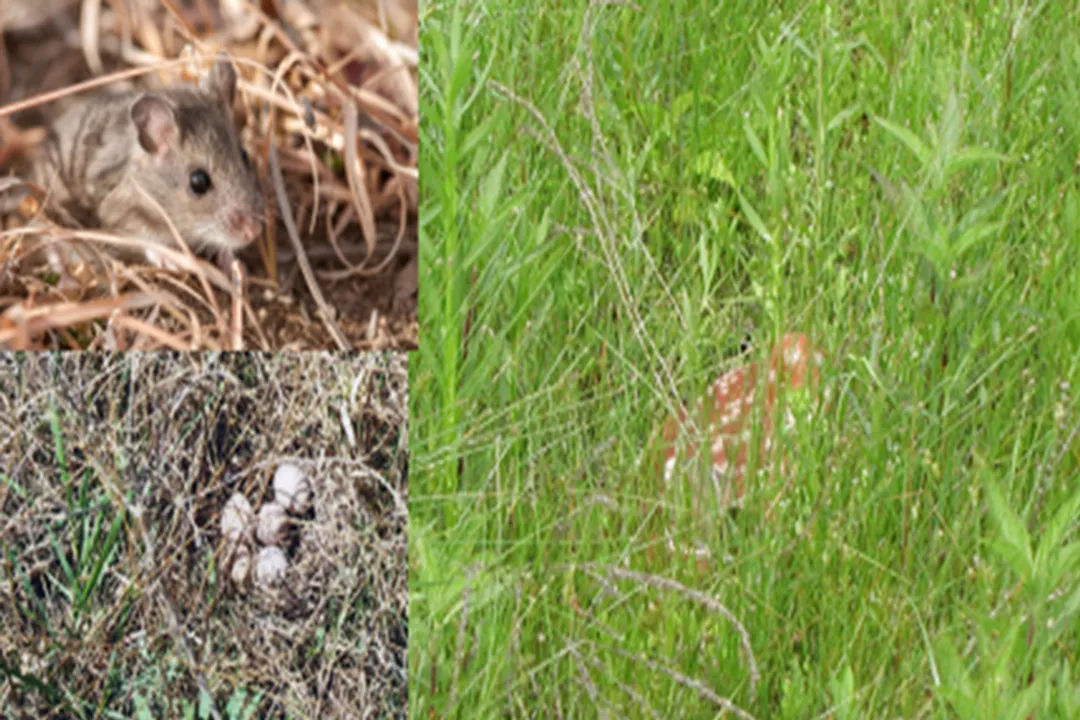
The advantages of longer grass become even more pronounced when we shift focus from managed turf to natural or semi-natural grassland environments. Uncut grasslands provide critical habitat and support local biodiversity in ways that regularly mown areas cannot. [6][7]
For insects, including vital pollinators, tall, undisturbed grass offers essential protection. [6] The dense structure provides cover from predators and harsh weather, and it can offer necessary surfaces for laying eggs or for the larval stages of development. [7] Similarly, small mammals find crucial refuge within the thick stalks and leaf litter of longer grasses, offering a place to hide from aerial predators like hawks or ground predators like foxes. [7]
For ground-nesting birds, uncut, taller vegetation offers both camouflage and a physical barrier against disturbance. [7] In these settings, the structure of the grass itself becomes a key part of the local food web, supporting invertebrates that serve as a food source for larger animals. [6] This ecological contribution is why many conservation efforts focus on preserving or restoring native tallgrass prairies or simply allowing field edges to remain untamed. [6]
# Soil Structure
Taller grass is fundamentally better for the ground underneath it. The extensive root systems mentioned earlier are not just good for drawing water; they are also vital for soil health and stability. [1][6]
As these deep roots grow, they penetrate and fracture the soil, creating channels that improve aeration and water infiltration. [1] When older roots die back naturally, they decompose, adding organic matter deep into the soil profile. [1] This organic material improves the soil's structure, increases its capacity to hold water, and provides a slow, steady release of nutrients for subsequent growth. [6] In grassland ecosystems, this effect contributes significantly to carbon sequestration, as the deep root mass locks carbon into the soil rather than releasing it through constant disturbance or excessive decomposition fostered by short mowing practices. [6]
This underground action is less visible than the green blades above, but it is arguably the most long-lasting benefit. Think of a well-established, tall grass pasture versus a yard that is mowed weekly down to the dirt; the former soil will absorb a heavy rainstorm much more effectively, leading to less surface runoff and erosion. [1]
# Ornamental Value
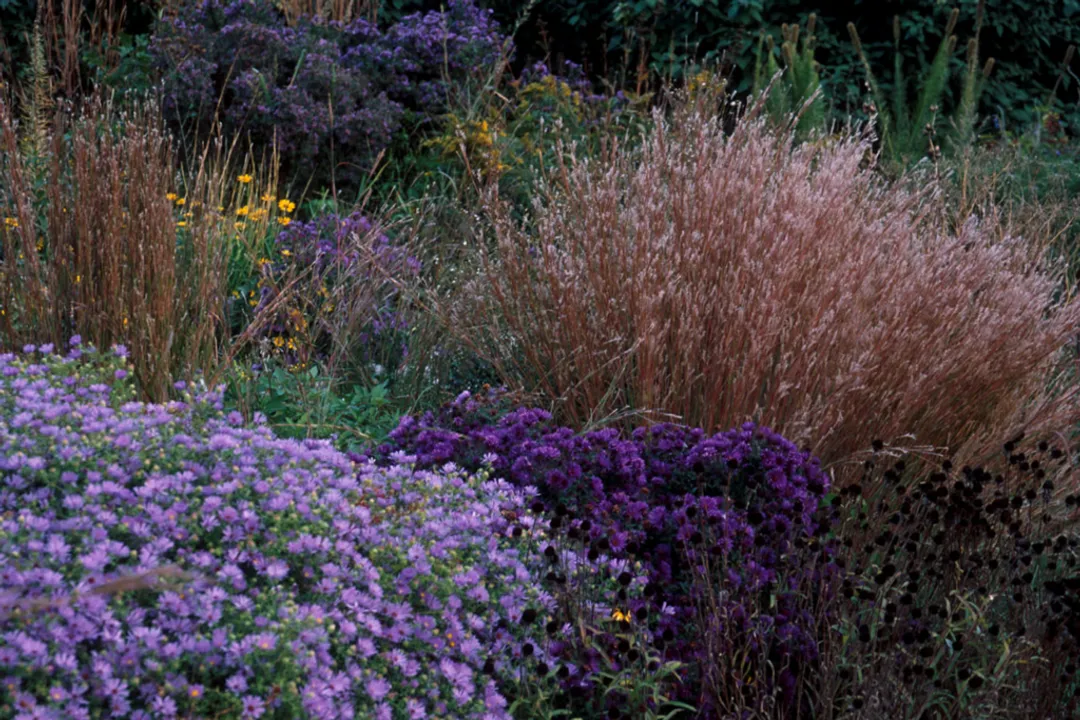
While many benefits center on utility, tall grasses also possess distinct aesthetic merits when used intentionally in landscape design, often categorized as ornamental grasses. [9] Unlike annual flowers that provide seasonal color, many ornamental grasses offer year-round visual interest, sometimes even providing winter structure after the first frost has turned the blades into delicate, dried sculptures. [9]
These grasses introduce movement into a landscape that static shrubs cannot match. A gentle breeze causes the plumes and stalks to sway, creating a dynamic texture and sound that adds sensory depth to a garden space. [9] They can be used strategically to soften hardscaping elements, provide natural screens, or create focal points due to their varying heights, textures, and colors, which range from deep greens to rusts and silvery blues. [9] The selection of specific ornamental varieties allows designers to capitalize on traits like feathery plumes or dramatic arching forms, features entirely absent when grass is kept uniformly short. [9]
Understanding the underlying mechanics—deeper roots for resilience, shade for weed suppression, and structural cover for wildlife—shows that letting grass grow is rarely about laziness; it is often a sophisticated choice that benefits the environment and reduces the burden of maintenance. [1][7]
#Videos
Benefits of Long Grass: More Photosynthesis, Deeper Roots, Less ...
Related Questions
#Citations
Let the grass grow - Sustainable Campus - Cornell University
4 Reasons Why You Should Keep Your Grass Length Long | Blog
THE SURPRISING ADVANTAGES OF LONGER GRASS BLADES
The Advantages and Disadvantages of Mowing High or Mowing Low
What are the benefits of letting grass grow tall? - Facebook
Grassland Benefits - Tallgrass Ontario
Wildlife benefits of uncut grasslands
Benefits of Long Grass: More Photosynthesis, Deeper Roots, Less ...
Advantages to Using Ornamental Grasses in the Landscape