How do sensory receptors adapt to stimuli?

The ability of our nervous system to process the constant deluge of information from the external and internal world relies not just on the initial detection of a stimulus, but critically on how that detection changes over time. If every flicker of light, every slight pressure on the skin, and every minute change in blood chemistry triggered a full-scale alarm in the brain, we would quickly become overwhelmed and unable to focus on novel or important events. This necessity for filtering leads directly to the fascinating biological process known as sensory adaptation.
# Sensory Basics
Sensory receptors are specialized cells or nerve endings designed to detect specific types of energy or chemical changes in the environment or within the body itself. [1][4] This detection process is called transduction, where the external energy—be it light, pressure, sound waves, or temperature—is converted into an electrical signal, or action potential, that the nervous system can interpret. [1][9]
These receptors are often grouped based on the type of stimulus they monitor, which defines the sensory modality being perceived. [8] Key categories include:
- Mechanoreceptors: Respond to physical deformation, such as pressure, vibration, stretch, or sound waves. Examples include those in the skin that sense touch and joint position, and the hair cells in the inner ear for hearing. [1][8]
- Thermoreceptors: Detect changes in temperature, allowing us to sense heat and cold. [1][8]
- Chemoreceptors: Respond to the presence of specific chemicals, responsible for our senses of taste and smell, as well as monitoring internal conditions like blood oxygen or pH levels. [1][8]
- Photoreceptors: Found in the retina of the eye, these receptors are specialized to detect electromagnetic radiation in the form of light. [1][8]
- Nociceptors: Often considered a type of mechanoreceptor or thermoreceptor, these are the pain receptors, responding to stimuli intense enough to cause potential or actual tissue damage. [1]
For a signal to be successfully transmitted, the receptor must generate a generator potential, which, if strong enough, triggers an action potential that travels along an afferent neuron to the central nervous system. [4] The intensity of the stimulus is generally encoded by the frequency of these action potentials; a stronger stimulus causes the neuron to fire more rapidly. [4] However, this coding system must account for the persistence of a stimulus.
# Signal Reduction

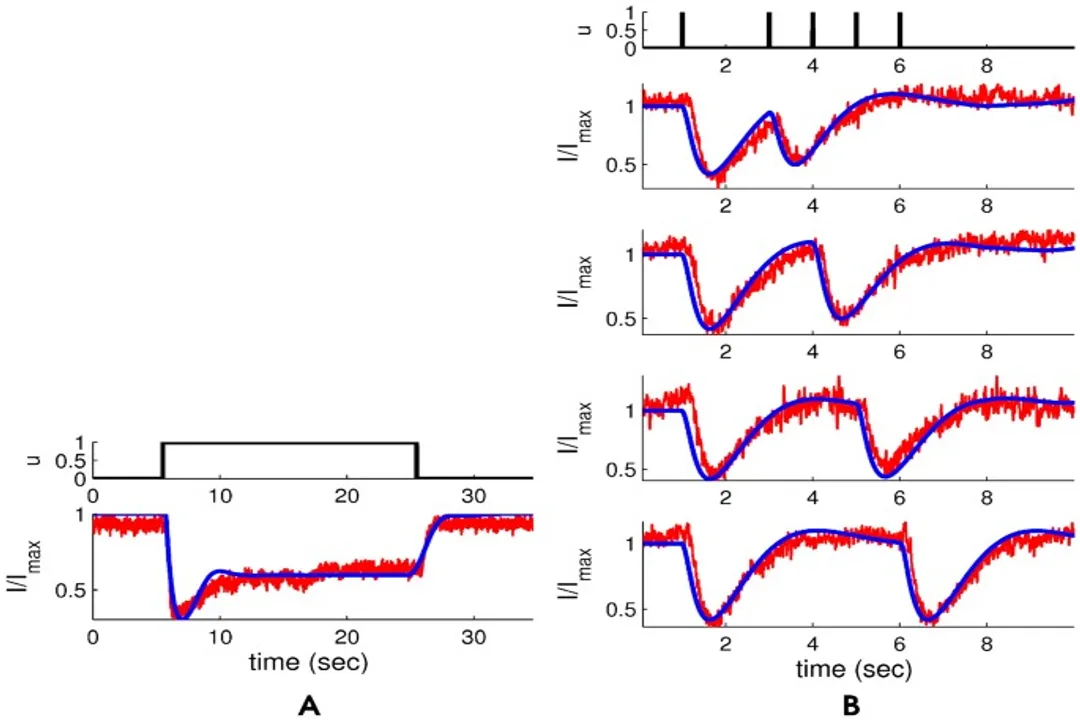
Sensory adaptation describes the process where the responsiveness of a sensory receptor decreases over time when it is exposed to a constant, unchanging stimulus. [2][5] Think about putting on a watch: initially, you might feel the weight and the pressure of the band against your skin, but after a few minutes, the sensation fades away almost completely, even though the watch has not moved. [2] This fading is adaptation at work.
The primary biological purpose of adaptation is efficiency. By reducing the firing rate to unchanging or irrelevant stimuli, the nervous system conserves energy and, more importantly, frees up neural resources to focus on changes in the environment. [3][5] If the stimulus remains constant, the receptors signal that "nothing new is happening here," allowing the brain to dedicate processing power to novel inputs, which might signify danger, opportunity, or a necessary reaction. [5]
Adaptation can occur at several levels within the sensory pathway. It can happen directly within the receptor cell itself, through changes in the membrane properties of the receptor, or further up the chain within the sensory neurons or associated neural circuits in the spinal cord or brainstem. [5] The effectiveness of this filtering system is so vital that in some contexts, like the muscle stretch reflex, the adaptation of certain afferent fibers can dictate the nature of the motor response. [5]

# Receptor Speed
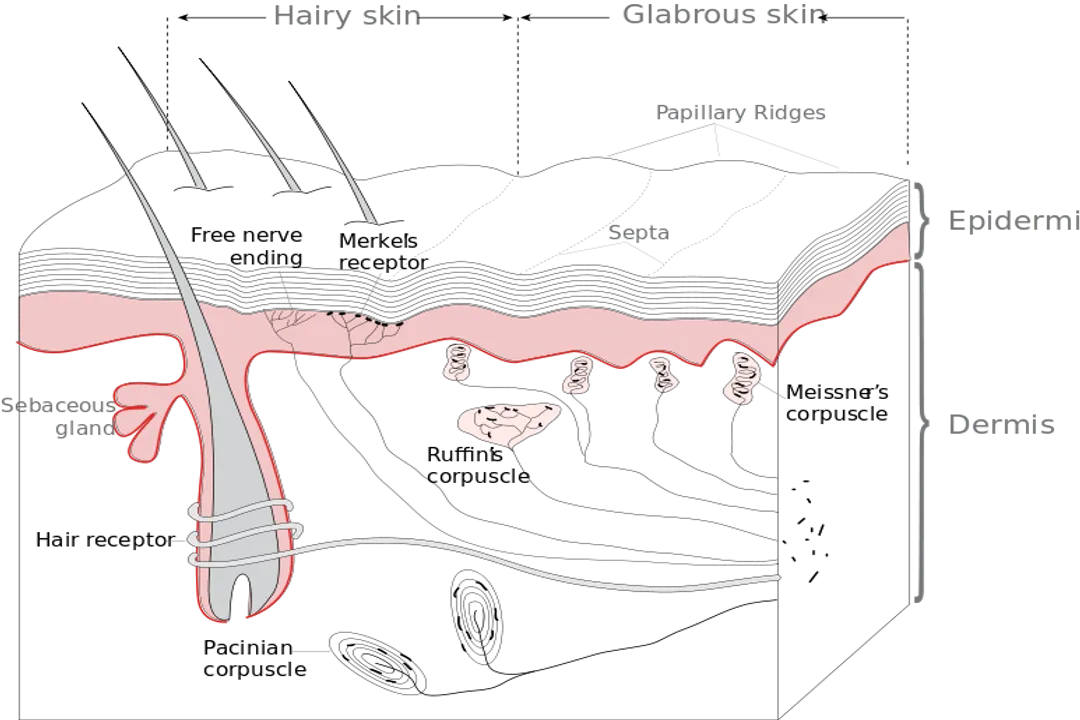
Sensory receptors are not all equally prone to adaptation. They are broadly classified based on how quickly their response declines when a stimulus is maintained: phasic (fast-adapting) or tonic (slow-adapting). [2][3] This distinction is crucial for understanding how we perceive dynamic versus static features of our surroundings.
# Phasic Receptors
Phasic receptors, also known as fast-adapting receptors, exhibit a large burst of activity when a stimulus is first applied, but their firing rate quickly decreases, often stopping altogether, even if the stimulus remains. [2][3] They are specialized to detect the onset and the offset of a stimulus, making them excellent detectors of change or movement. [2]
A practical example of phasic adaptation is found in the specialized receptors responsible for sensing vibration on the skin. Receptors like Pacinian corpuscles are highly sensitive to high-frequency vibrations, such as the subtle buzz from a handheld power tool or the slight slip of an object you are holding. [2] They fire rapidly upon initial contact but quickly cease signaling if the vibration remains steady. [2]
# Tonic Receptors
Tonic receptors, or slow-adapting receptors, on the other hand, respond continuously to a sustained stimulus, albeit often at a reduced frequency compared to the initial peak. [2][3] They provide the nervous system with detailed, ongoing information about the presence and magnitude of the stimulus. [2]
Merkel cells and Ruffini endings in the skin are classic examples of tonic receptors. [2] Merkel cells are critical for sustained light touch, like the continuous pressure of clothing resting on your skin or maintaining your grip on a stationary coffee mug. [2] Tonic receptors are essential for functions where continuous sensory feedback is necessary, such as maintaining posture or pressure perception over time.
To better illustrate the functional difference, consider how these adaptation patterns relate to sensory perception:
| Receptor Type | Adaptation Rate | Primary Function | Example Perception |
|---|---|---|---|
| Phasic | Rapid Decline | Detect stimulus onset/offset and movement | The initial jolt when a doorknob turns |
| Tonic | Slow/Minimal Decline | Report continuous stimulus presence and intensity | The constant pressure of the doorknob in your hand |
# Modality Specificity
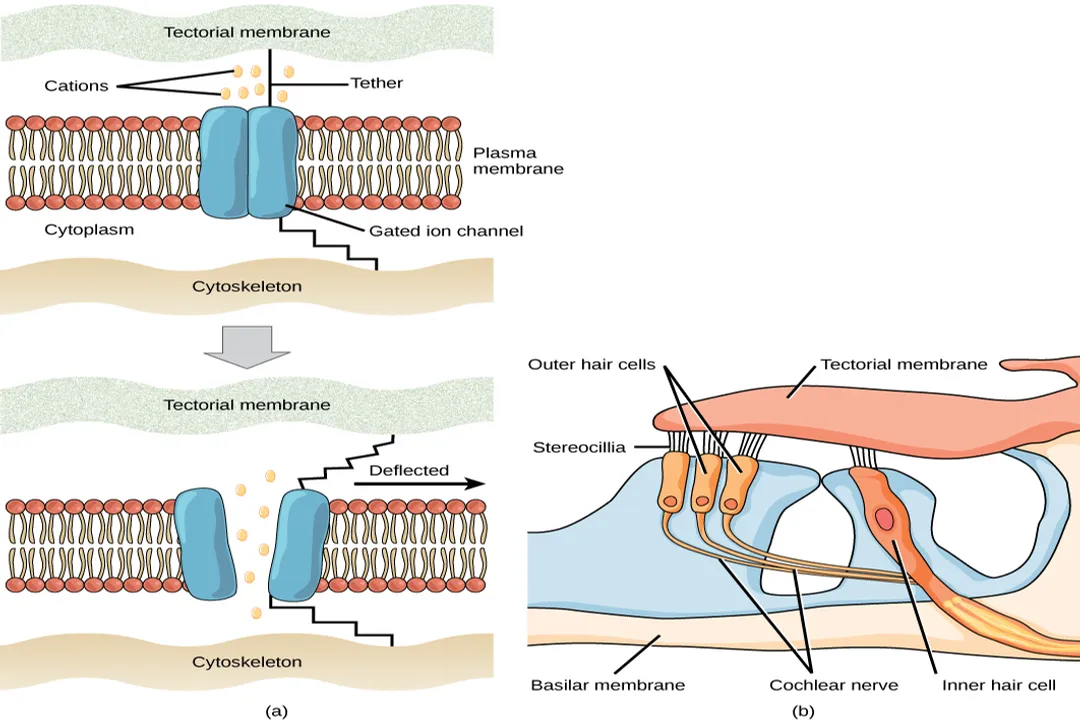
The principles of adaptation apply across all sensory modalities, though the molecular and cellular mechanisms differ significantly. For instance, in olfaction (smell), adaptation is extremely pronounced. When you first walk into a room with a strong scent—say, baking cookies—the smell is overwhelming. Within minutes, however, the intensity seems to vanish, a phenomenon often called olfactory fatigue. [5] This is due to the rapid adaptation of the chemoreceptors in the nasal epithelium, preventing constant signaling from background odors. [5] If the cookie aroma suddenly stopped or a new, stronger smell entered the room, the receptors would immediately respond again.
In vision, adaptation is complex and occurs at multiple levels, involving both the photoreceptors and the subsequent neural circuits. The difference between walking from a brightly lit room into a dark theater and walking from the dark theater into the bright room perfectly illustrates this. [3] Moving into the dark requires dark adaptation, a slow process where the sensitivity of the rods and cones increases over time (minutes to hours) to detect lower light levels—this is the inverse of rapid adaptation to a constant high-intensity stimulus. [3] Conversely, moving into bright light causes a near-instantaneous desensitization (adaptation) of the cones to prevent bleaching and damage from the overwhelming photon flux.
A subtle, yet vital, example of adaptation in touch is the way we perceive texture. Texture is often interpreted based on the rate of change across the skin as we run a finger over a surface. If you run your hand slowly over rough sandpaper, you feel the individual bumps because the phasic receptors are continually being stimulated and adapting at a rate that matches your movement, providing new information with every pass. If you drag your finger across that same surface at a constant, slow speed, the sensation might dull because the receptors are adapting to the steady input frequency generated by that specific speed. [2] If you suddenly accelerate your movement, you will feel a renewed sensation as the receptors respond to the change in frequency.

# Internal Monitoring
Adaptation is not limited to external sensations; it is critical for maintaining homeostasis internally. Receptors monitoring the internal chemical environment, such as those that track blood gases or pressure, must exhibit strong tonic characteristics to provide a reliable baseline signal, but they must also adapt slightly to maintain overall physiological stability.
For example, the baroreceptors in the carotid arteries and aorta monitor blood pressure. [5] If your blood pressure suddenly spikes due to exertion, these receptors fire rapidly. If the elevated pressure were to remain completely uncompensated for, this constant high signal would become fatiguing. While they must signal the danger of hypertension, they must also adjust their firing rate slightly over time to allow the body to settle into a new, albeit higher, operating point without triggering an immediate, catastrophic alarm response based solely on the initial spike. The ability of these tonic receptors to adjust their baseline firing rate over hours or days—a form of long-term adaptation or acclimatization—is what allows individuals to live comfortably with chronic conditions like controlled hypertension without constant, debilitating feedback. [5]
An interesting consideration arises when comparing the speed of adaptation across different sensory systems. While touch receptors (like Meissner's corpuscles) adapt in milliseconds, the adaptation of thermoreceptors can feel noticeably slower, taking several seconds for the initial thermal shock to subside when touching water that is significantly different in temperature from the skin. [1] This difference in temporal resolution reflects the evolutionary priority of the stimulus: rapid signaling is necessary for detecting fleeting mechanical threats (like vibration or slipperiness), whereas slower signaling is acceptable for thermal shifts, as extreme temperatures usually persist long enough to require sustained reporting.
# Neural Wiring
The specific wiring diagram of the sensory pathway heavily influences the pattern of adaptation observed. For instance, in the somatosensory system, some touch receptors project directly to the brain in pathways that are highly organized for rapid signal relay, while others synapse in the spinal cord where local interneurons can actively modulate the signal before it ever reaches conscious perception. [5] These local circuits are where some of the most pronounced adaptation occurs. Inhibitory interneurons, for example, can be activated by a constant, strong input from a primary afferent fiber; as the primary fiber continues to fire, these interneurons begin to fire too, actively suppressing the signal from the primary fiber—a mechanism called lateral inhibition or recurrent inhibition, which sharpens perception and contributes to adaptation. [5]
The difference in adaptation profiles between phasic and tonic fibers has structural correlates. Phasic receptors often have specialized capsules, like the layered structure of the Pacinian corpuscle, which acts like a mechanical filter, allowing only rapid pressure changes to deform the central nerve ending. [2] Tonic receptors, being less encapsulated or having simpler structures, transfer mechanical energy more directly and consistently to the membrane of the sensory nerve ending, resulting in sustained depolarization. [2] Understanding these physical differences reinforces that adaptation is not merely a 'setting' in the brain, but a hardwired property of the receptor structure itself.
# Perception and Focus
The practical outcome of sensory adaptation is that our perception is almost entirely focused on novelty. We tune out the static background noise of existence—the feeling of the chair beneath us, the hum of the air conditioner, the steady light in the room—and become hyper-aware only when something changes. [3] This is a highly successful strategy for survival and learning. If your environment were perpetually perceived with the same intensity as the moment you first entered it, you would be unable to notice a subtle smoke alarm beep or the slight shift in the ground indicating an earthquake.
If we imagine our attention as a limited resource pool, adaptation acts as a highly efficient filter, allocating the majority of that pool to dynamic input. When you look at a complex picture, you might initially focus on the largest, brightest object. After a few moments of staring, your eyes begin to wander, shifting focus based on subtle differences in texture, shadow, or color contrast—areas where your visual system is actively seeking the change that signals new information within the static scene. This constant, unconscious re-sampling of the environment, driven by adaptation mechanisms, prevents perceptual stagnation. The very act of choosing to look somewhere new requires overcoming the local adaptation that has occurred in the area you were just observing.
This filtering system also explains why a sustained, low-level annoyance can sometimes feel more stressful than a sudden, intense but brief event. The constant, low-level stimulus (like a dripping faucet) is processed primarily by tonic receptors, forcing a continuous, low-frequency signal through the nervous system. While this signal is attenuated by adaptation, it still requires constant, though low-level, neural maintenance, which can lead to mental fatigue and irritability over long periods because the system never truly gets to turn off that input completely.
# Conclusion
Sensory receptors function as sophisticated input devices that do more than just detect; they actively manage the flow of information based on temporal patterns. By rapidly desensitizing to constant inputs (phasic adaptation) and providing sustained feedback for enduring conditions (tonic signaling), the nervous system maintains a precise and energy-efficient representation of the world. This necessary biological process ensures that our conscious awareness is perpetually primed for the signals that matter most: the introduction of a new event or the cessation of an old one.[2][3][5]The ability of our nervous system to process the constant deluge of information from the external and internal world relies not just on the initial detection of a stimulus, but critically on how that detection changes over time. If every flicker of light, every slight pressure on the skin, and every minute change in blood chemistry triggered a full-scale alarm in the brain, we would quickly become overwhelmed and unable to focus on novel or important events. This necessity for filtering leads directly to the fascinating biological process known as sensory adaptation. [2][3]
# Sensory Basics
Sensory receptors are specialized cells or nerve endings designed to detect specific types of energy or chemical changes in the environment or within the body itself. [1][4] This detection process is called transduction, where the external energy—be it light, pressure, sound waves, or temperature—is converted into an electrical signal, or action potential, that the nervous system can interpret. [1][9]
These receptors are often grouped based on the type of stimulus they monitor, which defines the sensory modality being perceived. [8] Key categories include:
- Mechanoreceptors: Respond to physical deformation, such as pressure, vibration, stretch, or sound waves. Examples include those in the skin that sense touch and joint position, and the hair cells in the inner ear for hearing. [1][8]
- Thermoreceptors: Detect changes in temperature, allowing us to sense heat and cold. [1][8]
- Chemoreceptors: Respond to the presence of specific chemicals, responsible for our senses of taste and smell, as well as monitoring internal conditions like blood oxygen or pH levels. [1][8]
- Photoreceptors: Found in the retina of the eye, these receptors are specialized to detect electromagnetic radiation in the form of light. [1][8]
- Nociceptors: Often considered a type of mechanoreceptor or thermoreceptor, these are the pain receptors, responding to stimuli intense enough to cause potential or actual tissue damage. [1]
For a signal to be successfully transmitted, the receptor must generate a generator potential, which, if strong enough, triggers an action potential that travels along an afferent neuron to the central nervous system. [4] The intensity of the stimulus is generally encoded by the frequency of these action potentials; a stronger stimulus causes the neuron to fire more rapidly. [4] However, this coding system must account for the persistence of a stimulus.
# Signal Reduction
Sensory adaptation describes the process where the responsiveness of a sensory receptor decreases over time when it is exposed to a constant, unchanging stimulus. [2][5] Think about putting on a watch: initially, you might feel the weight and the pressure of the band against your skin, but after a few minutes, the sensation fades away almost completely, even though the watch has not moved. [2] This fading is adaptation at work.
The primary biological purpose of adaptation is efficiency. By reducing the firing rate to unchanging or irrelevant stimuli, the nervous system conserves energy and, more importantly, frees up neural resources to focus on changes in the environment. [3][5] If the stimulus remains constant, the receptors signal that "nothing new is happening here," allowing the brain to dedicate processing power to novel inputs, which might signify danger, opportunity, or a necessary reaction. [5]
Adaptation can occur at several levels within the sensory pathway. It can happen directly within the receptor cell itself, through changes in the membrane properties of the receptor, or further up the chain within the sensory neurons or associated neural circuits in the spinal cord or brainstem. [5] The effectiveness of this filtering system is so vital that in some contexts, like the muscle stretch reflex, the adaptation of certain afferent fibers can dictate the nature of the motor response. [5]
# Receptor Speed
Sensory receptors are not all equally prone to adaptation. They are broadly classified based on how quickly their response declines when a stimulus is maintained: phasic (fast-adapting) or tonic (slow-adapting). [2][3] This distinction is crucial for understanding how we perceive dynamic versus static features of our surroundings.
# Phasic Receptors
Phasic receptors, also known as fast-adapting receptors, exhibit a large burst of activity when a stimulus is first applied, but their firing rate quickly decreases, often stopping altogether, even if the stimulus remains. [2][3] They are specialized to detect the onset and the offset of a stimulus, making them excellent detectors of change or movement. [2]
A practical example of phasic adaptation is found in the specialized receptors responsible for sensing vibration on the skin. Receptors like Pacinian corpuscles are highly sensitive to high-frequency vibrations, such as the subtle buzz from a handheld power tool or the slight slip of an object you are holding. [2] They fire rapidly upon initial contact but quickly cease signaling if the vibration remains steady. [2] When dealing with fine manipulation, such as threading a needle, the speed of these phasic receptors is what allows us to make micro-adjustments based on the change in friction, rather than being distracted by the constant background pressure of the needle resting momentarily against the thread.
# Tonic Receptors
Tonic receptors, or slow-adapting receptors, on the other hand, respond continuously to a sustained stimulus, albeit often at a reduced frequency compared to the initial peak. [2][3] They provide the nervous system with detailed, ongoing information about the presence and magnitude of the stimulus. [2]
Merkel cells and Ruffini endings in the skin are classic examples of tonic receptors. [2] Merkel cells are critical for sustained light touch, like the continuous pressure of clothing resting on your skin or maintaining your grip on a stationary coffee mug. [2] Tonic receptors are essential for functions where continuous sensory feedback is necessary, such as maintaining posture or pressure perception over time.
To better illustrate the functional difference, consider how these adaptation patterns relate to sensory perception:
| Receptor Type | Adaptation Rate | Primary Function | Example Perception |
|---|---|---|---|
| Phasic | Rapid Decline | Detect stimulus onset/offset and movement | The initial jolt when a doorknob turns |
| Tonic | Slow/Minimal Decline | Report continuous stimulus presence and intensity | The constant pressure of the doorknob in your hand |
# Modality Specificity
The principles of adaptation apply across all sensory modalities, though the molecular and cellular mechanisms differ significantly. For instance, in olfaction (smell), adaptation is extremely pronounced. When you first walk into a room with a strong scent—say, baking cookies—the smell is overwhelming. Within minutes, however, the intensity seems to vanish, a phenomenon often called olfactory fatigue. [5] This is due to the rapid adaptation of the chemoreceptors in the nasal epithelium, preventing constant signaling from background odors. [5] If the cookie aroma suddenly stopped or a new, stronger smell entered the room, the receptors would immediately respond again.
In vision, adaptation is complex and occurs at multiple levels, involving both the photoreceptors and the subsequent neural circuits. The difference between walking from a brightly lit room into a dark theater and walking from the dark theater into the bright room perfectly illustrates this. [3] Moving into the dark requires dark adaptation, a slow process where the sensitivity of the rods and cones increases over time to detect lower light levels—this is the inverse of rapid adaptation to a constant high-intensity stimulus. [3] Conversely, moving into bright light causes a near-instantaneous desensitization (adaptation) of the cones to prevent bleaching and damage from the overwhelming photon flux.
A subtle, yet vital, example of adaptation in touch is the way we perceive texture. Texture is often interpreted based on the rate of change across the skin as we run a finger over a surface. If you run your hand slowly over rough sandpaper, you feel the individual bumps because the phasic receptors are continually being stimulated and adapting at a rate that matches your movement, providing new information with every pass. If you drag your finger across that same surface at a constant, slow speed, the sensation might dull because the receptors are adapting to the steady input frequency generated by that specific speed. [2] If you suddenly accelerate your movement, you will feel a renewed sensation as the receptors respond to the change in frequency.
# Internal Monitoring
Adaptation is not limited to external sensations; it is critical for maintaining homeostasis internally. Receptors monitoring the internal chemical environment, such as those that track blood gases or pressure, must exhibit strong tonic characteristics to provide a reliable baseline signal, but they must also adapt slightly to maintain overall physiological stability.
For example, the baroreceptors in the carotid arteries and aorta monitor blood pressure. [5] If your blood pressure suddenly spikes due to exertion, these receptors fire rapidly. If the elevated pressure were to remain completely uncompensated for, this constant high signal would become fatiguing. While they must signal the danger of hypertension, they must also adjust their firing rate slightly over time to allow the body to settle into a new, albeit higher, operating point without triggering an immediate, catastrophic alarm response based solely on the initial spike. The ability of these tonic receptors to adjust their baseline firing rate over hours or days—a form of long-term adaptation or acclimatization—is what allows individuals to live comfortably with chronic conditions like controlled hypertension without constant, debilitating feedback. [5]
An interesting consideration arises when comparing the speed of adaptation across different sensory systems. While touch receptors (like Meissner's corpuscles) adapt in milliseconds, the adaptation of thermoreceptors can feel noticeably slower, taking several seconds for the initial thermal shock to subside when touching water that is significantly different in temperature from the skin. [1] This difference in temporal resolution reflects the evolutionary priority of the stimulus: rapid signaling is necessary for detecting fleeting mechanical threats (like vibration or slipperiness), whereas slower signaling is acceptable for thermal shifts, as extreme temperatures usually persist long enough to require sustained reporting.
# Neural Wiring
The specific wiring diagram of the sensory pathway heavily influences the pattern of adaptation observed. For instance, some touch receptors project directly to the brain in pathways that are highly organized for rapid signal relay, while others synapse in the spinal cord where local interneurons can actively modulate the signal before it ever reaches conscious perception. [5] These local circuits are where some of the most pronounced adaptation occurs. Inhibitory interneurons, for example, can be activated by a constant, strong input from a primary afferent fiber; as the primary fiber continues to fire, these interneurons begin to fire too, actively suppressing the signal from the primary fiber—a mechanism called lateral inhibition or recurrent inhibition, which sharpens perception and contributes to adaptation. [5]
The difference in adaptation profiles between phasic and tonic fibers has structural correlates. Phasic receptors often have specialized capsules, like the layered structure of the Pacinian corpuscle, which acts like a mechanical filter, allowing only rapid pressure changes to deform the central nerve ending. [2] Tonic receptors, being less encapsulated or having simpler structures, transfer mechanical energy more directly and consistently to the membrane of the sensory nerve ending, resulting in sustained depolarization. [2] Understanding these physical differences reinforces that adaptation is not merely a 'setting' in the brain, but a hardwired property of the receptor structure itself.
# Perception and Focus
The practical outcome of sensory adaptation is that our perception is almost entirely focused on novelty. We tune out the static background noise of existence—the feeling of the chair beneath us, the hum of the air conditioner, the steady light in the room—and become hyper-aware only when something changes. [3] This is a highly successful strategy for survival and learning. If your environment were perpetually perceived with the same intensity as the moment you first entered it, you would be unable to notice a subtle smoke alarm beep or the slight shift in the ground indicating an earthquake.
If we imagine our attention as a limited resource pool, adaptation acts as a highly efficient filter, allocating the majority of that pool to dynamic input. When you look at a complex picture, you might initially focus on the largest, brightest object. After a few moments of staring, your eyes begin to wander, shifting focus based on subtle differences in texture, shadow, or color contrast—areas where your visual system is actively seeking the change that signals new information within the static scene. This constant, unconscious re-sampling of the environment, driven by adaptation mechanisms, prevents perceptual stagnation. The very act of choosing to look somewhere new requires overcoming the local adaptation that has occurred in the area you were just observing.
This filtering system also explains why a sustained, low-level annoyance can sometimes feel more stressful than a sudden, intense but brief event. The constant, low-level stimulus (like a dripping faucet) is processed primarily by tonic receptors, forcing a continuous, low-frequency signal through the nervous system. While this signal is attenuated by adaptation, it still requires constant, though low-level, neural maintenance, which can lead to mental fatigue and irritability over long periods because the system never truly gets to turn off that input completely.
# Summary
Sensory receptors function as sophisticated input devices that do more than just detect; they actively manage the flow of information based on temporal patterns. By rapidly desensitizing to constant inputs (phasic adaptation) and providing sustained feedback for enduring conditions (tonic signaling), the nervous system maintains a precise and energy-efficient representation of the world. [2][3][5] This necessary biological process ensures that our conscious awareness is perpetually primed for the signals that matter most: the introduction of a new event or the cessation of an old one.[5]
Related Questions
#Citations
Sensory receptors: definition, types, adaption - Kenhub
Sensory Adaptation: Definition, Examples, and How It Works
Sensory adaptation (video) - Khan Academy
Sensory Receptors - Sensory Processing - MCAT Content
Sensory Receptor - an overview | ScienceDirect Topics
Common dynamical features of sensory adaptation in ... - Nature
Any P/S Gurus Out There Who Can Explain the Difference Between....
Sensory Modalities – TeachMePhysiology
9.2.1: Overview of Sensory Receptors - Biology LibreTexts