Are resistance and tolerance the same?

The concepts of resistance and tolerance are frequently used interchangeably in casual conversation, yet in scientific and technical fields—from medicine to agriculture—they represent distinct, even opposite, biological phenomena. Misunderstanding this difference can lead to flawed management strategies, whether you are dealing with an emerging superbug or deciding which seed variety to plant in a challenging field. Fundamentally, the distinction hinges on how an organism responds to a stressor: does it avoid the effect entirely, or does it successfully live through the effect?
# Core Meanings
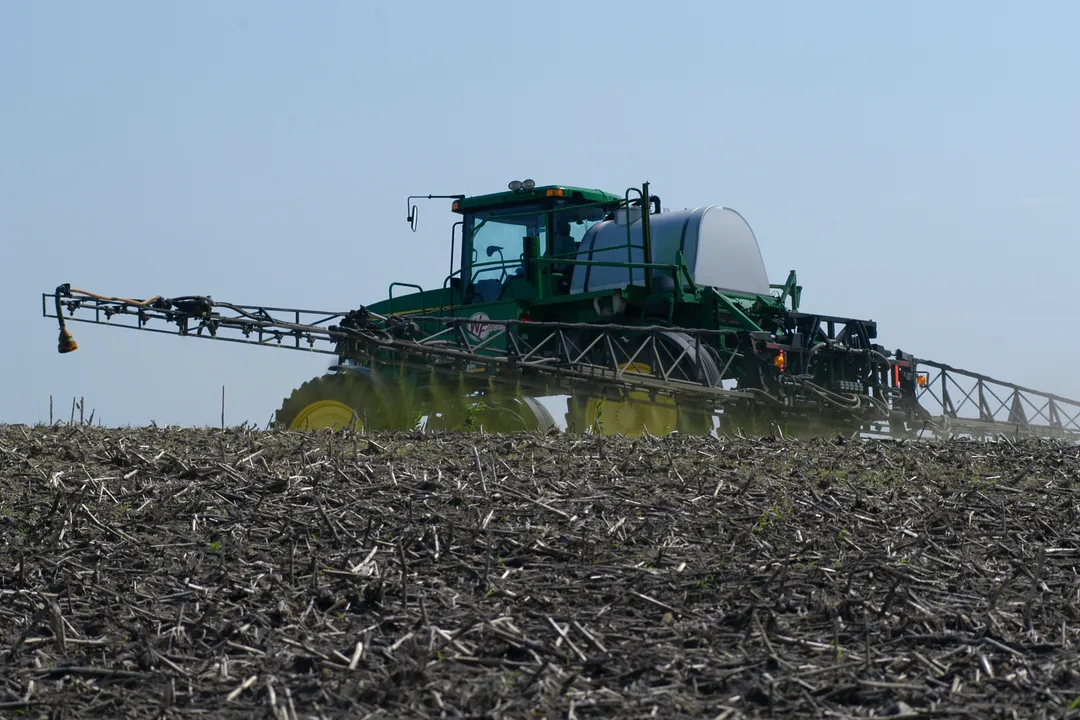
Resistance generally describes a state where an entity is unaffected by an agent that would typically exert a substantial influence or cause harm. When a microbe develops resistance to an antibiotic, for example, the drug fails to achieve its intended purpose of inhibiting or killing the microbe. In the plant world facing a pest or disease, resistance often means the plant successfully prevents the pathogen from establishing itself or significantly slows its development. An immune reaction is often the mechanism behind this complete avoidance.
Tolerance, conversely, describes the capacity to withstand or endure the effects of an agent without significant impairment to overall function or survival. In this scenario, the stressor is present and the organism may still sustain some degree of damage, but it manages to absorb those negative effects and maintain performance levels that would be impossible for a susceptible counterpart. The organism is affected, but it is not defeated by the agent's presence.
# Drug Response
The pharmacological context offers a sharp demarcation between these two terms when discussing medication and microorganisms.
When discussing a patient’s response to a drug, tolerance refers to the phenomenon where the body adapts to the presence of the substance following repeated administration. The patient experiences a diminished effect from the standard dose, necessitating an increase in dosage to achieve the original therapeutic outcome. This is a physiological adjustment within the host organism.
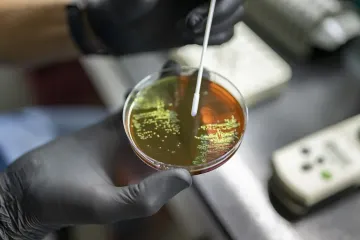
Resistance, in the context of antimicrobial therapy, typically applies to the pathogen itself—the bacteria, virus, or fungus. A microorganism exhibits resistance when it continues to grow and thrive in the presence of an antimicrobial agent that is normally capable of controlling or eradicating it. The key difference here is the locus of the phenomenon: tolerance is about the patient needing more drug; resistance is about the microbe ignoring the drug’s intended action.
# Crop Protection
The agricultural sphere, particularly concerning herbicides and disease management, presents scenarios where both terms are used for different players in the ecosystem, which can cause confusion if not carefully unpacked.
Consider a weed population facing a broad-spectrum herbicide application. If the weeds survive and continue to grow despite the application of a dose intended to be lethal or severely growth-inhibiting, they are exhibiting resistance. This usually stems from a genetic mutation that allows the weed to metabolize the chemical or bypass the cellular target the herbicide attacks.
Now consider the desired crop in the same field. If that crop plant is naturally unaffected when the label-recommended rate of that herbicide is applied, the crop is demonstrating tolerance. This is often a naturally occurring trait, perhaps due to differences in how the plant absorbs the chemical or where the chemical is translocated within its tissues, allowing it to remain healthy while the susceptible weeds perish. The crop is surviving because it is inherently different from the target pest or weed, not because it has overcome an evolutionary hurdle against the chemical after exposure, as is often the case with resistance development.
When dealing with pests or diseases like fungi, the agricultural distinction mirrors the biological one more closely:
- Resistance: The plant actively stops the pest/pathogen from succeeding. For example, a plant may develop a chemical defense that stops a fungus from penetrating its cells.
- Tolerance: The pathogen or pest does infect or infest the plant, but the plant’s architecture, growth rate, or compensatory mechanisms allow it to maintain acceptable yields or aesthetic quality despite the ongoing presence of the problem.
A helpful way to visualize this is to think of the plant's structure. Resistance is like building an impenetrable wall; tolerance is like having a strong foundation that lets the house lean a bit without collapsing.
# Mechanism Nuance
The underlying mechanism often dictates whether a trait should be labeled resistance or tolerance, though this can be subtle. Genetic variation is often at the root of both, but the outcome on the biological pathway differs significantly. Resistance frequently involves stopping an enzymatic process or blocking a receptor site entirely. For instance, a resistant weed might possess an enzyme that rapidly detoxifies the herbicide into an inert substance before it can reach its target site in the chloroplasts.
Tolerance, especially in plants, is less about eliminating the stressor's effect and more about managing the resultant injury. This can involve rapid tissue regeneration, faster growth to outpace disease spread, or physiological buffering that keeps essential functions running even when some cells are compromised. It implies an existing biological capacity to handle strain, rather than a specific genetic block against the agent itself. It's noteworthy that in disease scenarios, tolerance is often a trait selected over generations based on environmental pressures, whereas resistance can sometimes arise more suddenly through a single, impactful mutation. The long-term evolution of resistance, however, often involves the breakdown of specific defense mechanisms against specific chemical classes over time.
If you are evaluating a management plan for a highly resistant weed population, relying on cultural practices that emphasize early, thorough mechanical removal becomes a necessity, because simply cycling herbicides may no longer be effective if the resistance mechanism is robust, such as in cases where the weed can sequester the chemical away from its action site.

# Management Application
Understanding this difference directly impacts strategy. If a grower is dealing with a resistant weed population, simply increasing the concentration of the failed herbicide is often an expensive exercise in futility; the necessary approach is to switch modes of action entirely or incorporate non-chemical controls. The failure here is due to the ineffectiveness of the agent against the target organism.
If a grower accepts that a cultivar has tolerance to a common local pathogen, the management shifts from eradication to optimization. They might focus less on intensive fungicide applications (which may be costly or subject to regulatory restrictions) and more on optimizing soil fertility and water management to ensure the plant can utilize its inherent tolerance fully, maximizing yield even under mild disease pressure. The failure here is not in the plant's ability to survive, but in the management system's inability to allow the plant to express its full yield potential despite the pressure.
For a private gardener observing leaf spots on their prize rose bush, identifying the issue correctly is vital. If the spots appear, but the bush keeps putting out healthy new growth, it's likely tolerance to a specific mild black spot fungus, and simple cleanup and good airflow might suffice. If, however, the fungus prevents the buds from opening at all, that suggests resistance has been overcome or the pathogen is resistant to the rose's basal defenses, signaling the need for a fungicide application.
# Comparison Summary
To keep these concepts straight, it helps to establish a direct, side-by-side view based on the effect on the entity in question.
| Feature | Resistance | Tolerance |
|---|---|---|
| Primary Effect | Agent fails to establish, inhibit, or kill | Entity survives or performs despite agent's presence |
| Degree of Harm | Minimal or no effect from the agent | Entity is affected/damaged, but maintains function |
| Pharmacology Example | Microbe continues to multiply despite drug presence | Patient requires higher drug doses over time for the same effect |
| Herbicide Context (Weed) | Survives a lethal dose | Not applicable (Applies to the crop, not the weed) |
| Herbicide Context (Crop) | Not typically used; implies the crop should be susceptible but isn't | Survives the label dose due to natural characteristics |
Distinguishing between resistance and tolerance is more than semantic hair-splitting; it determines whether the solution involves finding a new weapon to defeat an evolved adversary (resistance) or optimizing the environment so that a tough survivor can thrive (tolerance). In the complex biological interactions shaping our world, recognizing this fine line allows for precise and effective intervention.
Related Questions
#Citations
Difference between resistance and tolerance
Tolerance and Resistance - Clinical Pharmacology
Herbicide Resistance or Tolerance? Know Your Weed ...
what is the difference between plant resistance and ...
DISEASE TOLERANCE VS DISEASE RESISTANCE: While ...
Herbicide Resistance and Tolerance
Difference between Tolerance and Resistance
Distinguishing between resistance, tolerance and ...