What is the prettiest Syngonium?
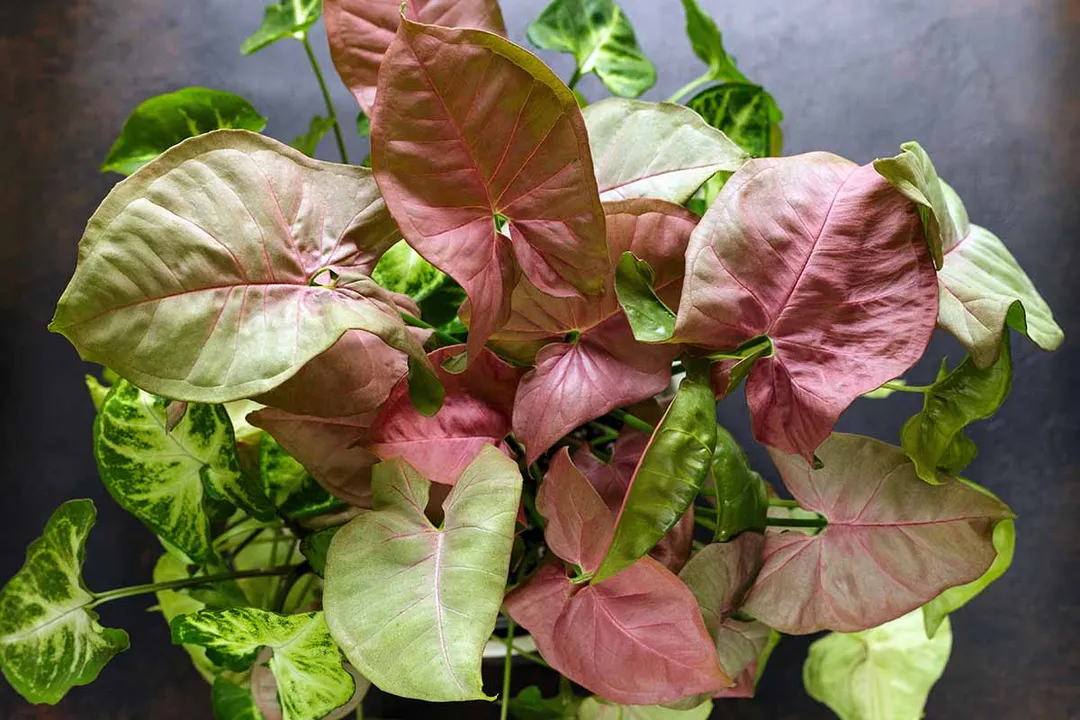
Choosing the most beautiful Syngonium is much like picking a favorite gemstone; the options are dazzling, numerous, and highly dependent on personal preference. Arrowhead plants, scientifically known as Syngonium podophyllum (though the genus has many species), captivate houseplant enthusiasts with their ever-changing foliage, which transforms from a juvenile, simple arrowhead shape to more complex, lobed leaves as the vine matures. [4] This genus offers an incredible spectrum of colors and patterns, moving far beyond simple green.
What one person finds prettiest might be the softest pink, while another seeks the dramatic contrast of deep green and bright white. Since there are dozens of beautiful cultivars available, and new ones appear constantly due to plant breeding efforts, pinpointing a single "prettiest" is impossible. [1] Instead, we can look at the top contenders across various aesthetic categories.
# Pink Hues
For many collectors, the appeal of Syngonium lies in their vibrant pink and rose-toned varieties, which bring a warm, tropical glow indoors. [3]
The Neon Robusta is often cited as a showstopper because its foliage is almost entirely a dusty rose color, contrasted by dark pink veins. [1] To keep this intense pink vibrant, it benefits from bright sun, as lower light can cause hints of green to emerge. [1][3] Another strongly pink option is Pink Dream, where the leaves are wholly blushed pink, often featuring slightly darker pink veins. [1]
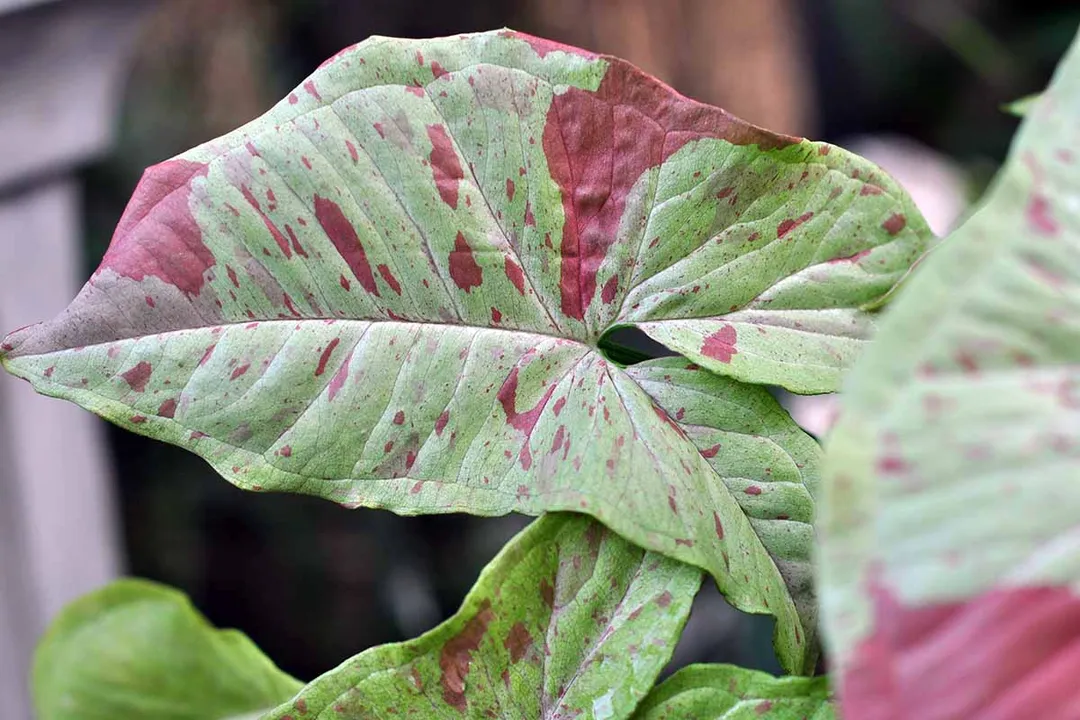
The various cultivars in the Allusion™ series often carry pink accents, but they differ in subtlety. Berry Allusion is very faint, perhaps only hinting at rose when you first look, appearing mostly pale green and cream. [1] In contrast, Maria Allusion offers a bolder look, blending deep and light green streaks with prominent pink webbing. [1] Bold Allusion offers a softer touch within the series, known for its smooth, slightly wavy leaves that are pale green accented by pale pink veins. [1] For something truly unique in color application, Confetti is splashed and mottled with colors resembling rose gold, often featuring larger leaves than many other types. [1]
A valuable tip when shopping for these pinks is to be aware of potential mislabeling. For instance, sellers sometimes mistakenly label Syngonium Strawberry Pink as Pink Perfection. [3] Pink Perfection itself is renowned for its intense pink foliage, but it is important to know the difference when seeking a specific shade. [3] Furthermore, the visual intensity of any pink variety, like the Neon Robusta, can be significantly boosted by planting several individual plants close together and selectively removing any leaves that fade to green over time. [3]
# Striking Variegation
Variegation—the presence of different colored zones on the leaves—is where many Syngonium varieties truly shine, offering painterly effects in shades of white, cream, and contrasting green. [1][4]
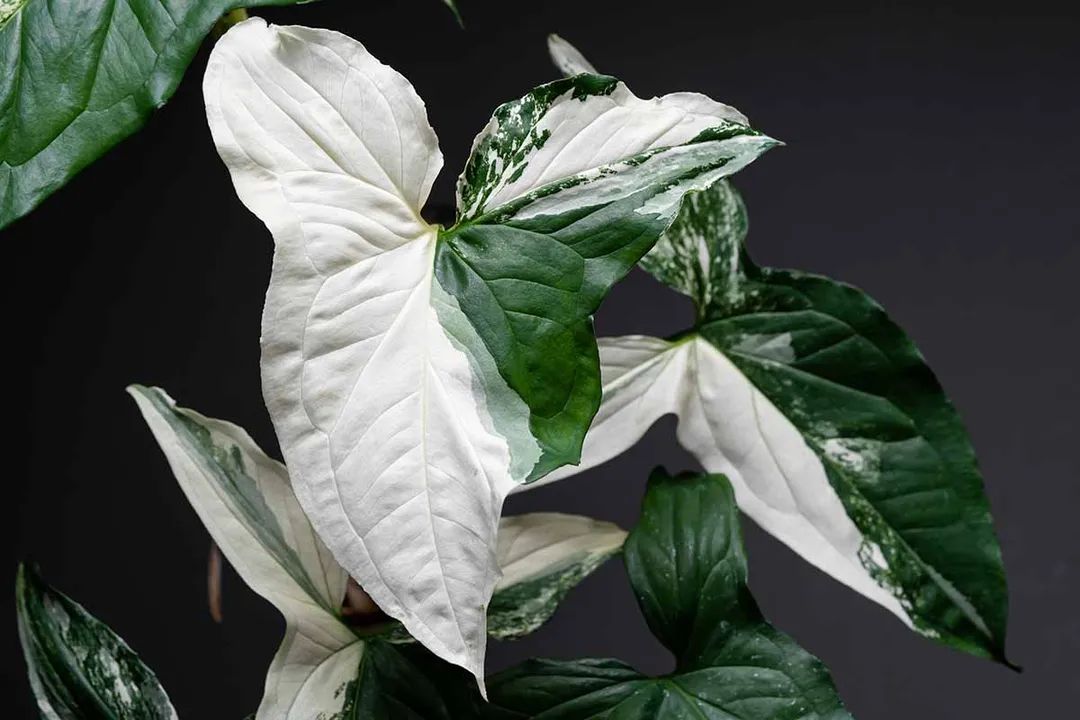
Arguably the most sought-after variegated type currently is the Albo (S. podophyllum albo-variegatum). This plant boasts dramatic variegation featuring deep green, light green, and stark white patches, often held on rosy stems. [1] Because it is so eager to revert to a solid green color, collectors must be diligent about pruning any all-green branches that appear. [1]
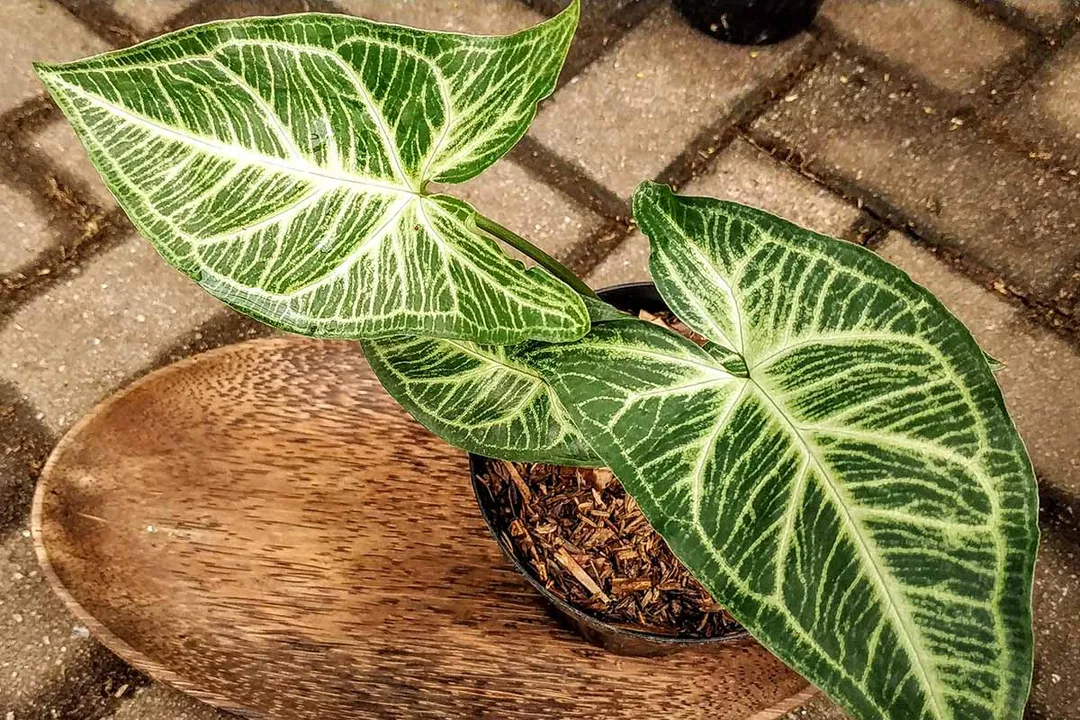
For those who appreciate pattern over solid blocks of color, Batik is exceptional. Its dark, glossy leaves are patterned with white veins that appear to "bleed" into the surrounding green, mimicking the ancient Indonesian fabric dyeing technique from which it takes its name. [1] Similarly unique is Panda, which features creamy variegation always divided down the center vein, leading to a different, unpredictable pattern on each new leaf that emerges. [1]
The White Butterfly remains a wildly popular choice, providing a classic, high-contrast look with dark green rims framing dreamy white and light green centers. [1][4] A related option that offers a more artistic presentation is Three Kings, which displays both white venation and variable sectorial variegation, resulting in a pattern described as watercolor-like. [4]
If you enjoy combining plants, think about grouping them based on their dominant colors. Pairing a primarily white cultivar like the White Butterfly with a pastel pink variety, such as Bold Allusion, creates a simple, modern display that highlights the best of both color groups. [1]
# Texture and Shape Distinction
While most attention goes to color, some of the prettiest Syngoniums stand out because of their physical texture or deviation from the classic arrowhead shape. [1]
For unique texture, the Pink Fairy is a top pick. Its glossy leaves are characteristically wrinkled and rippled, offering tactile interest. [1] The color pattern is complex, too: a medium green base is overlaid with deep pink around the veins, mixed with lighter sage splotches. [1]
If the classic arrowhead shape doesn't appeal, Red Heart offers a lovely alternative with leaves that are decidedly more rounded, almost heart-shaped. [1] Its coloration is also dynamic, showing salmon tones on older leaves while new growth emerges in sage and cream. [1]
For collectors drawn to deep, moody tones, Orm Nak is a stunning choice, as its foliage is so dark it approaches a deep red color, often with little to no green visible. [1] For a dark green alternative with specific accents, the Erythrophyllum 'Red Arrow' is noteworthy for its glossy, deep green leaves that feature a dark red underside. [4] Varieties like Wendlandii and Rayii appeal to those who love a velvety leaf texture, both featuring a deep green body but highlighted by a stunning, bright white midvein. [4]
# Novelty and Size Variation
The perception of "prettiest" often involves how a plant fits into a specific space or collection, sometimes favoring smaller or more unusual forms. [1]
The Pixie cultivar is ideal for small spaces or tabletops, as it rarely exceeds eight inches in height and maintains proportionally small leaves. [1] Its coloration is a nice mix of pale and deep greens. [1] On the other end of the spectrum in terms of form, the Syngonium genus is known to be a climbing vine that develops larger, more complex leaves as it matures when given support. [4] Users in plant communities frequently show off massive specimens trained up moss poles or allowed to trail dramatically, noting that providing support encourages those larger, more mature leaves. For instance, one user noted their Pink Allusion shot out a massive vine, forcing a decision between propagating it or training it upward. This difference between a bushy juvenile and a climbing adult dramatically changes the plant's overall appearance and aesthetic appeal. [4]
# Cultivar Comparison Snapshot
To help visualize the diversity, here is a quick look at some visually distinct selections:
| Cultivar | Dominant Color Palette | Key Differentiating Feature |
|---|---|---|
| Albo | Deep Green, Light Green, White | Dramatic, high-contrast variegation [1] |
| Neon Robusta | Dusty Rose | Nearly solid pale pink color [1][3] |
| Pink Fairy | Green, Pink, Sage | Wrinkled and rippled leaf texture [1] |
| White Butterfly | Green, White, Cream | Strong dark green border around white center [1][4] |
| Red Heart | Salmon, Cream, Sage | Rounded, nearly heart-shaped leaves [1] |
| Batik | Dark Green, White | Veins appear to "bleed" across the leaf surface [1] |
| Wendlandii/Rayii | Deep Forest Green | Velvet texture with a pronounced white midvein [4] |
# Care and Color Intensity
The best way to ensure your chosen Syngonium remains in its "prettiest" state is to understand how light influences its coloration. This genus is native to tropical areas with dense, shaded rainforest canopies. [3][4] While they tolerate low to medium light, they truly thrive in bright, indirect sunlight. [4]
The intensity of non-green pigments is often directly tied to light exposure. For variegated types like the Albo, adequate bright, indirect light helps maintain sharp contrast. [1] For pinks like Neon Robusta or Regina Red (which features salmon shades and red veins), insufficient light causes the colors to fade, promoting more green growth. [1][3] Conversely, too much harsh, direct sunlight can scorch the leaves, leading to brown or yellow spots, which ruins the aesthetic appeal. [4] If you notice your pink variety losing its blush, moving it closer to a filtered light source is the immediate fix before resorting to pruning faded growth. [1][3]
Ultimately, the prettiest Syngonium is the one whose colors and form best suit your home and lifestyle, whether that’s a petite, densely growing Pixie, a dramatic vining Albo, or a soft, blushing Pink Dream. Their adaptability and willingness to grow—even when occasionally neglected—makes them rewarding plants to display. [4] Providing them with consistent warmth, adequate humidity (though they tolerate average household levels), and a well-draining soil mix are the main requirements for keeping any of these stunning varieties looking their best. [4]
Related Questions
#Citations
Show me your syngoniums! : r/houseplants - Reddit
Simply Syngonium: Our Favorite Varieties and How to Care for Them
Best Types of Syngonium - Arrowhead Vine Plant Varieties
23 of the Best Arrowhead (Syngonium) Varieties - Gardener's Path
Syngonium Pink Perfection - The Best Pink Indoor Plant?