Is syenite the same as yooperlite?
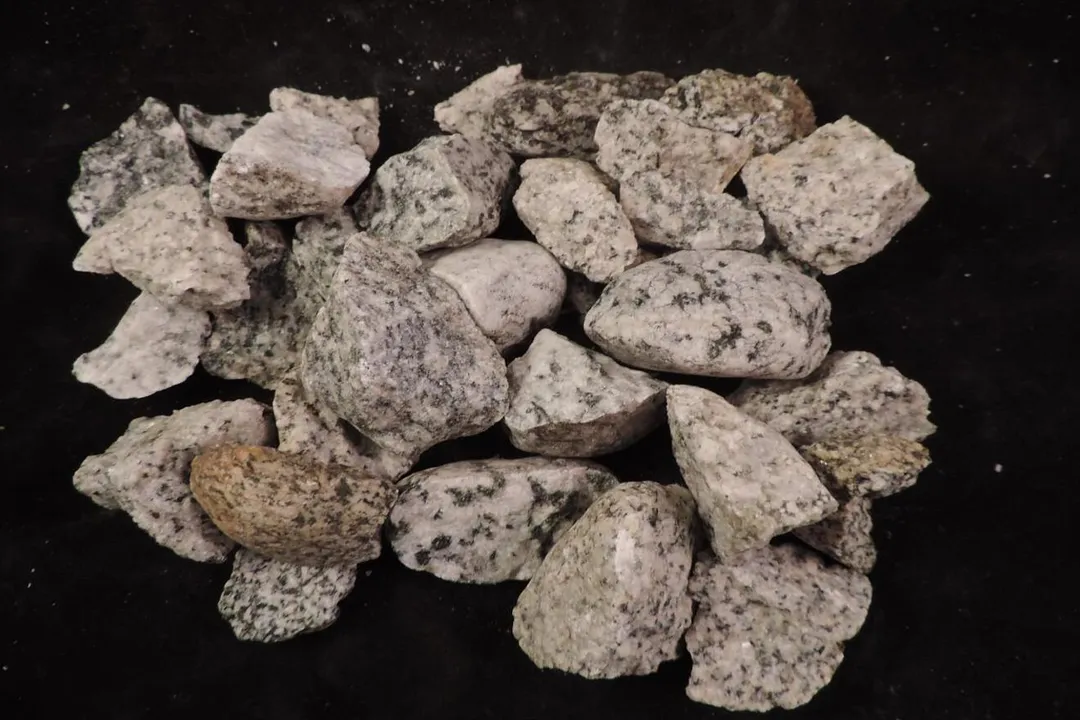
The relationship between a common geological term like syenite and a relatively new, locally famous rock like Yooperlite often leads to confusion for collectors and enthusiasts alike. Simply put, Yooperlite is a type of syenite, but this description only scratches the surface of what makes this Michigan find so distinct. To understand the connection, one must look past the names and examine the mineralogy and the unique property that catapulted this specific rock into the limelight: its glow.
# Rock Identity
Yooperlite is not a completely separate geological classification from syenite; rather, it is a specific, recognizable variety of syenite distinguished by a key characteristic. Geologically, the term syenite describes a general intrusive igneous rock type, similar to granite but lacking significant quartz content. When we look closer at the descriptions provided for Yooperlite, the classification narrows further. Yooperlites are specifically identified as a nepheline syenite. This points to the presence of nepheline, a feldspathoid mineral, which helps define its place within the broader igneous rock family.
# Syenite Structure
Syenite itself is a fundamental rock type in the plutonic igneous category. It forms deep underground when magma slowly cools and crystallizes. The primary minerals in a typical syenite are alkali feldspar, which dominates the composition, along with some amount of ferromagnesian minerals like biotite or hornblende. What sets syenite apart from its more common cousin, granite, is the relative scarcity or complete absence of quartz, the hard, glassy silicate mineral. In the context of Michigan geology, the rocks identified as Yooperlite fit this general profile of a syenite, but with an important addition.
# Defining Glow
The feature that transforms a piece of nepheline syenite into a Yooperlite—at least in the public eye and according to trade usage—is its strong fluorescence under ultraviolet (UV) light. This glowing property is attributed to the presence of the mineral sodalite within the rock matrix. When exposed to the correct wavelength of UV light, the sodalite crystals within the syenite flash with a bright orange or reddish glow. This fluorescence is the direct reason for the name "Yooperlite," derived from the Upper Peninsula of Michigan where these specific glowing stones are found. If a syenite does not contain this sodalite or if the sodalite is not fluorescent, it is simply syenite, not Yooperlite.
The distinction between a generic, non-fluorescent nepheline syenite and a fluorescent one can be subtle to the naked eye. One piece of Michigan syenite might look identical to another until a UV light is applied. This difference in visible reactivity is a fascinating case study in how a single trace mineral can create a massive distinction in popular appeal and naming convention.
To visualize this fundamental difference in the context of their identification:
| Feature | General Syenite (Igneous Rock) | Yooperlite (Trade Name) |
|---|---|---|
| Primary Classification | Intrusive Igneous Rock | Nepheline Syenite |
| Key Identifying Component | Alkali Feldspar, low/no Quartz | Alkali Feldspar, Nepheline |
| Distinguishing Mineral | Varies | Fluorescent Sodalite |
| UV Light Reaction | None / Inert | Bright orange/red fluorescence |
| Naming Convention | Formal Geological Term | Popular/Trade Name |
# Naming Conventions
It is important to acknowledge that "Yooperlite" and "Emberlite" are considered trade names. This means they are names created for marketing or popular identification rather than official, universally accepted petrographic terms used by geologists for rock classification. The mineralogical community classifies the rock based on its constituent minerals—in this case, identifying it as a sodalite-bearing nepheline syenite. The trade name, however, sticks because it is catchy, geographically specific (tying it to the "Yoopers" of the Upper Peninsula), and immediately communicates the rock's most exciting visual trait. This pattern is common in the world of collecting, where a unique visual cue often warrants a unique moniker, regardless of the formal scientific naming structure.
When collecting, a novice might pick up a plain, gray or pinkish piece of igneous rock on a Michigan beach and, thinking of the popular name, incorrectly label it a Yooperlite. The real Yooperlite is defined by the action it performs under specific light, not just its origin or general mineral makeup.
# Field Identification Experience
For those interested in hunting these glowing stones, particularly along the shores of the Great Lakes, this distinction dictates the search method. A collector cannot simply look for a specific color or texture in daylight. Instead, experience in the field suggests that the tool is more important than the eye in the initial stage. A successful search requires a reliable UV flashlight, preferably one emitting a shortwave light, to properly excite the sodalite.
If you are walking the beaches near areas where these rocks are known to occur, consider the general lithology of the area. You are searching for an igneous rock—typically light-colored, often whitish, pinkish, or grayish—that fits the syenite profile, but your screening process must involve testing the fluorescence. A common piece of quartz-rich granite found on the same beach will remain dull, while the Yooperlite will ignite visually. This reliance on a specific excitation mechanism makes the discovery process feel less like traditional rock hounding and more like a treasure hunt based on light interaction. If you find a rock that looks like a mottled gray or pinkish-white stone, but it lacks the tell-tale glow, you have found a piece of local nepheline syenite, but it will not carry the popular "Yooperlite" designation.
# Geological Context and Origin
The fact that Yooperlite is a nepheline syenite points to its formation in magmas that were relatively low in silica when they cooled. High silica content would favor the crystallization of quartz, leading to granite or a standard quartz syenite. The unique environment necessary for nepheline to crystallize suggests a particular tectonic or magmatic setting in the ancient past that allowed this specific chemistry to occur in the bedrock of the Lake Superior region. The presence of these rocks in the Great Lakes region is a result of glacial action that eroded and transported materials from the underlying bedrock formations.
Thus, the comparison resolves into a hierarchy:
- Syenite: The broad igneous rock category (lacking quartz, rich in feldspar).
- Nepheline Syenite: A specific subgroup of syenite containing nepheline.
- Yooperlite: The trade name for Nepheline Syenite found in Michigan that contains sufficient fluorescent sodalite.
It’s a fantastic illustration of how a geologic classification can be refined by a single, commercially appealing, and visually dramatic feature. While a geologist might correctly label the specimen as "sodalite-rich nepheline syenite," the rock collector, finding the specimen glowing intensely on a dark beach, has every right to celebrate it as a genuine Yooperlite.
Related Questions
#Citations
Are yooperlite and syenite the same material? - Facebook
Yooperlite is a type of rock found in the Upper Peninsula of Michigan ...
Identity Help : Yooperlite Syenite verse Granodiorite? - Mindat
A Guide to Finding Michigan's Yooperlites
A New Find of Fluorescent Sodalite - Yooperlites